Anionic Polyacrylamide Water Treatment Polymer | Feymer

showlist/water-treatment-anionic-polyacrylamide, showlist/water-treatment-anionic-polyacrylamide, 
Inquiry
showlist/water-treatment-anionic-polyacrylamide, showlist/water-treatment-anionic-polyacrylamide, 
Inquiry
High-Performance Water Treatment Anionic Polyacrylamide

High-Performance Water Treatment Anionic Polyacrylamide

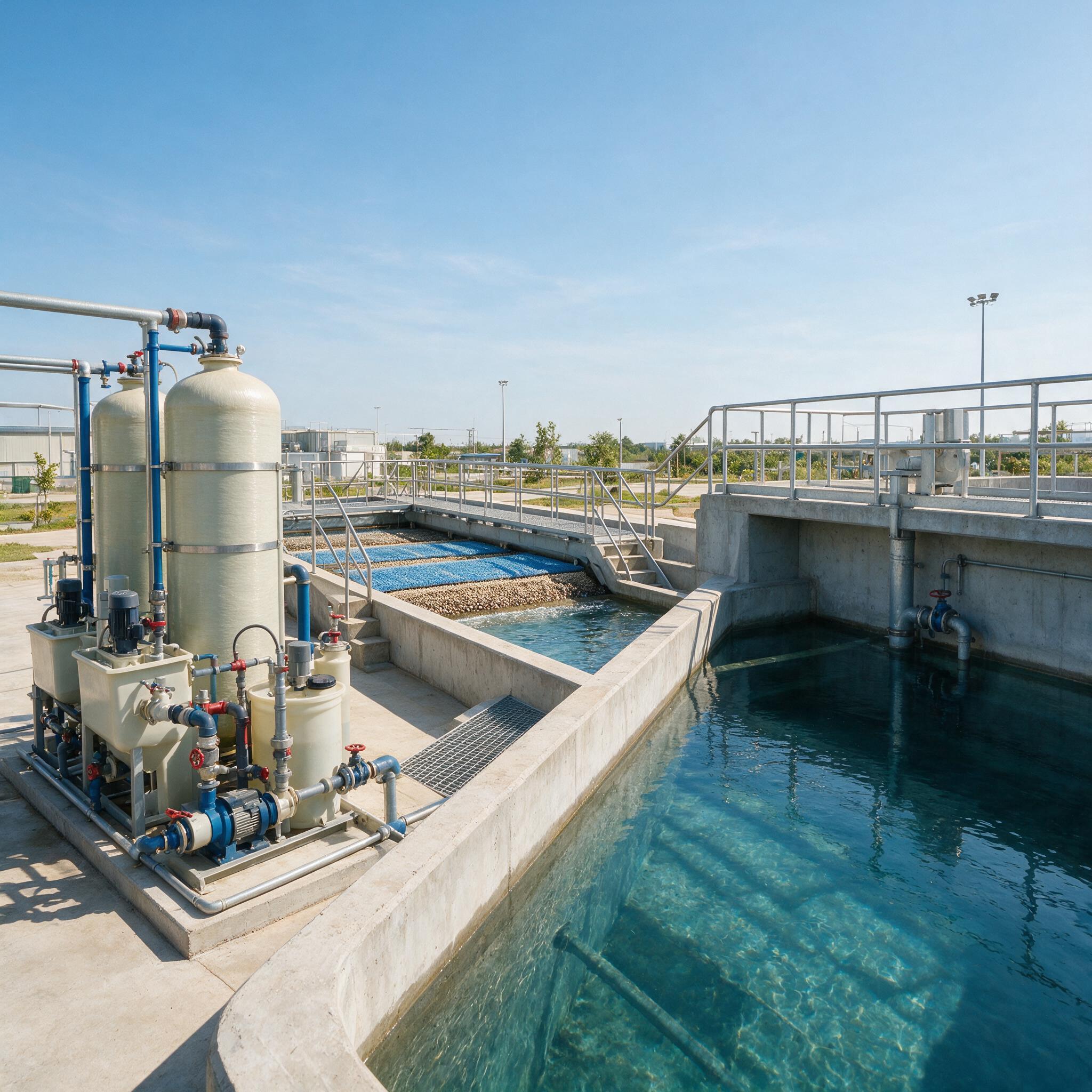
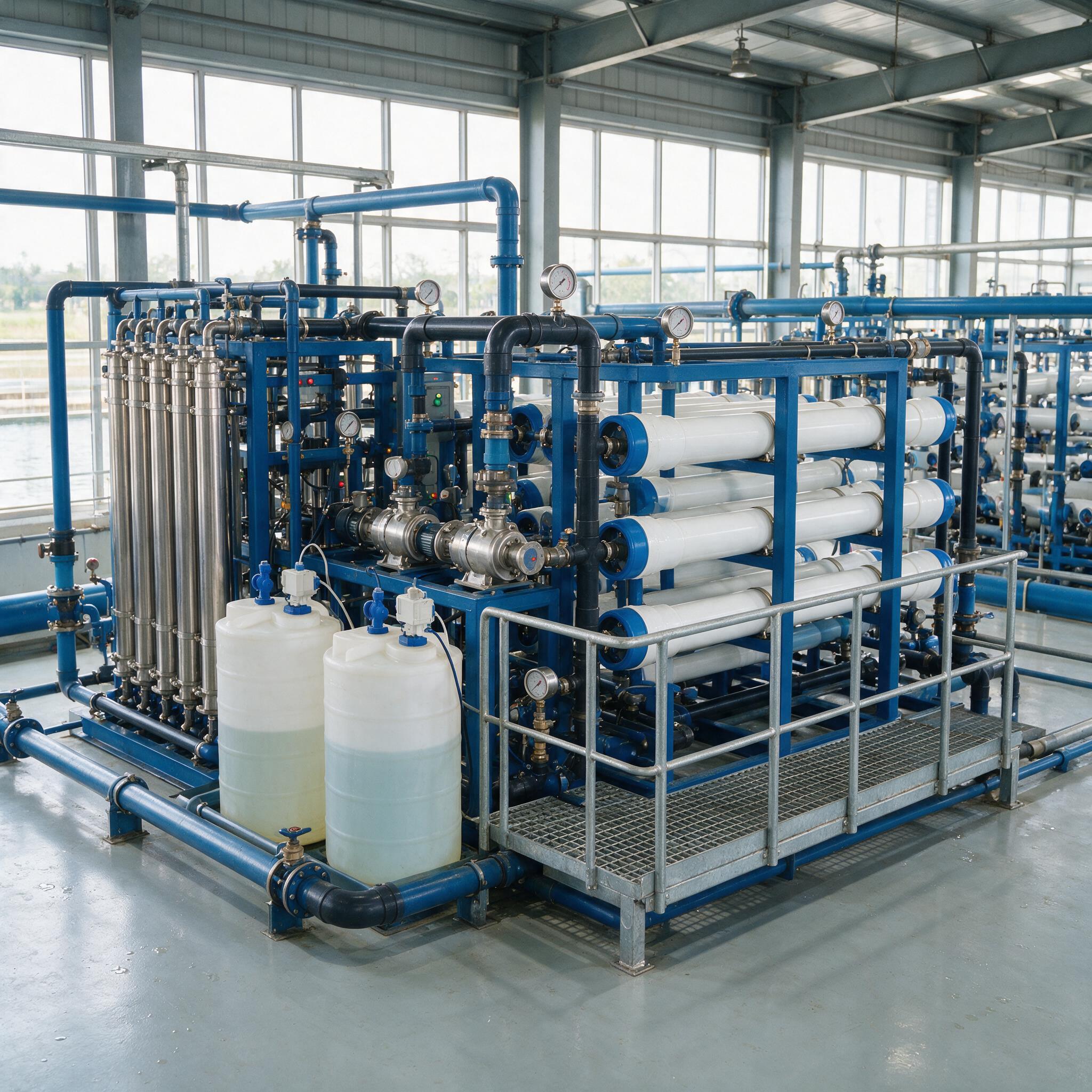
Discover the transformative power of Feymer’s water treatment anionic polyacrylamide, a high-molecular-weight polymer engineered for superior flocculation, sedimentation, and sludge dewatering across diverse water treatment processes. As a leading high-tech manufacturer on China’s STAR Market, we integrate cutting-edge R&D, AI-empowered systems, and sustainable practices to deliver a product that enhances operational efficiency, reduces cost, and meets rigorous environmental standards. Our anionic polyacrylamide excels in treating industrial effluents, municipal wastewater, and process water in pulp and paper, oil and gas, and chemical industries. With a focus on high charge density, rapid dissolution, and consistent performance, it ensures optimal suspended solids removal, turbidity reduction, and improved water clarity. Backed by technical expertise and three production bases, we provide tailored solutions that address complex water chemistry, helping you achieve compliance.
Get A Quote

Advantages of the product

Superior Flocculation Efficiency

Designed with ultra-high molecular weight and optimized charge density, enabling rapid particle bridging and aggregation. This results in significantly faster settling rates and larger, denser flocs compared to conventional polymers. The product performs exceptionally well across a wide pH range and is effective in low and high turbidity waters. By improving solid-liquid separation, it enhances throughput, reduces energy consumption, and ensures clearer effluent quality.

Enhanced Sludge Dewatering

Achieve optimal sludge dewatering with our anionic polyacrylamide, specifically formulated to condition sludge for maximum water release. It reduces sludge volume, producing drier cake solids that lower hauling and landfill costs. The polymer's strong bridging capability creates flocs that are resilient under mechanical shear, ensuring consistent performance in centrifuges, belt presses, and filter presses. By minimizing water content in the final cake, it improves overall efficiency.

Versatile and Sustainable Solutions

Our anionic polyacrylamide is versatile, catering to a broad spectrum of applications, including raw water clarification, industrial wastewater treatment, and process water recycling. It removes suspended solids, heavy metals, and organic contaminants. Produced with low residual monomer, it ensures compliance with stringent environmental regulations. Our production processes utilize energy-efficient technologies, helping clients optimize their regimes with minimal impact.

Water treatment is a critical global challenge, and selecting appropriate chemicals is paramount to ensuring effective, sustainable outcomes. Anionic polyacrylamide (APAM) has emerged as a cornerstone in modern water treatment due to its ability to promote flocculation, aiding in the removal of suspended particles, colloids, and dissolved contaminants. At Feymer, we engineer our water treatment anionic polyacrylamide with advanced polymerization technologies that yield precise molecular weights and controlled charge densities. This precision enables the polymer to perform optimally across diverse water matrices, from high-alkalinity industrial streams to low-turbidity source waters. The polymer chains adsorb onto particle surfaces, bridging them into larger aggregates that settle quickly, thus enhancing clarifier performance and increasing plant capacity.

Frequently Questions

What is the optimal dosage of water treatment anionic polyacrylamide for my application?

Determining optimal dosage is crucial for performance and cost efficiency. Typical dosages range from 0.5 to 10 ppm, depending on suspended solids concentration, particle charge, and water chemistry. High-turbidity industrial effluents require higher dosages, while lower doses suit clean water applications. We recommend conducting jar tests on a representative feed water sample to establish an effective dosage curve. Factors such as pH, temperature, and mixing intensity also influence results. Feymer provides comprehensive technical support to assist with dosage optimization, helping you achieve target water clarity without chemical overuse or process inefficiency.
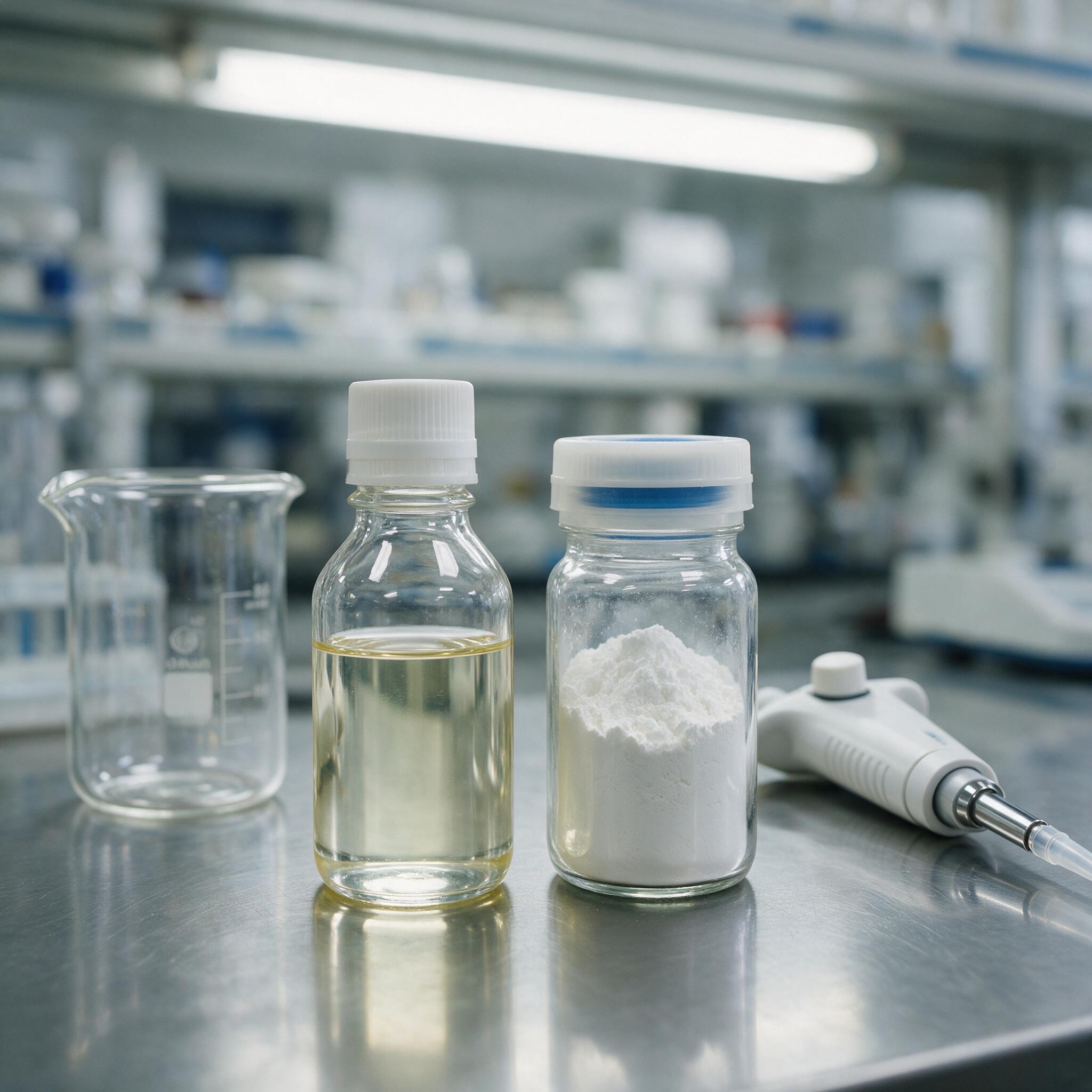
Dissolve dry powder in clean water at 0.1% to 0.5% concentration using an automatic make-down unit with 30-60 minutes of gentle aging. Avoid high shear during mixing to prevent polymer chain degradation, and add powder slowly into the vortex to prevent clumping. Emulsions dilute faster but still require proper aging. Store unopened product in a cool, dry area away from direct sunlight. Prepared solutions must be used within 24-48 hours to avoid viscosity loss and biological degradation. Regularly clean storage tanks to prevent biofilm formation. Following these guidelines ensures consistent batch performance.

Related Articles

How Does Polyacrylamide Work in Papermaking Wastewater Treatment

20

Jul

How Does Polyacrylamide Work in Papermaking Wastewater Treatment

Optimize papermaking wastewater treatment with high-performance PAM. Feymer provides specialized flocculant solutions to enhance water recovery and reduce costs.
View More
Anionic Polyacrylamide for Mineral Tailings

19

Aug

Anionic Polyacrylamide for Mineral Tailings

Discover how high-performance anionic polyacrylamide optimizes tailings dewatering for mines. Improve efficiency and sustainability with Feymer solutions.
View More
Polyacrylamide Application in River Water Purification

04

Sep

Polyacrylamide Application in River Water Purification

Discover how PAM (polyacrylamide) removes turbidity in river water — mechanism, dosage range, seasonal adjustment, and grade selection guidance.
View More

Customer Testimonials

Huse Blanchard
Exceptional Flocculation and Dewatering Performance

We saw immediate performance gains after switching to Feymer's anionic polyacrylamide. Flocs form rapidly, and sludge cake dryness improved from 18% to 24%, cutting disposal costs significantly. The technical team helped us optimize dosages, reducing overall chemical consumption by 15%.

Florence Hutto
Reliable and Consistent Performance

Feymer consistently delivers reliable chemical quality for our plant. Batch-to-batch variations have disappeared, and the polymer shows superior shear resistance in high-energy mixers. We reduced chemical costs by 8% while meeting tight discharge standards.

Get a Free Quote

Our representative will contact you soon.
0/1000
Precision-Engineered Molecular Architecture

Precision-Engineered Molecular Architecture

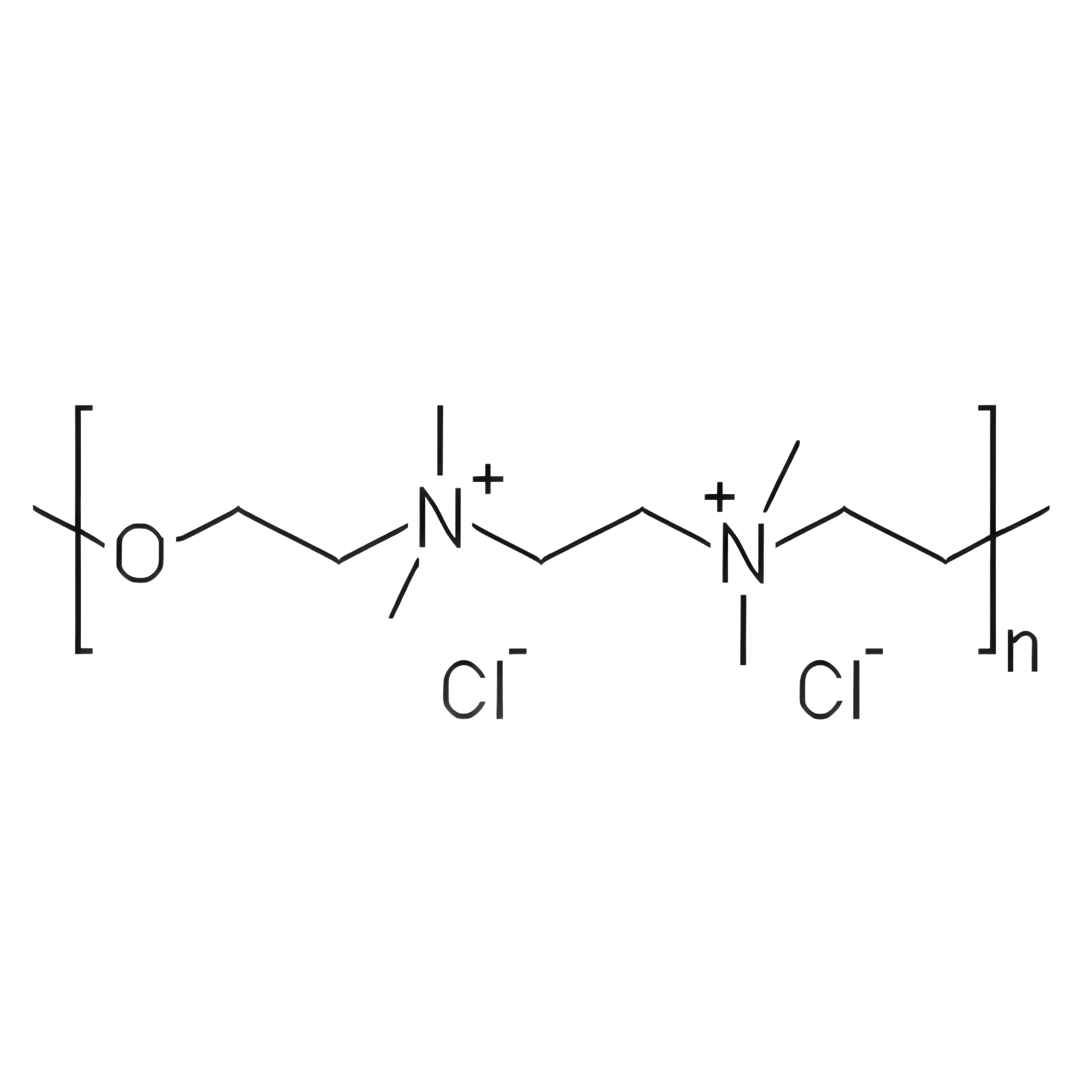
Feymer’s water treatment anionic polyacrylamide is synthesized using advanced polymerization technologies that allow for precise control over molecular weight and charge distribution. This tuning ensures optimal performance for specific applications, whether it be rapid flocculation in high-turbidity streams or efficient sludge conditioning in biological systems. Our state-of-the-art production facility uses continuous processes that enhance polymer uniformity, reducing variability that can disrupt downstream operations. The polymer’s high molecular weight maximizes bridging efficiency, while the controlled anionic charge density ensures effective neutralization of positively charged particles. This molecular precision leads to lower required dosages, faster settling rates, and improved water clarity.
Advanced Application Support and Customization

Advanced Application Support and Customization

Not every water treatment challenge is the same, which is why we offer an unmatched level of technical support and product customization. Our application specialists work closely with you to study your water chemistry, identify pain points, and recommend the ideal APAM grade. Whether you need a high-charge version for mineral processing or a low-charge variant for biological systems, we can adjust the polymer’s attributes to optimize performance. When ordering, you can specify molecular weight, charge density, and particle size distribution. Our on-site support includes jar testing, pilot trials, and full-scale optimization, ensuring a smooth transition. Industry reports indicate that tailored flocculants cut chemical expenses by up to 30%.