The Vital Importance of Wastewater Management in Modern Paper Production
The global papermaking industry is widely recognized as one of the most water-intensive industrial sectors operating today. During the complex production process, massive, industrial-scale volumes of water are utilized to transform raw wood pulp and recycled fiber materials into high-quality paper products. Consequently, this operational reality generates highly complex, high-volume wastewater streams laden with a challenging mixture of suspended solids, residual fibers, starch, sizing agents, and various chemical additives. Effective management of this industrial effluent is not just a regulatory necessity but a cornerstone of sustainable, long-term manufacturing. PAM, or Polyacrylamide, has effectively become the global industry-standard chemical solution for treating these difficult wastewater streams. By integrating high-performance PAM into the primary and secondary treatment stages, paper mills can efficiently clarify process water, reduce environmental impact, and recover valuable fiber, turning what was once a heavy waste management burden into a consistent source of operational savings and industrial efficiency.
Unlocking the Advanced Flocculation Mechanism of PAM
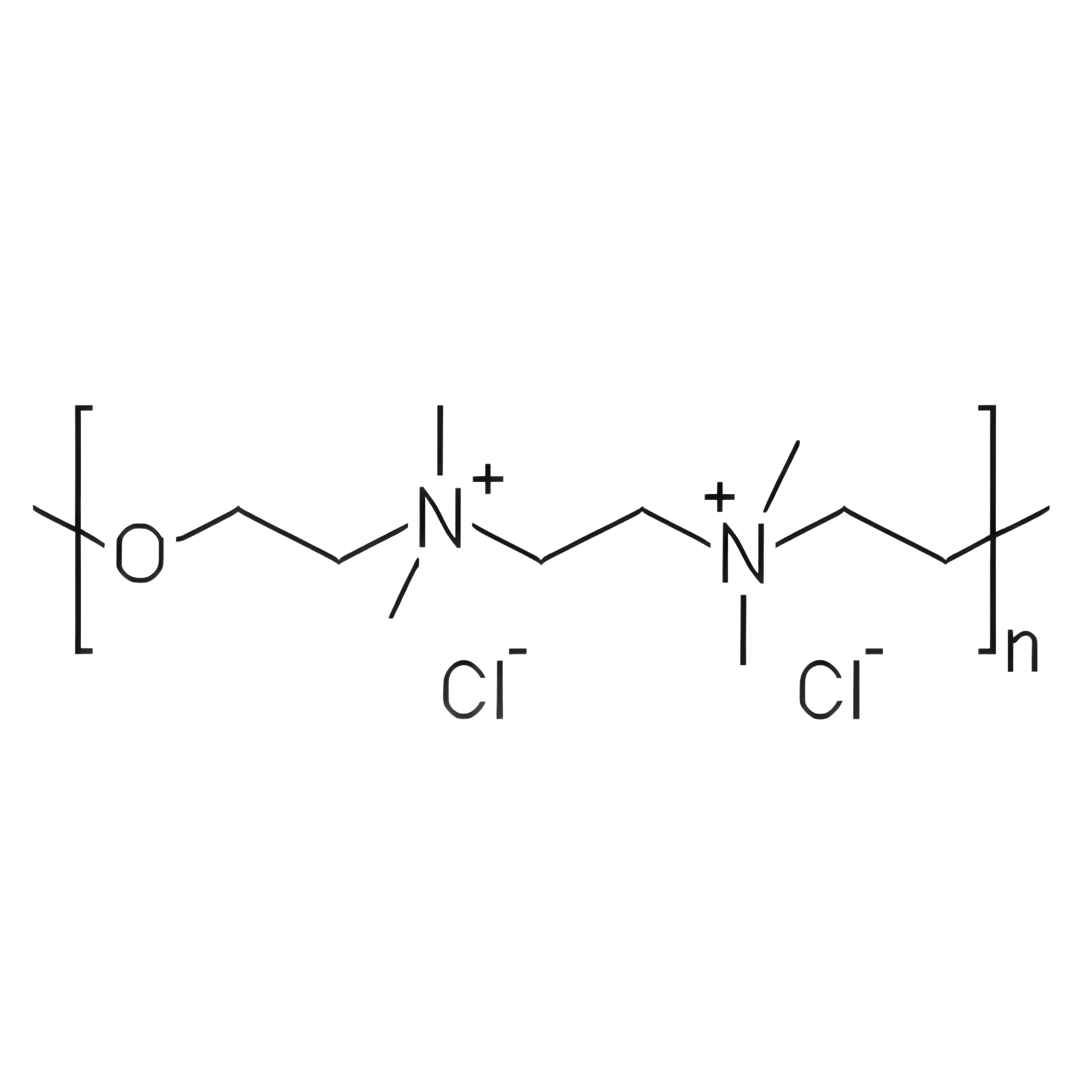
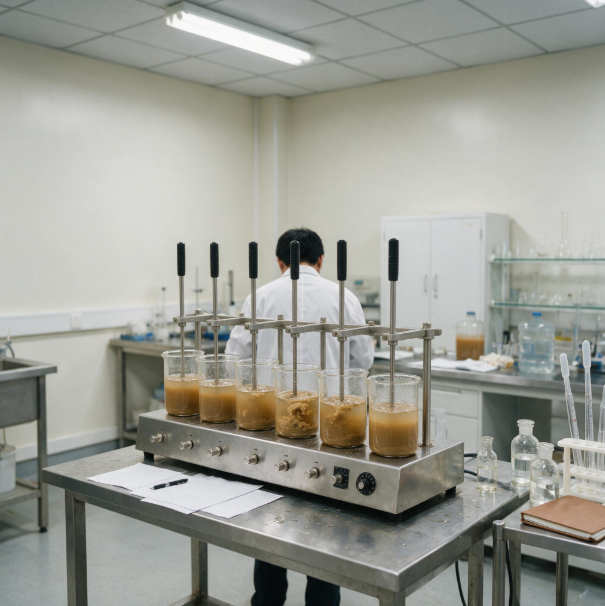
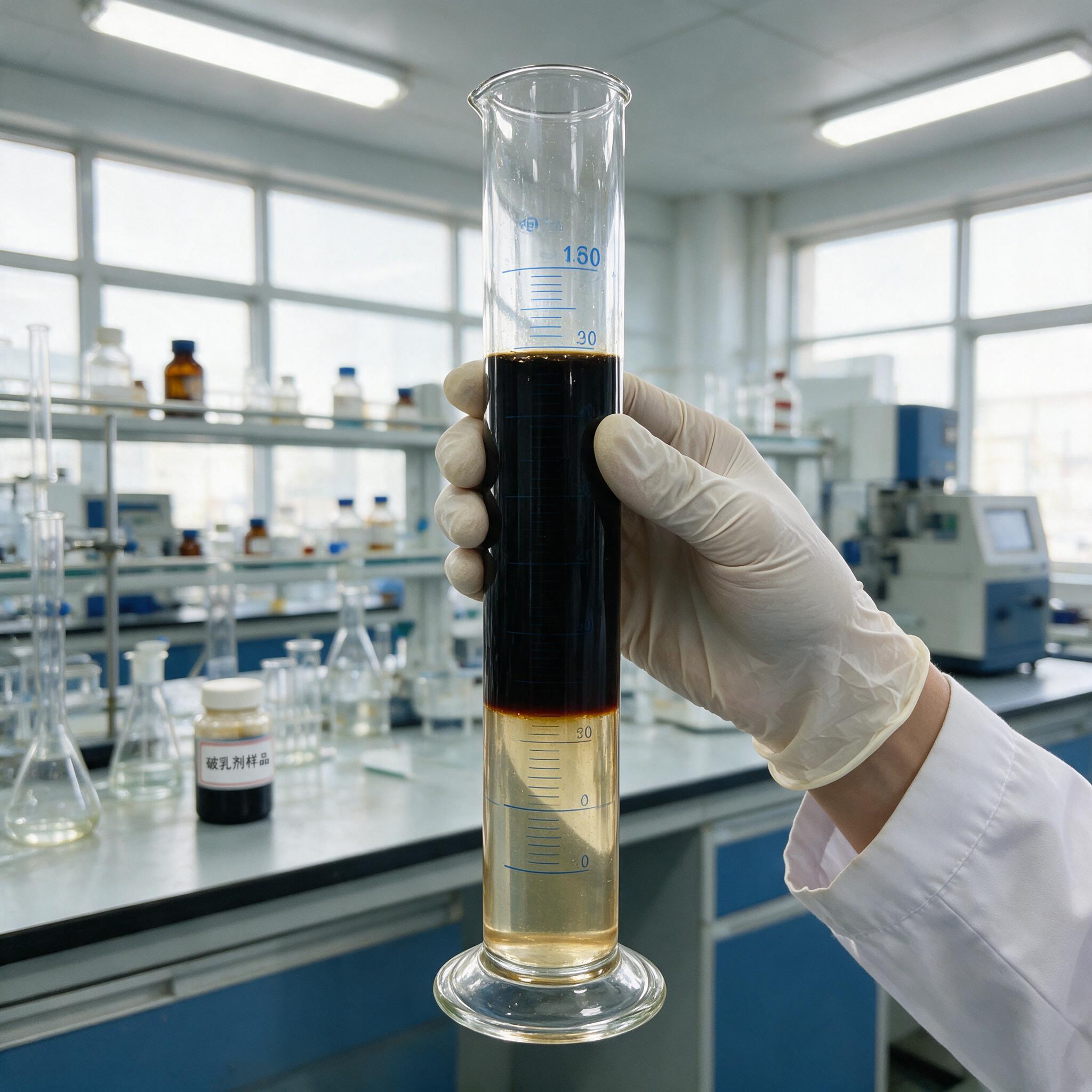
At the fundamental molecular level, PAM functions as a powerful, high-efficiency flocculant, bridging the physical gap between small, stable particles and large, settleable flocs. Papermaking wastewater is typically dominated by negatively charged, sub-micron particles, such as refined cellulose fines and colloidal pigments, which naturally repel each other and remain suspended in the aqueous phase for extended periods. When PAM is introduced into the wastewater system, its long, high-molecular-weight polymer chains stretch out significantly in the solution. These chains act as robust physical bridges, capturing multiple small particles through a strategic combination of electrostatic attraction and mechanical entrapment. This sophisticated process, often referred to as inter-particle bridging, rapidly transforms hazy, cloudy effluent into clear water. The structural versatility of PAM allows it to be precisely customized in terms of charge density and molecular weight, ensuring that even under varying pH or conductivity conditions, the settling velocity of the flocs is maximized for optimal, large-scale clarification performance.
Technical Advantages and Operational Impact on Mill Efficiency
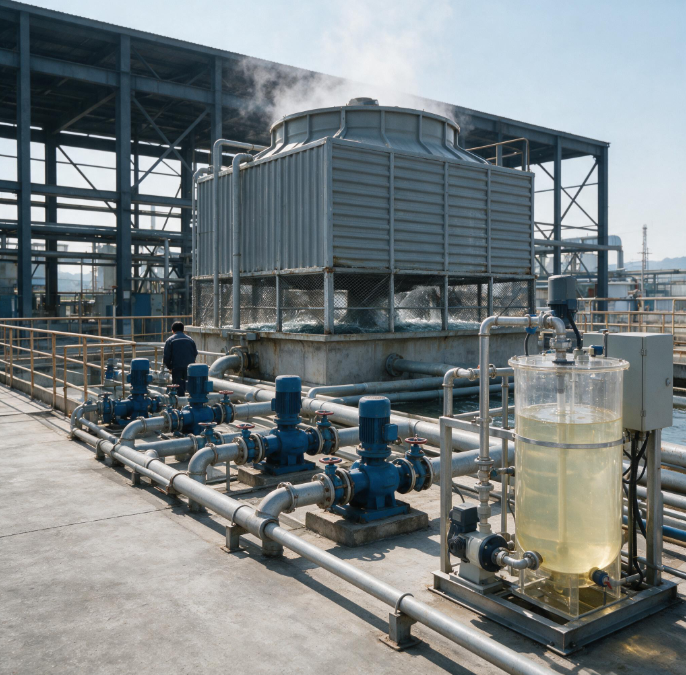
The operational benefits of utilizing optimized PAM in large-scale papermaking plants are truly multifaceted. In the primary clarification stage, the application of PAM significantly accelerates the settling rate of solids, which allows for smaller footprints in industrial sedimentation tanks and clarifiers. This higher sedimentation speed means that mills can process higher volumes of wastewater without needing to expand their existing, expensive physical infrastructure. Furthermore, the sludge produced through PAM-enhanced treatment is often much denser and has superior dewatering properties compared to untreated waste. When this sludge is processed through industrial filter presses or decanter centrifuges, the use of PAM ensures a drier cake, which drastically lowers the overall disposal costs for the mill. Extensive data from various industrial trials suggests that consistent usage of high-grade PAM can improve suspended solids removal efficiency by over 30%, directly contributing to higher water recycling rates and lower fresh water procurement costs for the manufacturing facility.
Meeting Environmental Standards Through Strategic Chemical Dosing
As international environmental regulations regarding industrial effluent discharge become more stringent across the globe, the ability of PAM to consistently deliver high-quality, compliant effluent has become absolutely indispensable. Paper mills operate in a complex chemical environment where additives, aggressive bleaching agents, and specialized sizing chemicals can frequently disrupt standard treatment processes. However, the inherent robustness of modern PAM-based systems provides a reliable buffer against these frequent process fluctuations. By working with specialized, technical chemical providers, mills can refine their daily dosing strategies to match the specific, evolving contaminant profile of their wastewater. This strategic, data-driven approach ensures that total chemical consumption is kept to a minimum while maintaining peak water quality, aligning the mill’s operations with international water stewardship standards and significantly strengthening its corporate social responsibility and environmental profile.
Feymer: Your Strategic Partner in Specialized Polymer Solutions
For any large-scale manufacturing organization, the reliability and consistency of the chemical supply chain are just as critical as the chemical effectiveness itself. Feymer has successfully established itself as a premier global authority in the production of PAM and advanced flocculants specifically engineered for the unique, evolving challenges of the pulp and paper industry. By leveraging decades of intensive research and a profound understanding of wet-end and effluent chemistry, the organization ensures that every batch of PAM delivers the structural integrity and performance consistency required for large-scale operations. Feymer provides comprehensive technical support, helping paper mills analyze their unique wastewater characteristics to develop custom-tailored polymer formulations. With robust global supply chain capabilities and an unwavering commitment to continuous innovation, the organization empowers its industrial partners to overcome the most demanding water treatment hurdles, ensuring long-term operational stability and success.
Future Horizons in Sustainable Papermaking Effluent Treatment
Looking ahead, the papermaking industry is clearly trending toward closed-loop systems where process water is recycled almost indefinitely. This evolution requires increasingly specialized PAM technologies that can maintain peak performance despite the buildup of salts, heat, and dissolved organic matter in the process water. Future developments in polymer science, such as stimuli-responsive polymers and enhanced bio-based variants, are poised to set new, higher benchmarks for industrial efficiency. The ongoing, rapid transition to these smarter chemical solutions will be essential for paper mills aiming to lead in both total productivity and environmental sustainability. By staying at the forefront of these technological advancements, and relying on high-performance products supported by industry leaders, paper manufacturers will continue to balance the demanding requirements of modern, high-speed production with the urgent, global need for responsible, transparent, and sustainable industrial practices.

 EN
EN