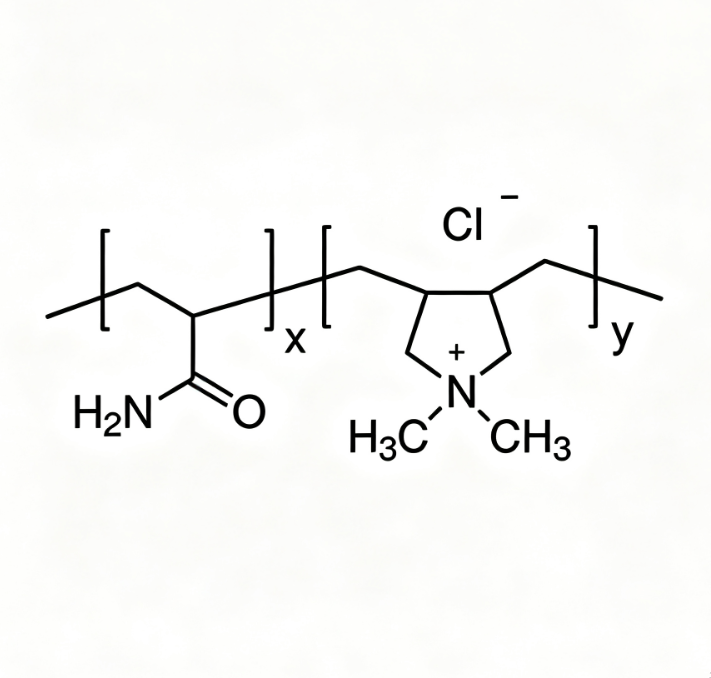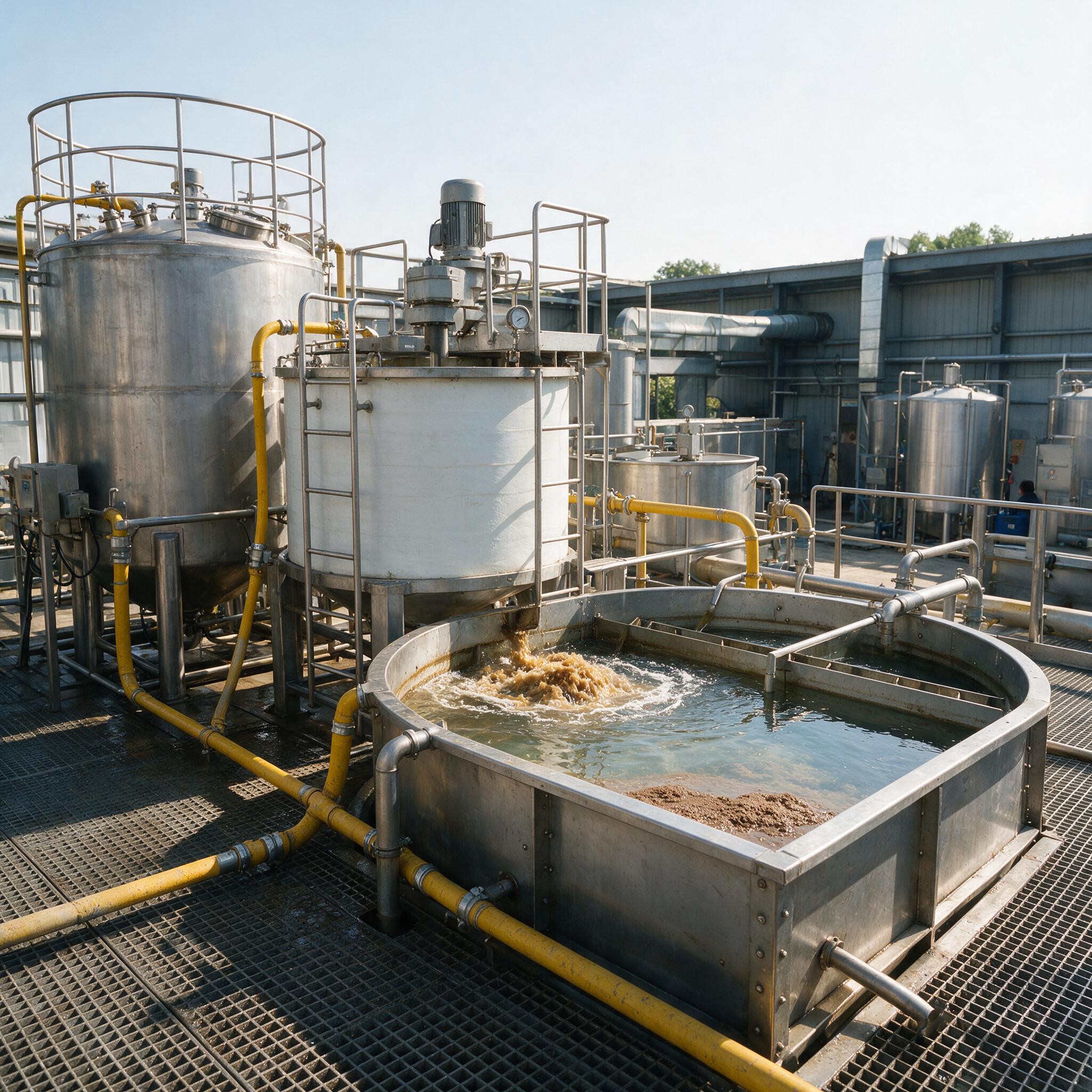
The critical role of anionic polymer water treatment lies in its ability to facilitate the removal of suspended solids, organic pollutants, and colloidal matter from water through flocculation. These high-molecular-weight synthetic polymers carry a negative charge, which neutralizes positively charged particles or bridges between particles to form larger aggregates called flocs. These flocs then settle or float, allowing clean effluent to be separated from contaminants. In municipal wastewater treatment, anionic polymers are essential in secondary and tertiary treatment stages, where they enhance the efficiency of clarifiers and thickeners. They also play a vital role in sludge conditioning, improving dewatering on belt presses and centrifuges, thereby reducing disposal costs. In industrial applications, anionic polymers are used in a wide range of processes, from steel manufacturing to food processing.