Anionic Polymer Solutions | High-Performance APAM

showlist/anionic-polymer, showlist/anionic-polymer, 
Inquiry
Inquiry
Anionic Polymer: Advanced Water Treatment Solutions by Jiangsu Feymer Technology

Anionic Polymer: Advanced Water Treatment Solutions by Jiangsu Feymer Technology

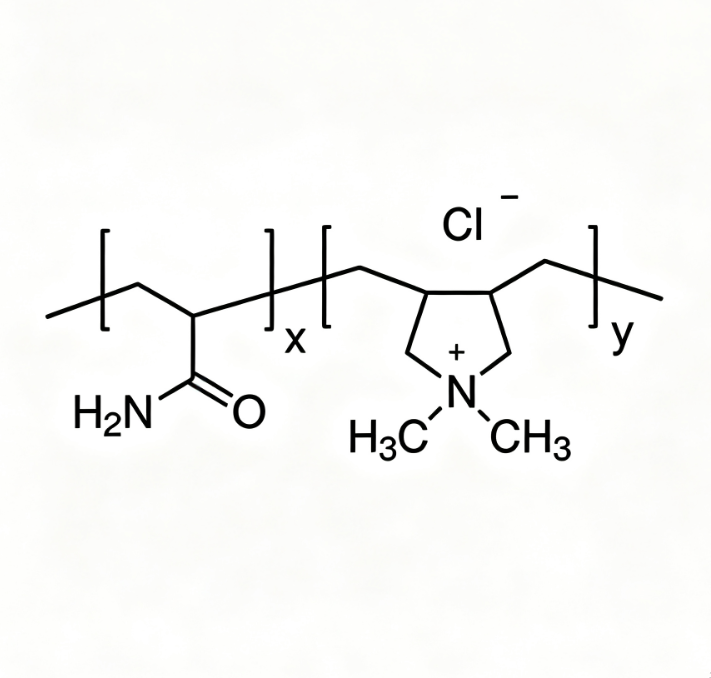
Anionic polymer is a cornerstone of modern water treatment, offering exceptional flocculation, coagulation, and sludge dewatering performance across diverse industries. At Jiangsu Feymer Technology Co., Ltd. (688350), a high-tech enterprise listed on China’s STAR Market, we engineer high-quality anionic polyacrylamide (APAM) products that address the most demanding challenges in municipal and industrial wastewater, pulp and paper processing, oil and gas extraction, textile dyeing, and chemical manufacturing. Our anionic polymer solutions are characterized by high molecular weight, precise charge density, and excellent solubility, ensuring rapid floc formation and efficient solid-liquid separation. Backed by our three production bases and five factories across Jiangsu and Anhui, we deliver consistent, scalable supply with rigorous quality control.
Get A Quote

Advantages of the product

Superior Flocculation Efficiency and High Molecular Weight

Our anionic polymer is synthesized with ultra-high molecular weight and optimized charge density, enabling rapid bridging and destabilization of suspended particles. This results in faster sedimentation rates, clearer supernatant, and enhanced throughput in clarifiers and thickeners. Unlike conventional flocculants, Feymer’s anionic polyacrylamide maintains performance across a wide pH range (5-12) and works effectively in high-salt or high-hardness waters, common in industrial effluents. The polymer’s long polymer chains create strong floes that resist shear, improving efficiency in dynamic flow systems.

Customized Solutions for Varied Industrial Applications

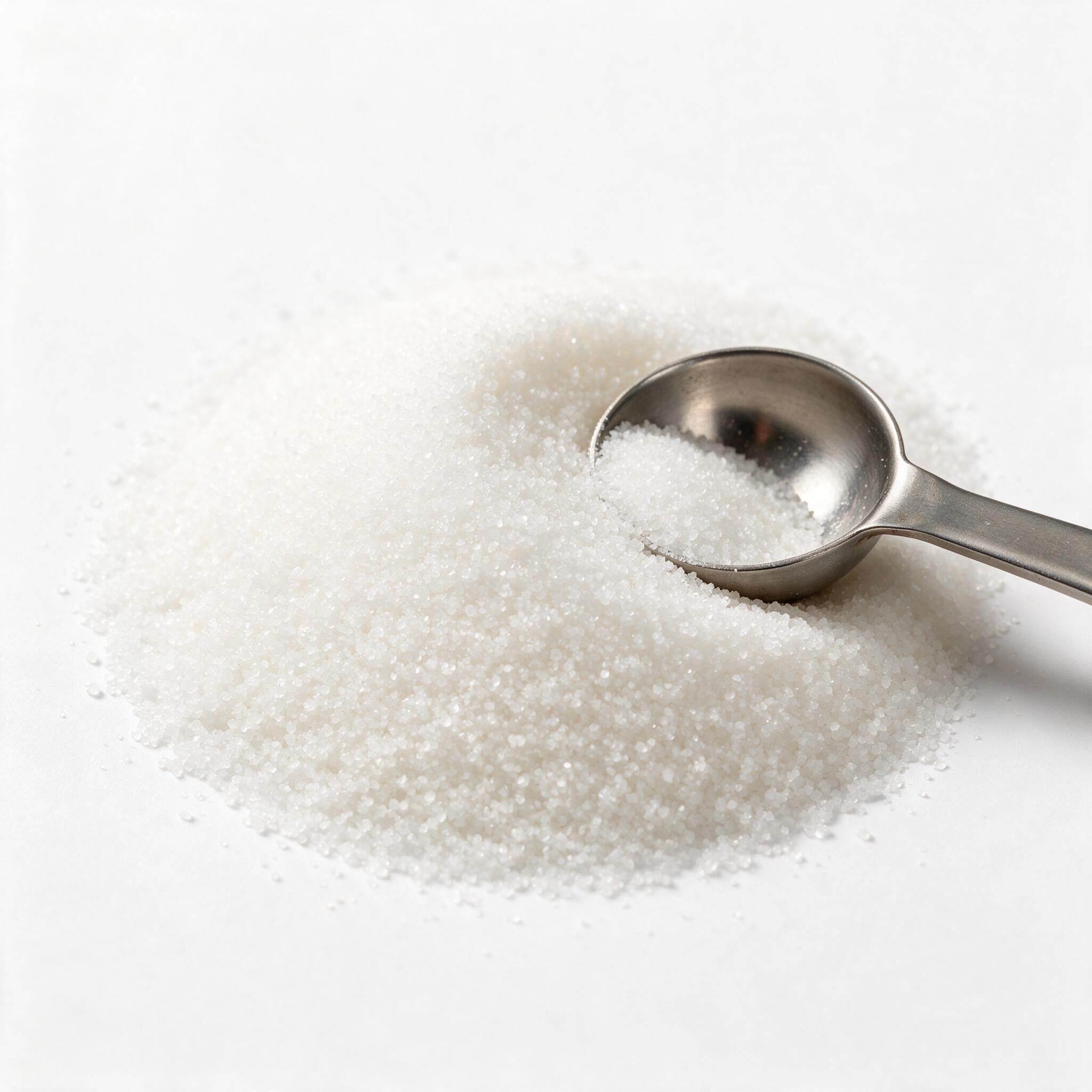
Recognizing that no single anionic polymer fits all, we offer a comprehensive portfolio of APAM grades, varying in molecular weight (8-20 million Da), charge density (10-40%), and physical form (powder, emulsion, or O/W dispersion). Our technical team works closely with clients to characterize their water source, suspended solids, and process equipment, then prescribes a tailored anionic polymer formulation. For pulp and paper mills, we optimize retention and drainage, improving paper machine runnability. In mining and mineral processing, our flocculants enhance thickening of tailings and clarification of process water.

Sustainable Production and Reliable Supply Chain

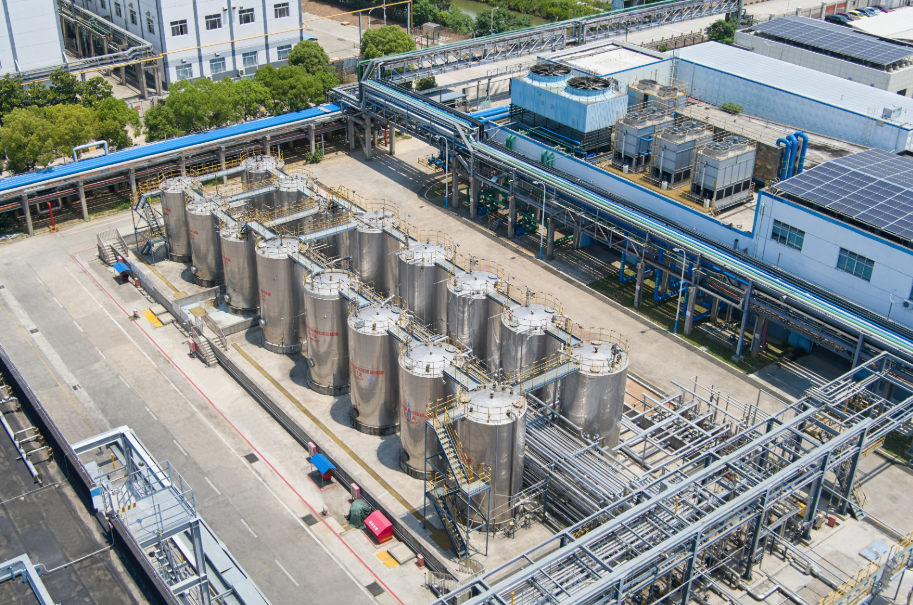
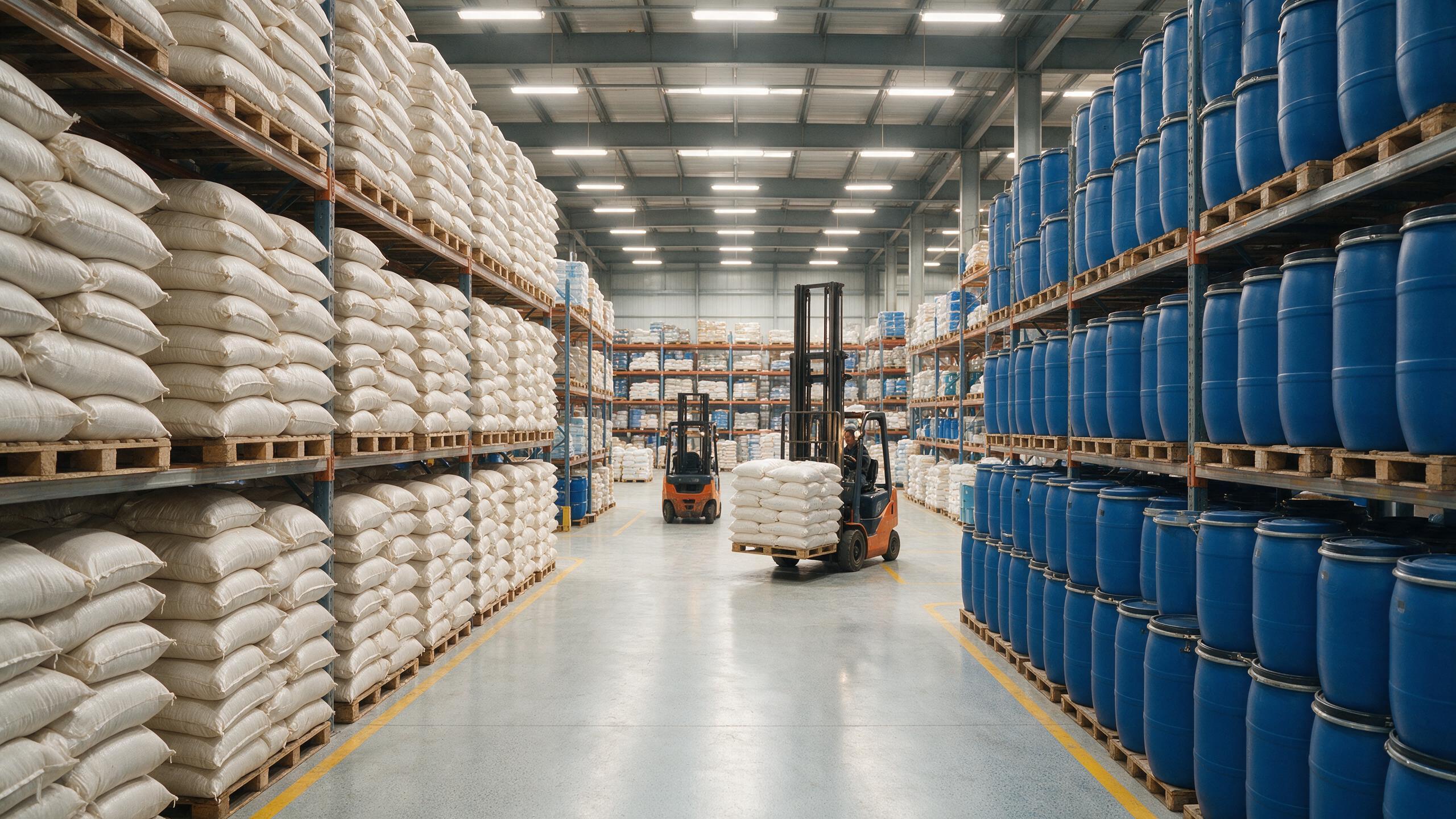
As a company committed to “Making Every Waterprint Count,” we manufacture anionic polymers with a focus on sustainability and supply security. Our production bases employ advanced aqueous polymerization technology that minimizes energy consumption, reduces waste generation, and ensures a lower carbon footprint compared to conventional methods. We utilize eco-friendly raw materials with half-life optimized formulations, and our factories comply with ISO 14001 and OHSAS 18001 standards. With an annual production capacity exceeding 200,000 metric tons, we guarantee stable supply even during peak demand.

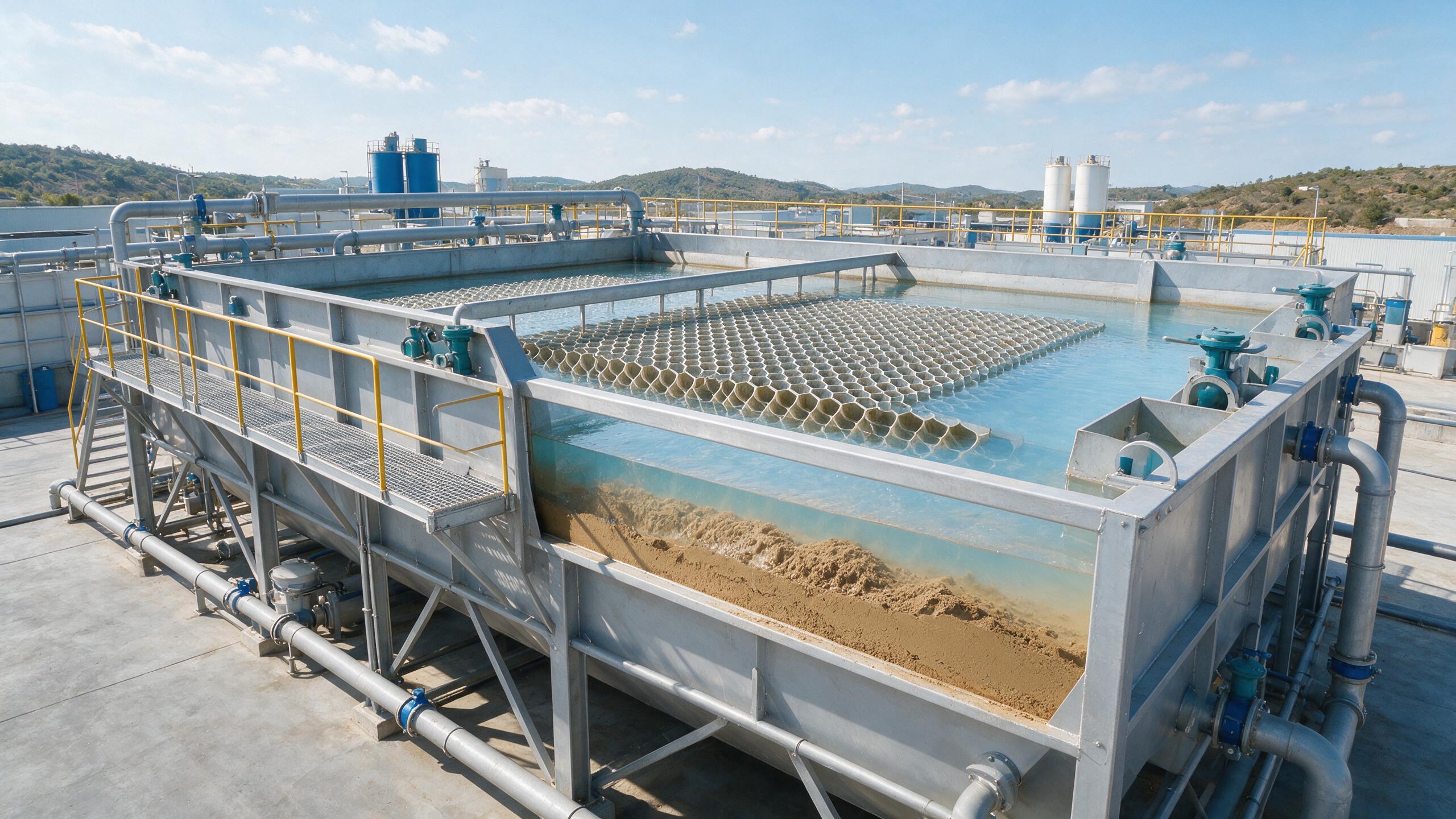
Anionic polymer, dominated by anionic polyacrylamide (APAM), plays a pivotal role in modern water treatment by facilitating coagulation and flocculation. Its mechanism involves neutralization of particle charge via electrostatic interactions and subsequent bridging through long polymer chains, leading to the aggregation of micro-flocs into settleable or filterable macro-flocs. The efficiency of anionic polymer depends on factors like molecular weight, charge density, and ionic strength of the medium. Feymer designs its anionic polymers with controlled molecular architecture to maximize floc strength and sedimentation rate, addressing the toughest treatability challenges. In municipal wastewater, anionic polymer is essential for sludge thickening and dewatering before incineration or landfill. Higher cake solids reduce disposal costs and improve caloric value if incinerated.

Frequently Questions

What is anionic polymer and how does it differ from non-ionic or cationic polymers?

Anionic polymer carries a positive charge? Actually, it carries a negative charge when dissolved in water. Its functionality relies on charge neutralization and bridging. Anionic polymers are most effective for removing positively charged particles, such as metal hydroxides or organics with positive zeta potential. In contrast, cationic polymers are used for negatively charged particles (common in biological sludge), while non-ionic polymers rely primarily on bridging. Our anionic polyacrylamide (APAM) features high molecular weight and controlled degree of hydrolysis, providing strong bridging between particles. It is particularly efficient in water with high turbidity or with inorganic suspensions. For example, in mining wastewater containing fine clay particles, anionic polymer rapidly destabilizes colloids, forming dense flocs that settle quickly.
Selecting the appropriate anionic polymer grade is a function of your water characteristics, suspended solids concentration, zeta potential, and equipment type (e.g., clarifier, centrifuge, or belt press). First, analyze the particle size and surface charge of suspended solids. If particles are positively charged, anionic polymer works well. For fine, non-settling particles, high molecular weight APAM (12-20 million Da) is recommended to induce bridging. For fast flocculation in high-turbidity waters, a lower molecular weight with higher charge density may be beneficial. You also need to consider pH; our anionic polymers operate effectively in pH 5-12. Another factor is the make-down water quality; hard water may require an emulsified polymer for ease of dissolution. At Feymer, our technical experts walk you through a systematic process: sampling, laboratory screening, and on-site trial.

Related Articles

How to Use Anionic Polyacrylamide Correctly?

30

Jul

How to Use Anionic Polyacrylamide Correctly?

Learn how to use anionic polyacrylamide correctly for water treatment. Feymer provides expert guidance and high-performance polymer solutions.
View More
Why Use Anionic Polyacrylamide in Mining?

14

Aug

Why Use Anionic Polyacrylamide in Mining?

Discover how anionic polyacrylamide enhances mineral processing efficiency, improves water recovery, and optimizes solid-liquid separation in mining operations.
View More
Advantages of Water Soluble Polymer in Papermaking & Mining

20

Aug

Advantages of Water Soluble Polymer in Papermaking & Mining

Discover industrial uses and technical advantages to boost mill efficiency and lower material expenses.
View More

Customer Testimonials

Michael H.
[Improved Sludge Dewatering and Cost Reduction at Municipal Plant]

Feymer's anionic polymer transformed our belt press performance. Our previous polymer required high dosage (18 kg/ton dry solid), but with Feymer's high molecular weight APAM, we achieved the same cake solids (28%) at just 11 kg/ton. The floc formation is rapid, and the filtrate quality improved significantly, reducing BOD carryover. Also, the polymer dissolves quickly without lumping, solving our long-standing mixing issue. We now save approximately 30% on polymer costs annually. Their technical support was outstanding; they ran a series of jar tests with our actual sludge and provided clear operational guidelines.

Andres M.
[Excellent Performance in Acidic Mine Drainage

Our coal mine drainage has a low pH (3.5) and high iron content. We tried several anionic polymers, but most failed because they are ineffective in acidic conditions. Feymer's special-grade anionic polymer works remarkably well in pH 3-5, achieving complete flocculation within seconds. The settleability improved so much that we moved from a lamella clarifier to a simple settling pond, saving A huge capital expenditure. Their technical team visited our site and adjusted the molecular weight specification to match our stream. The clarity of the treated water reached below 10 NTU, allowing safe discharge.

Get a Free Quote

Our representative will contact you soon.
0/1000
Advanced Manufacturing Technology Ensures Consistent Quality

Advanced Manufacturing Technology Ensures Consistent Quality

At Feymer, we produce anionic polymer using state-of-the-art continuous polymerization technology with precise control over reactor conditions (temperature, feed rate, and ph). This results in extremely low batch-to-batch variability (coefficient of variation <5%), which is critical for industrial processes where consistency affects downstream performance. Our production lines are equipped with in-line viscometers and residual monomer analyzers, ensuring real-time quality monitoring. We also offer high-molecular-weight APAMs with solubility kinetics optimized for standard make-down units, reducing fish-eyes and undissolved particles that can cause nozzle clogging. Our expert formulation team tailors anionicity and molecular weight distribution to achieve the required floc strength and settling rate. For demanding applications like belt filtration and centrifugation, we provide emulsion polymers with key characteristics such as rapid inversion, low viscosity, and ease of handling.
Sustainability and Eco-Efficiency Through Green Polymerization

Sustainability and Eco-Efficiency Through Green Polymerization

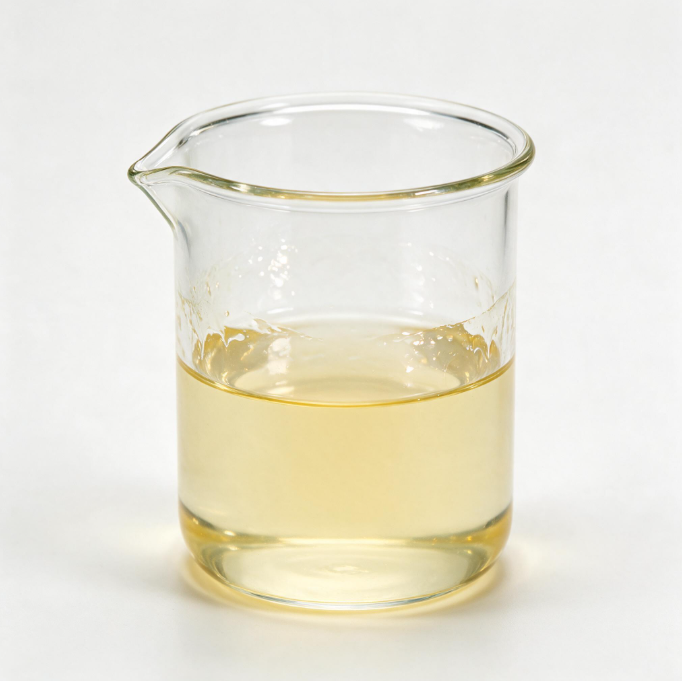
Feymer is committed to reducing the environmental footprint of our anionic polymer production without compromising functionality. We have invested in aqueous solution polymerization technology that avoids the use of organic solvents and reduces energy consumption by 40% compared to reverse-phase emulsion processing. Our plants implement closed-loop water recycling, cutting fresh water usage by 35%. Moreover, we are developing biobased anionic polymers derived from renewable raw materials (starch grafted with acrylamide) to replace petrochemical-based ones, aligning with global trends. These green polymers show comparable performance in trials and can biodegrade more readily. We also offer concentrated liquid anionic polymer (10-20% active), which reduces packaging waste and transportation CO2 emissions. On the end-use side, our polymer enables efficient sludge dewatering, leading to a lower carbon footprint in sludge disposal.