Decoding the Versatility of Modern Industrial Additives
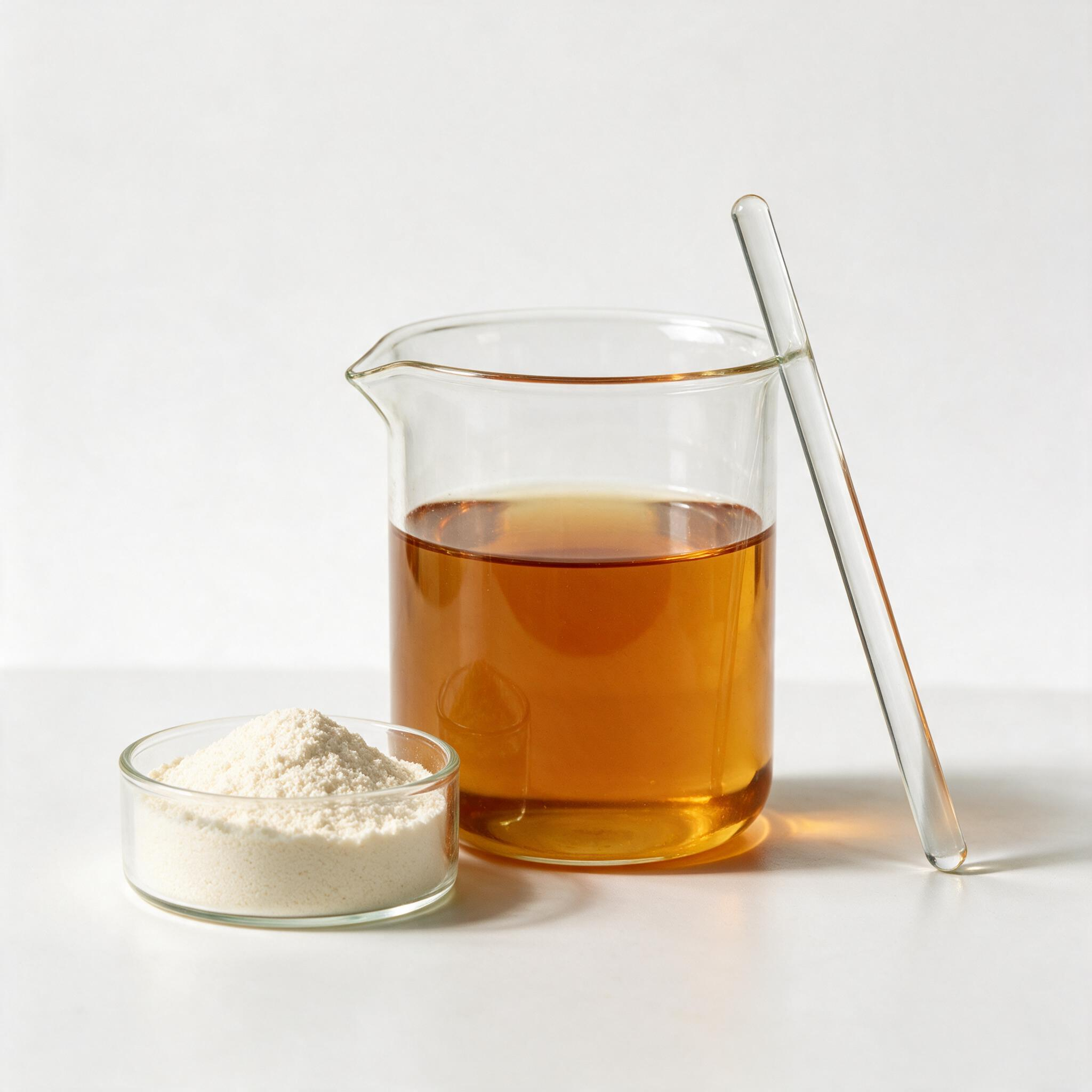
Modern manufacturing environments demand chemical auxiliaries that offer precision, safety, and high efficiency under rigorous operating conditions. Among the wide array of processing aids, a water soluble polymer stands out due to its exceptional ability to alter fluid rheology, facilitate rapid flocculation, and stabilize diverse emulsions. Engineers across multiple sectors frequently rely on a specialized water soluble polymer to optimize production lines, reduce operational waste, and enhance final product specifications. Understanding the underlying chemistry involves looking closely at molecular weight distribution, ionic charge density, and polymer chain configuration. When formulated correctly, a water soluble polymer interacts seamlessly with various substrates, creating hydrogen bonds or electrostatic attractions that drive targeted physical changes. Facility managers often note that selecting the optimal grade of a water soluble polymer directly impacts overall plant throughput and energy consumption. Technical teams at industrial sites continually test different formulations of a water soluble polymer to determine the exact dosage required for specific shear rates and temperature thresholds. Furthermore, rigorous laboratory evaluations ensure that each batch of a water soluble polymer maintains uniform performance metrics, minimizing unexpected variations during continuous, large-scale production cycles.
Revolutionizing Municipal and Industrial Wastewater Treatment
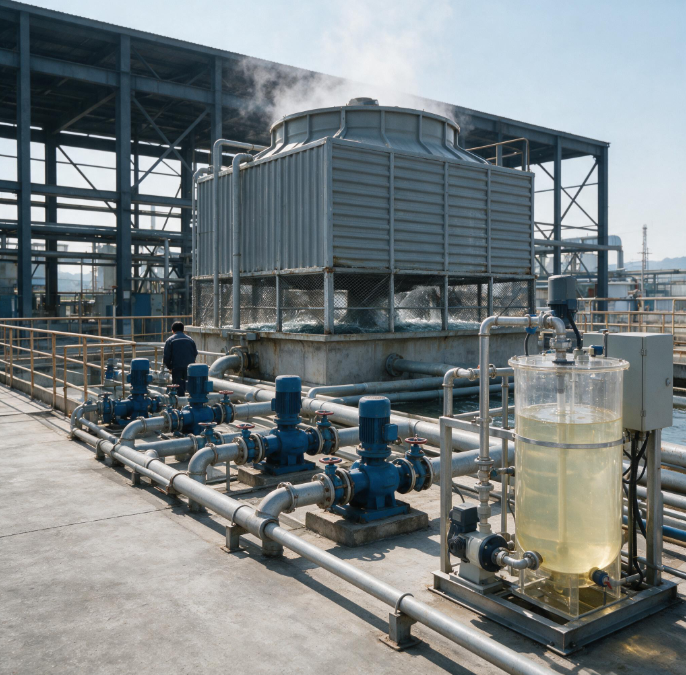
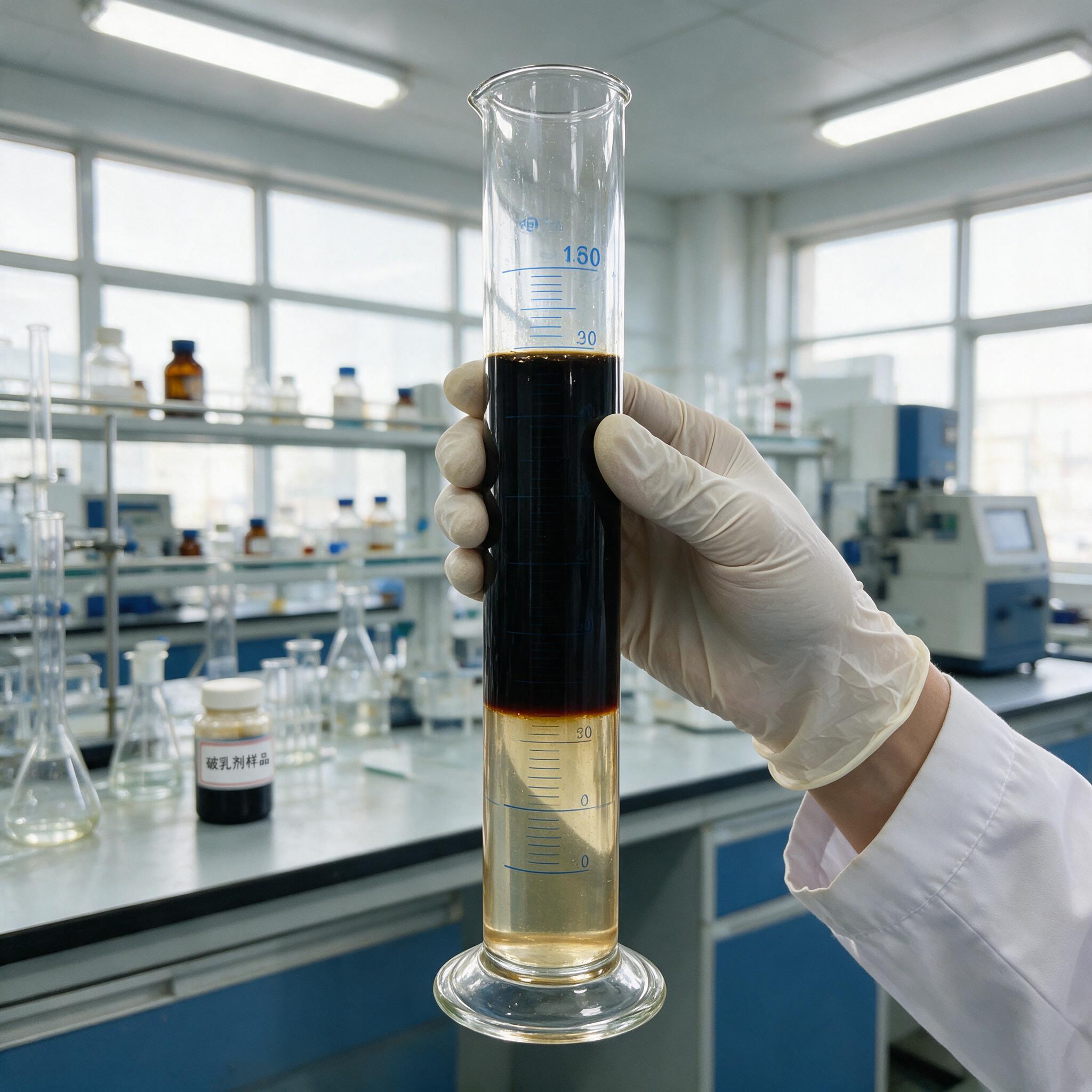
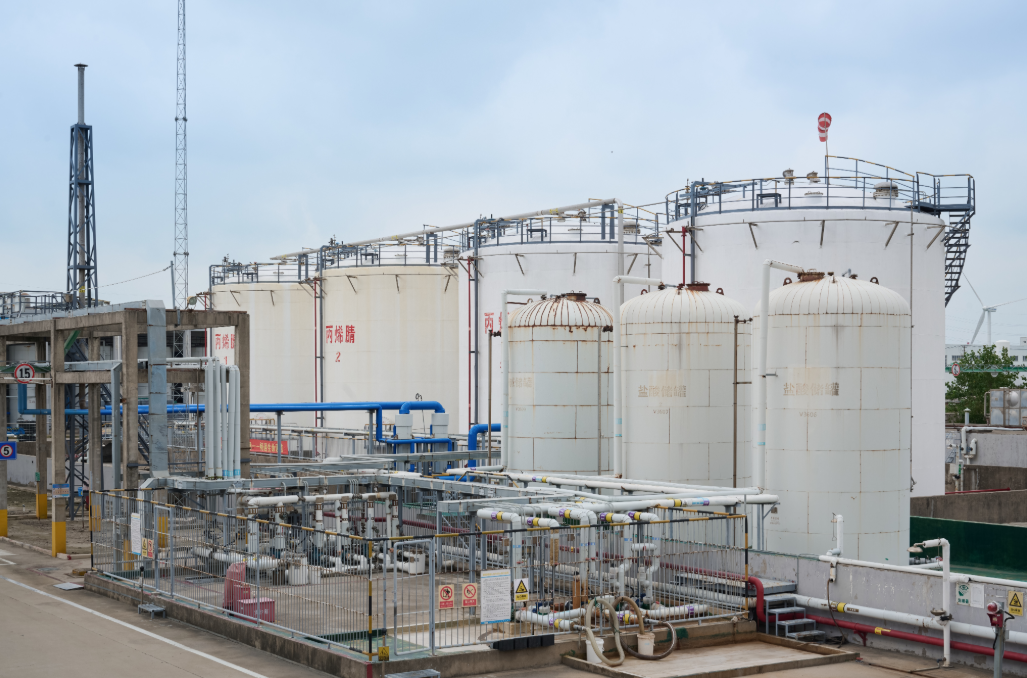
Environmental compliance remains a top priority for facility operators worldwide, making effective effluent management a daily operational challenge. Plant operators routinely deploy a water soluble polymer as a primary flocculant and coagulant aid in municipal sewage plants and heavy industrial facilities. Real-world case studies from large-scale chemical processing plants demonstrate that introducing an anionic water soluble polymer significantly accelerates sludge dewatering rates, leading to remarkably drier filter cakes and lower disposal costs. In a recent municipal upgrade project, engineers observed that a tailored water soluble polymer reduced suspended solids by over ninety percent within minutes of application. This rapid sedimentation occurs because the long-chain molecules of a water soluble polymer bridge multiple microscopic particles together, forming dense flocs that settle out of the aqueous phase efficiently. Chemical engineers must carefully balance pH levels and mixing intensities when dosing a water soluble polymer to prevent shear degradation of the polymer chains. Operational data collected across numerous wastewater treatment sites confirms that proper management of a water soluble polymer minimizes chemical consumption while meeting strict regional discharge standards. Maintenance crews also appreciate that using a high-quality water soluble polymer reduces scaling and pipe clogging in downstream dewatering equipment, ensuring uninterrupted facility operations.
Maximizing Efficiency in Oil Extraction and Mining Sectors
Demanding extraction environments require robust chemical solutions capable of withstanding extreme temperatures, high salinity, and intense mechanical shear. In enhanced oil recovery operations, injecting a specialized water soluble polymer into subterranean reservoirs helps maintain injection pressure and sweeps residual hydrocarbons toward production wells with remarkable efficiency. Field engineers note that the high viscosity provided by a water soluble polymer prevents fingering effects and improves mobility ratios within complex geological formations. Similarly, the mining and mineral processing industry relies heavily on a water soluble polymer to separate valuable ores from unwanted gangue minerals during flotation and tailings management. Metallurgical laboratories frequently test various formulations of a water soluble polymer to optimize clay depression and selective flocculation in copper, gold, and iron ore slurries. Experience shows that deploying an appropriately charged water soluble polymer in tailings thickeners accelerates water recovery rates, allowing facilities to recycle process water quickly and reduce environmental footprints. Safety protocols mandate that handling a bulk water soluble polymer requires proper personal protective equipment to avoid slippery surfaces caused by accidental spills on concrete floors. Rigorous quality control standards ensure that every shipment of a water soluble polymer delivers consistent viscosity performance, protecting expensive drilling and milling assets from unexpected operational disruptions.
Enhancing Quality in Paper Production and Textile Processing
Paper mills and textile manufacturing plants depend on precise chemical controls to maintain high-speed production lines and uniform product quality. Within pulp and paper mills, a cationic or non-ionic water soluble polymer functions as an essential retention and drainage aid, securing fine fibers and mineral fillers onto the forming wire. Paper machine superintendents frequently report that adding a precise dose of a water soluble polymer increases single-pass retention, reduces chemical oxygen demand in white water loops, and boosts paper tensile strength. In textile manufacturing, sizing agents formulated with a water soluble polymer protect warp yarns from abrasion during high-speed weaving operations, preventing costly yarn breakage on industrial looms. Textile engineers value that a water soluble polymer washes out easily from finished fabrics during subsequent scouring processes without leaving harmful residues or altering dye uptake uniformity. Laboratory analyses highlight that the film-forming properties of a water soluble polymer provide exceptional stiffness and dimensional stability to various woven and non-woven textiles. Quality assurance specialists monitor viscosity parameters meticulously to ensure that the textile or paper auxiliary performs predictably across varying ambient humidity levels and drying temperatures on the factory floor.
Manufacturing Excellence and Supply Chain Reliability with Feymer
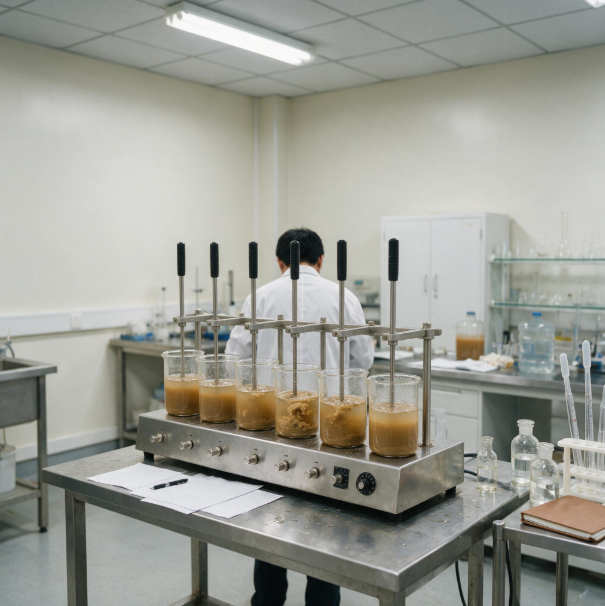
Securing a dependable, high-volume supply of processing chemicals is critical for maintaining uninterrupted industrial schedules and predictable cost structures. Feymer has established a robust manufacturing infrastructure dedicated to producing top-tier chemical solutions, including an advanced portfolio of a water soluble polymer designed for demanding global markets. Feymer operates state-of-the-art reaction vessels and automated polymerization lines that guarantee exceptional molecular weight control and batch-to-batch uniformity for every grade of a water soluble polymer. Industrial buyers choose Feymer because the company combines rigorous quality assurance laboratories with scalable production capacities, capable of fulfilling urgent bulk orders and customized formulations seamlessly. Furthermore, Feymer maintains a resilient global supply chain network, utilizing specialized logistics partners to ensure safe, moisture-protected delivery of a water soluble polymer to customer warehouses worldwide. Technical service representatives from Feymer work closely with end-users on-site, conducting thorough audits and jar tests to recommend the most cost-effective water soluble polymer for specific operational environments. This commitment to technical excellence and customer-centric support cements Feymer as a trusted global partner for industrial chemical consumers seeking long-term reliability and performance.
Sustainable Horizons and Future Industrial Adoption
Environmental stewardship and stringent regulatory frameworks are actively reshaping the future trajectory of industrial chemical manufacturing and consumption. Modern facilities increasingly demand a water soluble polymer that features low toxicity profiles, rapid biodegradability, and minimal environmental persistence after use. Researchers and chemical engineers continue to innovate, developing bio-based alternatives and modified structures of a water soluble polymer that align with circular economy principles and green chemistry standards. Life cycle assessments indicate that optimizing the dosage and application efficiency of a water soluble polymer significantly reduces overall carbon footprints across municipal and industrial treatment cycles. Plant managers aiming for net-zero carbon goals frequently collaborate with suppliers like Feymer to adopt concentrated formulations of a water soluble polymer, which lower shipping weights and reduce transportation-related emissions. Transparent reporting, comprehensive safety data sheets, and adherence to international quality management certifications ensure that industrial users can deploy a water soluble polymer with absolute confidence. As industrial technologies advance and global resource demands escalate, the strategic role of a high-performance water soluble polymer remains indispensable for sustainable economic growth and efficient resource management.

 EN
EN