Cationic Coagulant Solution | Wastewater Treatment Polymer

showlist/cationic-coagulant, showlist/cationic-coagulant, 
Inquiry
Inquiry
Premium Cationic Coagulant for Advanced Water Treatment Solutions

Premium Cationic Coagulant for Advanced Water Treatment Solutions

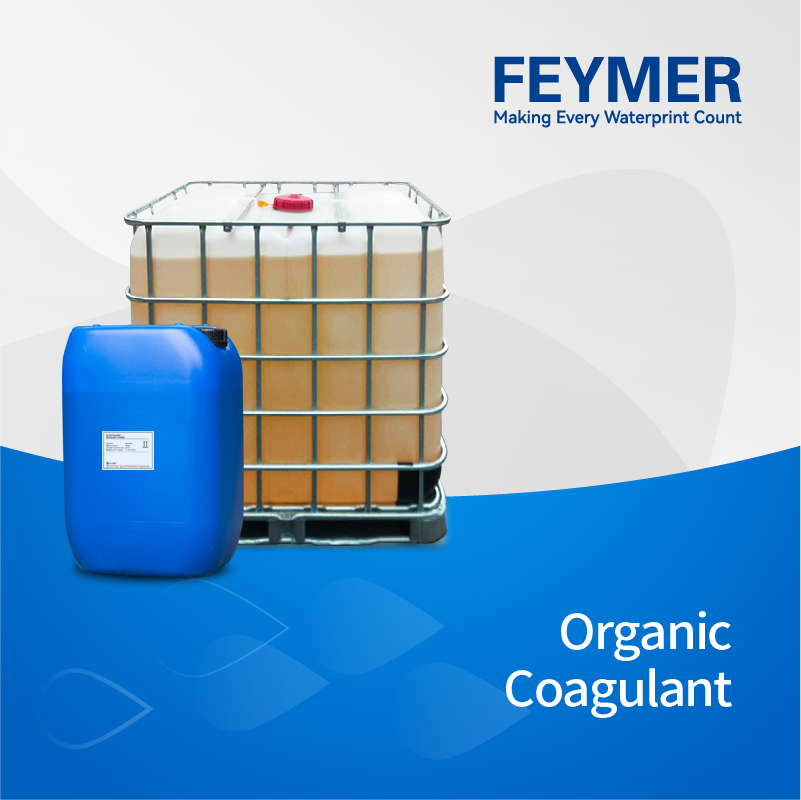
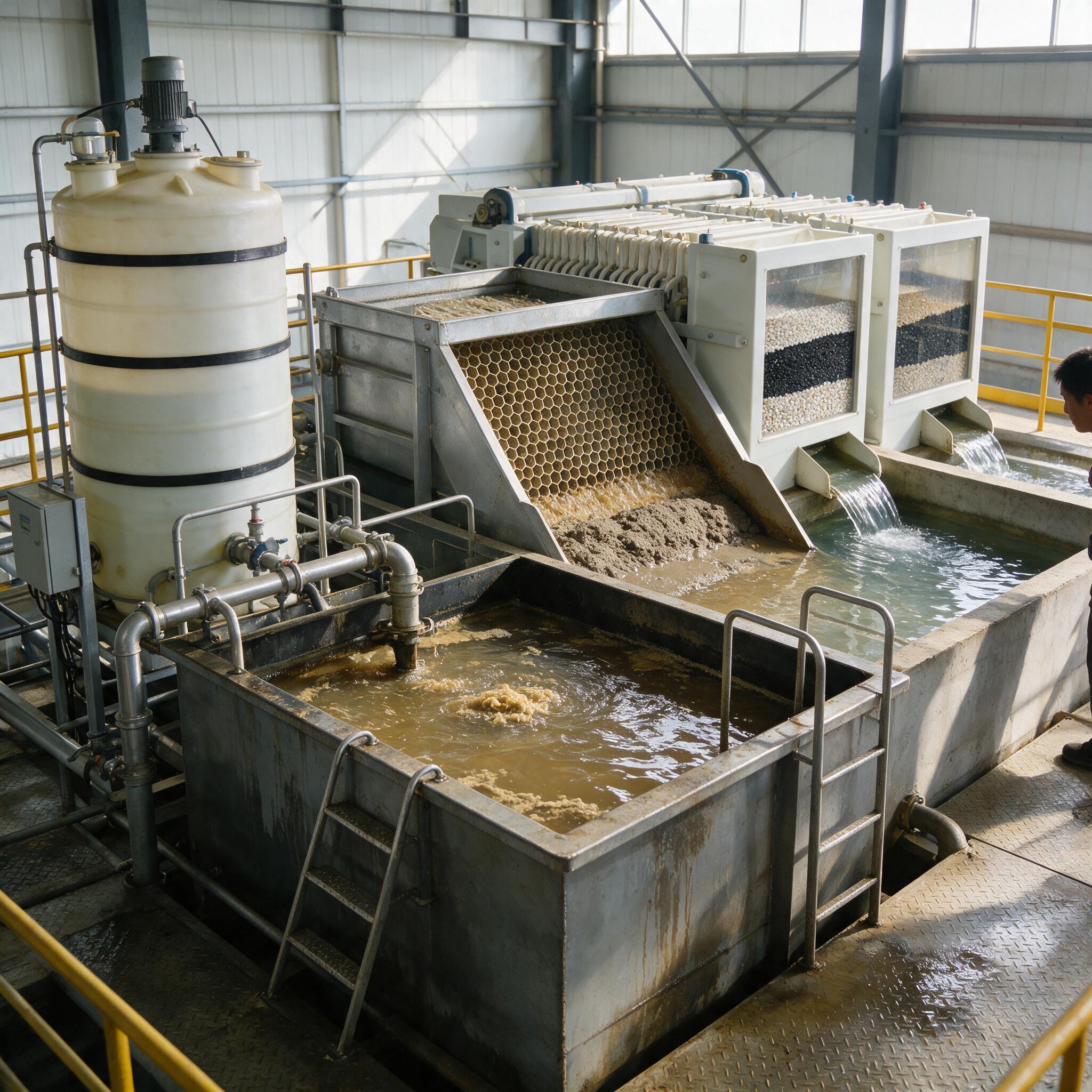
Our high-performance cationic coagulant is engineered specifically for municipal and industrial wastewater treatment plants seeking maximum efficiency in solid-liquid separation. By leveraging advanced polymer science, this exceptional chemical solution neutralizes negative charges on suspended particles, colloids, and organic matters rapidly, fostering the formation of dense, fast-settling micro-flocs. In municipal drinking water plants and demanding industrial sectors such as paper mills, textile manufacturing, and oil refineries, our cationic coagulant consistently reduces Chemical Oxygen Demand and Total Suspended Solids by up to 95 percent. Operating effectively across a broad pH range, it drastically minimizes sludge volume by 30 percent while accelerating dewatering cycles in belt presses and centrifuges.
Get A Quote

Advantages of the product

Superior Charge Neutralization and Rapid Flocculation Kinetics

Our cationic coagulant is uniquely formulated with a high charge density that delivers instantaneous charge neutralization upon injection into raw influent streams. In municipal wastewater treatment facilities handling variable daily flows, this rapid reaction initiates micro-floc formation within seconds, reducing the required mixing energy and footprint of the primary clarifiers. Real-world performance data from a major municipal plant processing 50,000 cubic meters daily demonstrated a 40 percent acceleration in settling velocity and a consistent 92 percent reduction in turbidity. By promoting robust, shear-resistant flocs, the polymer prevents shearing under high-turbulence pumping conditions, ensuring stable effluent quality even during peak hydraulic loading events. Furthermore, the advanced molecular architecture minimizes residual monomer content, making it safe for sensitive ecological discharge points and protecting downstream biological treatment units from chemical toxicity

Dramatic Sludge Volume Reduction and Enhanced Dewatering Efficiency

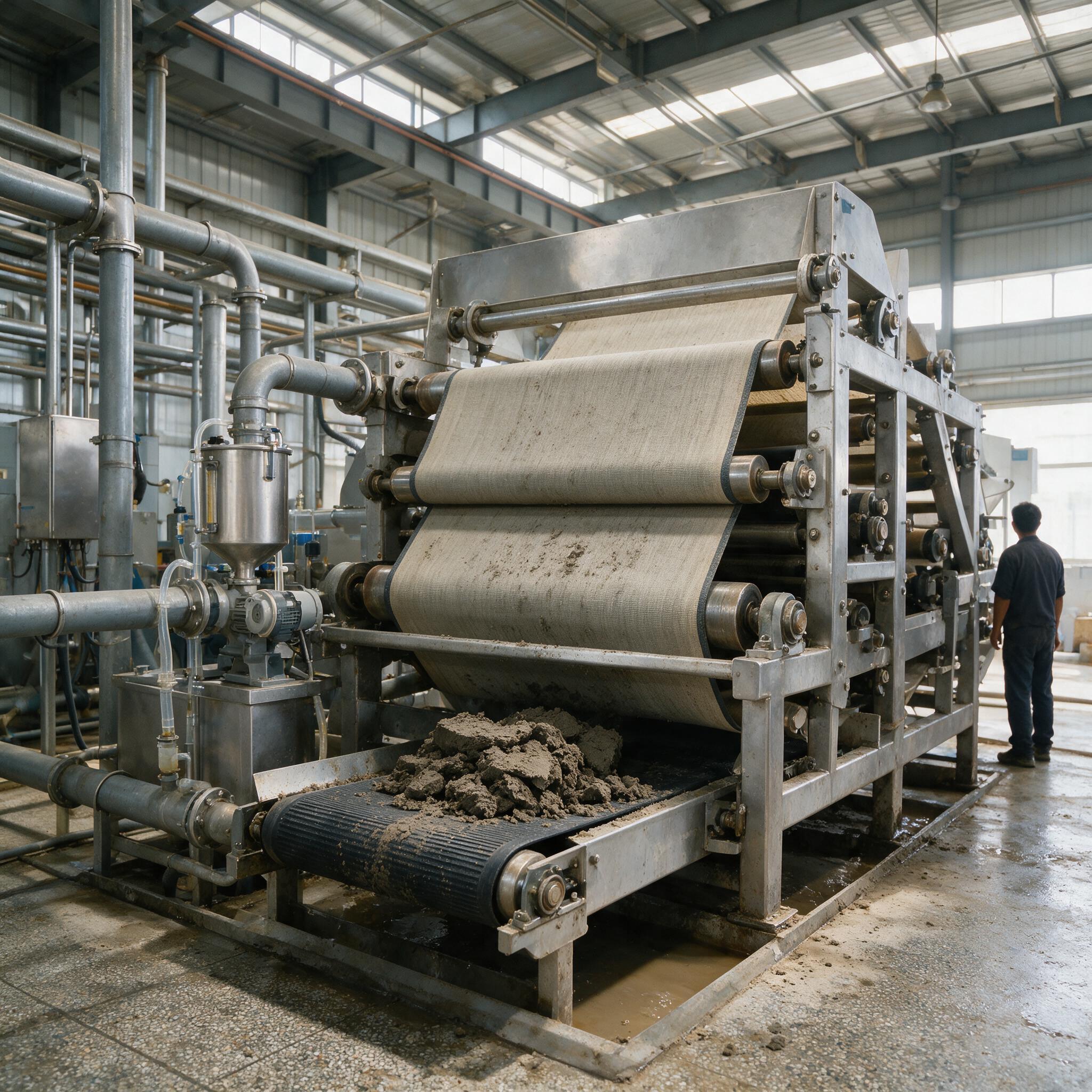
Sludge disposal represents one of the highest operational expenditures for modern industrial and municipal wastewater treatment plants. Our cationic coagulant addresses this critical pain point through deep matrix binding, which traps interstitial water more effectively than conventional inorganic coagulants like alum or ferric chloride. In a recent case study involving a large-scale textile dyeing facility in Southeast Asia, switching to our high-molecular-weight cationic coagulant reduced sludge cake moisture content from 82 percent down to 71 percent. This significant moisture reduction translated to a 35 percent decrease in external sludge hauling and landfill disposal costs. Additionally, the improved mechanical strength of the conditioned sludge allowed the plant to increase belt filter press throughput by 25 percent without requiring additional capital investment in dewatering equipment, delivering an immediate return on investment within the first quarter of continuous plant im

Broad pH Adaptability and Cost-Effective Dosage Optimization

Industrial wastewater streams often experience volatile pH fluctuations that disrupt traditional coagulation processes, leading to excessive chemical consumption and poor effluent clarity. Our cationic coagulant features a specialized stabilizing backbone that maintains peak performance across an exceptionally wide pH spectrum ranging from 4 to 10, eliminating the need for expensive secondary pH adjustment chemicals in most applications. In continuous operational trials conducted at a petroleum refinery experiencing oily wastewater inflows, our product maintained stable oil-water separation efficiency despite sudden acidic and alkaline surges. Because of its high molecular weight and targeted charge distribution, operators achieved optimal water clarification at dosage rates 25 percent lower than competing commercial polymers. This precise dosage requirement not only slashes daily chemical expenditure but also prevents membrane fouling in subsequent reverse osmosis systems, extending e

Frequently Questions

What makes your cationic coagulant superior to traditional inorganic coagulants like aluminum sulfate?

Our cationic coagulant offers vastly superior performance compared to traditional inorganic salts by operating at significantly lower dosage rates and producing considerably less sludge volume. While inorganic coagulants consume alkalinity and alter the pH of the water stream, our advanced polymer maintains stability across a wide pH range without requiring supplementary buffering agents. Furthermore, it creates larger, denser, and more shear-resistant flocs that settle rapidly in primary and secondary clarifiers. Field data from municipal water treatment facilities indicate a 35 to 50 percent reduction in overall chemical handling and sludge disposal costs when transitioning from alum to our high-efficiency cationic formulation, delivering both environmental and economic benefits for large-scale industrial operations.
Determining the precise dosage requires a standard jar test simulating your facility's rapid mix, slow mix, and sedimentation stages. Our technical support team provides comprehensive dosing guidelines and can assist your plant engineers in executing customized jar testing protocols using representative influent samples. Generally, optimal dosage ranges from 1 to 10 mg/L depending on raw water turbidity, organic load, and total suspended solids concentration. Automated streaming current monitors or online photometric sensors can also be integrated into your dosing skids to provide real-time feedback adjustment, ensuring the polymer feed rate adapts dynamically to fluctuations in incoming water quality without overdosing or underdosing.

Related article

Precautions for Flocculant Storage and Dosing

24

Aug

Precautions for Flocculant Storage and Dosing

Discover essential best practices for flocculant storage, dissolution, and precision dosing to reduce costs. Expert manufacturing and supply by Feymer.
View More
How to Select Reliable Water Treatment Chemicals?

19

Aug

How to Select Reliable Water Treatment Chemicals?

Discover essential criteria for selecting water treatment chemicals to optimize system efficiency, reduce costs, and ensure compliance.
View More
Anionic Polyacrylamide for Mineral Tailings

19

Aug

Anionic Polyacrylamide for Mineral Tailings

Discover how high-performance anionic polyacrylamide optimizes tailings dewatering for mines. Improve efficiency and sustainability with Feymer solutions.
View More

Customer Testimonials

David Miller
Exceptional Sludge Reduction and Superb Water Clarity

Implementing Feymer Tech's cationic coagulant transformed our paper mill's wastewater treatment efficiency. We observed an immediate 40 percent drop in effluent turbidity and successfully decreased our annual sludge disposal volume by nearly 35 percent. The polymer dissolves rapidly without clogging our automated dosing skids, and their technical support team helped us optimize our feed rates within the first week of installation. It is an outstanding, reliable product for heavy industrial applications.

Elena Rostova
Reliable Performance Under Variable Influent Conditions

Our municipal water facility treats highly fluctuating runoff streams, which previously caused severe operational headaches and frequent chemical adjustments. Since switching to this advanced cationic coagulant, our clarification process has remained remarkably stable despite heavy rain events and sudden pH surges. We have reduced our overall polymer consumption by 20 percent while achieving consistent compliance with strict environmental discharge limits.

Get a Free Quote

Our representative will contact you soon.
0/1000
Advanced High-Charge Density Polymer Architecture for Instantaneous Particle Agglomeration

Advanced High-Charge Density Polymer Architecture for Instantaneous Particle Agglomeration

Our cationic coagulant is engineered utilizing cutting-edge macromolecular synthesis that maximizes positive charge density along the polymer backbone, enabling instantaneous electrostatic attraction and charge neutralization of negatively charged colloidal particles, microscopic organic impurities, and suspended solids in raw influent streams. In high-throughput industrial and municipal water treatment plants, this unique molecular structure eliminates the sluggish reaction times commonly associated with conventional low-grade polymers, initiating micro-floc formation within milliseconds of injection. Comprehensive pilot plant trials and commercial deployments have demonstrated that this rapid kinetics reduces the required hydraulic retention time in primary sedimentation basins by up to 35 percent, allowing facilities to increase overall hydraulic throughput without expanding physical basin footprints.
Proprietary Viscosity Stabilization Technology for Seamless Automated Dosing Compatibility

Proprietary Viscosity Stabilization Technology for Seamless Automated Dosing Compatibility

Maintaining consistent chemical feed rates in automated wastewater treatment plants is critical for preventing overdosing, chemical waste, and effluent quality spikes. Our cationic coagulant incorporates a proprietary viscosity stabilization formulation that ensures smooth, uniform fluid dynamics across a broad spectrum of ambient operating temperatures and storage durations, preventing the formation of troublesome gel lumps or pipeline blockages that plague inferior commercial polymers. Plant engineers operating large-scale industrial effluent systems have reported seamless integration with existing progressive cavity pumps, diaphragm dosing systems, and automated inline static mixers. The precise fluid behavior guarantees accurate volumetric and mass flow control, translating to a 20 percent reduction in chemical wastage and eliminating the labor-intensive maintenance interventions typically required to clear choked injection nozzles.