Essential Best Practices for Flocculant Handling and Operational Safety
Managing chemical additives in heavy industrial plants requires meticulous attention to detail, especially when dealing with high-performance water treatment chemicals. Across municipal wastewater facilities and large-scale mineral processing plants, achieving optimal solid-liquid separation depends heavily on how chemical products are managed before they ever touch a slurry stream. When a facility experiences unexpected drops in clarification efficiency or sudden spikes in chemical consumption, the root cause frequently traces back to improper storage or faulty dosing practices rather than a flaw in the product itself. Implementing rigorous standard operating procedures for every stage of chemical handling ensures that the active polymer chains remain intact, delivering maximum bridging efficiency. Operators who master these practical nuances consistently protect their equipment, stabilize facility throughput, and maximize the return on their chemical investments through superior flocculant management.
Storage Environment and Moisture Control Principles
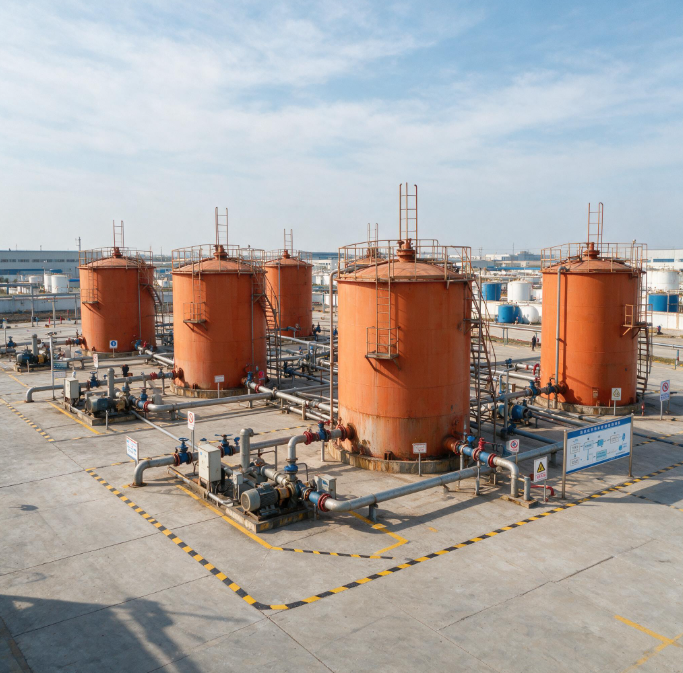
Protecting dry chemical powders from environmental degradation starts the moment shipments arrive at the warehouse. High-performance polymer products are inherently hygroscopic, meaning they absorb atmospheric moisture rapidly if left unprotected, which leads to severe caking and partial dissolution before use. Facility managers must store these materials in cool, dry, well-ventilated areas, elevating pallets off concrete floors to prevent moisture migration. Maintaining stable ambient temperatures and sealing opened bags immediately after extraction prevents atmospheric humidity from compromising product integrity. Field observations indicate that failing to control warehouse humidity can reduce effective polymer potency by over twenty percent within weeks of exposure. By enforcing strict inventory rotation and weather-proof storage guidelines, plants prevent costly product loss and ensure that every batch of flocculant performs at its peak potential from the moment it is opened. Furthermore, regular warehouse audits ensure that packaging remains sealed and dry, protecting the long-term integrity of the stored flocculant inventory.
Dissolution Kinetics and Solution Aging Protocols
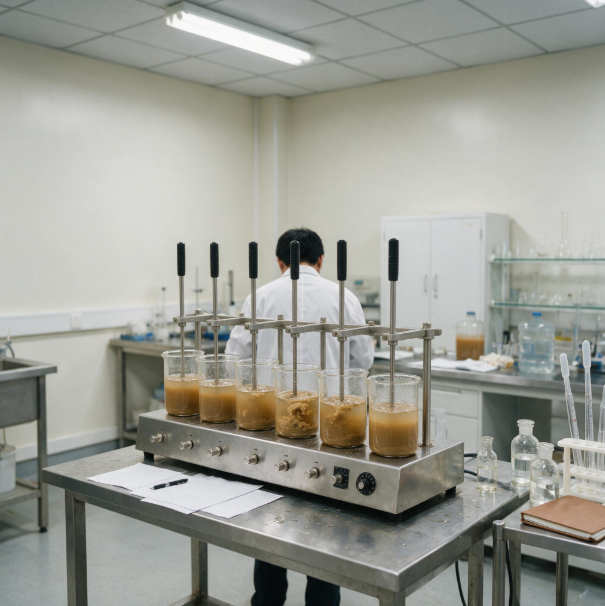
Transforming dry powder into a fully activated liquid solution requires precise control over dissolution kinetics, shear forces, and aging durations. The long-chain molecules characteristic of modern flocculant formulations require adequate time and gentle agitation to uncoil completely without breaking. Introducing powder too quickly into turbulent water causes fish-eyes—partially dissolved lumps with a gummy exterior and dry interior—which severely obstruct dosing pumps and reduce overall active surface area. Industrial guidelines recommend utilizing automated wetting and feeding systems that disperse particles evenly into a vortex of clean water. Following dispersion, allowing the solution to age for a designated period ensures complete chain extension and maximum hydrodynamic volume. Engineers who adhere to these scientific protocols eliminate waste, protect downstream equipment from clogs, and guarantee consistent flocculation performance across every operational cycle. Maintaining consistent water temperature during preparation further prevents premature thermal degradation of the active flocculant chains.
Precision Dosing Strategies and System Optimization
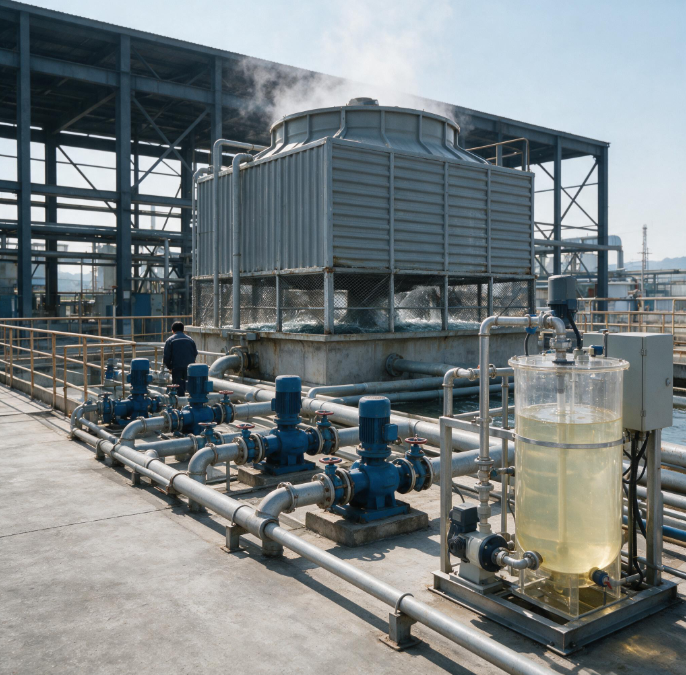
Once the solution is fully prepared, executing precise dosing into the process stream is critical for achieving desired separation outcomes. Over-dosing not only wastes expensive chemistry but can also cause restabilization of suspended particles, leading to increased turbidity and filter blinding. Conversely, under-dosing leaves fine particulate matter suspended, dragging down overall throughput in thickeners and dewatering units. Plant operators must calibrate metering pumps regularly and utilize automated feedback loops tied to turbidity sensors or solid analyzers to adjust feed rates dynamically. Field data from various industrial processing sites show that optimizing the injection point and ensuring turbulent mixing right at the feed well significantly enhances agglomeration. By fine-tuning these operational parameters, facilities achieve superior underflow density, clearer overflow, and a streamlined dewatering process that relies heavily on accurate flocculant injection.
Economic Value and Quantitative Efficiency Analysis
Maintaining rigorous control over chemical storage and application yields substantial economic benefits that directly impact the bottom line. Industrial data gathered from numerous heavy-duty processing plants demonstrate that eliminating handling errors and optimizing dosing accuracy can reduce total flocculant consumption by up to fifteen percent. In practical terms, this reduction translates to significant annual savings on chemical expenditures while simultaneously lowering waste disposal volumes. Furthermore, preventing equipment clogs and reducing mechanical wear on pumps and valves leads to fewer unscheduled maintenance shutdowns. These empirical findings prove that investing time in proper operational training and procedural discipline pays massive dividends, transforming routine flocculant management into a powerful engine for sustained profitability and operational excellence. Documenting these operational metrics over multiple quarters helps engineering teams justify continuous improvement budgets.
Feymer Manufacturing Excellence and Supply Chain Reliability
Achieving sustained success in industrial production requires more than superior chemical formulations; it demands a resilient supply chain and dedicated technical partnership. Feymer stands as a trusted global manufacturer, delivering premium flocculant solutions tailored to the exacting demands of international clients across diverse processing industries. With state-of-the-art production infrastructure, rigorous quality control laboratories, and agile logistics networks, Feymer ensures a consistent, high-purity supply of flocculant to facilities worldwide. The expert technical support team at Feymer collaborates closely with plant engineers to optimize dosing systems, troubleshoot complex separation challenges, and drive continuous performance improvements. By choosing Feymer, global enterprises secure a dependable partner dedicated to enhancing operational efficiency, minimizing environmental impact, and delivering long-term value through advanced flocculant technologies.

 EN
EN