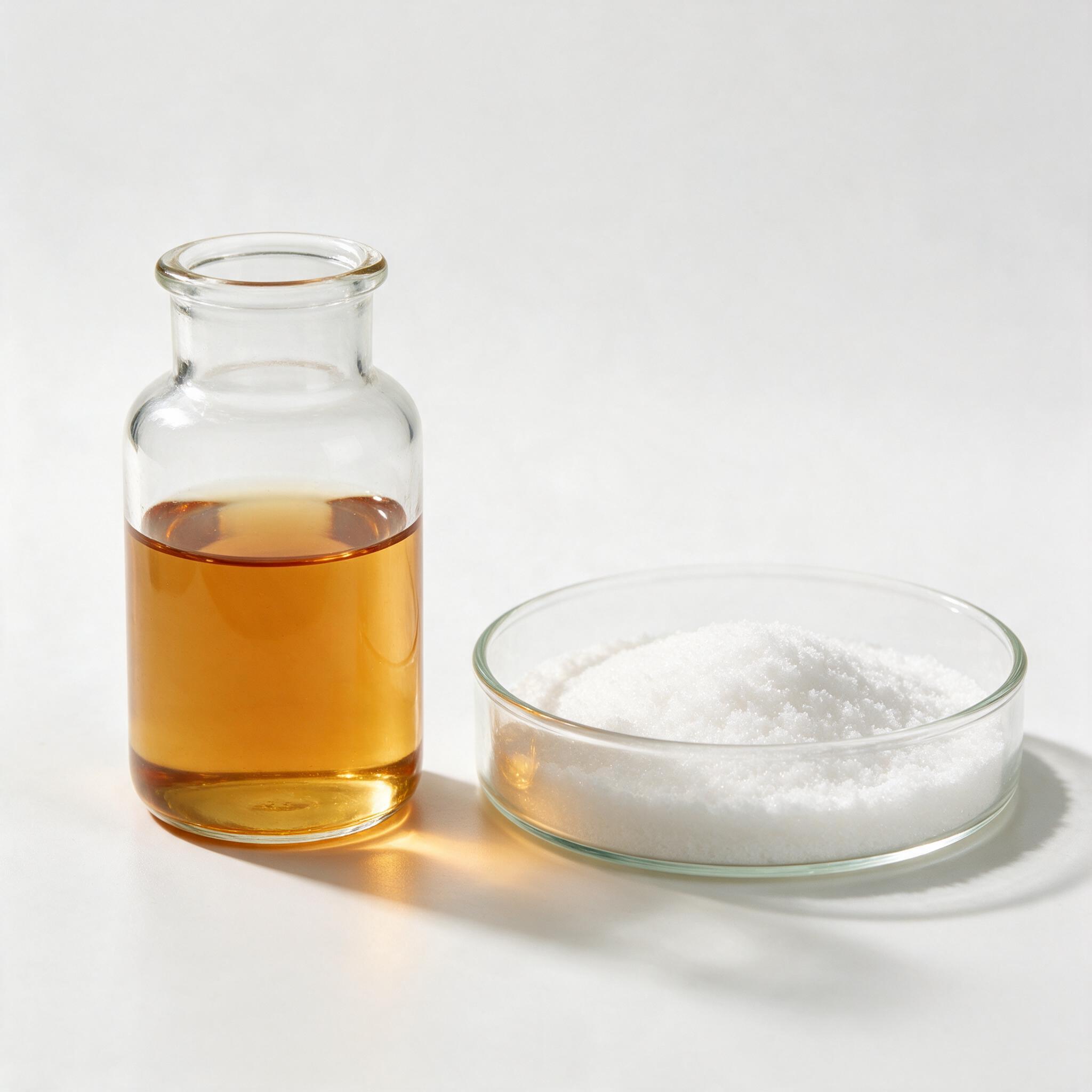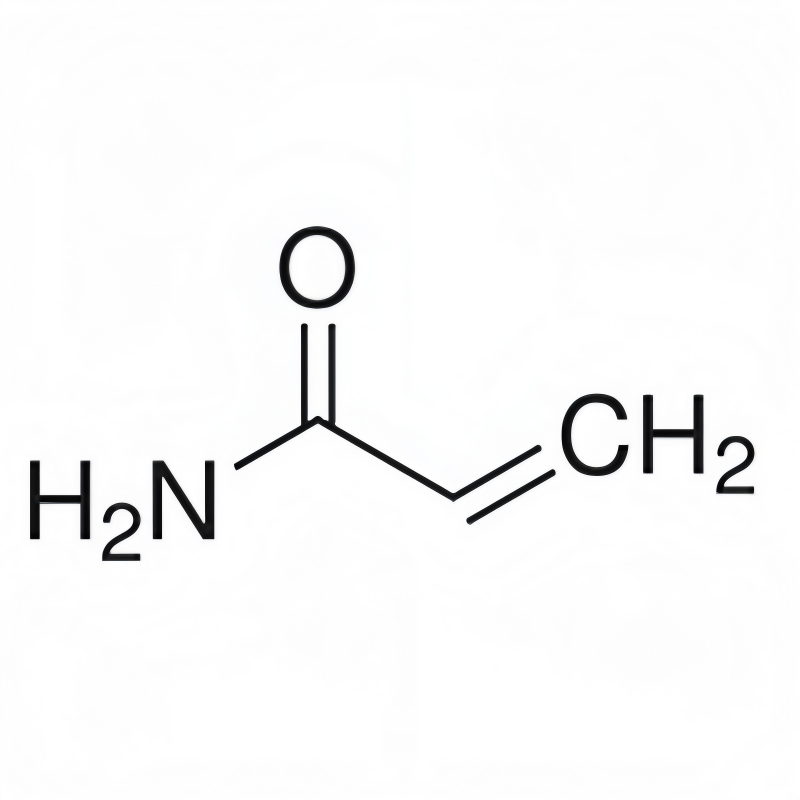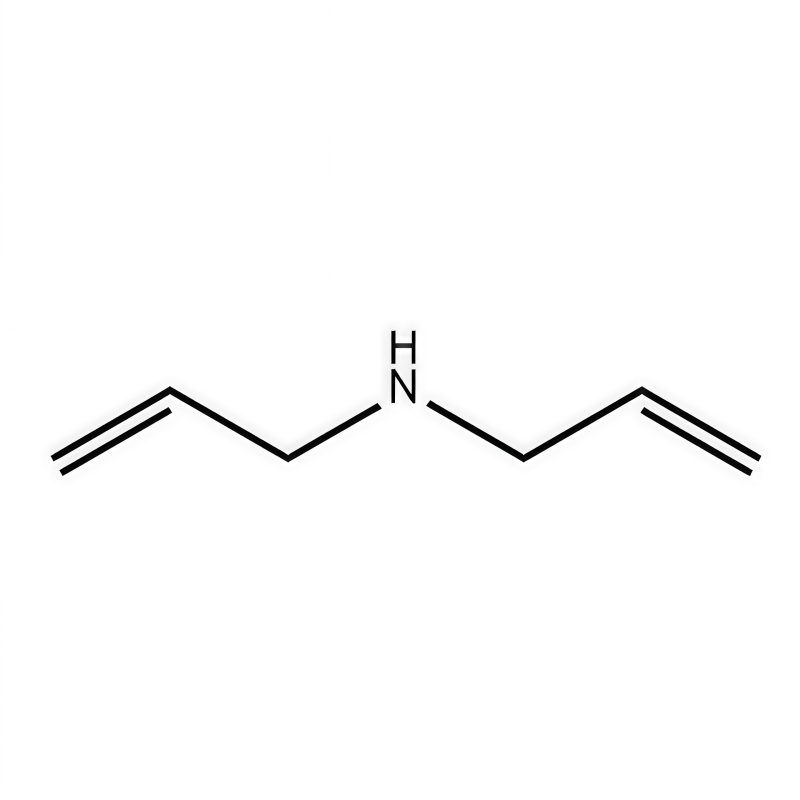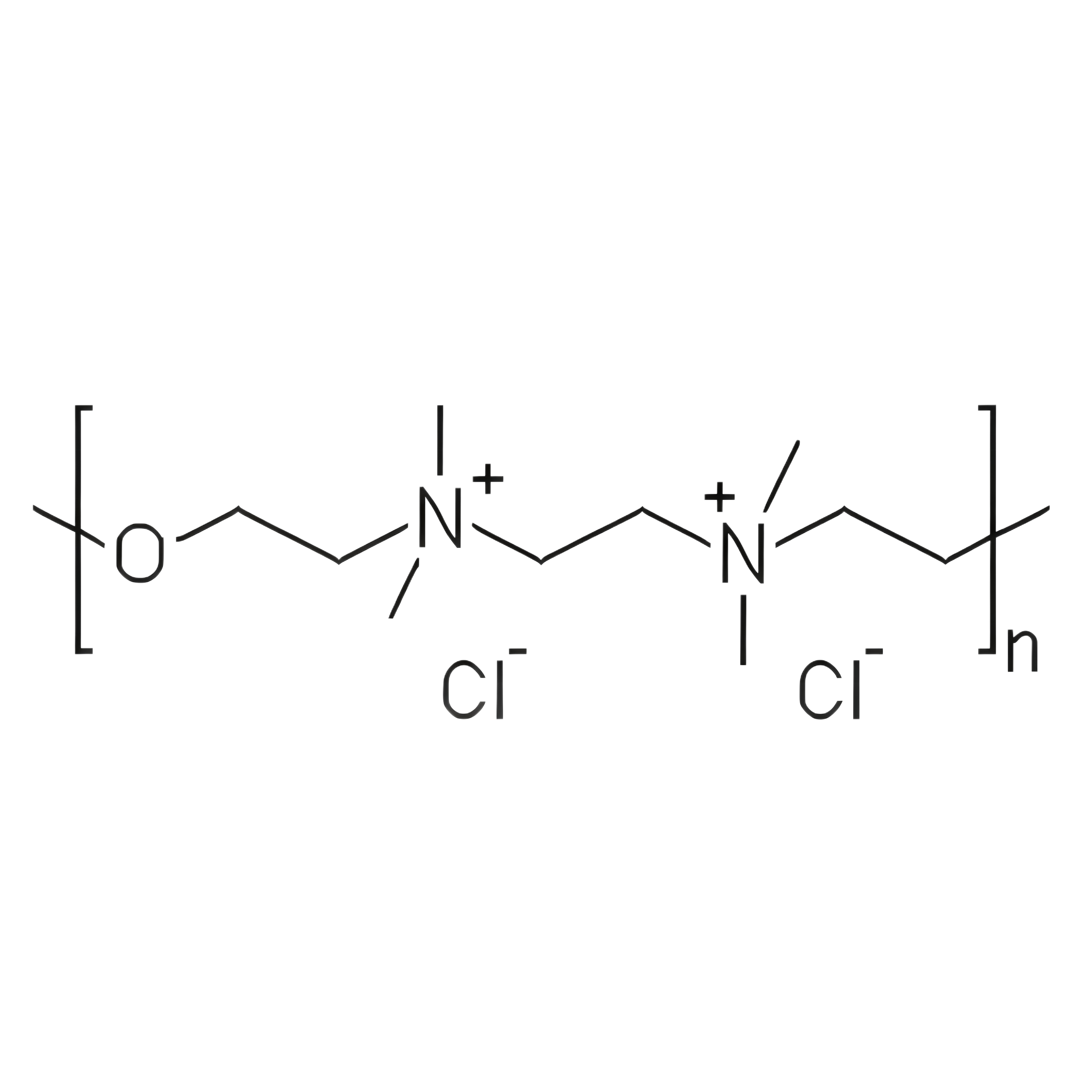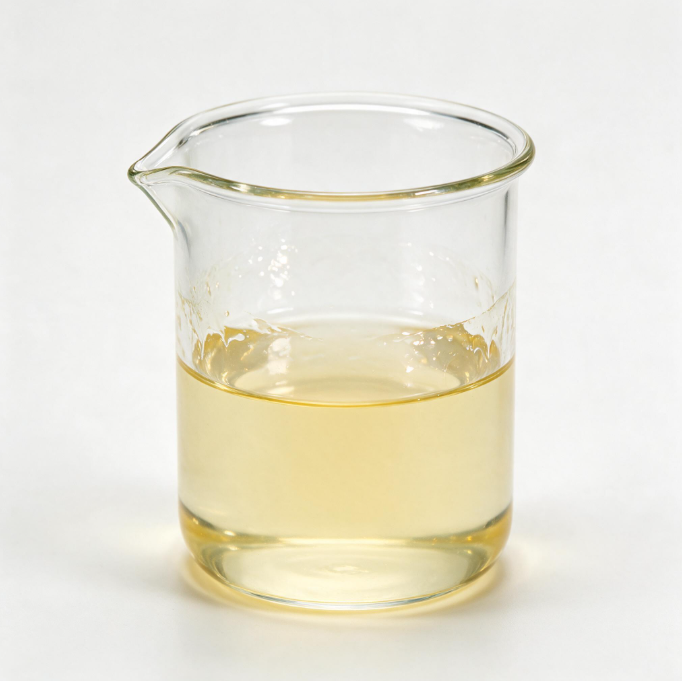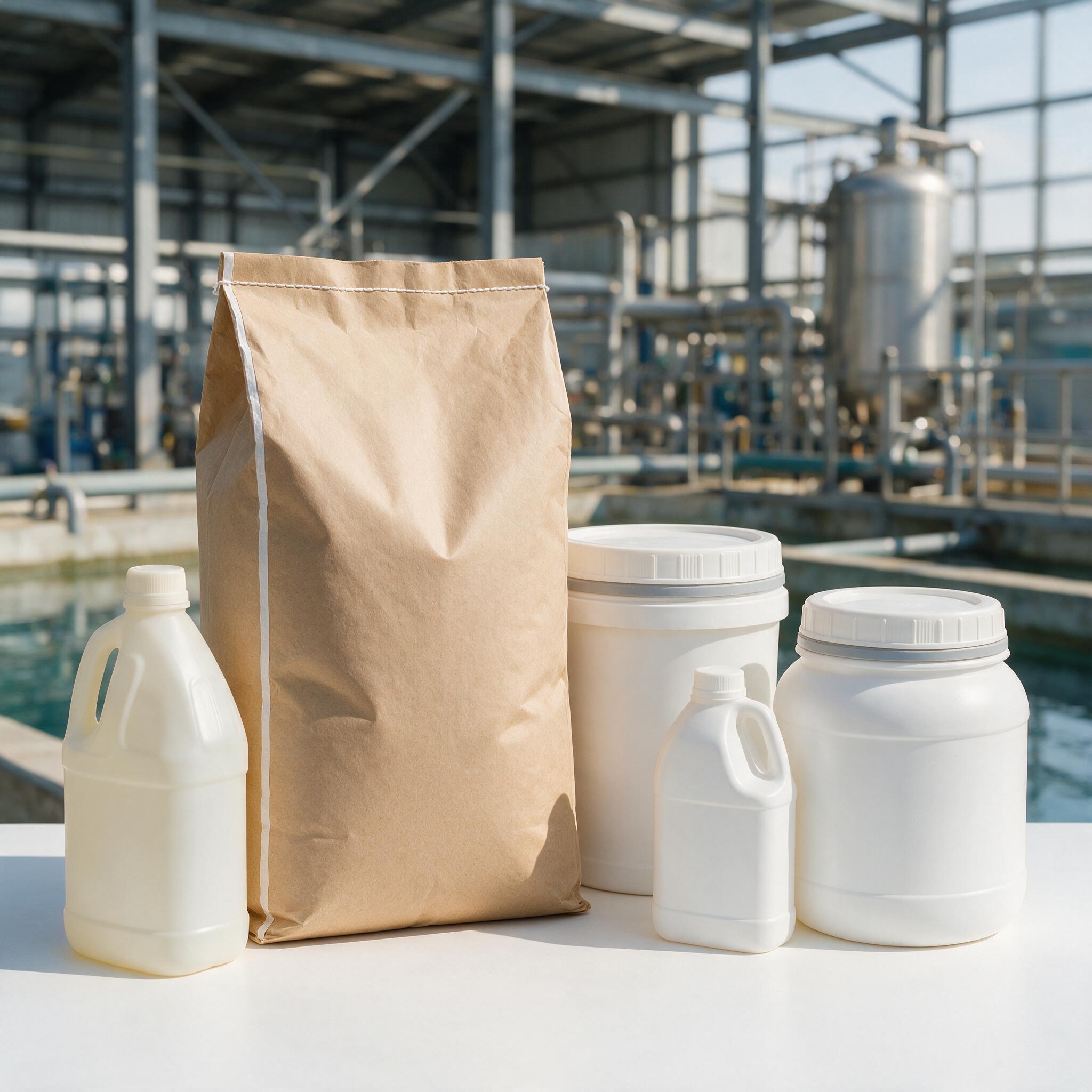
Water coagulant chemicals play a pivotal role in modern water treatment systems, serving as the first line of defense against contaminants that compromise water clarity and safety. These chemicals induce coagulation, a process where destabilized particles aggregate into larger flocs that can be easily removed by sedimentation or filtration. The selection of an appropriate coagulant is critical, as it directly impacts treatment efficiency, water quality, and operational costs. Among the various types available, organic polymeric coagulants, such as polyDADMAC and polyamine, have gained prominence due to their high efficacy across a broad pH range, lower sludge production, and reduced sensitivity to water temperature compared to traditional inorganic salts. These polymers function by neutralizing the negative surface charges of suspended particles, promoting van der Waals attraction and bridging mechanisms that lead to rapid floc formation.