Paper Making PDAC | Wet-End Retention Aid

showlist/paper-making-pdac, showlist/paper-making-pdac, 
Inquiry
Inquiry
Sustainable Paper Making PDAC Solutions | Feymer

Sustainable Paper Making PDAC Solutions | Feymer

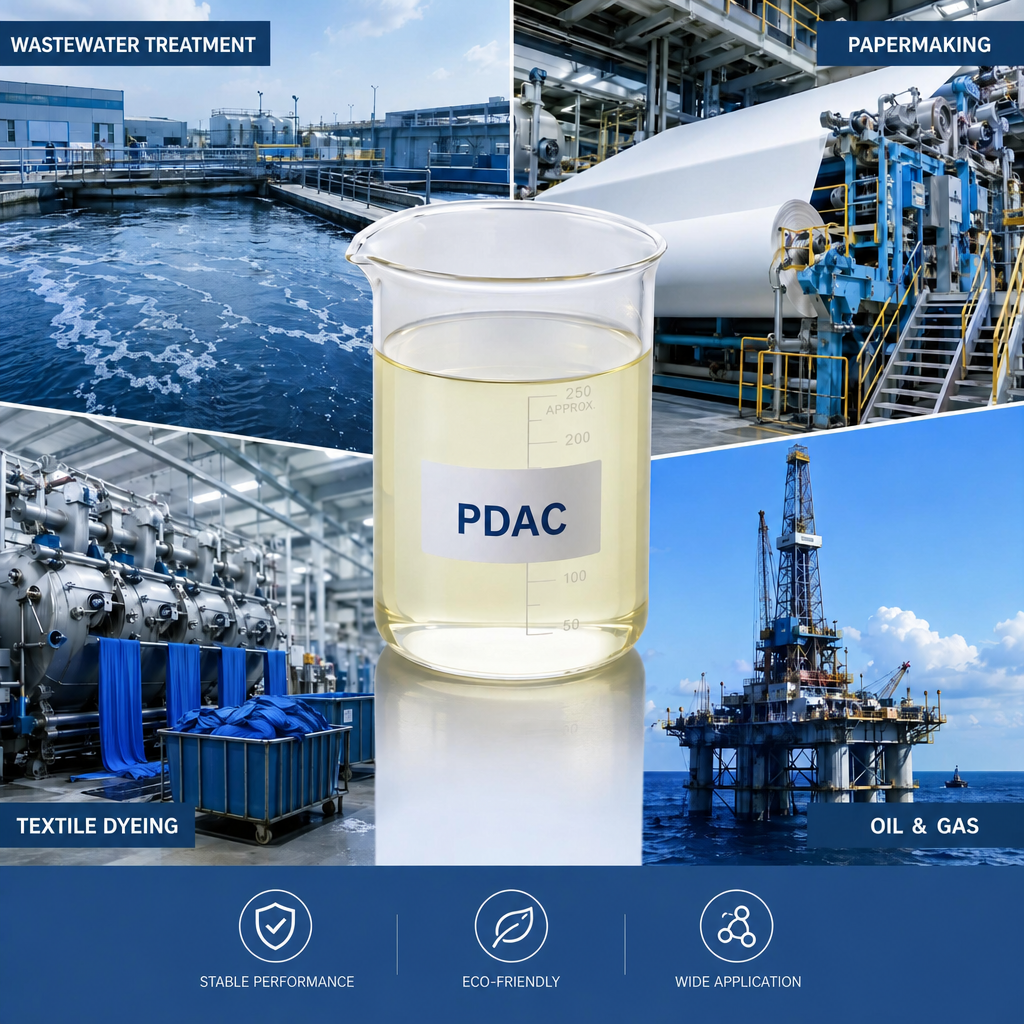
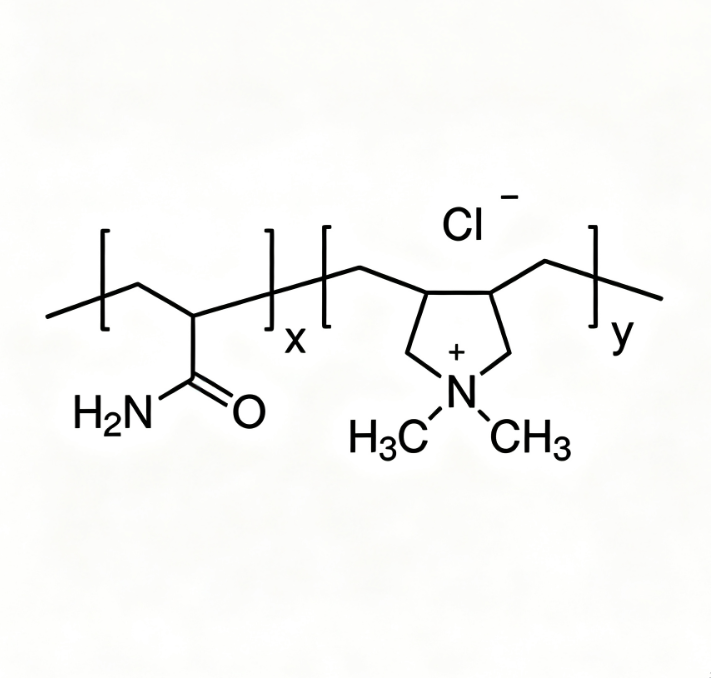
Discover advanced paper making PDAC solutions from Jiangsu Feymer Technology. As a leading manufacturer, we engineer high-performance Polydiallyldimethylammonium chloride polymers designed to optimize wet-end chemistry, enhance retention, and improve drainage across modern paper mills. Our specialized paper making PDAC effectively neutralizes anionic trash, increases machine speed, and reduces raw material loss by up to 20% while minimizing environmental impact. Backed by state-of-the-art manufacturing bases and AI-empowered water monitoring systems, we ensure batch-to-batch consistency and a reliable supply chain. Partner with our expert technical team to customize polymer formulations that elevate paper quality, reduce downtime, and achieve your mill's sustainability goals.
Get A Quote

Advantages of the product

High Charge Density for Superior Retention

Our paper making PDAC features high cationic charge density for effective neutralization of anionic trash. It enhances filler and fiber retention, improves drainage rates on the wire, and allows faster machine speeds while reducing raw material costs and operational downtime globally.

Versatile Application Across Paper Grades

Unlike standard aids, our paper making PDAC caters to packaging boards, tissue, and fine papers. It improves softness, absorbency, and water resistance, stabilizing wet-end chemistry and ensuring consistent quality across various machine configurations and furnish types.

Strong Fixation of Anionic Impurities

Our paper making PDAC acts as an effective fixative against pitch and stickies, binding hydrophobic contaminants to fibers. This reduces web breaks, cleans machine surfaces, lowers effluent COD load, and supports sustainable water recycling in mills.

Paper making PDAC is vital in modern pulp and paper manufacturing, serving as a cationic retention and drainage aid that neutralizes anionic contaminants. Feymer optimizes polymer architecture to deliver high charge density, improving wet-end stability, enhancing first-pass retention, and reducing energy consumption during sheet drying across global mills.

Frequently Questions

How does Paper Making PDAC improve recycled fiber processing?

Paper making PDAC neutralizes anionic dissolved and colloidal substances (DCS) found in recycled fibers, preventing them from interfering with wet-end additives and promoting aggregation with fibers to ensure stable machine operations.
Dosages generally range from 0.5 to 3 kg of active paper making PDAC per ton of paper produced, determined through wet-end charge demand testing and trial adjustments to maximize performance.

Related Articles

Anionic PAM Flocculant for Mineral Tailings Sedimentation

20

Jul

Anionic PAM Flocculant for Mineral Tailings Sedimentation

Improve mineral tailings sedimentation with high-performance anionic PAM. Feymer offers optimized flocculant solutions for efficient mining water recovery.
View More
When to Apply Oilfield Chemicals Efficiently?

31

Jul

When to Apply Oilfield Chemicals Efficiently?

Discover when to apply oilfield chemicals efficiently to maximize extraction. Feymer provides advanced polymer solutions for oil and gas operations.
View More
What Are DADMAC Applications in Industry?

20

Sep

What Are DADMAC Applications in Industry?

Explore key dadmac applications in water treatment, papermaking, and textiles. Discover how high-purity diallyldimethylammonium chloride boosts efficiency.
View More

Customer Testimonials

Flem Coffman
Enhanced Retention and Cleaner Operations

After integrating Feymer’s paper making PDAC, our first-pass retention improved by 22%, reducing fiber consumption by 3%. Drainage became faster, increasing machine speed by 5%. Stickies deposits disappeared, and cleaning downtime dropped by 60% with outstanding technical support.

Eunice Cason
Versatile and Cost-Effective Solution

Switching to Feymer’s paper making PDAC significantly reduced dusting in our tissue mill while improving softness and absorbency. It replaced expensive fixatives and retention aids, lowered chemical costs by 15%, and cut wastewater sludge generation by 30%.

Get a Free Quote

Our representative will contact you soon.
0/1000
AI-Empowered Process Optimization

AI-Empowered Process Optimization

At Feymer, we go beyond just delivering chemicals; we offer intelligent solutions. Our AI-empowered monitoring systems can be integrated with your paper machine to provide real-time analysis of essential parameters like pH, conductivity, charge demand, and turbidity. By analyzing this data with our proprietary algorithms, we can predict the optimal paper making PDAC dosage you need at any given moment, adjusting to fluctuations in raw material quality or process conditions. This ensures that you always use the right amount of polymer, maximizing retention and drainage, preventing over- or under-dosing, and ultimately saving you money. The predictive capabilities allow for early detection of potential wet-end issues, enabling corrective actions before they result in paper defects or machine stoppages. Our team continuously refines the AI models using data collected from numerous mills across diverse applications, ensuring robust performance. F
Customized Product Design for Specific Paper Applications

Customized Product Design for Specific Paper Applications

No two paper mills are the same; therefore, one-size-fits-all retention aids are a thing of the past. Feymer’s R&D team is capable of designing paper making PDAC products tailored to the unique requirements of your paper grade and process. We consider factors such as ionic strength, pH range, type of furnish (e.g., virgin kraft, recycled, chemi-thermo-mechanical pulp), mechanical force settings, and desired paper properties. For example, for mills producing high-brightness printing papers, we can synthesize PDAC with lower molecular weight to minimize any potential yellowing, while maximizing filler retention without compromising formation. In contrast, for packaging paper requiring high dry strength, we can develop a high-charge, high-molecular-weight grade that enhances inter-fiber bonding and water resistance. Our lab-scale paper machine and dynamic drainage jar allow us to simulate your process conditions and test different polymer architectures before scaling up to production.