The Strategic Importance of Timing in Petroleum Extraction
Operating modern oil and gas extraction facilities requires precise timing, advanced technical know-how, and strict cost management across every single phase of exploration and production. Downhole environments are notoriously complex, subject to intense pressures, fluctuating downhole temperatures, and aggressive corrosive fluids that can rapidly degrade drilling equipment and choke production rates. To protect corporate assets and maximize reservoir output, upstream operators rely heavily on the deployment of specialized oilfield chemicals throughout the well lifecycle. However, introducing these powerful chemical agents without a clear timing strategy often leads to wasted resources, reduced efficiency, and unnecessary operational expenses. Knowing exactly when to apply oilfield chemicals is the definitive factor that separates a successful, high-yielding asset from a costly, underperforming drilling campaign, ensuring long-term profitability in competitive global energy markets. Comprehensive operational audits across multiple international drilling sites consistently reveal that timing optimization prevents millions of dollars in unexpected remediation costs, making proactive chemical management an indispensable pillar of modern petroleum engineering and corporate financial success.
Pre-Drilling and Spudding Phase Chemical Deployment
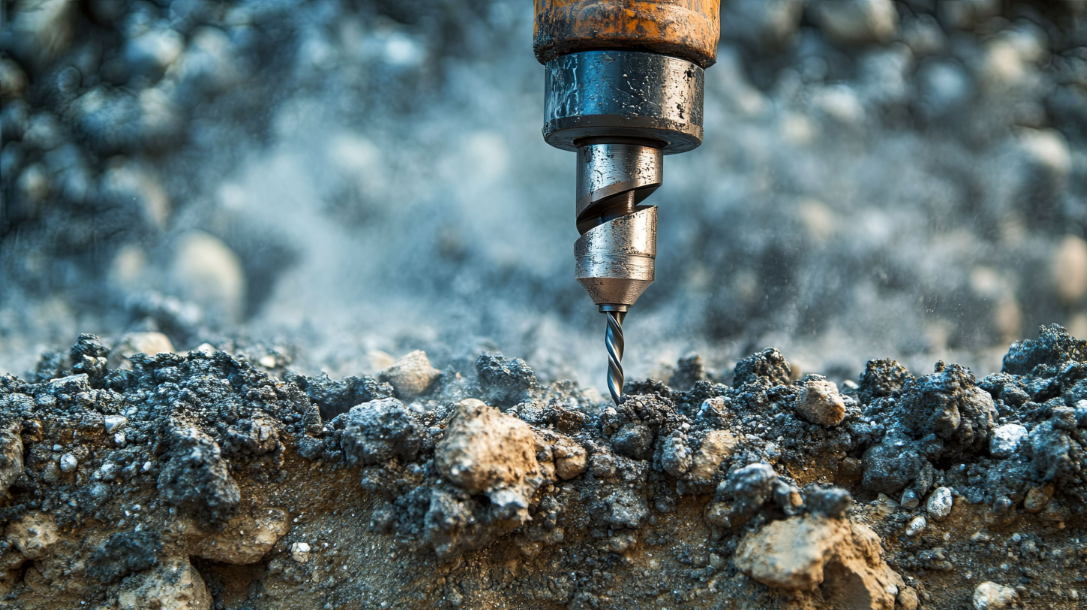
The foundation for a successful wellbore is established long before the drill bit ever touches the deep rock formations, making the pre-drilling and spudding phase a critical window for operational intervention. During this initial stage, field engineers must prepare high-performance drilling fluids designed to stabilize fragile geological strata, cool rapidly rotating bits, and transport rock cuttings efficiently to the surface. Introducing specialized oilfield chemicals right at the mixing stage ensures that mud rheology remains perfectly balanced, preventing costly borehole collapses, lost circulation, and stuck pipe incidents. Field operational data indicates that proactive treatment of drilling fluids during the spudding phase can reduce overall non-productive time by over 25 percent, establishing a smooth, stable trajectory for the entire drilling program while safeguarding expensive downhole equipment from premature wear and mechanical failure. Furthermore, early chemical stabilization significantly minimizes environmental risks by preventing drilling fluid seepage into surrounding permeable formations, thereby meeting strict regulatory compliance frameworks demanded by global environmental protection agencies.
Drilling and Completion Phase Optimization Tactics
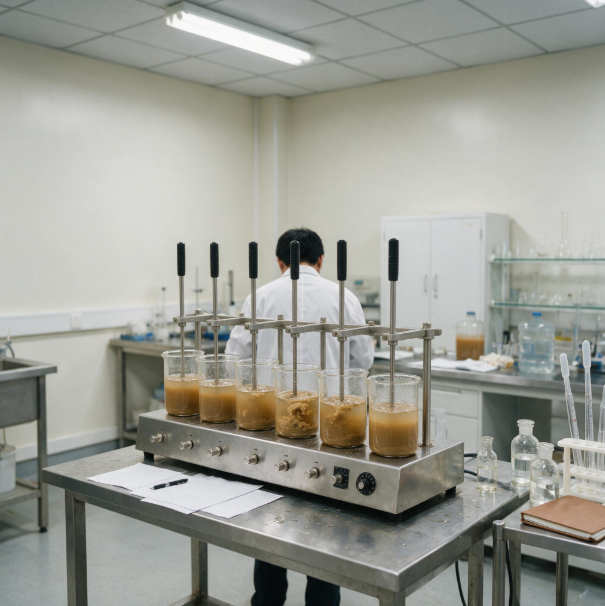
As drilling operations advance deeper into high-pressure, high-temperature formations, the operational challenges multiply exponentially, requiring continuous chemical intervention to maintain wellbore stability. During this demanding phase, oilfield chemicals act as the primary defense against shale swelling, fluid filtration loss, and formation damage. Operators must apply shale inhibitors, fluid loss control agents, and lubricants precisely when shifting through reactive clay zones to prevent catastrophic wall sloughing and borehole enlargement. Furthermore, transitioning smoothly into the completion phase demands specialized friction reducers and clay stabilizers to prepare the wellbore for successful casing and cementing operations. Industry benchmarks and expert technical analyses confirm that timely and accurate application of oilfield chemicals during drilling and completion prevents costly remediation work, protecting the structural integrity and long-term productivity profile of the asset. Extensive laboratory testing combined with rigorous field trials demonstrates that precise dosage control during this window enhances bond logs, reduces fluid invasion, and significantly boosts the ultimate recovery potential of the wellbore from day one of production operations.
Production Enhancement and Enhanced Oil Recovery Strategies
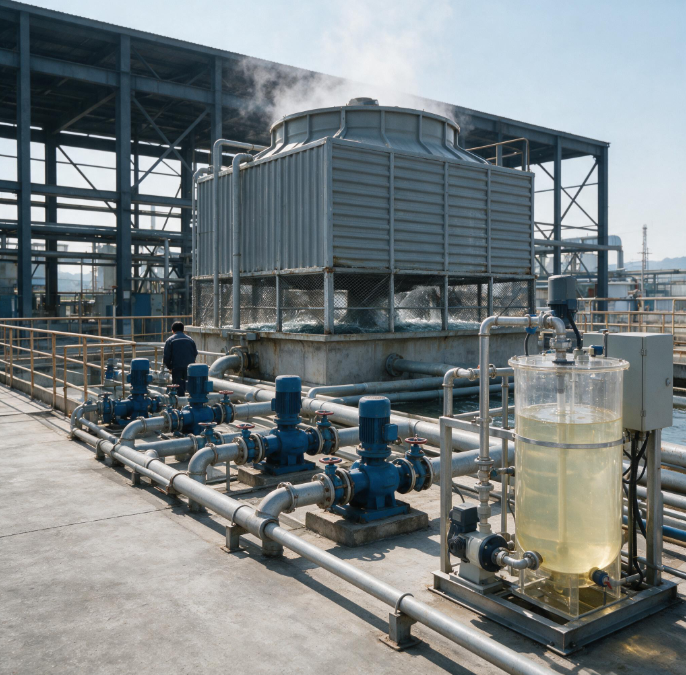
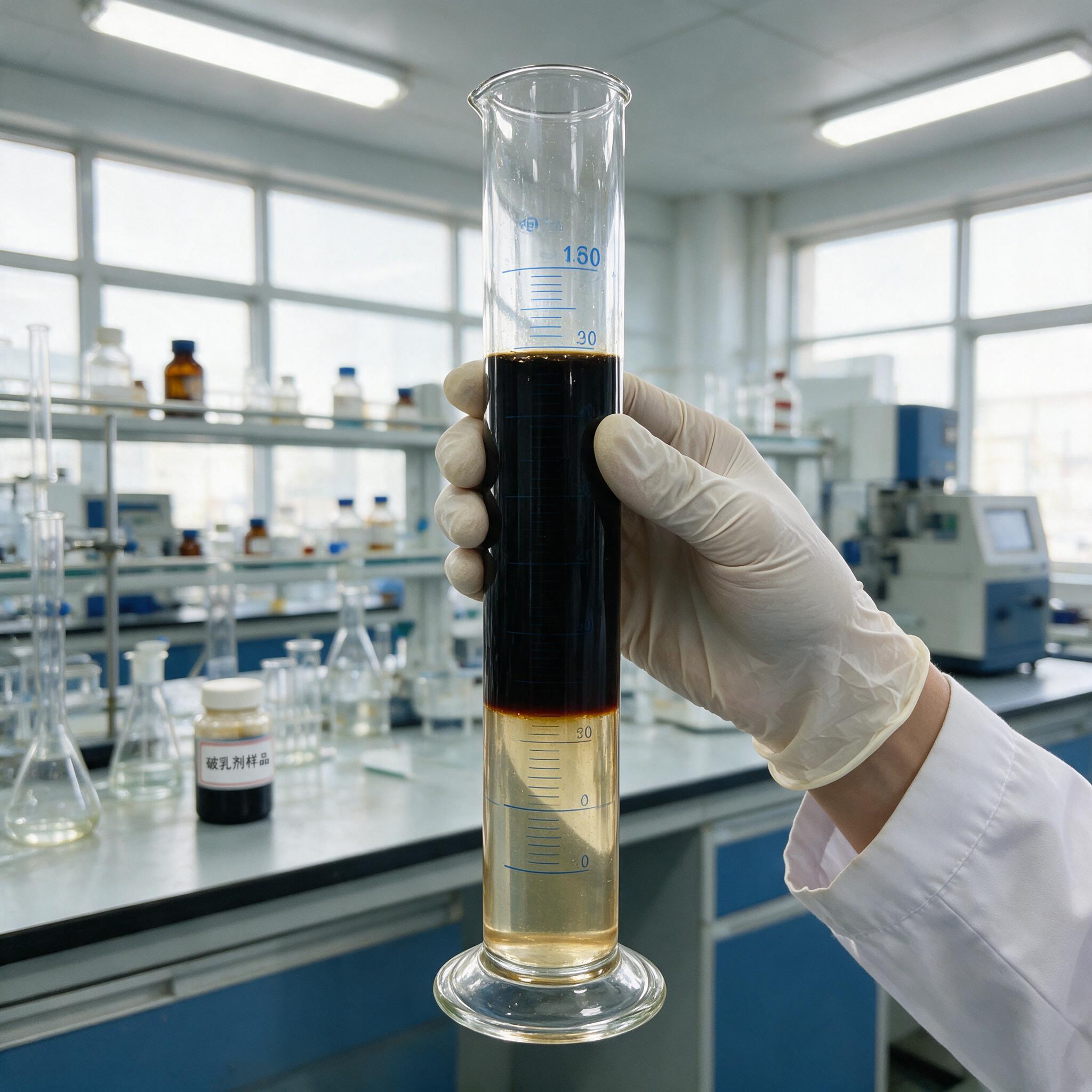
Once a well successfully transitions from the drilling rig to active commercial production, the operational focus shifts instantly from borehole stabilization to maximizing hydrocarbon recovery efficiency. Over time, subterranean reservoirs experience natural pressure depletion, paraffin wax accumulation, scale deposition, and corrosive water breakthrough, all of which threaten to choke oil flow and depress overall revenue. Applying targeted oilfield chemicals—such as demulsifiers, corrosion inhibitors, scale inhibitors, and paraffin dissolvers—at the exact onset of production decline can revive sluggish wells and extend productive asset life significantly. Comprehensive operational case studies from various mature oilfields demonstrate that scheduling systematic, proactive treatments of oilfield chemicals can boost daily crude output by up to 20 percent while lowering yearly artificial lift and maintenance expenditures. By utilizing advanced continuous injection systems, field operators can maintain steady production rates, reduce downtime associated with mechanical cleanouts, and optimize the overall economic return on investment across aging oil and gas assets worldwide.
Feymer Your Advanced Partner in Upstream Chemical Solutions
Navigating the severe demands of modern petroleum extraction requires not only precise timing and technical expertise, but also a reliable supply chain partner dedicated to uncompromising product excellence. Feymer has earned a stellar international reputation as a leading manufacturer and technical provider of specialized oilfield chemicals and advanced industrial polymers. By combining decades of intensive chemical research with state-of-the-art production capabilities, the organization ensures that every batch of oilfield chemicals delivers exceptional purity, structural stability, and reliable downhole reactivity. Feymer provides comprehensive, data-driven technical support, assisting upstream operators in analyzing unique wellbore chemistry profiles to establish custom-tailored chemical application and injection protocols. Through a robust global distribution network and an unwavering commitment to continuous innovation, the organization empowers oil and gas operators worldwide to optimize extraction efficiency, reduce operational expenses, and achieve long-term sustainability goals. Collaborative partnerships with global energy leaders further highlight the unwavering dedication to quality assurance, ensuring that every operational challenge is met with customized, high-performance chemical interventions.
Future Horizons in Smart Chemical Injection Technologies
Looking toward the future, the upstream oil and gas sector is undergoing a rapid digital transformation driven by real-time data analytics, downhole sensor networks, and automated injection systems. The next generation of oilfield chemicals is increasingly being integrated with smart dosing technology that monitors downhole temperature, pressure, and fluid composition continuously. These advanced systems ensure that oilfield chemicals are injected at the exact microsecond they are needed, eliminating human error, preventing chemical overdose, and maximizing cost-efficiency down to the individual well level. By embracing these cutting-edge technological advancements and partnering with established industry leaders, modern petroleum operators utilizing advanced oilfield chemicals will continue to successfully balance high-speed production demands with the vital economic and environmental necessity of precise chemical management. As digital oilfield initiatives expand globally, the integration of smart chemical delivery mechanisms will undoubtedly redefine industry standards, securing a highly efficient, sustainable, and profitable future for upstream petroleum operations worldwide.

 EN
EN