Technical Advantages of Water Soluble Polymer in Industrial Applications
In modern industrial manufacturing, achieving high operational efficiency across diverse sectors requires advanced chemical management. Whether operating a high-speed paper mill or a large-scale mineral processing plant, production managers consistently look for reliable solutions to optimize performance. This is where water soluble polymer plays a transformative role. By altering rheological properties and improving flocculation, water soluble polymer bridges the gap between raw material processing and finished product quality. Industrial engineers have long recognized that selecting the correct water soluble polymer can dramatically reduce processing times, enhance solid-liquid separation, and lower overall operational expenditures. As global industrial standards evolve, understanding the complex behavior of water soluble polymer in various fluid systems becomes essential for maintaining a competitive edge in both papermaking and mining operations.
Optimizing Papermaking Efficiency and Wet-End Performance
Paper manufacturing involves complex chemical and physical interactions within the wet-end system, where maintaining fiber retention and sheet strength is critical. The integration of water soluble polymer into the papermaking process allows operators to significantly improve fiber and filler retention without disrupting drainage rates. When introduced to the pulp slurry, water soluble polymer acts as an effective bridging agent, binding cellulose fibers together to increase dry strength and surface smoothness. Mills utilizing water soluble polymer frequently report fewer web breaks, reduced dust formation during printing, and better overall machine runnability. Furthermore, the adaptability of water soluble polymer across different pH environments ensures that papermakers can maintain consistent quality even when shifting between virgin pulp and recycled fiber furnish. This precise level of wet-end control turns chemical management into a predictable, value-driven process for modern mills.
Revolutionizing Mineral Processing and Tailings Management in Mining
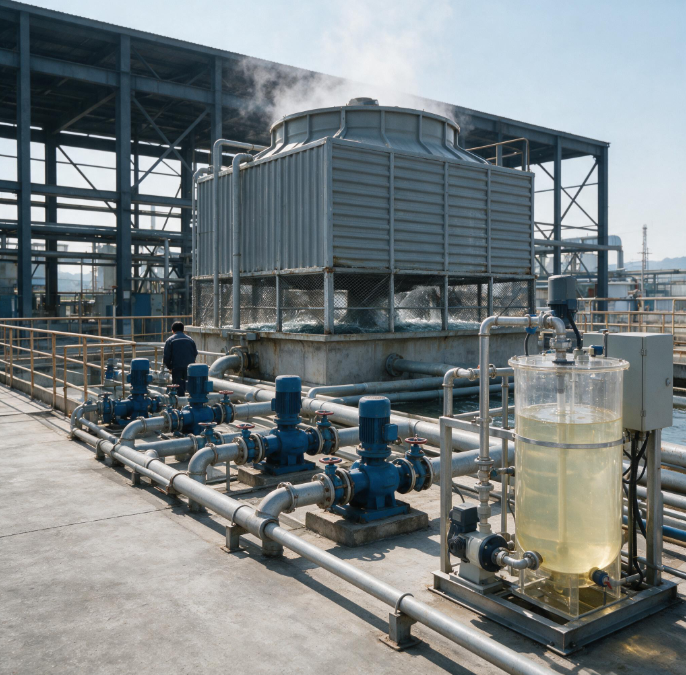
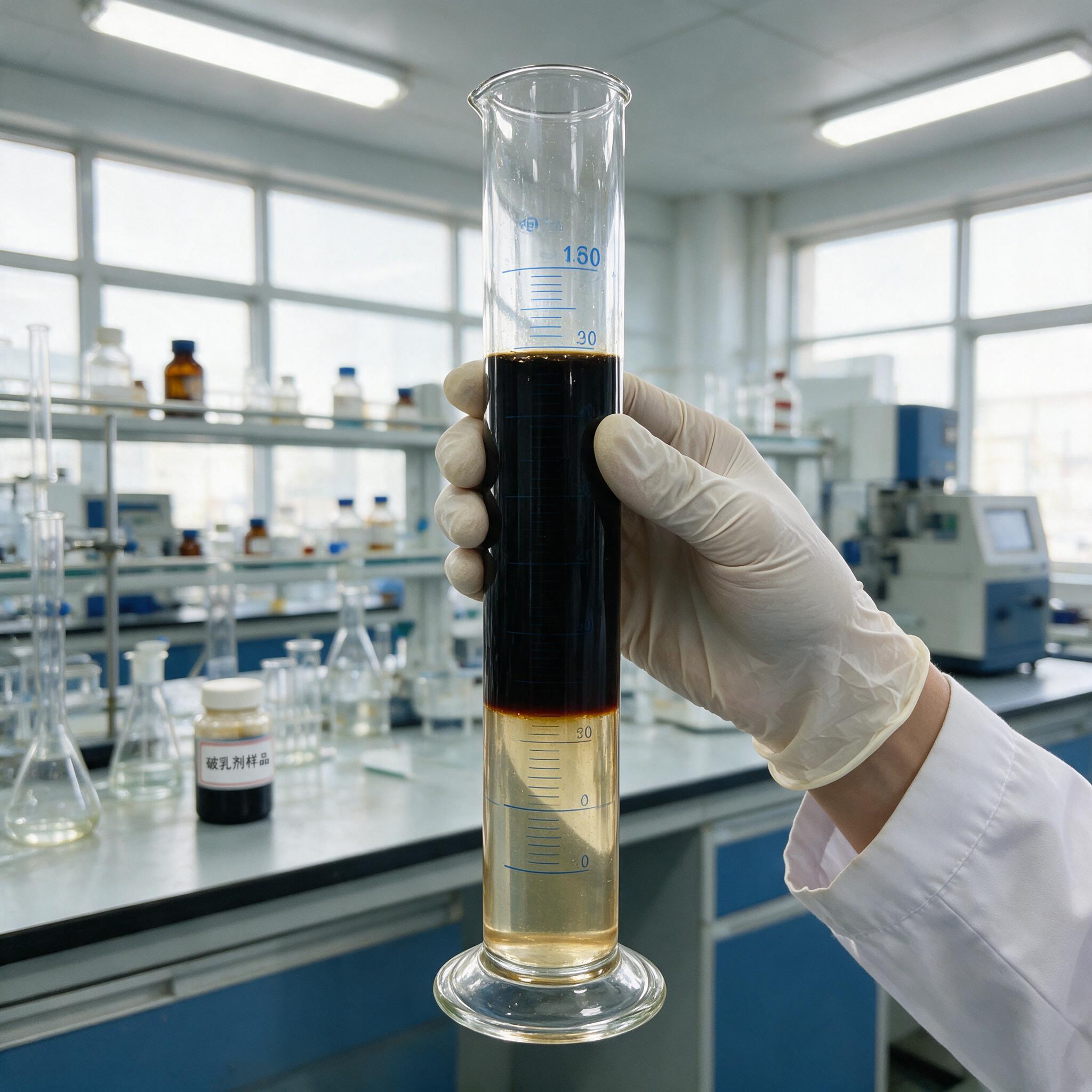
Beyond paper mills, the mining sector relies heavily on efficient solid-liquid separation to process vast quantities of ore and manage waste streams safely. In mineral extraction, water soluble polymer functions as a powerful flocculant that accelerates the settling of suspended solid particles in thickeners and tailing ponds. By neutralizing surface charges on fine mineral particles, water soluble polymer causes them to agglomerate into larger, heavier flocs that settle rapidly. This rapid sedimentation allows mining operations to recover valuable process water more efficiently, reducing environmental impact and lowering freshwater consumption. Field data from large processing plants indicate that applying a high-grade water soluble polymer significantly improves underflow density and filter cake dryness. Consequently, mining facilities experience lower tailings disposal costs and smoother downstream processing, demonstrating the undeniable utility of water soluble polymer in aggressive industrial environments.
Economic Value and Data-Driven Operational Insights
Implementing chemical programs involves balancing performance with cost, and the economic justification for using water soluble polymer is remarkably strong. Industrial data collected across multiple facilities show that proper optimization of water soluble polymer dosing can reduce total chemical consumption by up to fifteen percent while simultaneously increasing throughput. In paper production, this translates to lower furnish costs and improved burst and tensile strength. In mining applications, faster settling rates reduce energy consumption in pumping and filtration units, leading to substantial energy savings. These empirical results prove that water soluble polymer is not just an auxiliary additive, but a core economic driver that enhances productivity. By tracking key performance indicators such as settling velocity, turbidity, and retention rates, plant managers can fine-tune their water soluble polymer strategy to maximize profitability and operational reliability.
Authoritative Insights on Polymer Science and Quality Standards
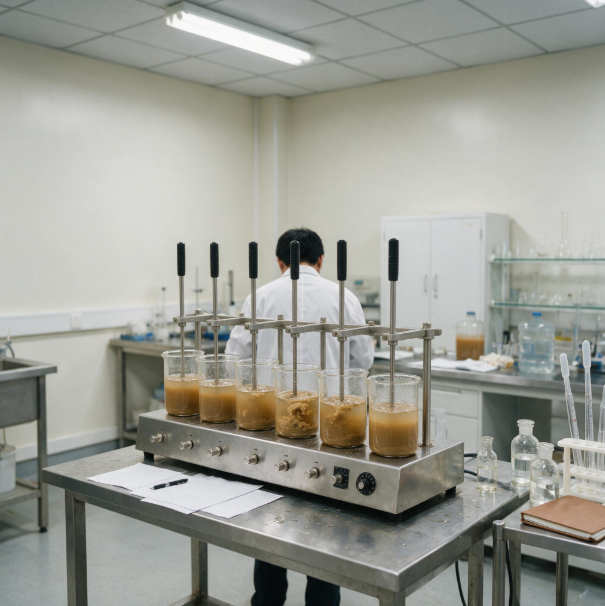
The successful deployment of water soluble polymer requires a deep understanding of polymer science, including molecular weight distribution, ionic charge density, and dissolution kinetics. Authoritative guidelines in industrial chemistry emphasize that matching the polymer structure to the specific ionic environment of the process water is vital for achieving optimal performance. Over-dosing or utilizing incorrect charge densities can lead to dispersion issues or filter blinding, which highlights the need for rigorous technical oversight. By adhering to established engineering standards and transparent testing protocols, facilities ensure that their use of water soluble polymer remains safe, effective, and environmentally compliant. This commitment to scientific rigor and data transparency builds strong operational credibility, aligning perfectly with modern industrial expectations for high-performance chemical applications.
Feymer Manufacturing Excellence and Supply Chain Reliability
Achieving sustained success in industrial production requires more than high-quality chemical formulations; it demands a resilient supply chain and dedicated technical partnership. Feymer stands as a trusted global manufacturer, delivering premium water soluble polymer solutions tailored to the exacting demands of international clients in papermaking and mining. With advanced production infrastructure, rigorous quality control laboratories, and agile global logistics, Feymer ensures a consistent supply of high-purity water soluble polymer to facilities worldwide. The expert technical support team at Feymer collaborates closely with industrial operators to optimize dosing systems, troubleshoot complex process challenges, and drive continuous improvement. By choosing Feymer, global enterprises secure a dependable partner dedicated to enhancing operational efficiency, reducing environmental footprints, and delivering long-term value through advanced water soluble polymer technologies.

 EN
EN