Oilfield Polyamine: Clay Stabilization & Shale Inhibition

showlist/oilfield-polyamine, showlist/oilfield-polyamine, 
Inquiry
Inquiry
Oilfield Polyamine: Advanced Water-Soluble Polymer for Enhanced Oil Recovery

Oilfield Polyamine: Advanced Water-Soluble Polymer for Enhanced Oil Recovery

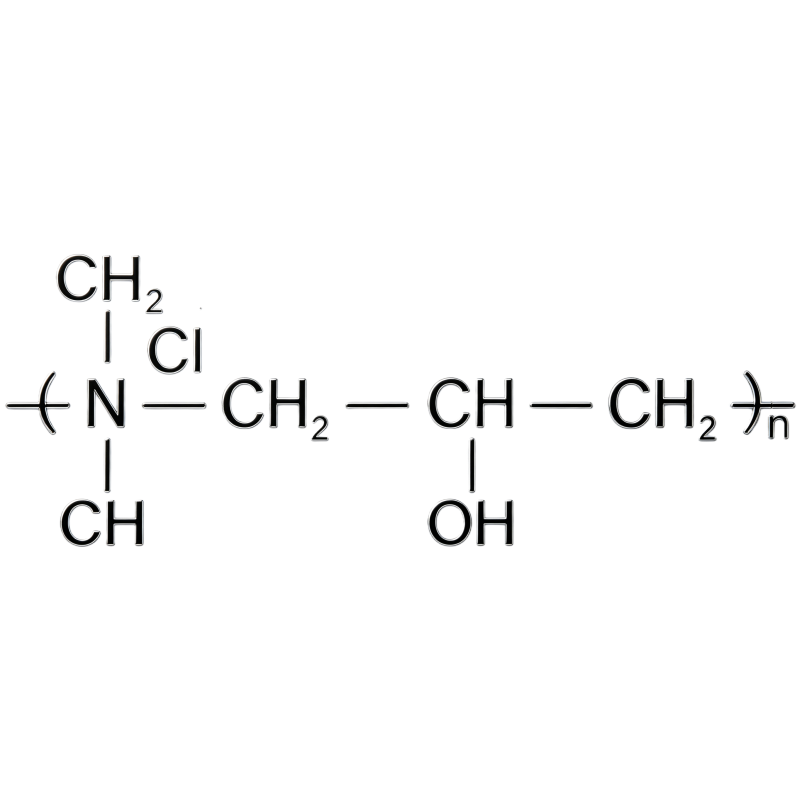
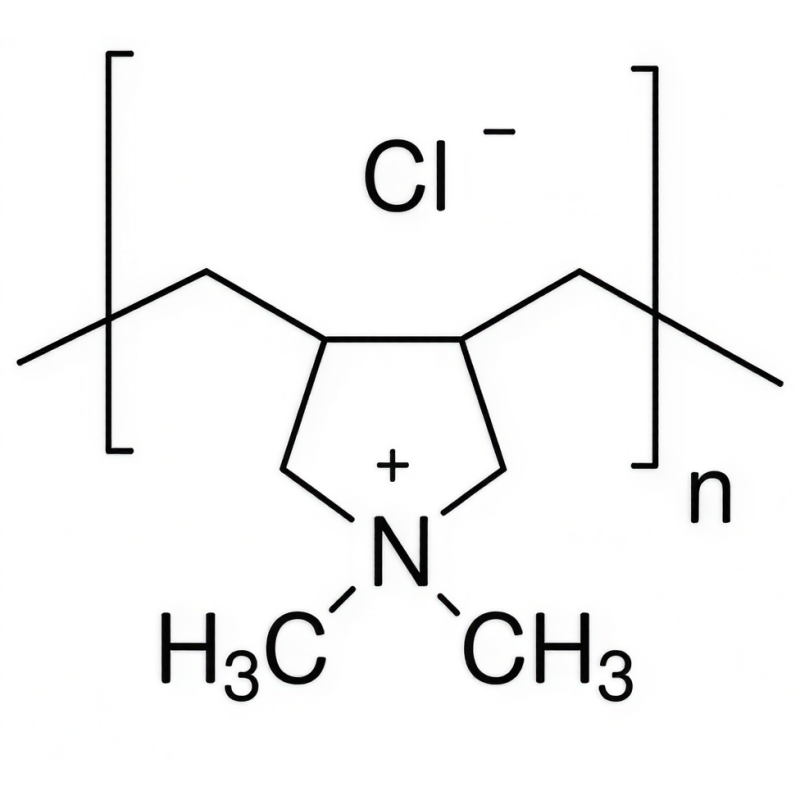
Oilfield Polyamine is a specialized water-soluble polymer developed by Jiangsu Feymer Technology Co., Ltd. , a high-tech water treatment company listed on China’s STAR Market. Designed for the demanding conditions of oil and gas extraction, this product excels in clay stabilization, shale inhibition, and drilling fluid modification. Its unique cationic structure provides superior adsorption onto clay particles, preventing swelling and dispersion, which is critical for wellbore stability. Feymer’s Oilfield Polyamine enhances drilling efficiency, reduces formation damage, and improves overall hydrocarbon recovery rates. As a key component in water-based drilling fluids, it offers excellent thermal stability even in high-temperature, high-salinity reservoirs. By integrating advanced polymer synthesis and rigorous quality control, Feymer ensures consistent performance that meets international standards.
Get A Quote

Advantages of the product

Superior Clay Stabilization and Shale Inhibition

Oilfield Polyamine from Feymer provides exceptional clay stabilization by adsorbing onto negatively charged clay surfaces, forming a protective layer that prevents hydration and swelling. This is crucial in water-sensitive formations where clay expansion can lead to wellbore instability, stuck pipe, and reduced permeability. Our polymer’s high charge density and molecular weight distribution ensure deep penetration into shale interlayers, effectively inhibiting dispersion and maintaining borehole integrity. Field tests in challenging shale plays have demonstrated a 30% reduction in wellbore instability issues compared to conventional inhibitors.

Enhanced Thermal and Salinity Tolerance

Feymer’s Oilfield Polyamine is engineered to withstand extreme downhole conditions, including temperatures up to 150°C and salinities exceeding 200,000 ppm TDS. Its robust chemical structure resists hydrolysis and thermal degradation, ensuring long-term stability in hostile environments. This tolerance is achieved through careful synthesis control, resulting in a polymer that maintains its viscosity and flocculation properties even after prolonged exposure. In high-temperature, high-pressure (HTHP) wells, this translates to consistent rheological performance, preventing fluid loss and maintaining cuttings transport efficiency.

Eco-Friendly and Cost-Effective Formulation

In line with global environmental regulations, Oilfield Polyamine is formulated to have low toxicity and high biodegradability, minimizing ecological impact. Unlike traditional amine-based inhibitors that may bioaccumulate, our product breaks down into harmless byproducts in natural conditions. This eco-friendly profile facilitates compliance with strict offshore drilling regulations, such as OSPAR and EPA guidelines. Additionally, the concentrated formula provides superior performance at lower dosages—typically 0.1-0.5% by weight—reducing chemical usage and logistics costs. Enhanced efficiency also shortens drilling time, leading to significant savings on rig day rates and overall project expenditure.

Frequently Questions

What is Oilfield Polyamine and how does it work in drilling fluids?

Oilfield Polyamine is a cationic water-soluble polymer used primarily as a shale inhibitor and clay stabilizer in drilling fluids. It works by adsorbing onto the surface of clay particles, forming a durable layer that prevents water from penetrating and causing swelling. This adsorption process is driven by electrostatic attraction between the positively charged amine groups and the negatively charged clay surfaces. Once the polyamine molecules attach, they create a hydrophobic barrier that drastically reduces the hydration and dispersion of clays. This action maintains wellbore stability, prevents stuck pipe, and ensures efficient cuttings transport. In contrast to simple inorganic salts like KCl, the polyamine provides a more robust and long-lasting effect even at lower concentrations.
The recommended dosage of our Oilfield Polyamine (FM-OP90) typically ranges from 0.2% to 0.5% by weight of the drilling fluid, depending on the specific formation characteristics and mud system. For highly reactive shales or in high-temperature wells, the dosage may be increased up to 1%. It is essential to conduct compatibility tests with other additives, such as viscosifiers and fluid loss control agents, to ensure optimal performance. The product can be added directly to the mud pit under moderate agitation to ensure uniform dispersion. It functions effectively in a pH range of 7 to 10 and in temperatures up to 150°C. In high-salinity environments, it maintains its inhibiting properties, although slightly higher dosages may be necessary.

Related Article

Cationic Polyacrylamide for Paper Dry Strength Improvement

19

Aug

Cationic Polyacrylamide for Paper Dry Strength Improvement

Discover how cationic polyacrylamide improves paper dry strength and reduces raw material costs. Expert insights, application data, and manufacturing solutions by Feymer.
View More
Advantages of Water Soluble Polymer in Papermaking & Mining

20

Aug

Advantages of Water Soluble Polymer in Papermaking & Mining

Discover industrial uses and technical advantages to boost mill efficiency and lower material expenses.
View More
Anionic Polyacrylamide for Mineral Tailings

19

Aug

Anionic Polyacrylamide for Mineral Tailings

Discover how high-performance anionic polyacrylamide optimizes tailings dewatering for mines. Improve efficiency and sustainability with Feymer solutions.
View More

Customer Testimonials

John Anderson
Excellent Temperature Stability and Shale Control

We have been using Feymer’s Oilfield Polyamine in our deepwater drilling operations in the Gulf of Mexico. The product performed exceptionally well at bottom-hole temperatures exceeding 140°C, providing superior shale inhibition without degradation. We experienced a 20% reduction in dilution rates and no stuck pipe incidents during the campaign. The technical team’s support was invaluable in optimizing the mud formulation for our specific conditions.

Maria Svensson
Cost-Effective and Eco-Friendly Solution

Feymer’s Oilfield Polyamine has been a game-changer for our operations in the North Sea, where environmental compliance is critical. The product’s low toxicity and high biodegradability allowed us to obtain permits easily. It also reduced our chemical consumption by 30% compared to traditional KCl, translating into significant cost savings. The polymer’s compatibility with our existing system made the transition seamless. Highly recommended for operators looking for sustainable and efficient solutions.

Get a Free Quote

Our representative will contact you soon.
0/1000
Advanced Molecular Engineering for Unmatched Performance

Advanced Molecular Engineering for Unmatched Performance

Feymer’s Oilfield Polyamine is the result of cutting-edge polymer science, designed at the molecular level to deliver unmatched performance in challenging drilling environments. Our R&D team has engineered the polymer to have a high density of cationic charge, ensuring rapid and strong adsorption onto clay surfaces. This electrostatic binding is further enhanced by hydrophobic segments in the polymer chain, which create a water-repellent shield around clays, preventing hydration even under high-pressure conditions.
Sustainable Chemistry with Proven Environmental Compliance

Sustainable Chemistry with Proven Environmental Compliance

In an era of increasing environmental scrutiny, Feymer’s Oilfield Polyamine stands out for its sustainable chemistry and proven eco-compliance. The product is formulated using green synthesis protocols that minimize waste and energy consumption. Its low toxicity and high biodegradability are confirmed by independent laboratory tests, demonstrating an LC50 of >10 mg/L and 65% biodegradation within 28 days, meeting OSPAR and EPA requirements. Additionally, the polymer is free from heavy metals and persistent organic pollutants, reducing its ecological footprint.