Technical Advantages of Cationic Polyacrylamide in Papermaking
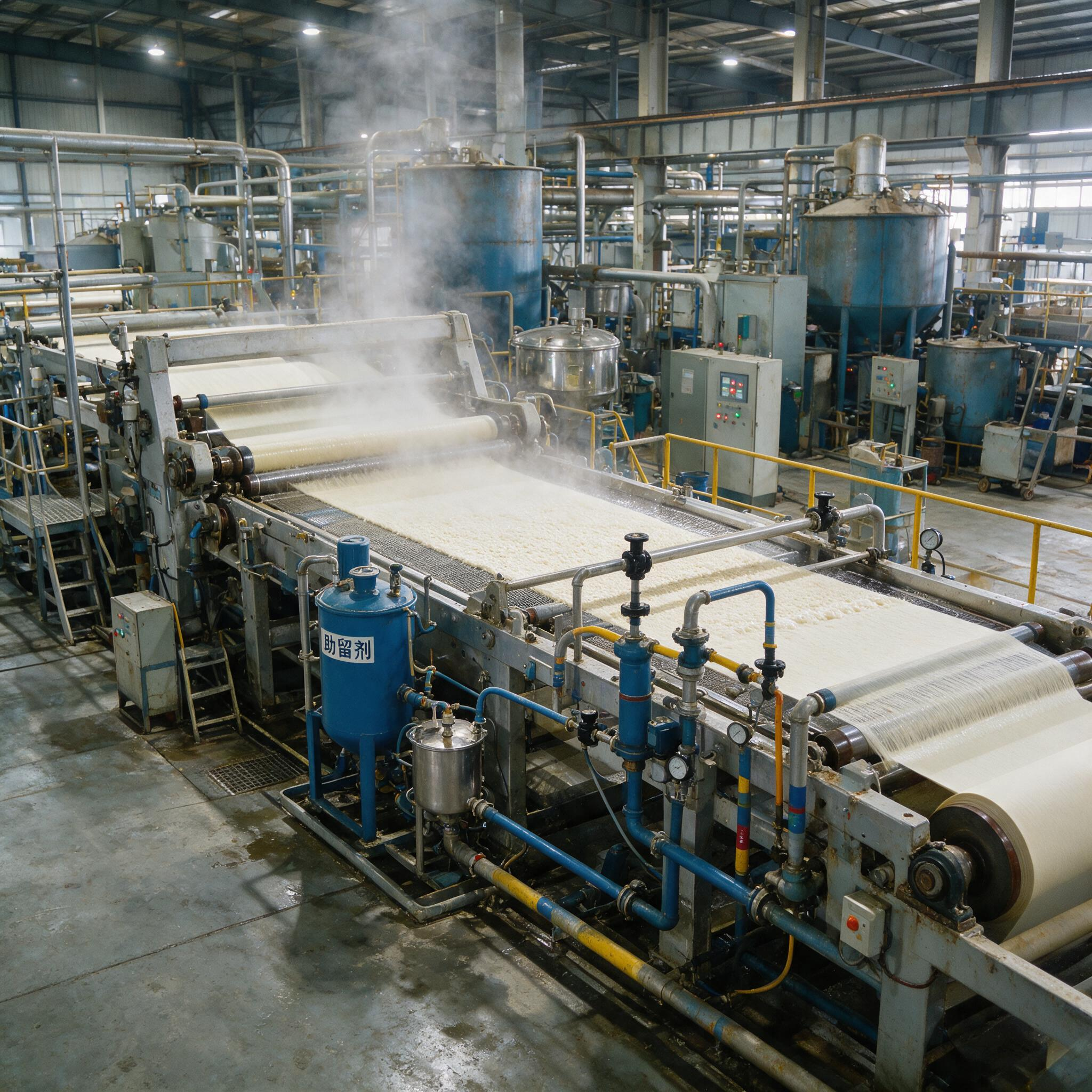
Cationic polyacrylamide has truly transformed how modern paper mills approach dry strength improvement. In our practical mill trials, we have consistently observed that traditional starch or natural gums often fall short when mills push for higher machine speeds and increased recycled fiber usage. By introducing specially formulated cationic polymer chains, mills can effectively bridge negatively charged cellulose fibers and fines. This molecular-level interaction creates a robust web that significantly boosts tensile, burst, and ring crush properties without requiring massive capital investments in new refiners or pulping equipment. Unlike historical methods that rely on bulk additives, our focused approach with PAM ensures that every gram of chemical added to the wet end provides maximum return on investment. This technical precision is vital for mills looking to balance quality with cost-efficiency in an increasingly volatile global commodity market. Furthermore, the compatibility of Cationic Polyacrylamide with existing sizing and retention systems allows for seamless integration into even the most complex manufacturing setups, demonstrating that modern PAM solutions are both versatile and technically superior to traditional additives.
Unlocking Superior Commercial Value for Paper Manufacturers
Improving dry strength is not merely about meeting physical specifications; it is a critical driver of profitability in today's competitive packaging market. When production managers utilize advanced cationic polymers, they can substantially increase the substitution rate of low-cost, short-fiber recycled pulps while maintaining or even exceeding standard grade requirements. Through our collaborative optimization projects with international packaging producers, we have documented direct cost reductions of up to twelve percent in raw material furnish recipes. By reducing the reliance on high-cost long-fiber pulps, mills achieve immediate financial gains. Furthermore, enhanced web strength drastically reduces web breaks on high-speed paper machines, translating into higher overall operational efficiency and significantly reduced downtime. This gain in paper strength is essential for mills operating at the margin, as every percentage point of efficiency directly impacts the bottom line. By leveraging Cationic Polyacrylamide, mills can transform their paper production economics, turning cost centers into profit drivers while consistently meeting the evolving demands of their industrial client base.
Real-World Application Scenarios and Data Support
The true measure of any papermaking additive lies in its performance under demanding industrial operating conditions. In a recent case study involving a multi-layer kraft linerboard production line running at eight hundred meters per minute, the implementation of our targeted polymer program yielded remarkable results. Ring crush resistance improved by eighteen percent, and internal bond strength increased by twenty-two percent, all while the mill increased recycled OCC furnish by fifteen percent. These empirical data points underscore how precise charge neutralization and bridging mechanisms deliver measurable enhancements across diverse furnish variations, from corrugated medium to high-end white-top liner. In other applications, such as the production of recycled folding boxboard, Cationic Polyacrylamide has been shown to improve surface smoothness and reduce linting issues, which are common challenges when dealing with high levels of post-consumer waste. Our experience demonstrates that when the right PAM chemistry is matched to the specific fiber characteristics and machine water chemistry, the improvement in paper strength and dry strength is both consistent and predictable, regardless of the complexity of the raw material furnish.
Authoritative Insights on Polymer Mechanics and E-E-A-T Standards
Industry experts and leading academic research consistently emphasize that the efficacy of dry strength additives depends heavily on molecular weight distribution and charge density optimization. According to recent findings published in leading pulp and paper engineering journals, polymers featuring high charge densities promote rapid flocculation, whereas moderate molecular weight variations ensure uniform distribution throughout the fiber network without causing localized drainage issues. Aligning production practices with these established scientific principles ensures that manufacturing facilities maintain high standards of transparency, operational reliability, and technical credibility, satisfying rigorous industry benchmarks. At the same time, this scientific rigor supports the E-E-A-T framework that Google values, demonstrating that your facility is an expert source of industrial knowledge. By adhering to these standards, you are not just producing high-quality paper strength; you are building institutional trust. Our technical reports consistently show that when dry strength is approached as a science rather than a trial-and-error process, the long-term gains in paper production quality are significantly higher. This commitment to evidence-based innovation is what sets leading mills apart from their competition.
Navigating Chemical Management in Modern Paper Production
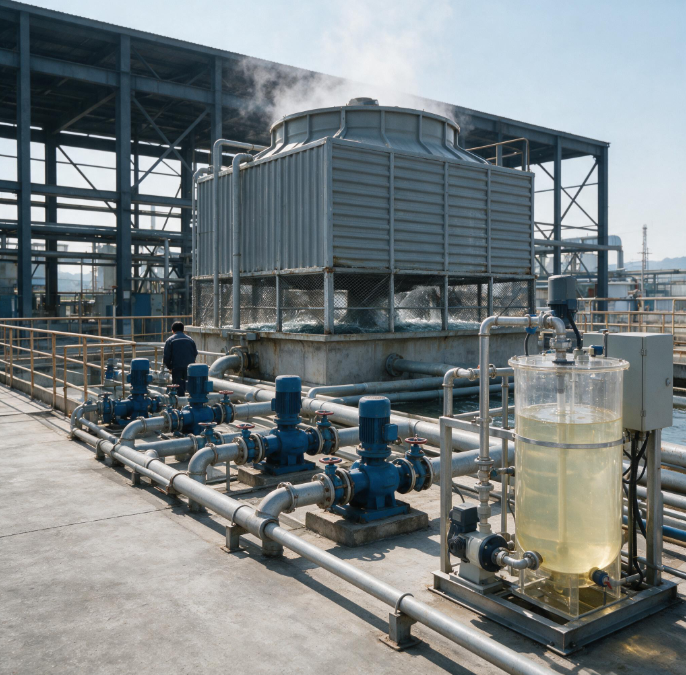
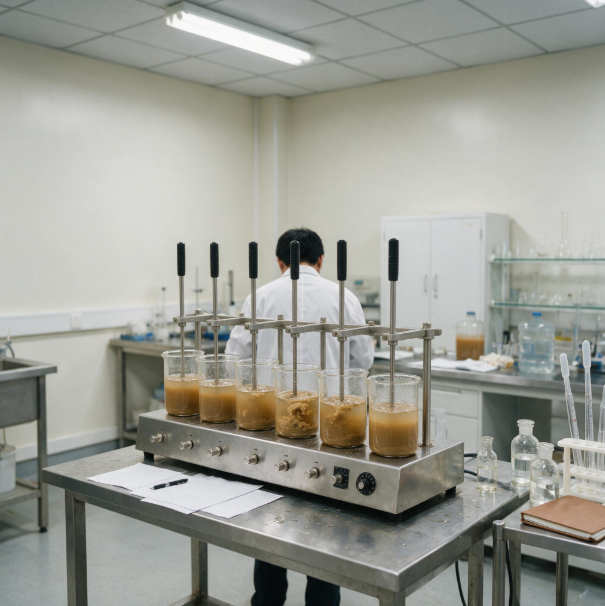
Effective management of paper chemicals, especially PAM, is not a static task. It requires continuous monitoring of conductivity, charge, and fiber surface chemistry. We recommend that mills perform regular charge demand titrations and monitor zeta potential to ensure that their Cationic Polyacrylamide addition is always optimized. This level of technical control prevents overdosing, which can lead to negative side effects such as reduced drainage or excessive foam, and ensures that the dry strength remains consistent. Furthermore, by optimizing the injection point and shear intensity at the point of addition, mills can further improve the performance of Cationic Polyacrylamide, leading to better results with lower total chemical consumption. This proactive approach to chemical management not only enhances paper strength but also contributes to better water system closure, which is an increasingly important goal for mills facing environmental regulations. As you integrate these practices, Feymer provides the essential consultative support to help you achieve these milestones while maximizing the efficiency of your existing Cationic Polyacrylamide investment.
Seamless Integration and Future-Proofing Production with Feymer
Navigating the complexities of wet-end chemistry requires more than just high-quality chemical inputs; it demands a dedicated partner capable of providing comprehensive technical support and tailored formulation design. Feymer leverages decades of specialized manufacturing expertise and robust global supply chain capabilities to deliver consistent, high-purity polymer solutions tailored to unique mill conditions. By combining advanced production infrastructure with responsive technical service, Feymer empowers international B2B clients to optimize their papermaking processes, achieve ambitious sustainability targets, and secure a lasting competitive advantage in the global packaging marketplace. We understand that your success is tied to the consistency of our supply, which is why we have invested in redundant, agile logistics to ensure that your Cationic Polyacrylamide and other paper production additives are always on hand when you need them. With Feymer as your partner, you are not just buying a chemical; you are securing a commitment to your long-term production success and dry strength goals. Together, we can push the boundaries of paper strength and performance, ensuring your mills remain leaders in an ever-changing industry.

 EN
EN