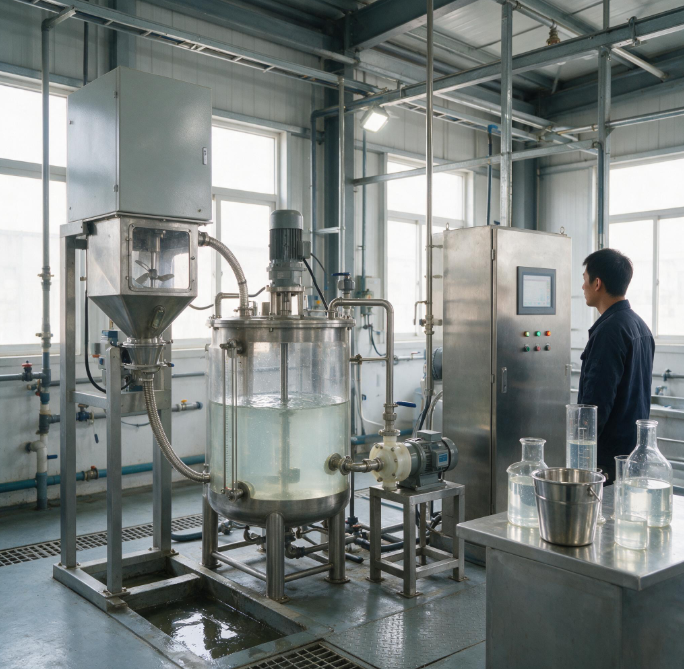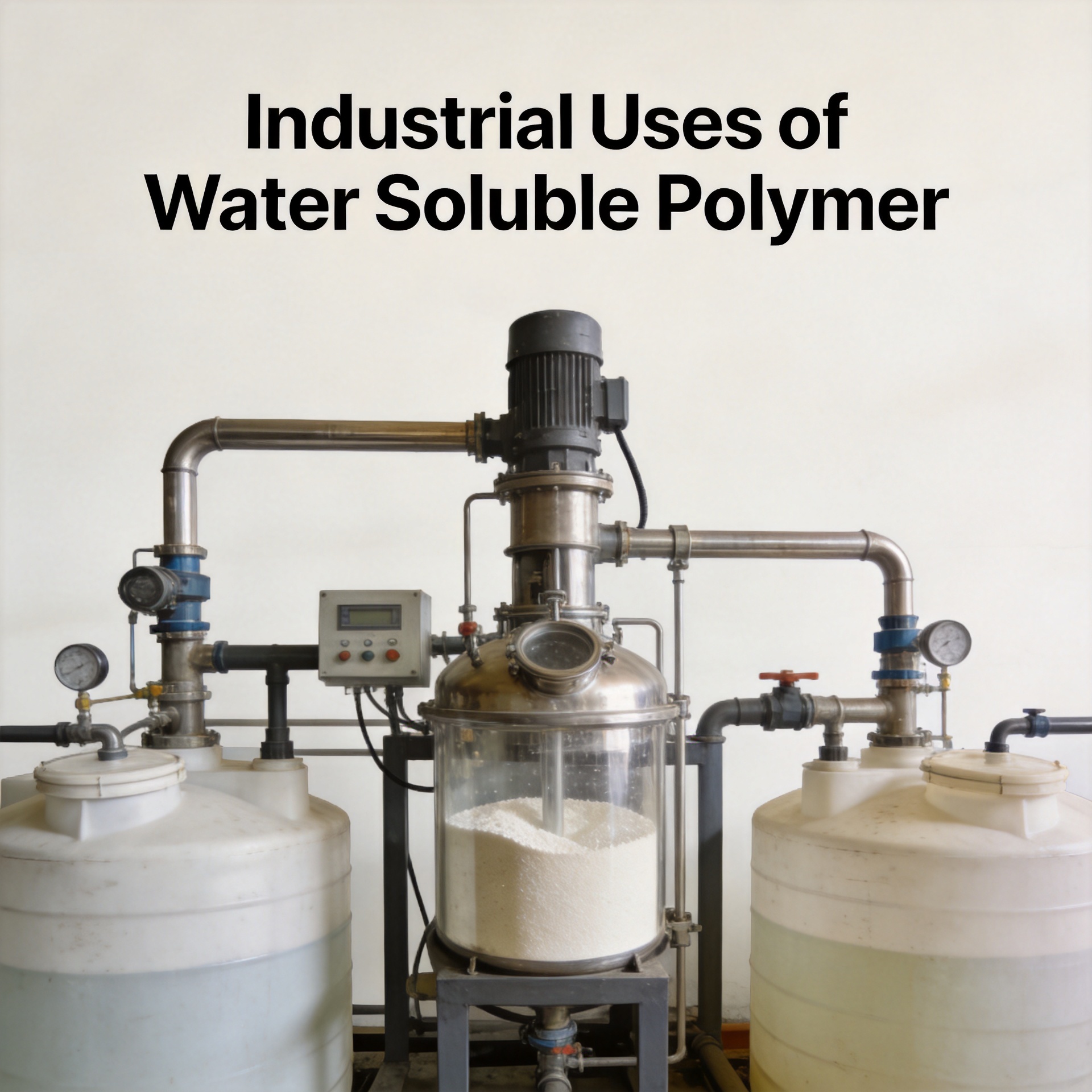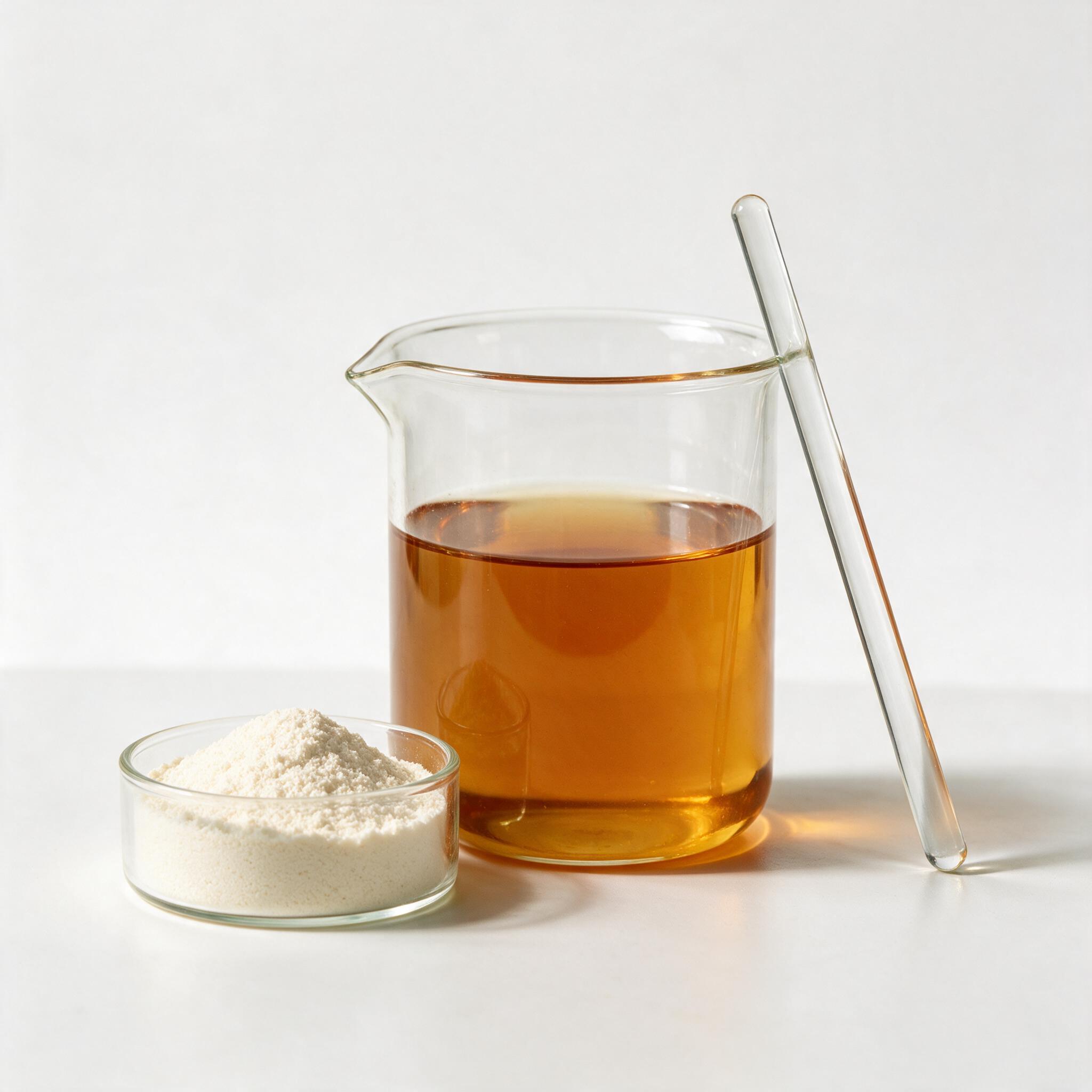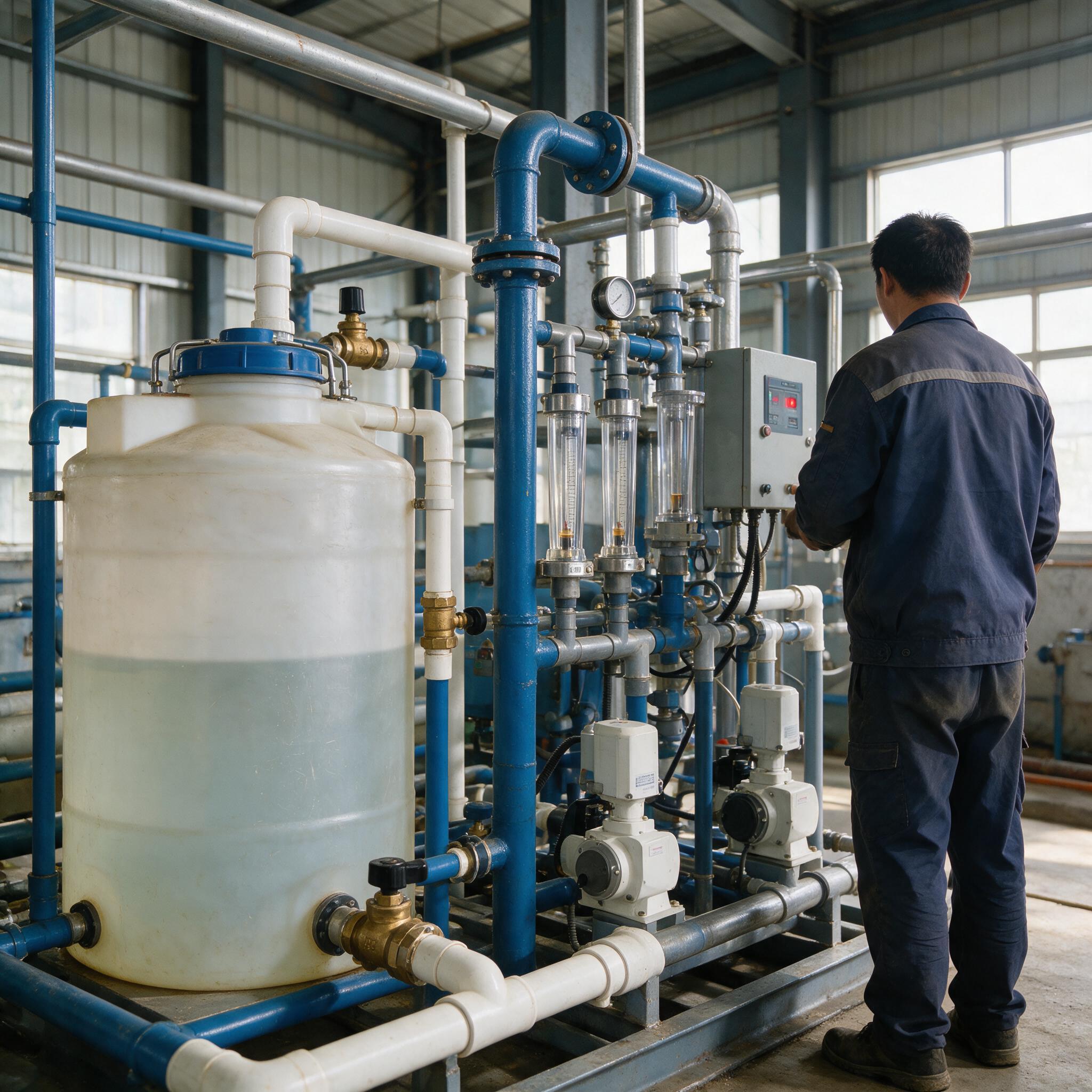
Synthetic water soluble polymers have revolutionized water treatment by enabling efficient removal of contaminants from industrial and municipal wastewater. These polymers, primarily polyacrylamides and polyamines, function by neutralizing charges and bridging particles, causing them to aggregate into larger flocs that can be easily separated. In this process, the choice of polymer type and dosage is crucial; it must match the specific characteristics of the wastewater to achieve optimal performance. Our synthetic water soluble polymers exhibit unique properties, such as high molecular weight and tailored charge density, which allow them to perform effectively at low dosages. This not only reduces chemical cost but also minimizes the environmental impact of the treatment process. For instance, in the pulp and paper industry, these polymers improve fiber retention and enhance drainage, leading to better paper quality and reduced energy use.