The Vital Role of Anionic Polymer in Modern Mineral Processing
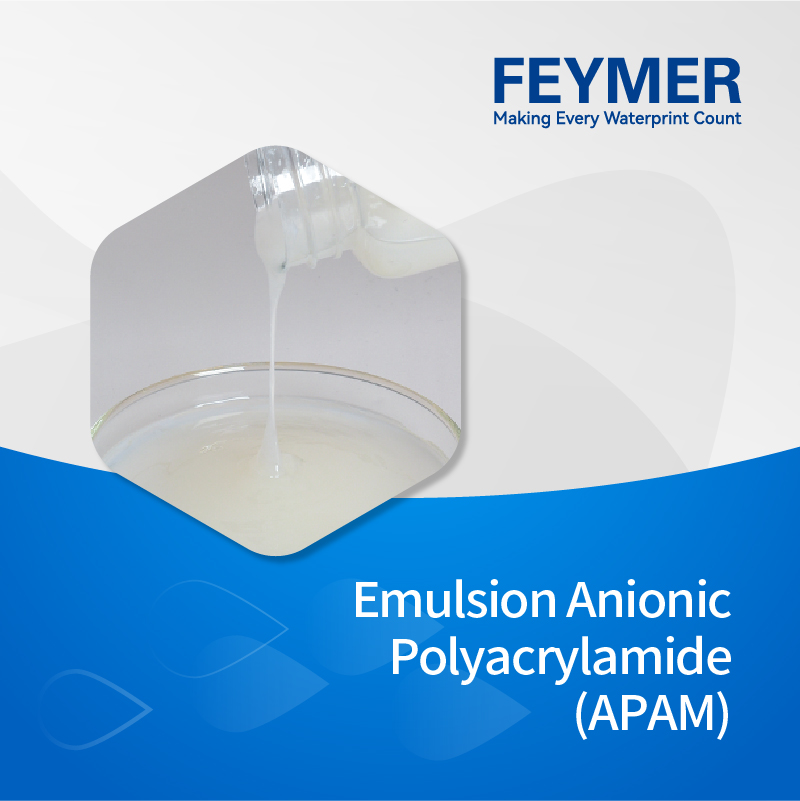
Mineral extraction is a fundamentally water-intensive process, generating massive volumes of complex waste water that contains fine ore particles, colloidal clay, and various chemical residues. Managing these massive flow volumes effectively is critical for operational success, cost management, and environmental compliance in the modern global mining industry. Anionic polymer technology has effectively emerged as the most reliable, robust, and efficient solution for accelerating solid-liquid separation in these challenging environments. By utilizing specific high-molecular-weight anionic polymer molecules, mining facilities can destabilize complex colloidal suspensions, forcing fine mineral particles to aggregate into dense, rapidly settling flocs. This chemical process is the cornerstone of effective, long-term tailings management, allowing operators to maximize their water recycling rates, drastically reduce the physical footprint of tailings storage facilities, and adhere to tightening environmental regulations regarding discharge quality and responsible water stewardship.
Understanding the Advanced Chemical Mechanism of Sedimentation
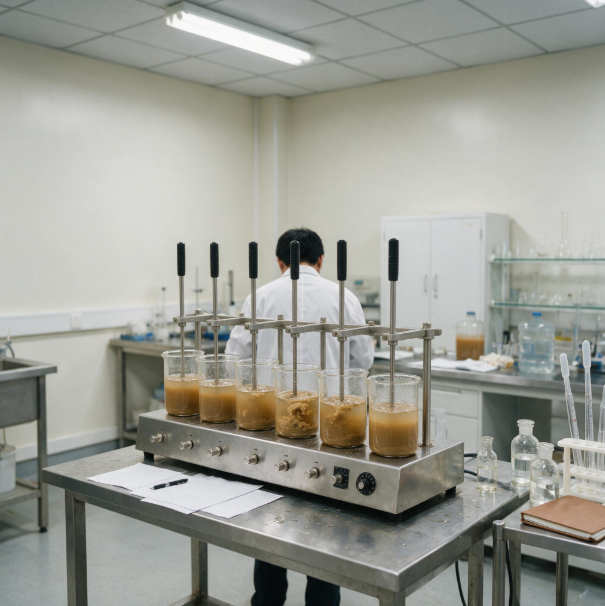
The technical effectiveness of an anionic polymer in mineral waste water relies heavily on its long-chain molecular structure and specific surface charge characteristics. Most mineral wastes, particularly those derived from clay-heavy ores or weathered rock, contain fine particles that carry a strong negative surface charge. When a high-performance, tailor-made anionic polymer is introduced into the active waste stream, it interacts with these particles through a sophisticated process known as inter-particle bridging. The long, flexible chains of the polymer physically capture multiple suspended mineral particles simultaneously, pulling them together into larger, more robust, and shear-resistant flocs. Unlike simple, low-cost inorganic coagulants, this advanced mechanism is highly efficient even at extremely low dosage levels. By carefully matching the specific charge density and molecular weight of the anionic polymer to the unique mineralogy of the ore, site engineers can dramatically optimize settling velocity, leading to significantly clearer process water and more consistent, reliable thickening performance.
Operational Benefits and the Economic Efficiency in Mining
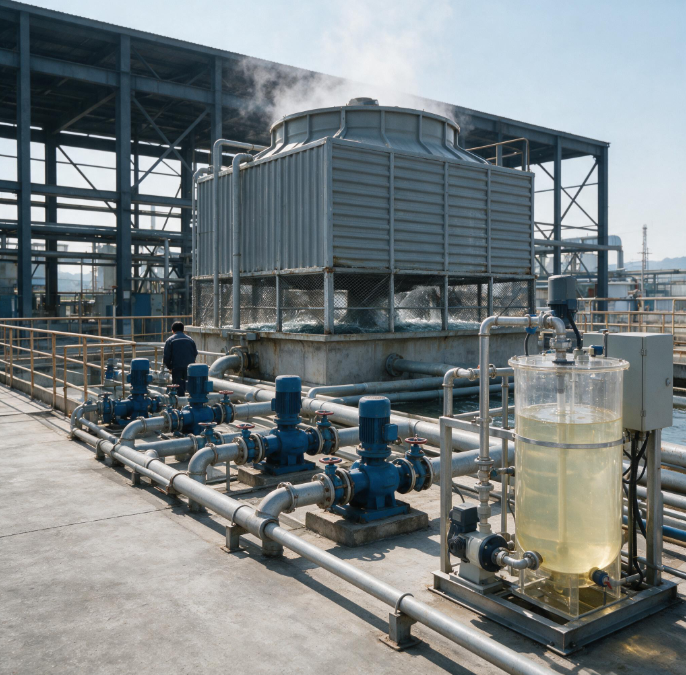
For large-scale mining operators, the consistent, strategic use of an anionic polymer directly translates to tangible economic benefits and improved site efficiency. In high-throughput sedimentation tanks and industrial thickeners, the application of a high-grade anionic polymer allows for a significantly higher underflow density. This reduction in water content within the settled sludge is absolutely critical for lowering the costs associated with tailings pumping, long-distance transport, and storage facility maintenance. Extensive field data from various global mining applications shows that optimizing chemical usage can reduce the total settling time by as much as 25% to 30%, which significantly increases the overall throughput capacity of existing processing plants without the need for expensive and time-consuming infrastructure expansion. Furthermore, because these specialized polymers are highly concentrated, the logistics of transporting and storing chemical reagents are minimized, effectively reducing the overall carbon footprint of the entire mineral processing operation.
Environmental Stewardship and Global Regulatory Compliance
Achieving and maintaining full compliance with rigorous environmental standards is a top priority for responsible, modern mining operations. The use of a high-quality anionic polymer plays a pivotal role in this endeavor by ensuring that water returned to the natural environment or reused in the mill is free from suspended solids and harmful industrial contaminants. Effective, consistent flocculation not only clears the water for reuse but also helps capture fine, potentially reactive mineral particles that could otherwise lead to long-term site remediation challenges or groundwater contamination. As regulatory agencies worldwide impose stricter, more transparent limits on industrial discharge quality, the role of a high-performance anionic polymer becomes even more critical. Mining companies that leverage these advanced polymer technologies demonstrate a proactive, long-term commitment to sustainable practices, which is essential for maintaining their social license to operate in increasingly sensitive ecological regions around the world.
Feymer: Your Trusted Partner for High-Performance Polymer Solutions
Reliability in the chemical supply chain is the essential foundation of every successful mineral processing plant. Feymer has built a strong, respected international presence as a leading manufacturer and provider of specialized anionic polymer products designed specifically for the unique, demanding requirements of the mining industry. By combining deep technical knowledge of mineralogy with state-of-the-art production capabilities, the organization ensures that every batch of material meets the highest global standards of stability, purity, and performance consistency. Feymer provides far more than just raw materials; the technical team offers comprehensive, data-driven support to help mining engineers fine-tune their flocculation strategies for maximum return on investment. With a resilient global supply chain and an ongoing, firm commitment to intensive research and development, the organization empowers industrial partners to overcome complex separation challenges and scale their production sustainably.
Future Horizons in Global Mineral Waste Water Management
As the global mining sector continues to evolve toward higher levels of automation, precision, and deeper water recycling, the demand for sophisticated chemical solutions will only continue to rise. Future advancements are currently focusing on the development of highly resilient, next-generation variants of the anionic polymer, capable of maintaining peak performance in increasingly saline, high-pressure, or high-temperature waste water environments. The integration of real-time dosage optimization systems, driven by advanced AI and sensor technology, is also poised to fundamentally transform how these polymers are utilized on-site. By embracing these technological shifts and continuing to invest in high-quality anionic polymer solutions, the industry is well-positioned to unlock new, unprecedented levels of efficiency, productivity, and environmental responsibility, ensuring a prosperous and sustainable future for the global mineral processing sector.

 EN
EN