Comprehensive Guide to Water Soluble Polymer Selection for Industrial Effluent Treatment
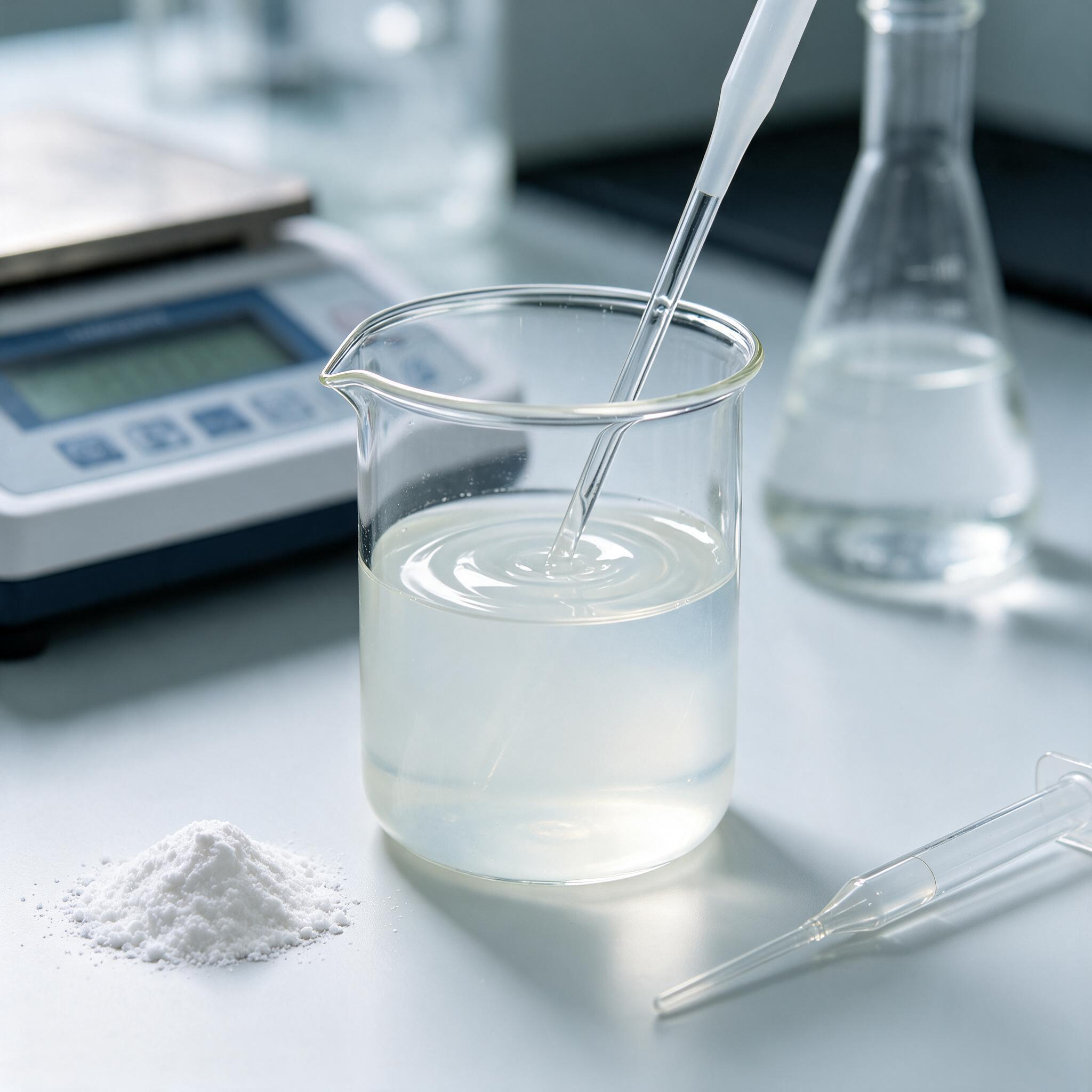
Treating industrial wastewater efficiently is rarely a straightforward task for plant engineers and environmental managers operating in complex manufacturing environments. Facilities across diverse sectors often struggle with shifting chemical oxygen demand, high concentrations of suspended solids, and stringent environmental discharge limits that change without prior warning. When biological treatment systems and standard physical filtration units reach their operational limits, chemical conditioning steps in as the ultimate solution to bridge the gap. Water soluble polymer serves as the absolute backbone of modern coagulation and flocculation processes, effectively pulling microscopic colloidal impurities together into heavy, fast-settling flocs. Choosing the exact grade and chemical composition determines whether a wastewater treatment plant runs smoothly or constantly battles foaming, slow drainage rates, and exorbitant sludge disposal expenses. A systematic evaluation framework based on rigorous molecular architecture, charge density, and mechanical shear resistance provides the technical foundation needed to optimize every single stage of wastewater processing across modern industrial facilities, ensuring long-term environmental protection and cost-effective plant operations.
Evaluating Polymer Molecular Weight and Chain Architecture for Optimal Flocculation
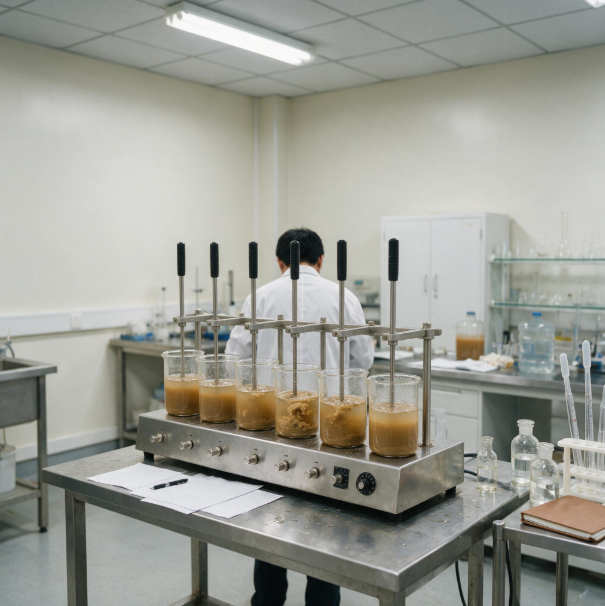
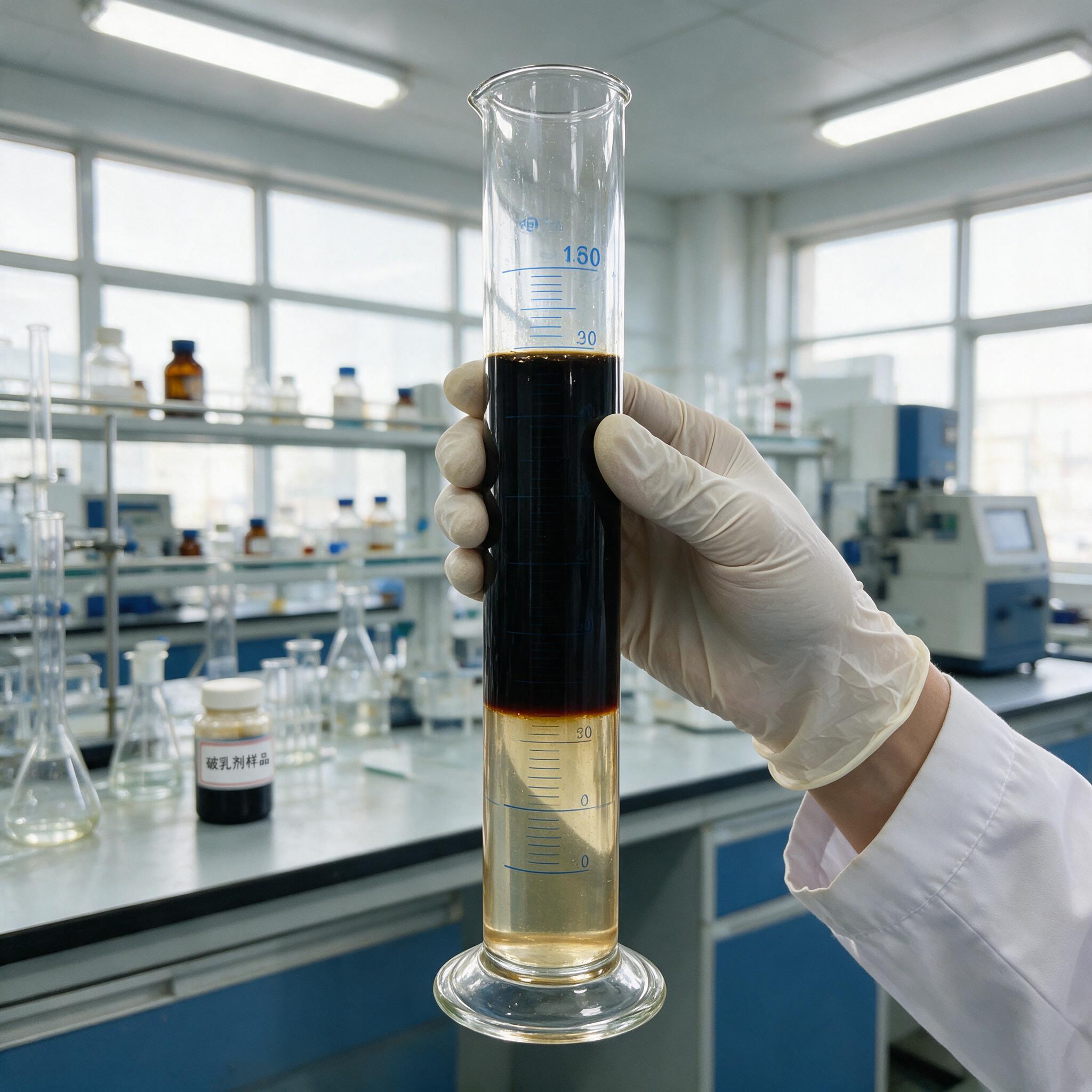
The physical performance and overall efficiency of any water soluble polymer depend heavily on its precise polymer molecular weight distribution and macromolecular chain architecture. High molecular weight variants provide extensive, elongated polymer chains that physically bridge adjacent suspended particles, forming large, robust flocs capable of withstanding aggressive mechanical shear forces encountered inside clarifiers, centrifuges, and pumps. However, blindly selecting the highest molecular weight water soluble polymer available can sometimes cause severe overdosing issues, resulting in polymer re-stabilization, high solution viscosity, and decreased filtration efficiency. Technical specialists recommend matching the specific chain length and polymer molecular weight parameters to the particle size distribution and hydrodynamic profile of the effluent stream during preliminary jar testing. Laboratory evaluation remains an indispensable tool for determining the ideal dosage window, ensuring that the selected water soluble polymer achieves maximum bridging efficiency without causing filter blinding or operational blinding of dewatering equipment in downstream industrial sludge processing units.
Matching Ionic Charge Density to Complex Wastewater Chemistry Requirements
Beyond polymer molecular weight, the ionic charge density of a water soluble polymer dictates how effectively it interacts with charged contaminants present in industrial wastewater. Effluent streams carry varying ionic charges depending on the upstream manufacturing processes utilized in textile dyeing mills, paper production plants, or chemical synthesis units. An anionic water soluble polymer typically performs exceptionally well in neutral to alkaline streams containing inorganic minerals and metal hydroxides, whereas cationic variants excel in treating negatively charged organic suspensions found in food processing facilities and municipal sewage treatment plants. Evaluating the zeta potential of the wastewater allows facility operators to fine-tune their choice of water soluble polymer, ensuring precise charge neutralization. Field data from large-scale municipal upgrade projects demonstrate that properly matched ionic charge density reduces suspended solids carryover by up to twenty-eight percent, drastically improving final effluent clarity before discharge into natural water bodies and local municipal sewer lines.
Practical Considerations for Polymer Dissolution, Preparation, and Feed Systems
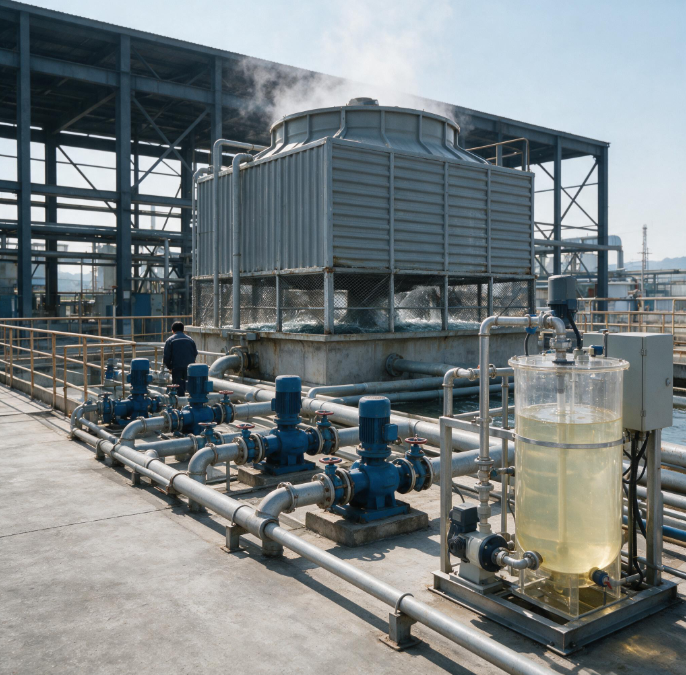
Even the highest quality water soluble polymer will fail to deliver expected performance if on-site preparation and feeding systems are poorly engineered or improperly maintained. Industrial polymers require precise wetting, hydration, and aging phases to uncoil their long molecular chains fully before entering the main treatment circuit during wastewater treatment operations. Inadequate mixing or fish-eye formation leaves un-dissolved polymer clumps that clog injection nozzles and waste active chemical components. Plant engineers must implement automated multi-chamber makeup units equipped with accurate dry-feeders or liquid polymer activation modules. Maintaining consistent aging times between thirty and sixty minutes ensures that the water soluble polymer achieves its maximum hydrodynamic volume and viscosity profile. Proper solution preparation directly translates to lower overall daily consumption rates, minimizing chemical expenditures while protecting delicate dewatering machinery from unexpected scaling or abrasive wear during continuous 24/7 operation.
Industrial Case Studies, Flocculant Selection, and Performance Verification Metrics
Real-world application data provides the ultimate proof of value when implementing a new chemical treatment program for demanding wastewater treatment facilities. A recent case study from a major textile processing facility facing stringent chemical oxygen demand limits highlights the critical impact of targeted flocculant selection and polymer optimization. By replacing a generic coagulant with a customized water soluble polymer formulation recommended by technical experts, the plant successfully reduced its sludge dewatering cycle time by nearly twenty-two percent. Furthermore, cake dryness improved significantly, reducing transportation and landfill tipping fees for the facility. Continuous monitoring of turbidity, pH, and sludge volume index ensures that any fluctuations in incoming wastewater are met with immediate chemical adjustments, maintaining stable operations and strict environmental compliance year-round across all shift schedules while safeguarding local aquatic ecosystems.
Strategic Manufacturing Excellence and Supply Chain Support with Feymer
Achieving long-term success in wastewater treatment requires much more than just superior chemical products; it demands absolute consistency in manufacturing and international supply chain execution. Industrial facilities operating under strict environmental mandates need a dependable partner capable of delivering high-purity water soluble polymer solutions without operational disruption. Feymer combines state-of-the-art chemical synthesis infrastructure with robust global logistics capabilities, providing industrial clients with the reliable raw materials necessary for seamless wastewater clarification and long-term operational excellence. By maintaining rigorous quality control standards and dedicated technical support, Feymer empowers global partners to optimize treatment workflows, reduce operating costs, and maintain a distinct competitive edge in the international market, ensuring sustainable success across all industrial sectors. Their ongoing commitment to continuous innovation and rigorous quality assurance guarantees that every commercial shipment delivers maximum economic and environmental value directly on the plant floor.

 EN
EN