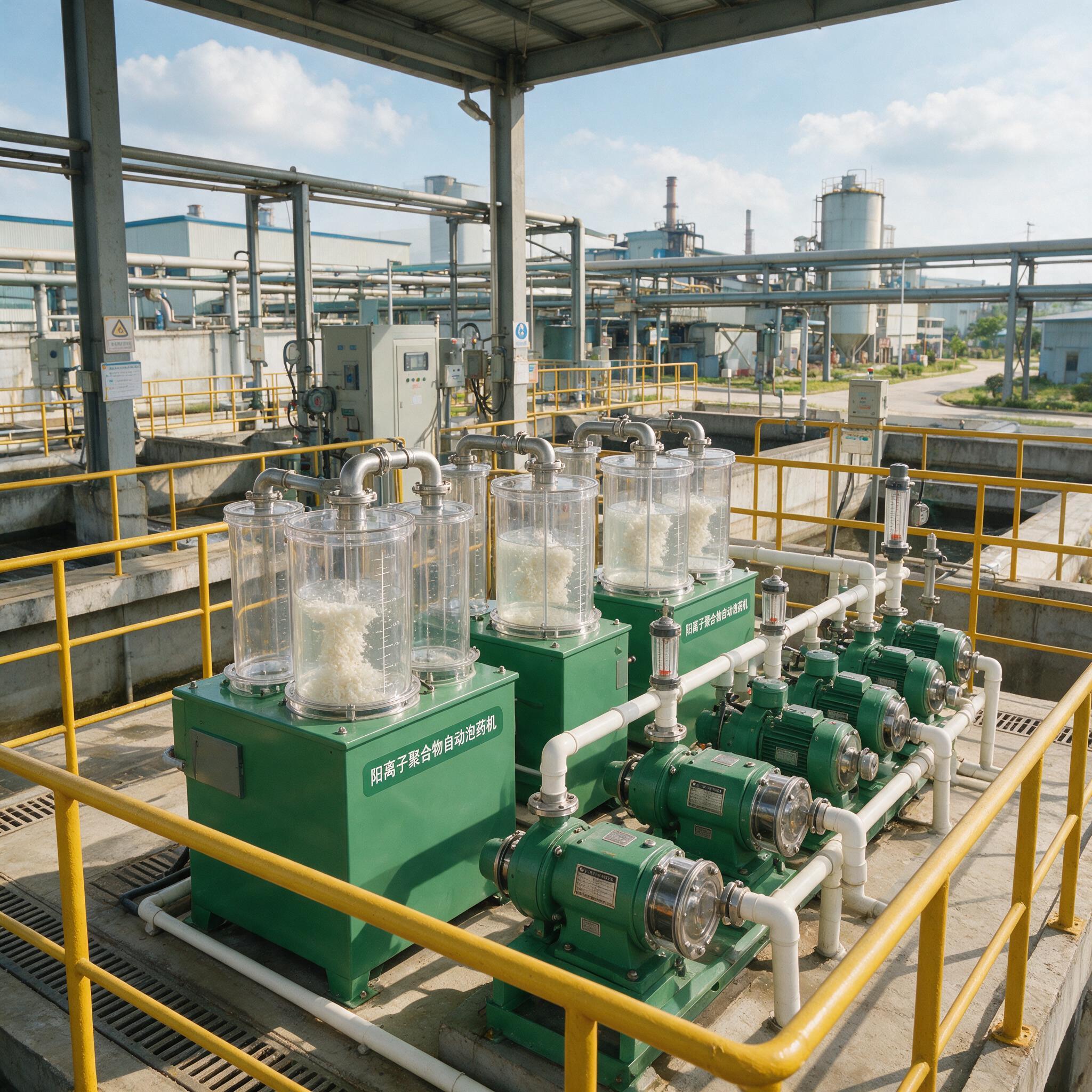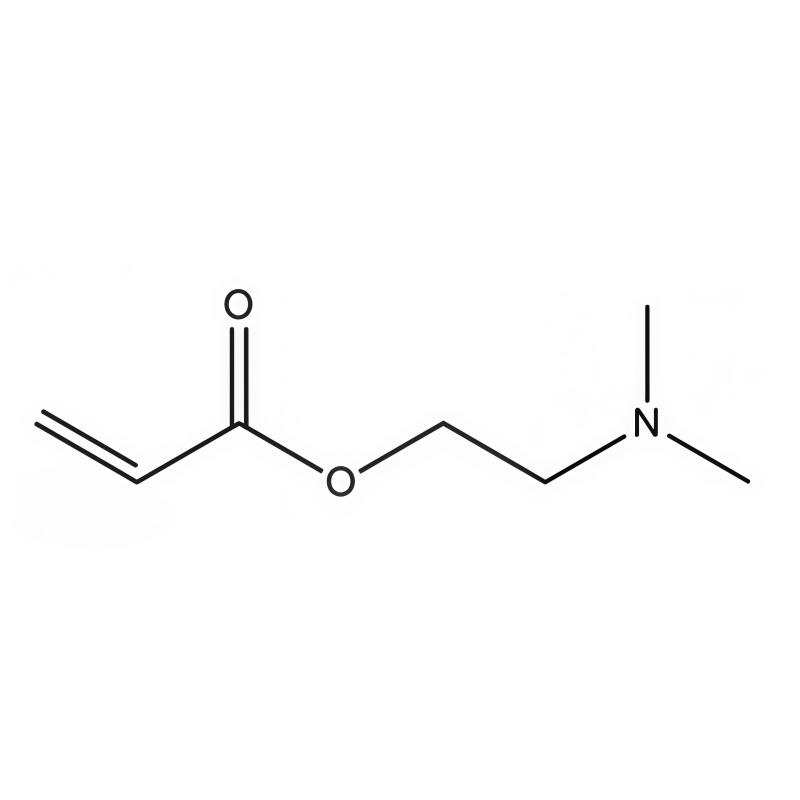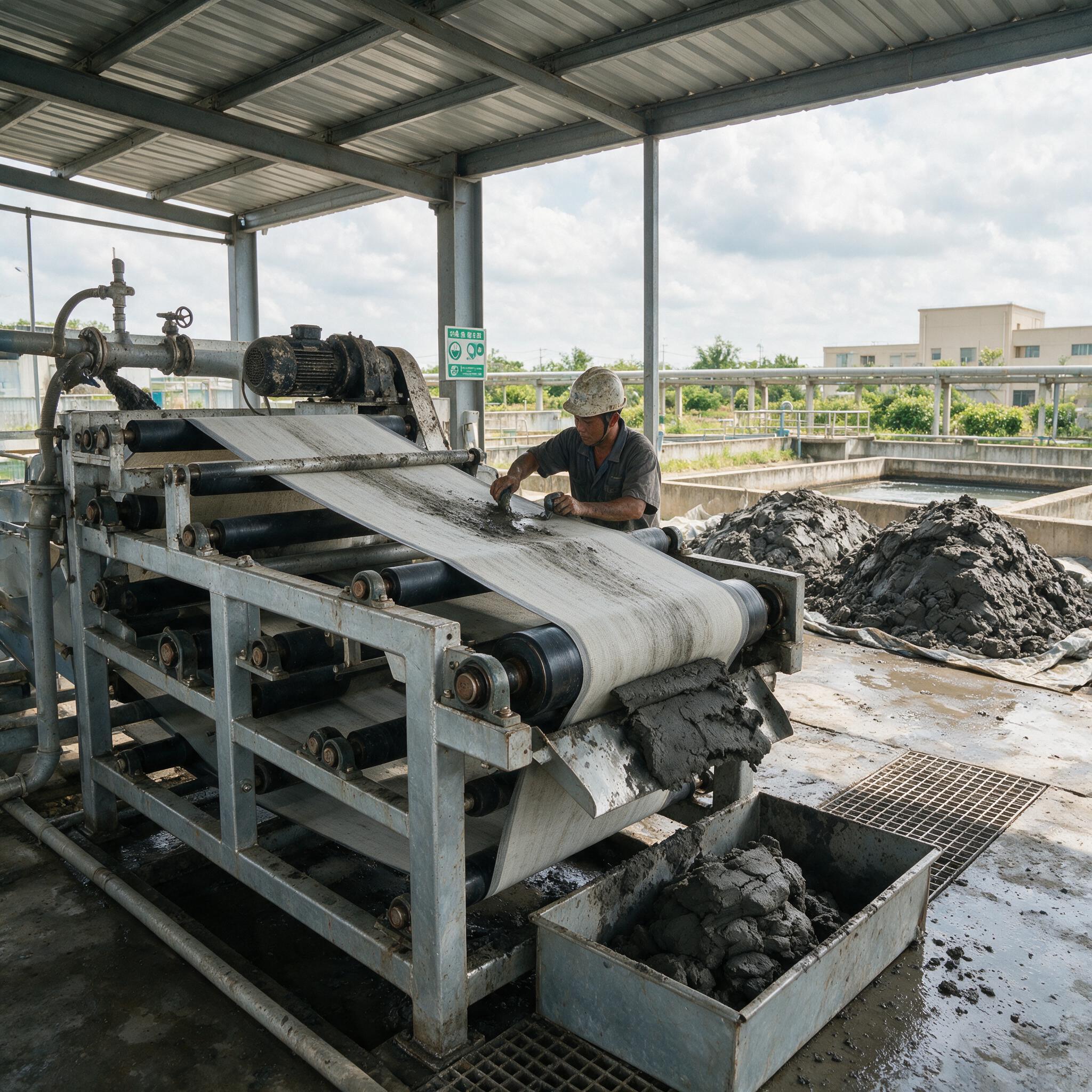
Water Soluble Cationic Polymer is a cornerstone of modern water management. The term refers to linear or branched polymers that carry a positive net charge and are fully soluble in aqueous solutions. These characteristics enable them to interact electrostatically with negatively charged particles—common in wastewater, such as clays, organic matter, and colloids—causing them to aggregate into larger flocs. This mechanism, known as flocculation, accelerates sedimentation and filtration processes. In the pulp and paper industry, cationic polymers facilitate fiber bonding and filler retention, improving sheet formation and reducing material waste. They also play a critical role in sludge dewatering, where they condition the sludge for efficient water removal, lowering disposal costs. Beyond traditional uses, recent innovations extend their application to membrane fouling control and heavy metal absorption.