Cationic Polyacrylamide for Wastewater & Sludge Dewatering

showlist/cationic-polyacrylamide, showlist/cationic-polyacrylamide, 
Inquiry
Inquiry
High-Performance Cationic Polyacrylamide for Water Treatment and Industrial Applications

High-Performance Cationic Polyacrylamide for Water Treatment and Industrial Applications

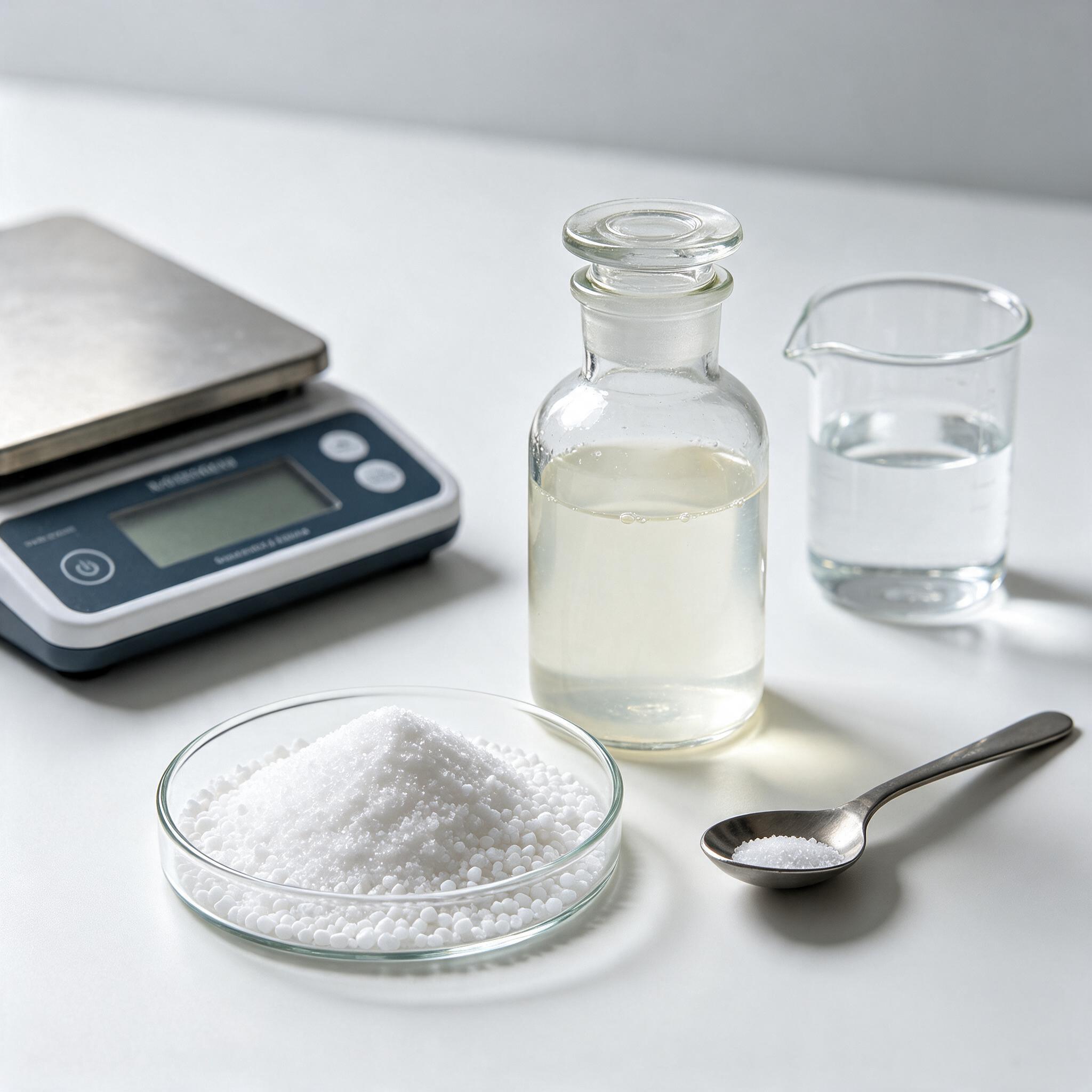
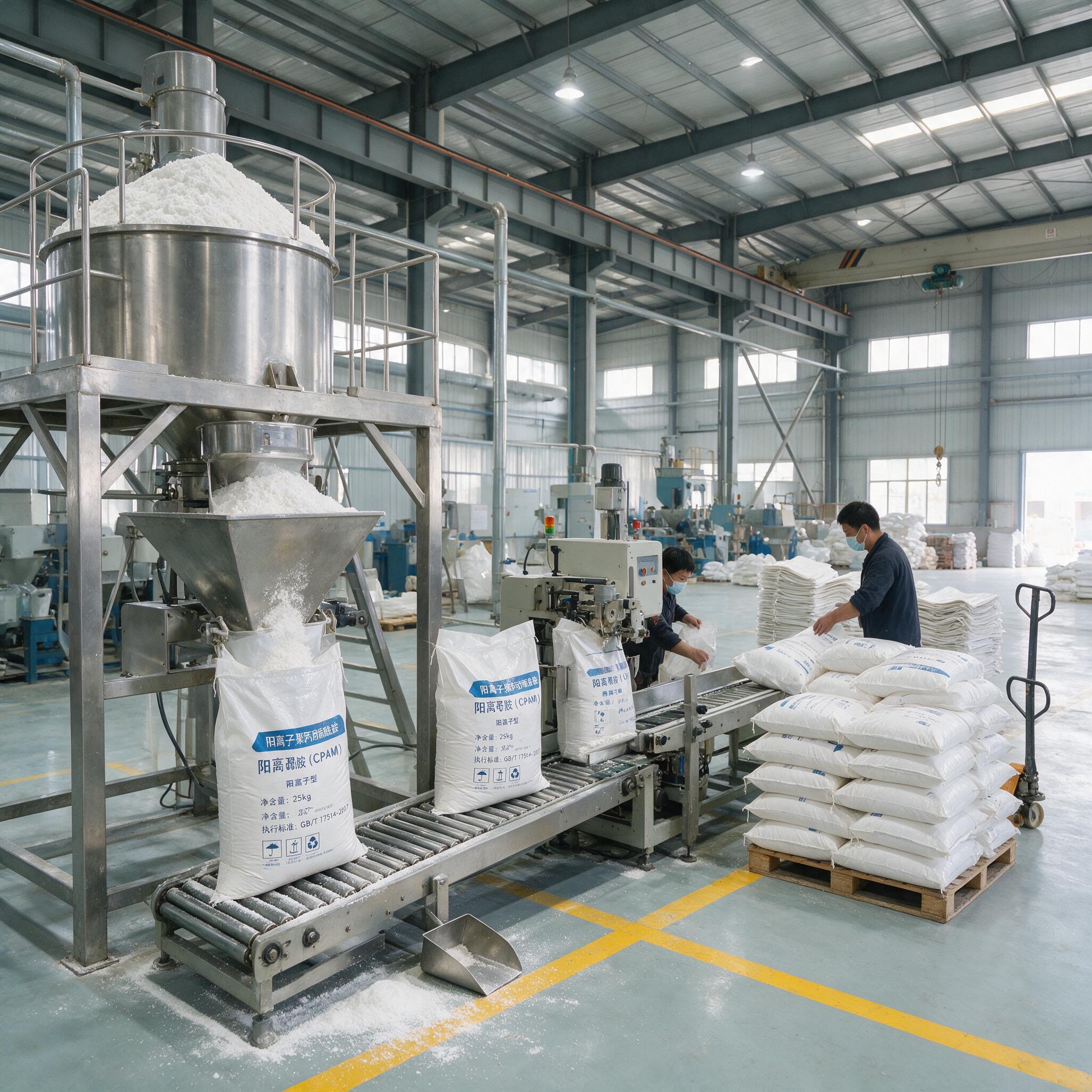
Cationic polyacrylamide (CPAM) is a versatile water-soluble polymer widely used in wastewater treatment, sludge dewatering, papermaking, and various industrial processes. As a leading manufacturer, Jiangsu Feymer Technology Co., Ltd. (688350) provides high-quality cationic polyacrylamide products that deliver superior flocculation, rapid settling, and enhanced solid-liquid separation. Our CPAM is engineered with advanced synthesis technology, ensuring high charge density, optimal molecular weight, and excellent solubility. It effectively addresses challenges in municipal and industrial wastewater, including high turbidity, organic loads, and fine particle suspensions. With a strong focus on sustainability, our products help reduce chemical oxygen demand (COD), total suspended solids (TSS), and sludge volume, contributing to lower operational costs and environmental compliance.
Get A Quote

Advantages of the product

Superior Flocculation Efficiency for Challenging Water Conditions

Cationic polyacrylamide from Feymer exhibits exceptional flocculation performance, even in complex wastewater streams with high turbidity, variable pH, and elevated organic content. Our polymer’s high positive charge density allows for strong electrostatic neutralization and bridging effects, effectively aggregating negatively charged colloidal particles and suspended solids. This results in rapid floc formation, faster settling rates, and clearer supernatant.

Optimized Sludge Dewatering and Volume Reduction

Sludge management is a critical challenge for municipal and industrial water treatment facilities. Feymer’s cationic polyacrylamide is specifically formulated to enhance sludge dewatering, significantly reducing sludge volume and disposal costs. By conditioning sludge with our CPAM, fine particles bind together to form larger, stronger flocs that release water more efficiently during mechanical dewatering processes such as belt presses, centrifuges, and filter presses.

Exceptional Solubility and Operational Reliability

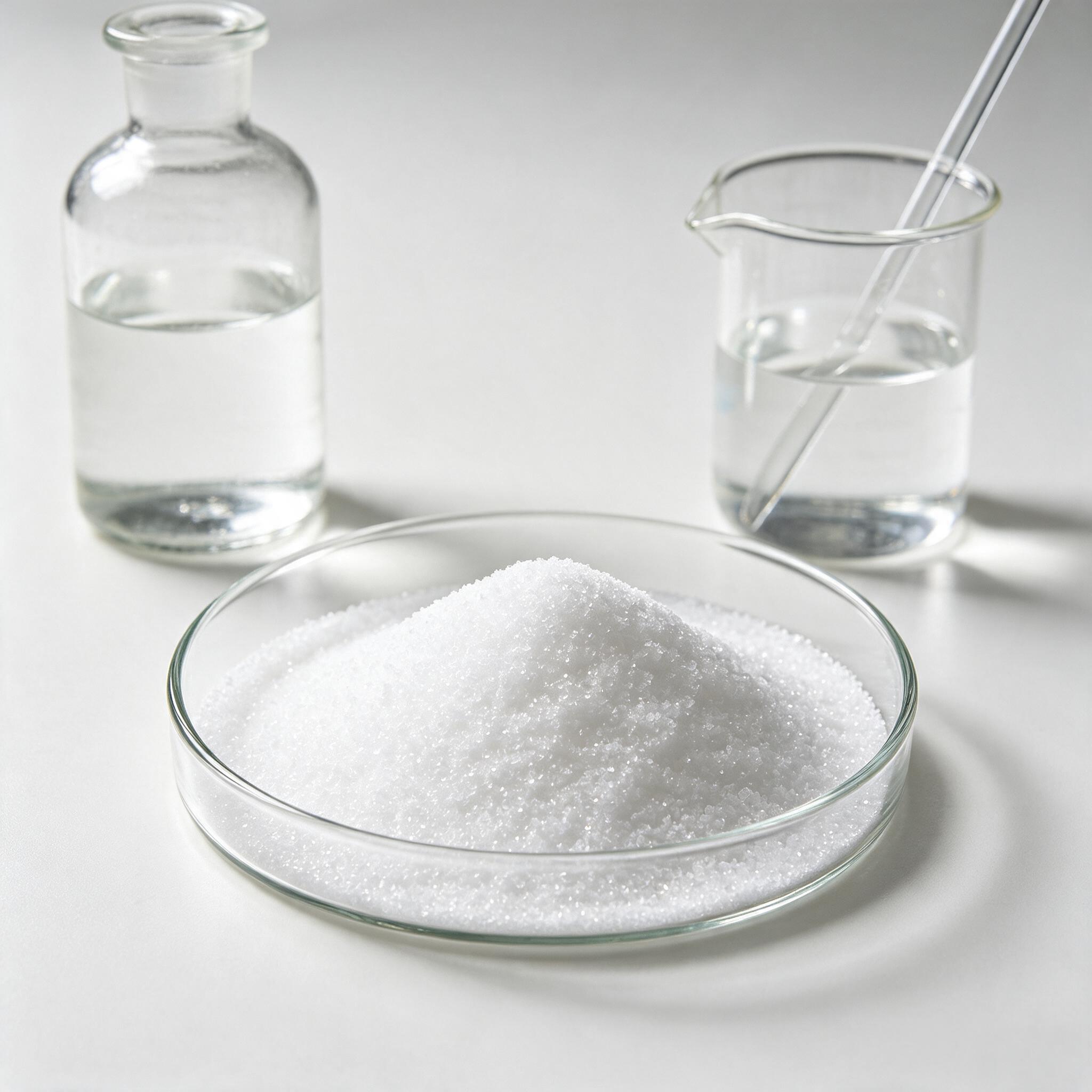
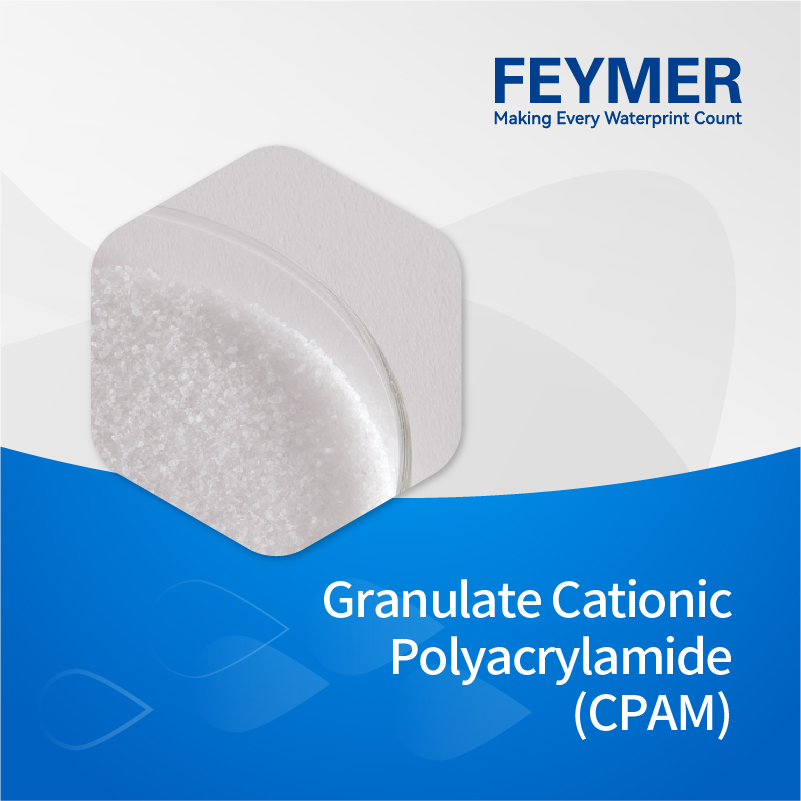
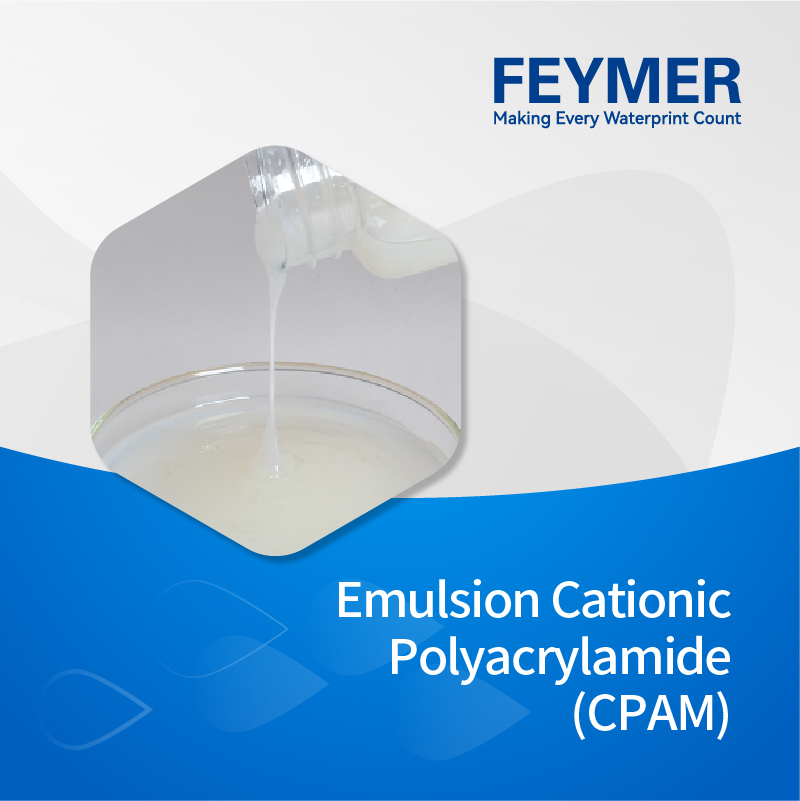
Cationic polyacrylamide from Feymer offers superior solubility and rapid dissolution, ensuring consistent performance and ease of use in continuous treatment operations. Our polymer powders are engineered to dissolve quickly and completely in water, reducing mixing time and avoiding lump formation that can clog pumps and pipes. This enhances process reliability and reduces maintenance downtime. We provide various product forms, including powder and emulsion, to accommodate different dosing systems and operational preferences.

Frequently Questions

What is the working mechanism of cationic polyacrylamide in water treatment?

Cationic polyacrylamide functions primarily through electrostatic neutralization and bridging. In water, the polymer’s positive charges attract negatively charged particles, such as clay, organic colloids, and bacteria. This neutralizes the surface charge, reducing repulsion between particles and allowing them to come closer together. Simultaneously, the long polymer chains can adsorb onto multiple particles, creating bridges that link them into larger aggregates, known as flocs. These flocs are heavier and settle faster, or can be removed by filtration. The effectiveness depends on the polymer’s molecular weight and charge density. High molecular weight CPAM provides excellent bridging, while high charge density aids in charge neutralization, especially in waters with high negative charge.
Sludge dewatering is enhanced by CPAM through conditioning, which alters the physical state of sludge to release water more easily. The polymer binds fine solids together into larger, stronger flocs, which allow water to escape during mechanical dewatering. This results in a higher cake solids content, typically 20-30%, reducing the volume of final sludge. In belt presses, the conditioned sludge forms a stable cake that releases water quickly. In centrifuges, the dense flocs withstand high centrifugal forces without breaking. The use of CPAM also reduces the need for excessive energy input, as dewatering becomes more efficient. Additionally, it can reduce polymer consumption by 30% compared to conventional inorganic chemical conditioning, leading to lower operating costs.

Related Article

Why DADMAC Is Essential for PolyDADMAC Production

18

Aug

Why DADMAC Is Essential for PolyDADMAC Production

Discover why DADMAC is essential for PolyDADMAC production. Explore chemical properties, industrial applications, and reliable supply solutions with Feymer.
View More
How to Select High Efficiency Water Soluble Polymer for Wastewater

18

Aug

How to Select High Efficiency Water Soluble Polymer for Wastewater

Learn how to select high efficiency water soluble polymer for industrial wastewater treatment with technical metrics, application data, and expert support from Feymer.
View More
Advantages of Water Soluble Polymer in Papermaking & Mining

20

Aug

Advantages of Water Soluble Polymer in Papermaking & Mining

Discover industrial uses and technical advantages to boost mill efficiency and lower material expenses.
View More

Customer Testimonials

James Smith
Transformed Our Sludge Dewatering Process

We have been using Feymer’s cationic polyacrylamide for over a year in our municipal wastewater treatment plant. The product’s performance is outstanding – we achieved 25% higher cake solids compared to our previous supplier. The dewatering cycle time reduced by 30%, and we cut our polymer consumption by 18%. The technical support team provided excellent guidance during the trial, and the product quality is extremely consistent. This has significantly reduced our disposal costs and improved our overall plant efficiency.

Miguel Fernandez
Improved Effluent Quality and Cost Savings

As a textile manufacturer, we faced stringent discharge regulations. Feymer’s CPAM helped us consistently meet COD and TSS limits. The flocculation is rapid, and the flocs settle quickly, increasing our treatment capacity. We also noticed a reduction in sludge volume, saving us thousands in disposal fees. The product is easy to handle and dissolves without issue. Their team even helped us optimize our dosing system, leading to a 20% chemical cost reduction. Highly recommended for industries with tough water treatment challenges.

Get a Free Quote

Our representative will contact you soon.
0/1000
Sustainable Production and Supply Chain

Sustainable Production and Supply Chain

Feymer is committed to sustainability in every aspect of our operations. We produce cationic polyacrylamide using energy-efficient processes and renewable or low-impact raw materials. Our manufacturing facilities in Jiangsu and Anhui are equipped with advanced wastewater treatment and emission control systems, ensuring minimal environmental footprint. We source raw materials from certified suppliers and maintain a robust supply chain to ensure consistent availability. Our logistics network enables timely delivery across global markets, reducing lead times and investment in inventory. We also offer technical training and support to help clients optimize usage, minimizing waste and enhancing overall environmental performance. By choosing Feymer, you partner with a company that aligns with your sustainability goals and helps you meet environmental regulations while improving cost efficiency.
Customized Solutions and Technical Expertise

Customized Solutions and Technical Expertise

At Feymer, we understand that no two water treatment challenges are the same. That’s why we offer customized cationic polyacrylamide solutions tailored to your specific water chemistry, process conditions, and performance targets. Our R&D team, with extensive expertise in water-soluble polymers, works closely with clients to develop product modifications that enhance performance in unique environments. We provide comprehensive technical support, including laboratory jar testing, on-site pilot trials, and dosage optimization. This ensures you receive the most effective and economical solution. Our global experience with diverse industries allows us to anticipate challenges and deliver proactive recommendations. We also offer training for your staff on best practices for polymer handling and application. By leveraging our expertise, you can achieve superior treatment outcomes while minimizing total operational costs.