Revolutionizing Oilfield Injection Water Treatment and Scale Inhibition
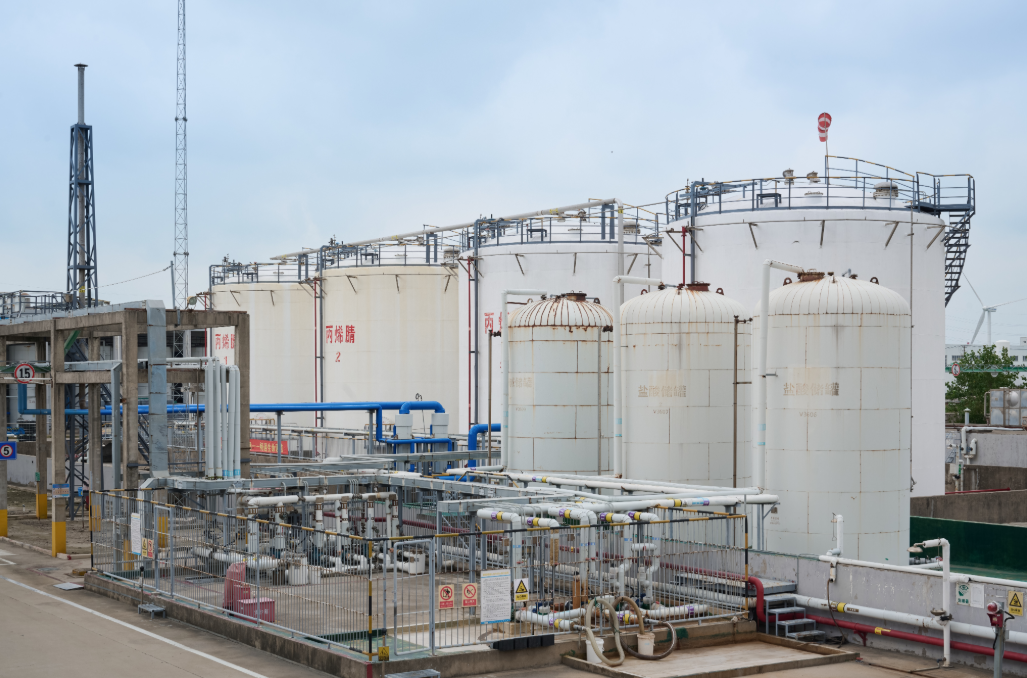
Crude oil extraction operations rely heavily on secondary water flooding to maintain reservoir pressure and sustain commercial production yields over decades of field life. However, injecting untreated produced water or raw sourcing brine introduces heavy mineral loads and corrosive sulfate ions that trigger severe downhole scaling, plugging injection wells and destroying expensive submersible pumps. Applying a specialized polyamine formulation directly into the surface filtration and injection manifold neutralizes dissolved scales and precipitates suspended particulates before they enter the formation rock. Field engineers and reservoir specialists utilize this targeted polyamine treatment to prevent calcium sulfate deposition, maintain optimal permeability, and secure consistent injection pressure across challenging offshore platforms. Comprehensive petroleum engineering production audits confirm that deploying high-purity polyamine scale inhibitors reduces well intervention frequency by nearly 35 percent, transforming high-risk injection networks into highly stable, cost-effective crude recovery assets.
Combating Industrial Cooling Tower Biofilm and Microbial Fouling
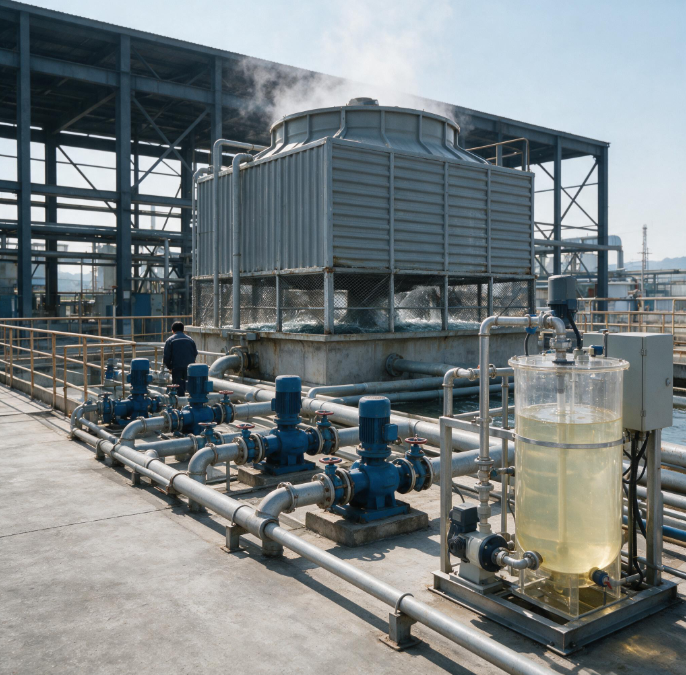
Large-scale manufacturing plants, chemical processing facilities, and power generation stations depend on open recirculating cooling water systems to dissipate immense thermal loads generated during continuous heavy industrial cycles. Without rigorous microbiological control, cooling tower basins and heat exchanger tube bundles quickly become breeding grounds for algae, slime-forming bacteria, and dangerous legionella colonies that severely impair heat transfer efficiency. Integrating a high-performance polyamine biocide and non-oxidizing flocculant into the routine water treatment schedule disrupts cellular membranes and rapidly strips stubborn biofilms from metallic surfaces. Plant operators rely on this specialized polyamine chemistry to restore optimal thermal exchange coefficients, prevent localized under-deposit corrosion, and extend the operational longevity of costly shell-and-tube exchangers. Extensive thermal performance monitoring data demonstrates that proper polyamine dosing protocols lower overall cooling system energy consumption by up to 12 percent, protecting plant infrastructure and yielding substantial utility savings.
Enhancing Heavy Metal Removal in Mining and Smelting Effluents
Mineral processing, metal smelting, and ore extraction activities generate massive volumes of complex wastewater containing hazardous dissolved heavy metals such as copper, zinc, nickel, and lead. Discharging these toxic effluents without rigorous chemical polishing violates strict environmental protection statutes and inflicts irreversible ecological damage on local watersheds and aquatic habitats. Applying a specialized polyamine precipitating agent into the neutralization and clarification stages coordinates with metal ions to form stable, highly insoluble chelate complexes that settle rapidly into dense sludges. Environmental compliance engineers deploy this robust polyamine treatment to achieve near-total heavy metal extraction, easily meeting stringent regional discharge thresholds prior to final polishing. Comprehensive environmental monitoring logs show that optimized polyamine coagulation programs reduce effluent heavy metal concentrations to ultra-trace levels, ensuring complete regulatory compliance and safeguarding surrounding ecosystems from toxic contamination.
Accelerating Petrochemical Wastewater DAF Clarification Efficiency
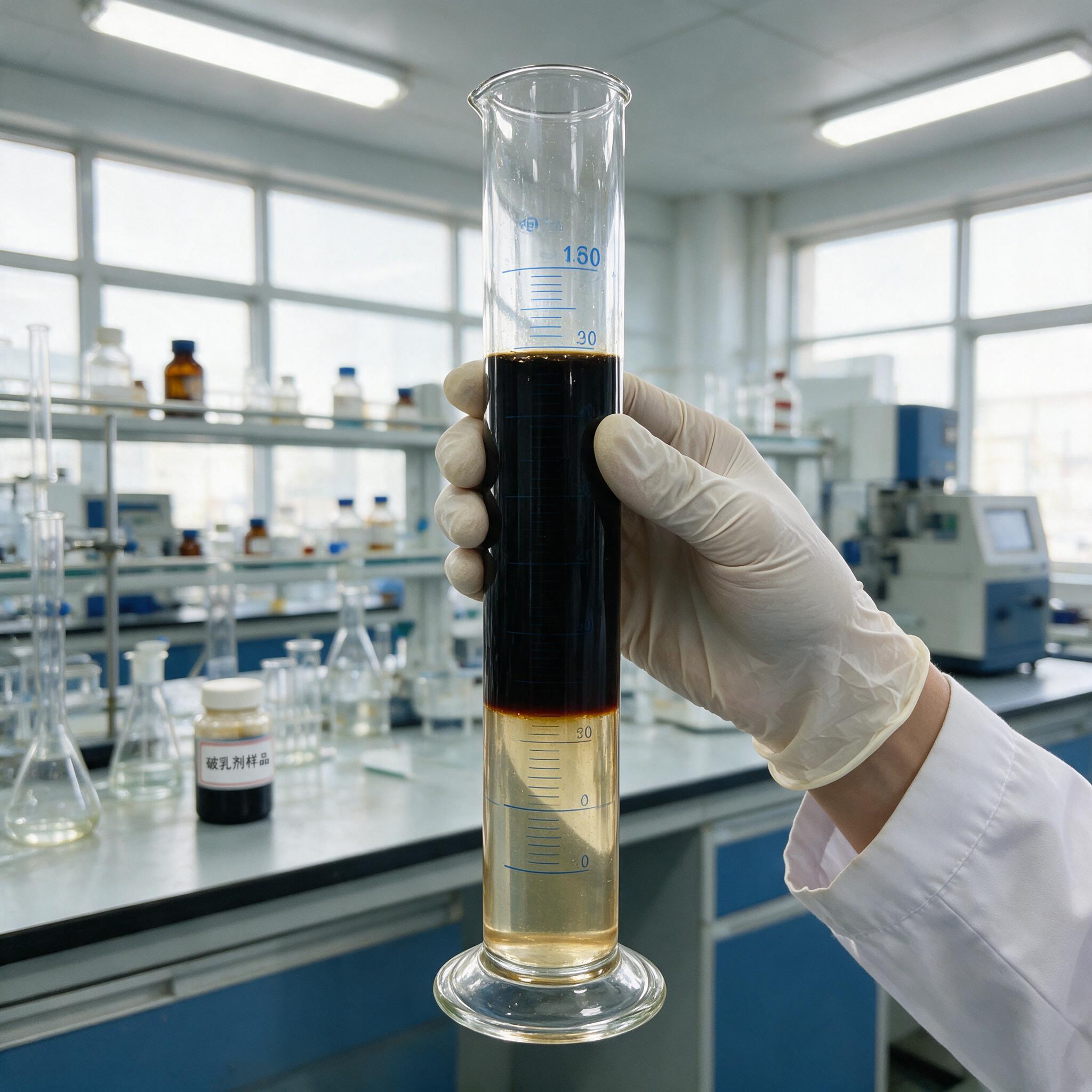
Refinery operations and petrochemical manufacturing complexes produce highly emulsified oily wastewaters laden with dispersed hydrocarbons, volatile organic compounds, and stubborn suspended petroleum droplets. Traditional gravity separation basins and standard API separators frequently fail to break stable oil-in-water emulsions, resulting in high hydrocarbon carryover into downstream biological treatment units. Introducing a specialized high-charge polyamine demulsifier and coagulant into the dissolved air flotation system neutralizes the protective electrical charge surrounding oil droplets, promoting rapid coalescence and floating scums. Facility supervisors utilize this advanced polyamine conditioning to maximize oil-water separation rates and produce pristine subnatant water suitable for safe biological polishing or direct reuse. Comprehensive refinery environmental audits prove that targeted polyamine dosing reduces total petroleum hydrocarbon concentrations in effluent streams by over 92 percent, streamlining wastewater treatment plant operations and minimizing environmental liabilities.
Feymer: Your Trusted Partner in Advanced Industrial Polymers
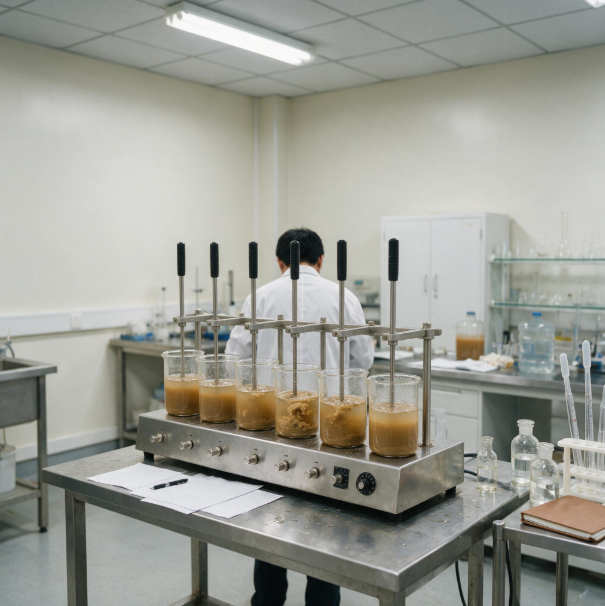
Achieving flawless execution in complex water treatment and chemical processing applications requires not only precise formulations and deep technical expertise, but also a dependable manufacturing partner dedicated to uncompromising product consistency and supply chain reliability. Feymer has earned a stellar international reputation as a leading global manufacturer and technical innovator of specialized water-soluble polymers, including high-purity polyamine engineered specifically for demanding industrial environments. By blending decades of rigorous chemical synthesis research with advanced, automated manufacturing capabilities, the organization guarantees that every production batch of polyamine delivers optimal molecular weight distribution and predictable reactivity across diverse operational settings. Feymer provides comprehensive, data-driven technical support, assisting plant engineers in conducting on-site jar testing and designing customized polyamine dosing protocols tailored to unique effluent profiles. Through an extensive global distribution network and an unwavering commitment to customer success, the organization empowers industrial enterprises worldwide to maximize treatment efficiency, minimize operational expenditures, and achieve ambitious corporate sustainability targets while maintaining absolute safety standards.
Embracing Autonomous Dosing and Smart Water Management
Looking toward the future, the industrial processing and water treatment sectors are undergoing a profound digital evolution driven by real-time sensor technologies, automated control loops, and artificial intelligence-driven analytics designed to optimize chemical usage. The next generation of polyamine applications is increasingly moving toward automated dosing systems that continuously monitor turbidity, pH fluctuations, and flow rates in real time. These smart technological frameworks dynamically adjust polyamine injection rates down to the milliliter, completely eliminating human error, preventing chemical overfeeding, and maintaining peak separation efficiency under highly variable influent conditions. By adopting these cutting-edge digital innovations and partnering with established industry leaders, modern industrial operations utilizing advanced polyamine technology will successfully reconcile high-speed operational productivity with the critical economic and environmental imperatives of absolute water stewardship. As smart plant initiatives expand globally, the seamless integration of intelligent chemical delivery mechanisms will undoubtedly redefine industry standards, securing a highly efficient, sustainable, and profitable future for industrial operations worldwide.

 EN
EN