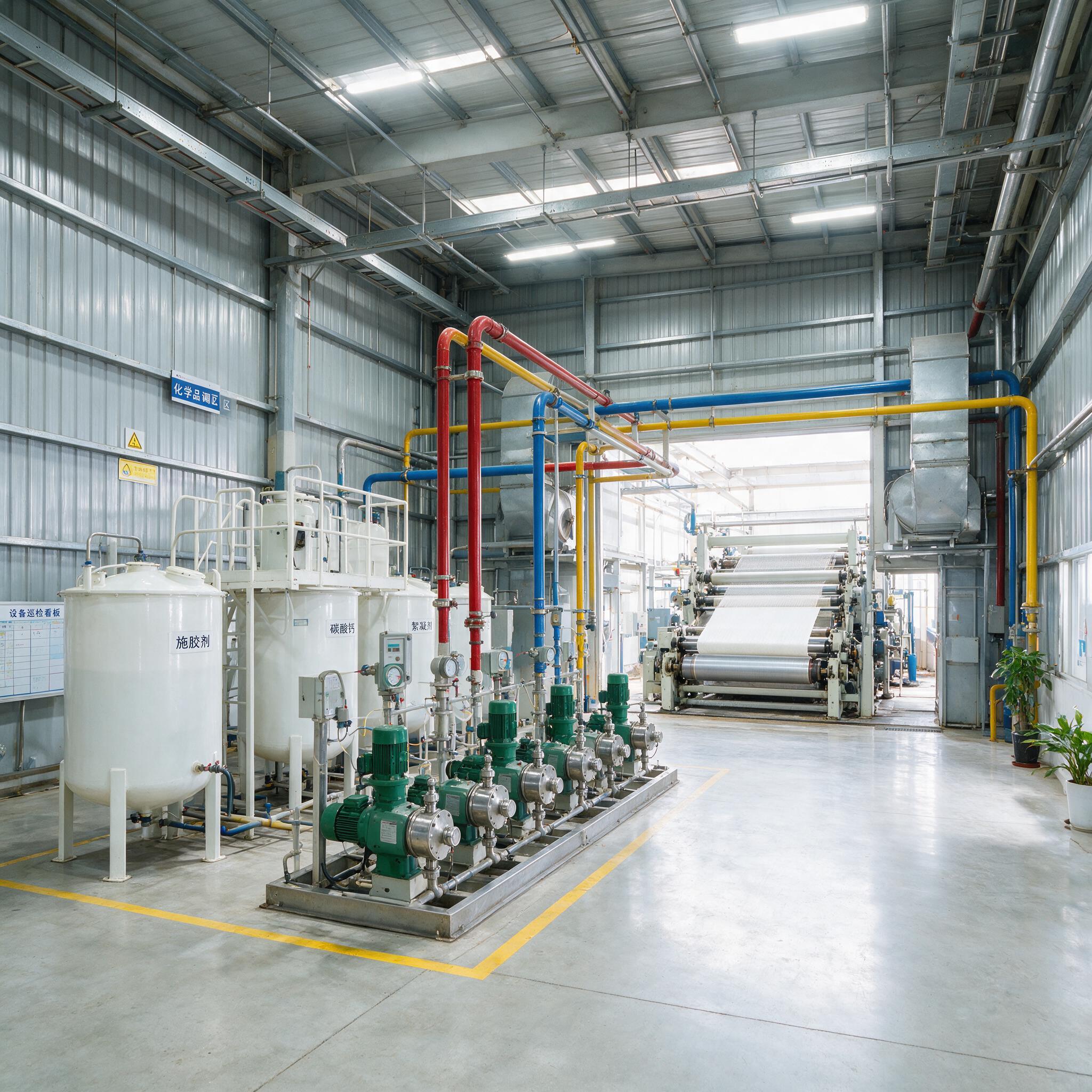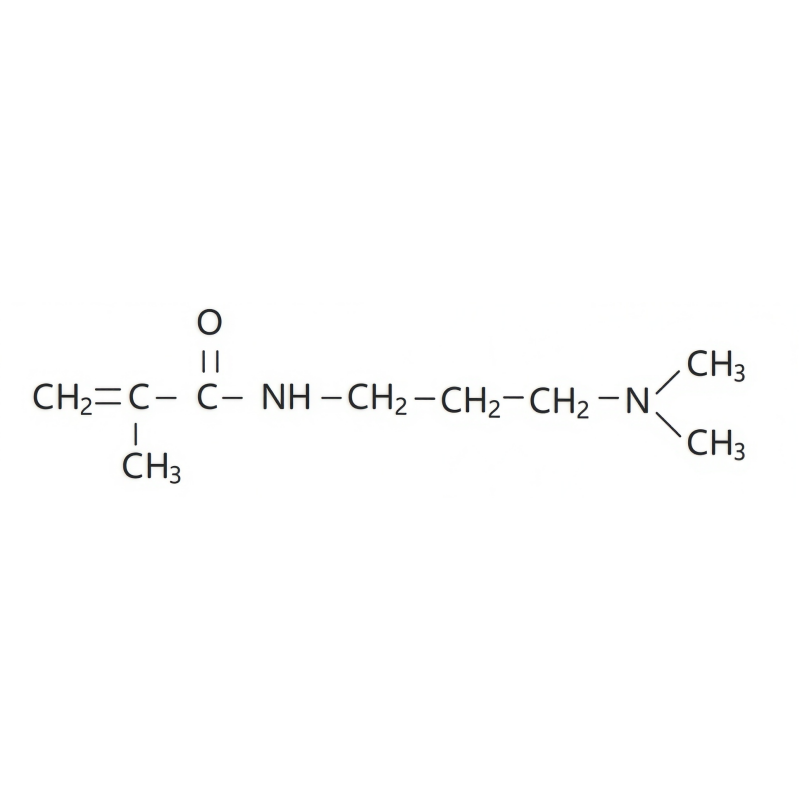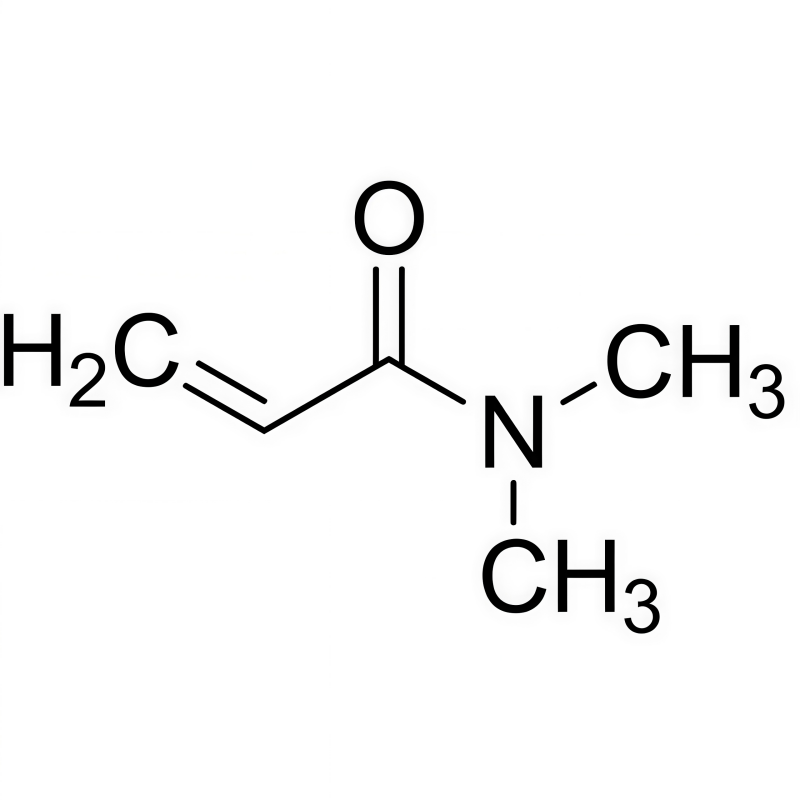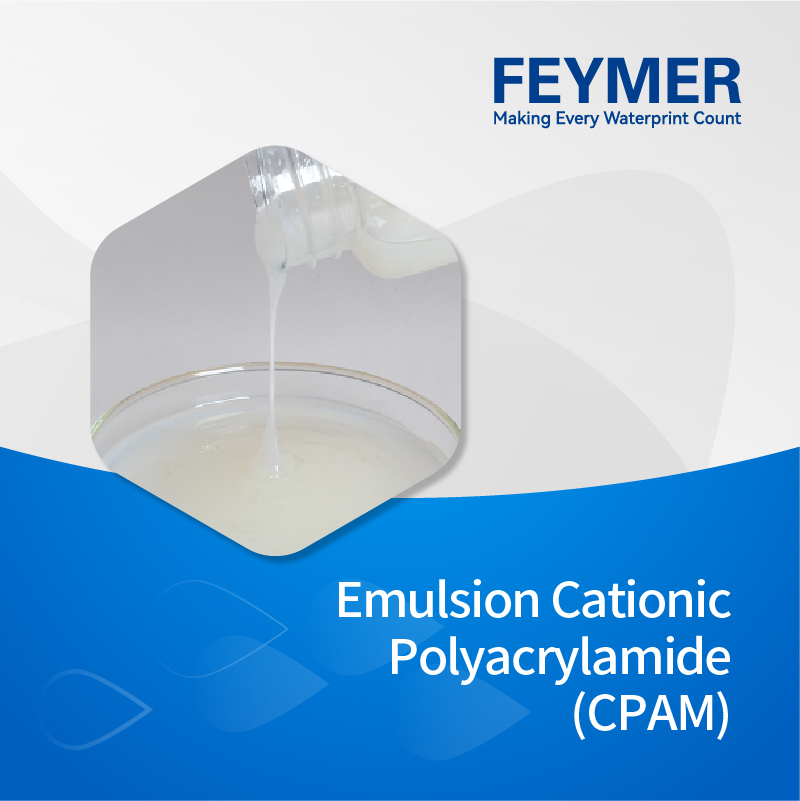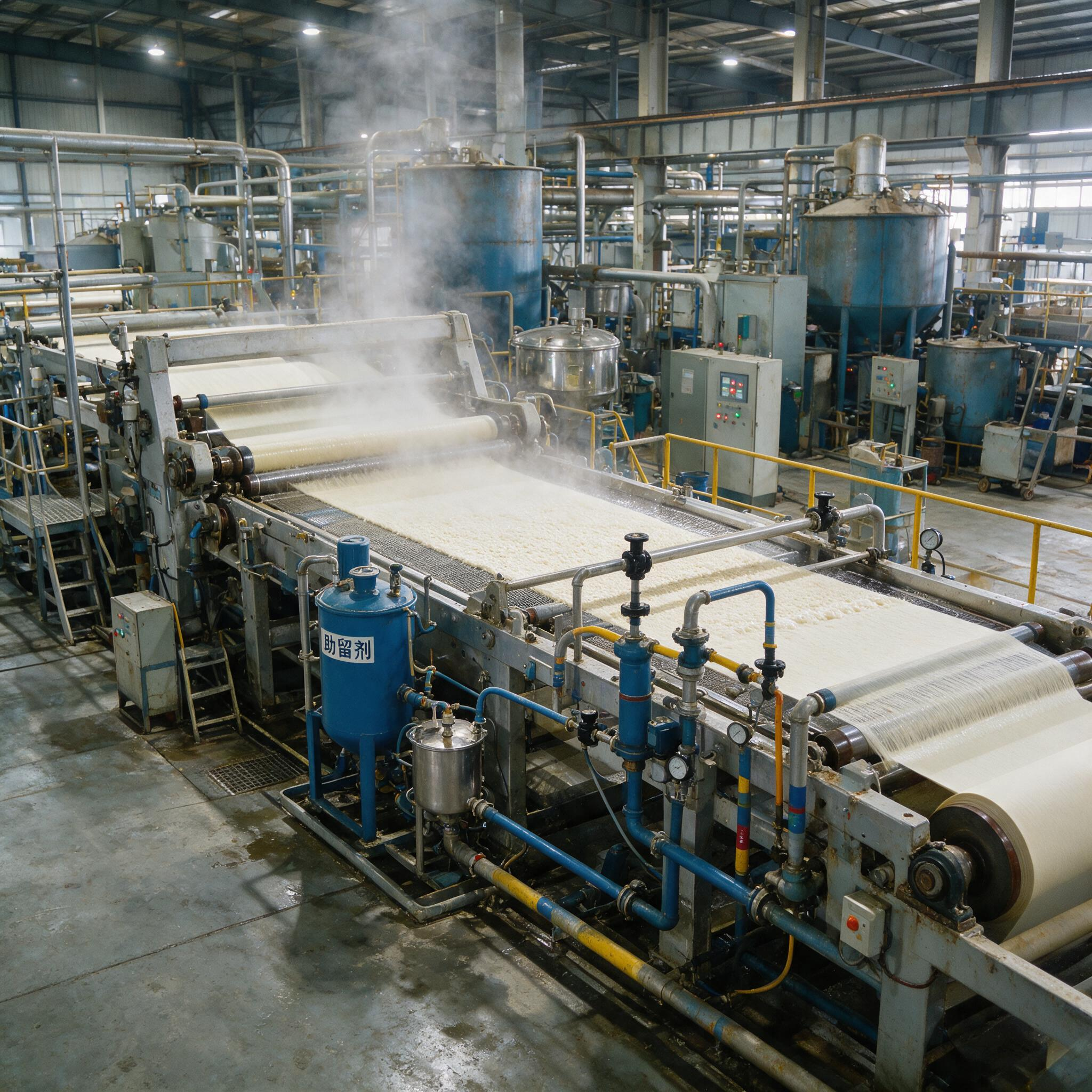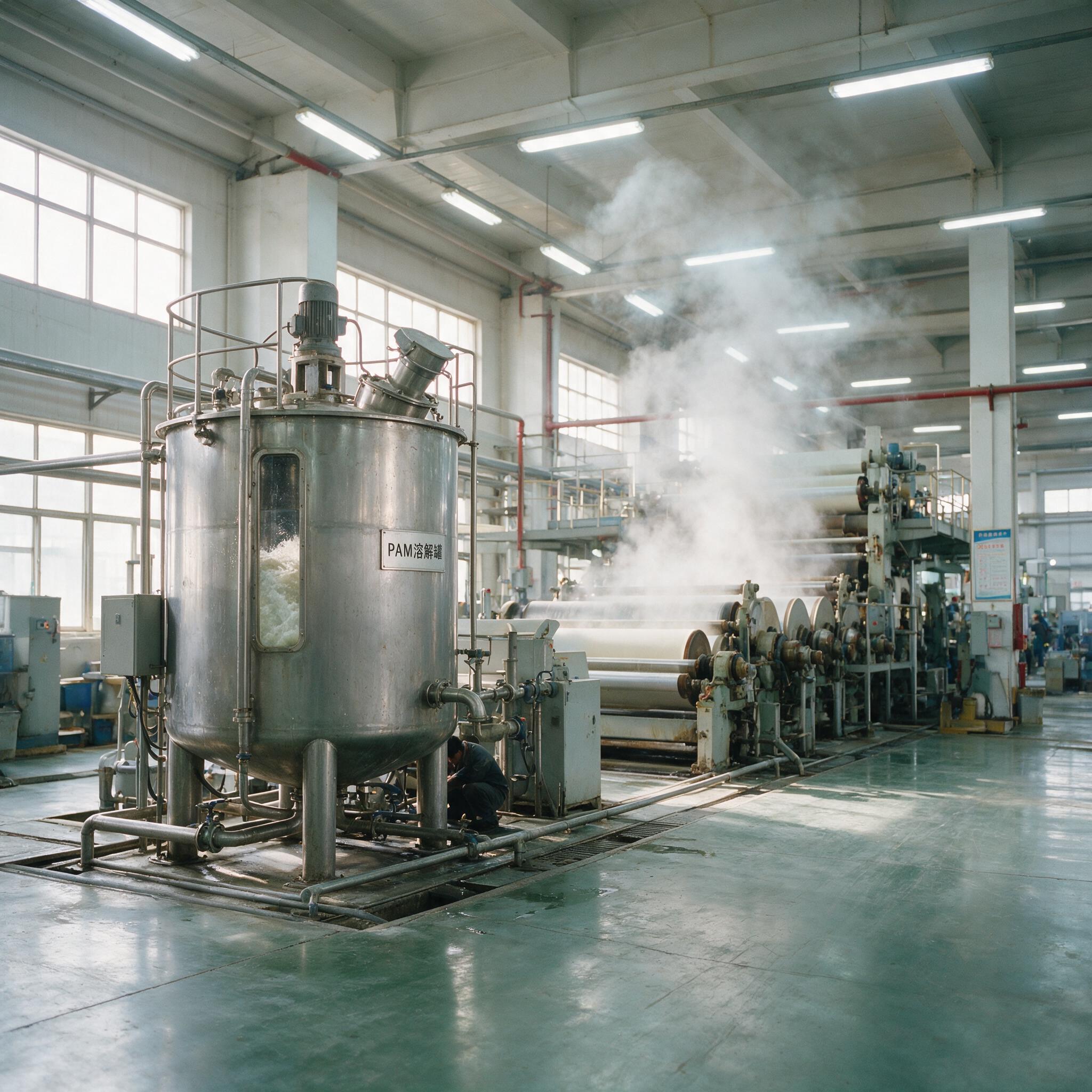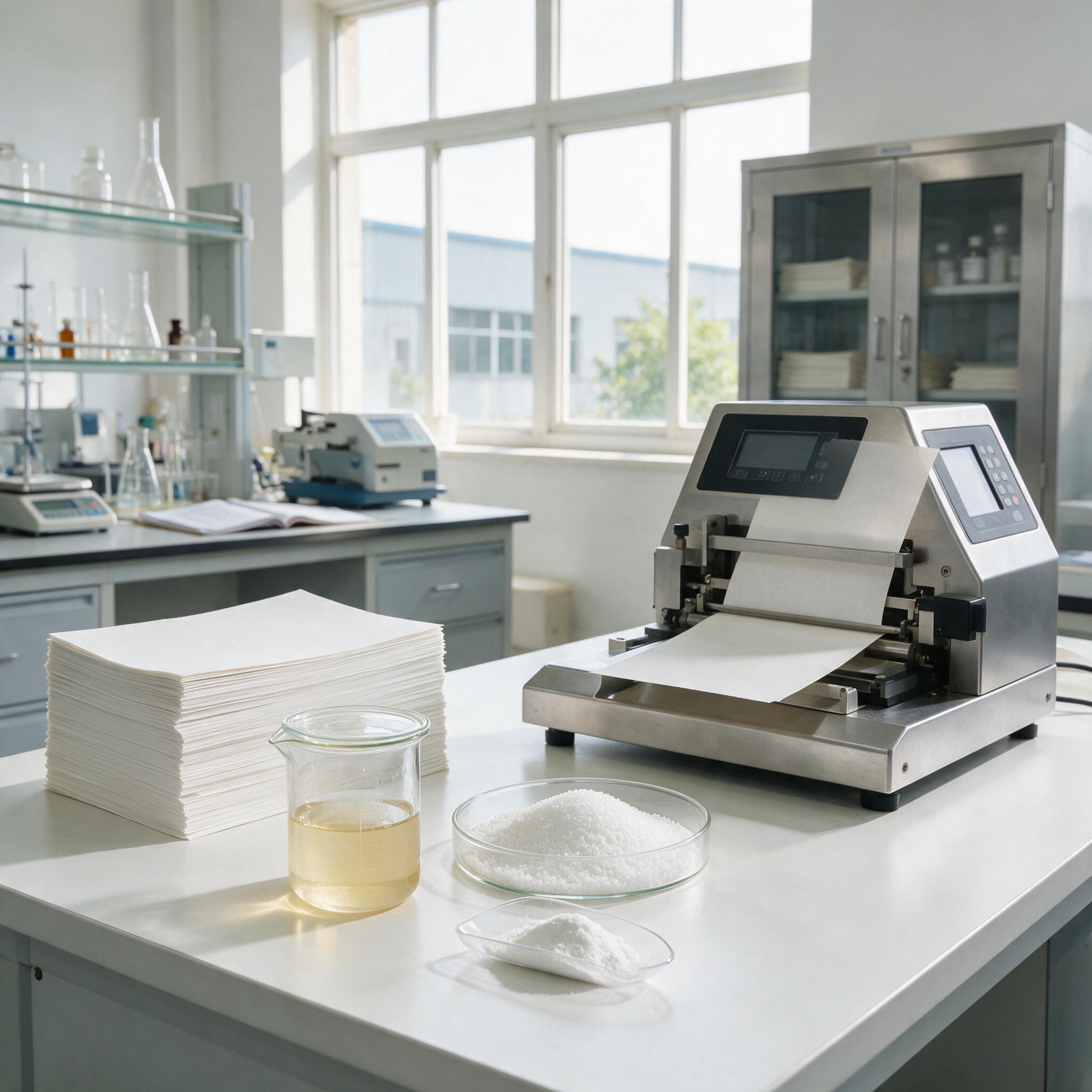
Paper mill polyacrylamide (PAM) is a versatile water-soluble polymer widely used in the pulp and paper industry. Its primary functions include improving retention of fine particles, accelerating drainage, enhancing paper strength, and facilitating water clarification. The effectiveness of PAM depends on its molecular weight, ionic charge type, and charge density. In papermaking, PAM molecules adsorb onto fiber surfaces, bridging them together and creating flocs that retain fines and fillers. This leads to a more efficient use of raw materials and a cleaner process. Furthermore, PAM helps in the formation of a uniform sheet structure, which is essential for high-quality paper. In addition to wet-end applications, PAM is also used in the paper mill’s wastewater treatment to coagulate and flocculate suspended solids, reducing the environmental impact of effluent. Understanding the chemistry of PAM and optimizing its application are crucial for achieving maximum benefits.