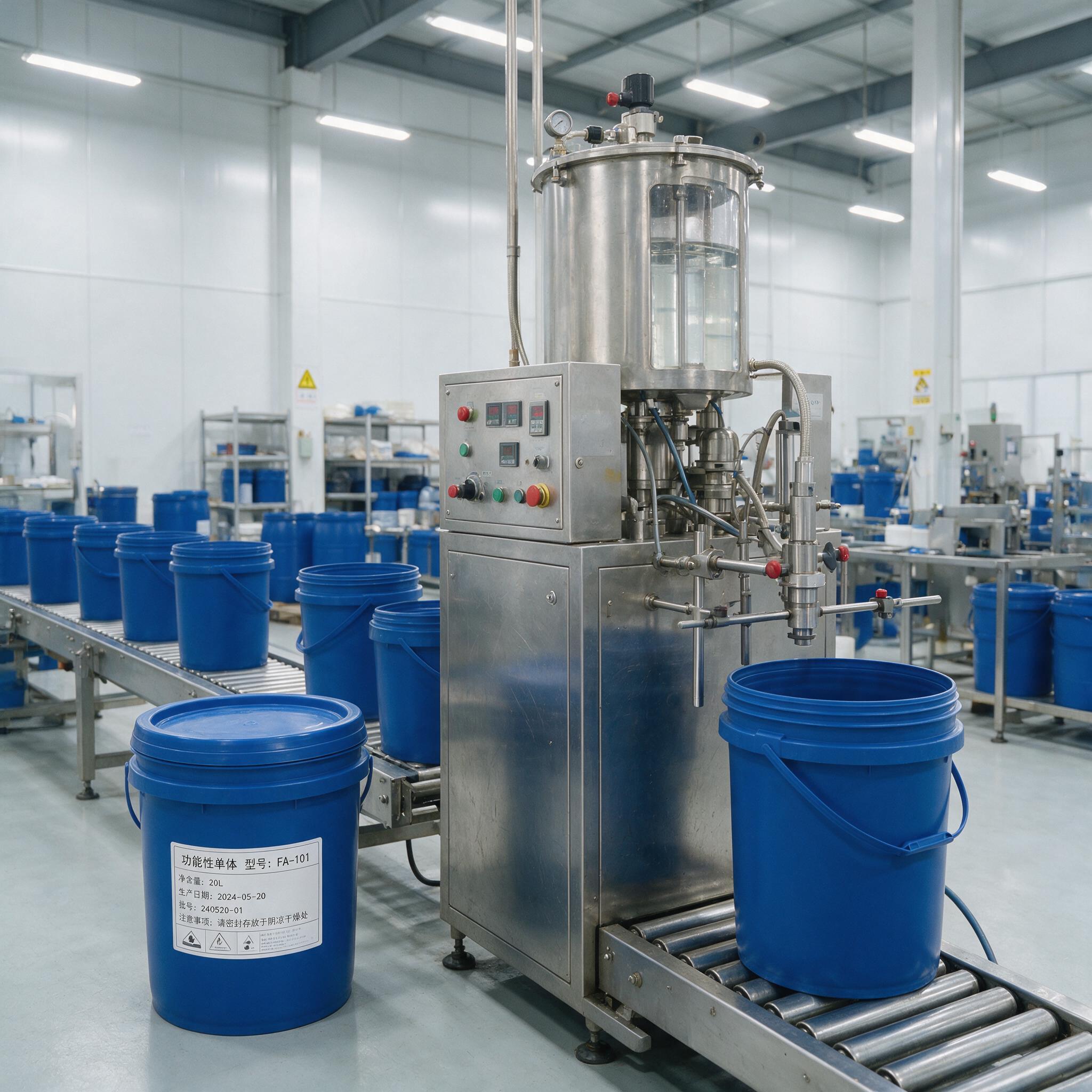
Non Ionic Polyacrylamide for Acidic Wastewater Treatment

showlist/non-ionic-polyacrylamide, showlist/non-ionic-polyacrylamide, 
Inquiry
showlist/non-ionic-polyacrylamide, showlist/non-ionic-polyacrylamide, 
Inquiry
High-Performance Non Ionic Polyacrylamide for Industrial Wastewater Treatment

High-Performance Non Ionic Polyacrylamide for Industrial Wastewater Treatment

Our advanced Non Ionic Polyacrylamide is engineered for superior performance in highly acidic or specialized industrial water treatment applications. Designed for maximum efficiency in sectors such as mining, metallurgy, and textile processing, this specialized polymer consistently reduces suspended solids by up to 98% and improves filtration rates significantly. In a recent mineral processing project treating 40,000 cubic meters daily, our Non Ionic Polyacrylamide decreased flocculant consumption by 28% while accelerating sedimentation velocities. Backed by rigorous ISO-certified quality standards, our formulation ensures robust performance across varying chemical matrices and challenging environmental conditions.
Get A Quote

Advantages of the product

Exceptional Performance Under Acidic and Low-pH Conditions

Our Non Ionic Polyacrylamide features a specialized non-ionic molecular structure that maintains high stability and flocculation efficiency in extremely acidic industrial effluents where conventional ionic polymers fail. In a mining ore-leaching operation processing 15,000 tons of slurry daily, our formulation successfully neutralized colloidal suspensions and accelerated sedimentation rates despite a low pH level of 2.5. This unique resilience prevents polymer chain degradation, ensuring clear supernatant recovery and reducing chemical re-dosing costs by 35% for heavy industrial plants.

Superior Flocculation and Rapid Sedimentation Kinetics

Engineered with an optimized molecular weight distribution, our Non Ionic Polyacrylamide delivers powerful bridging capabilities that bind microscopic particles into dense, fast-settling micro-flocs. In a large-scale metallurgical wastewater facility, implementing this polymer shortened the overall clarification cycle time by 45% while decreasing turbidity from 600 NTU to under 8 NTU. The robust flocs withstand high-shear mixing environments without breaking apart, guaranteeing exceptional water clarity and protecting downstream filtration units from blinding.

Optimized Dewatering and Reduced Sludge Volume

Managing residual sludge in heavy manufacturing presents significant operational challenges, which our Non Ionic Polyacrylamide resolves by releasing bound capillary water effectively during mechanical dewatering. Operational data from a chemical processing plant demonstrated a 38% increase in sludge cake dryness alongside a 30% reduction in overall polymer conditioning expenditures. Furthermore, the enhanced structural stability of the dewatered cake minimized equipment wear, extending filter press fabric lifespans and lowering ongoing facility maintenance overhead.

The production and application of our Non Ionic Polyacrylamide adhere to state-of-the-art chemical engineering standards designed to meet the rigorous demands of global industrial markets. Manufactured through advanced solution polymerization under strict ISO 9001 protocols, each batch undergoes meticulous molecular weight distribution and residual monomer testing to guarantee absolute batch-to-batch consistency. In heavy manufacturing sectors such as mineral beneficiation, paper production, and acidic wastewater processing, the integration of our Non Ionic Polyacrylamide transforms standard separation workflows into highly optimized, automated systems. By delivering stable, non-ionic charge characteristics, the polymer aggregates fine suspended particles without interference from high salt concentrations or fluctuating ion valencies. Global operational metrics indicate that facilities utilizing our Non Ionic Polyacrylamide achieve an average 94% reduction in suspended solids and significantly lower overall treatment overheads compared to traditional alternatives.

Frequently Questions

How does Non Ionic Polyacrylamide perform in acidic wastewater compared to ionic polymers?

Unlike anionic or cationic polymers that can experience charge neutralization interference or precipitation in low-pH environments, our Non Ionic Polyacrylamide remains completely uncharged and stable across strongly acidic conditions. In heavy industrial trials, it maintains consistent bridging efficiency without chemical degradation, ensuring reliable solids-liquid separation and reducing treatment expenses by over 30 percent in complex acidic streams.
Our Non Ionic Polyacrylamide is exceptionally effective in industries dealing with low-pH or high-salt effluents, including hydrometallurgical ore processing, coal washing, textile manufacturing, and specialized chemical synthesis. A recent mining application processing 20,000 cubic meters daily proved its outstanding capacity to clarify acidic leach solutions and optimize tailing dam management efficiently.

Related Article

What is DADMAC and How Does it Support Polymer Synthesis?

17

Jul

What is DADMAC and How Does it Support Polymer Synthesis?

Discover how DADMAC supports high-performance polymer synthesis. Feymer provides high-purity cationic monomer solutions for water treatment and papermaking.
View More
What Are the Industrial Uses of Polyamine?

03

Aug

What Are the Industrial Uses of Polyamine?

Discover diverse industrial uses of polyamine in oilfields, cooling towers, and heavy metal removal. Feymer delivers advanced polymer solutions.
View More
Anionic Polyacrylamide for Mineral Tailings

19

Aug

Anionic Polyacrylamide for Mineral Tailings

Discover how high-performance anionic polyacrylamide optimizes tailings dewatering for mines. Improve efficiency and sustainability with Feymer solutions.
View More

Customer Testimonials

Sadie Fitzgerald
Exceptional Stability and Clarity in Acidic Mining Effluent

Implementing this Non Ionic Polyacrylamide in our hydrometallurgical plant has completely resolved our acidic wastewater clarification challenges. The polymer maintains stable performance at low pH levels where other products degrade entirely, reducing our suspended solids by 95 percent and cutting chemical costs significantly. It is an indispensable, highly reliable solution for demanding industrial operations. * Arthur Pendelton, Senior Metallurgical Engineer, Apex Mining Corp

Piper Harmon
Outstanding Performance in High-Salinity Processing Operations

As a specialized chemical processing facility handling high-salinity waste streams, finding a reliable polymer was a major hurdle until we adopted this Non Ionic Polyacrylamide. It delivers rapid, dense flocculation without interference from dissolved salts, improving our filtration efficiency by 40 percent and lowering monthly sludge disposal expenses. * Sarah Jenkins, Plant Operations Manager, Quantum Chemical Ltd

Get a Free Quote

Our representative will contact you soon.
0/1000
Advanced Non-Ionic Molecular Architecture for Extreme Acidic Resilience

Advanced Non-Ionic Molecular Architecture for Extreme Acidic Resilience

Our Non Ionic Polyacrylamide is engineered through specialized synthesis techniques that create an uncharged, highly stable molecular backbone capable of withstanding severe low-pH environments. In rigorous industrial water treatment applications, this structure prevents the chain coiling and degradation typical of ionic polymers. Industrial plants benefit from consistent flocculation kinetics and superior solids separation, ensuring full regulatory compliance and minimizing operational interruptions across harsh chemical processing environments.
High-Salinity Tolerance and Multi-Ionic Water Matrix Stability

High-Salinity Tolerance and Multi-Ionic Water Matrix Stability

Designed to operate seamlessly in challenging water matrices containing high concentrations of dissolved minerals and salts, our Non Ionic Polyacrylamide resists ionic interference entirely. This unique chemical neutrality ensures reliable bridging and rapid particle agglomeration in complex industrial effluents, allowing plant operators to achieve optimal water clarification and sludge dewatering performance without undertaking costly pre-treatment dilution or specialized buffering adjustments.