EN
What Are Common PAM Applications in Industry?
2026/11/18
Discover diverse polyacrylamide applications in industry to optimize paper machines, accelerate sugar clarification, and improve concrete rheology.

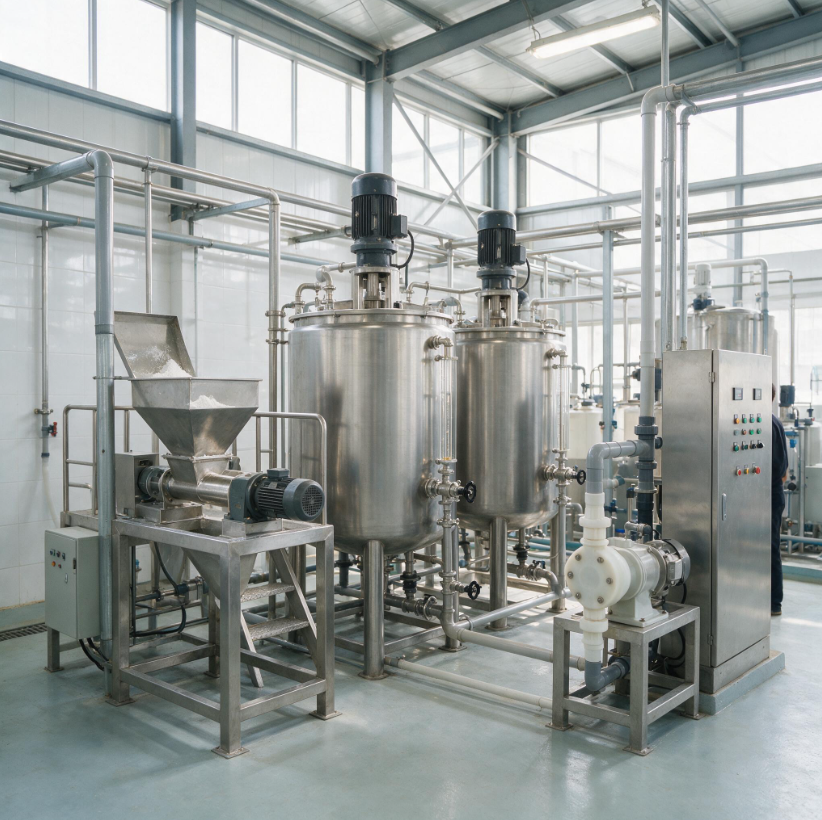
Modern municipal wastewater treatment plants face severe operational pressures when handling shifting hydraulic loads and variable organic feeding streams. The activated sludge process relies on gravity separation inside circular or rectangular clarifier basins to isolate purified liquid effluent from concentrated biological biomass. When hydraulic surges strike during storm events or seasonal peak hours, surface overflow rates spike dramatically, destabilizing established sludge blankets. In many facilities, unassisted biomass exhibits sluggish sedimentation kinetics, allowing micro-flocs to remain suspended in upper water layers. Introducing a specialized flocculant in sewage plants fundamentally transforms this separation efficiency. Dosing targeted polymers upstream of the secondary clarifier inlet well strengthens inter-particle collisions and aggregates pinpoint pin flocs into heavy, cohesive agglomerates. Rapid flocculation compresses the settling zone, pinning the active blanket downward and creating a distinct liquid-solid interface. Maintaining a stable sludge blanket prevents solids carryover into discharge channels, ensuring compliant effluent suspended solids below ten milligrams per liter. Furthermore, applying an engineered flocculant in sewage plants provides operations teams with an immediate hydrodynamic safeguard against sudden flow variations, preventing biomass loss and safeguarding downstream disinfection units.
Municipal aeration basins frequently suffer from biological imbalances caused by low dissolved oxygen, nutrient deficiencies, or fluctuating food-to-microorganism ratios. These unfavorable environmental conditions stimulate the excessive proliferation of filamentous bacteria, including Microthrix parvicella and Type 021N. As these thread-like organisms extend outward into the bulk liquor, they establish an open, bridging structure that physically resists gravitational compaction. This severe phenomenon, known throughout biological engineering as sludge bulking, causes the Sludge Volume Index to surge past one hundred and fifty to two hundred milliliters per gram. When bulking biomass reaches the secondary clarifier, the loosely knit microbial network floats upward, blinding effluent weirs and threatening catastrophic discharge violations. Emergency chlorination or toxic biocide dosing often decimates essential nitrifying bacteria, crippling nitrification performance for weeks. In contrast, deploying an appropriate flocculant in sewage plants delivers a rapid physical solution that compresses filamentous biomass without harming cellular metabolism. Synthetic polymer chains penetrate the entangled filamentous web, drawing extended filaments tightly together through charge neutralization and mechanical bridging. Suppressing active sludge bulking restores rapid settling dynamics, enabling plant operators to regain biological balance without sacrificing crucial ammonia removal capabilities.
Stringent environmental discharge standards mandate ultra-low phosphorus concentrations in municipal effluent, often targeting levels below zero point zero five milligrams per liter. While facilities rely primarily on enhanced biological phosphorus removal mechanisms using anaerobic and aerobic cycling, biological pathways alone struggle to absorb transient phosphorus spikes. Plant engineers frequently inject metal salts, such as ferric chloride or polyaluminum chloride, into mixed liquors to precipitate orthophosphate ions as insoluble metal phosphates. However, these fine inorganic precipitates are notoriously light and fragile, posing a substantial risk of washing out through the secondary clarifier. Coupling chemical precipitation with targeted biological phosphorus removal creates an optimized co-precipitation matrix that demands macro-molecular assistance. Dosing an engineered flocculant in sewage plants immediately cross-links micro-crystalline metal phosphates with biological cell flocs, assembling dense, fast-settling hybrid matrices. This synergistic flocculation mechanism accelerates precipitation kinetics while cutting inorganic metal coagulant demand by twenty-five to thirty-five percent. Lowering chemical salt consumption reduces corrosive sulfate and chloride accumulation in treated water while preventing excessive chemical sludge production. Optimizing biological phosphorus removal with advanced polymers guarantees consistent compliance with stringent nutrient limits without producing massive volumes of hazardous waste.
The hydraulic efficiency of biological wastewater processing depends on how rapidly activated sludge concentrates at the bottom of clarifying basins. A high-rate secondary clarifier must not only clarify upper water layers but also thicken returned biological solids to support aeration tank operations. When biological slurries suffer from poor settling or mild sludge bulking, the returned activated sludge concentration drops below zero point six percent dry solids, forcing operators to run return pumps at maximum speed. Pumping massive volumes of dilute sludge consumes excessive electrical power and disrupts hydraulic retention times inside upstream anoxic and anaerobic zones. Applying specialized polymers enhances deep-bed compaction inside the secondary clarifier, lifting underflow solids concentrations from six grams per liter to twelve to sixteen grams per liter. Denser underflow permits plant personnel to throttle return sludge pumping rates by thirty to forty percent, unlocking immediate power savings across transfer stations. Furthermore, maintaining thicker returned biomass sustains stable mixed liquor suspended solids inventories in biological reactors without expanding aeration basin volumes. Suppressing chronic sludge bulking also prevents premature fouling across tertiary effluent filtration screens, reducing backwash frequency and extending medium operating life.
Operational field implementations demonstrate how structured polymer conditioning programs rescue municipal plants from catastrophic hydraulic stress. A major municipal wastewater reclamation facility treating one hundred and twenty thousand cubic meters per day experienced severe operational instability during prolonged seasonal rainfall. Storm infiltration caused hydraulic surface loading rates in the secondary clarifier batteries to surge past designed thresholds. Concurrently, low wastewater temperatures triggered severe seasonal sludge bulking, pushing the Sludge Volume Index up to two hundred and ten milliliters per gram. Clarifier sludge blankets rose dangerously close to the effluent collection launders, and effluent suspended solids climbed to forty-five milligrams per liter, threatening severe regulatory fines. Field engineers immediately implemented automated emergency dosing of an advanced flocculant in sewage plants. Within three hours of dosing initiation, the sludge blanket level receded by one point four meters, and effluent suspended solids dropped below four milligrams per liter. The robust chemical matrix prevented biological washout, allowing the facility to maintain nitrification and enhanced biological phosphorus removal throughout the peak storm event. The emergency response saved an estimated one hundred and forty thousand dollars in potential regulatory penalties and excessive metal coagulant consumption.
Achieving continuous compliance across municipal wastewater facilities requires unwavering polymer product quality, high active content, and reliable dissolution kinetics. Seasonal water temperature drops, biological microbial shifts, and unpredictable storm surges leave zero margin for inconsistent chemical quality. Feymer synthesizes high-performance flocculants engineered specifically to enhance secondary clarifier operations and protect biological integrity. Operating three modern chemical manufacturing bases and maintaining over nine thousand metric tons of standing inventory, Feymer provides dependable supply continuity to municipal and industrial customers across forty countries worldwide. Every polymer batch adheres to strict EcoVadis Gold corporate ratings, rigorous ISO 9001 standards, and SSE STAR Market corporate governance, ensuring certified purity, rapid dissolution kinetics, and tightly controlled charge specifications. In addition to material supply, technical field specialists from Feymer conduct dynamic settling analyses, jar testing, and automated dosing optimization. Partnering with Feymer equips utility managers and plant engineers with advanced polymer formulations, dedicated technical support, and reliable chemical logistics, optimizing overall solid-liquid separation and lowering lifecycle wastewater treatment costs.
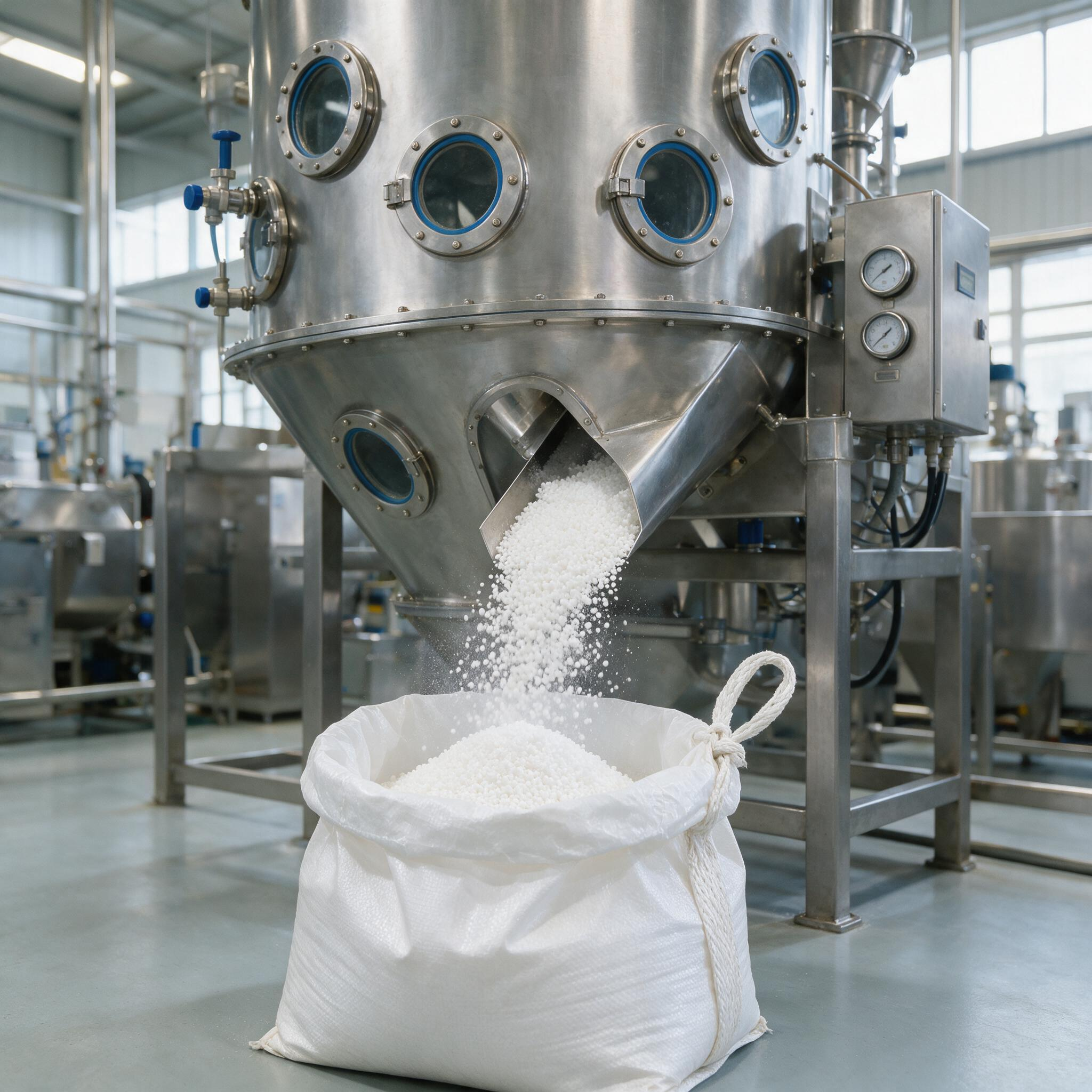
2026/11/18
Discover diverse polyacrylamide applications in industry to optimize paper machines, accelerate sugar clarification, and improve concrete rheology.
2026/11/16
Explore how advanced oilfield chemicals maximize enhanced recovery via high-stability polymer flooding, viscoelastic sweep, and efficient friction reducers.
2026/11/12
Learn how coagulant remove impurities in water by neutralizing colloid charges, de-emulsifying oily waste, and minimizing chemical sludge.
2026/11/10
Discover how advanced water treatment chemicals optimize primary clarification, prevent cooling tower scaling, and minimize industrial chemical sludge.
2026/11/04
Learn how anionic polymer accelerates the sedimentation process, boosts particle settling velocity, and removes suspended solids in industrial clarifiers.