EN
What Are Common PAM Applications in Industry?
2026/11/18
Discover diverse polyacrylamide applications in industry to optimize paper machines, accelerate sugar clarification, and improve concrete rheology.
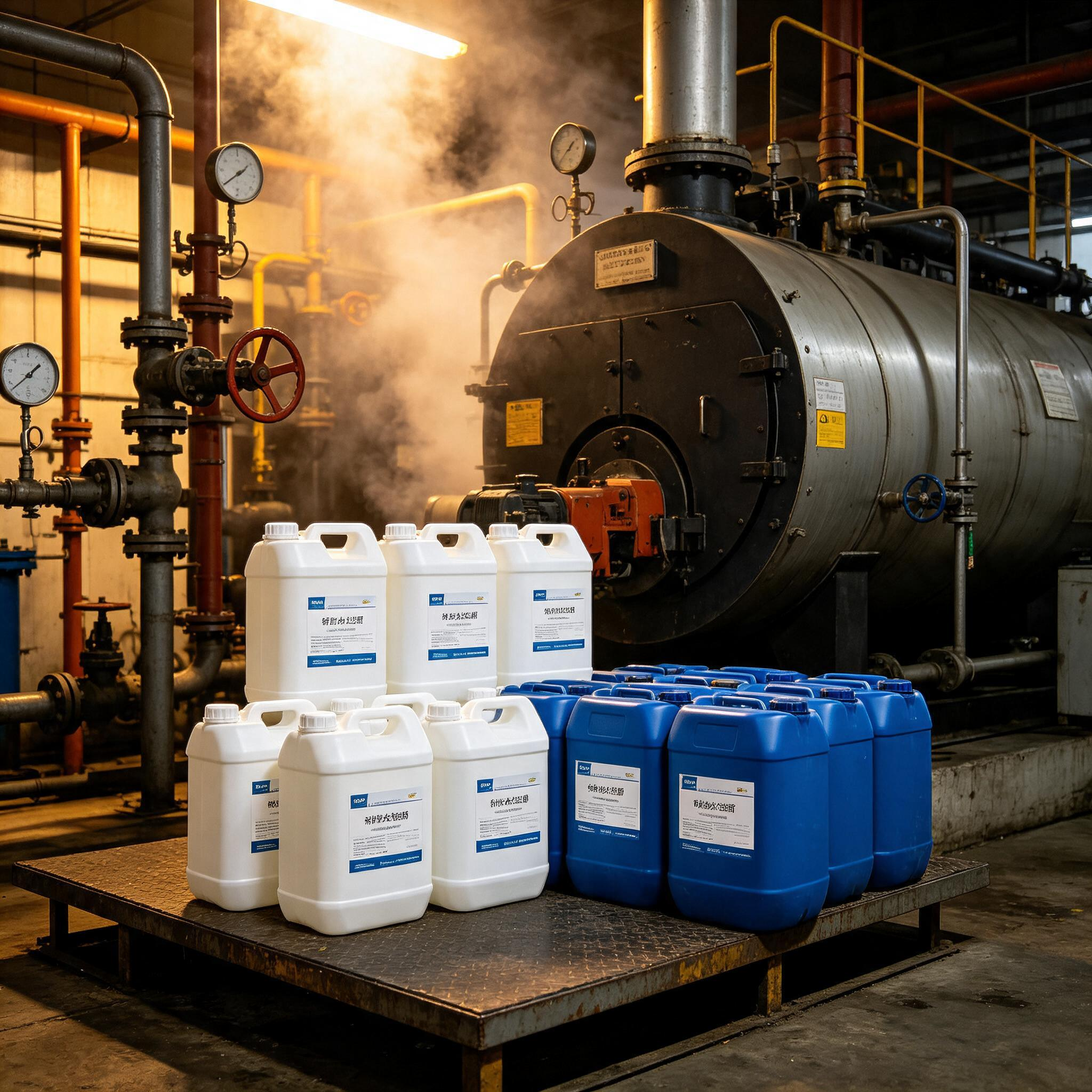
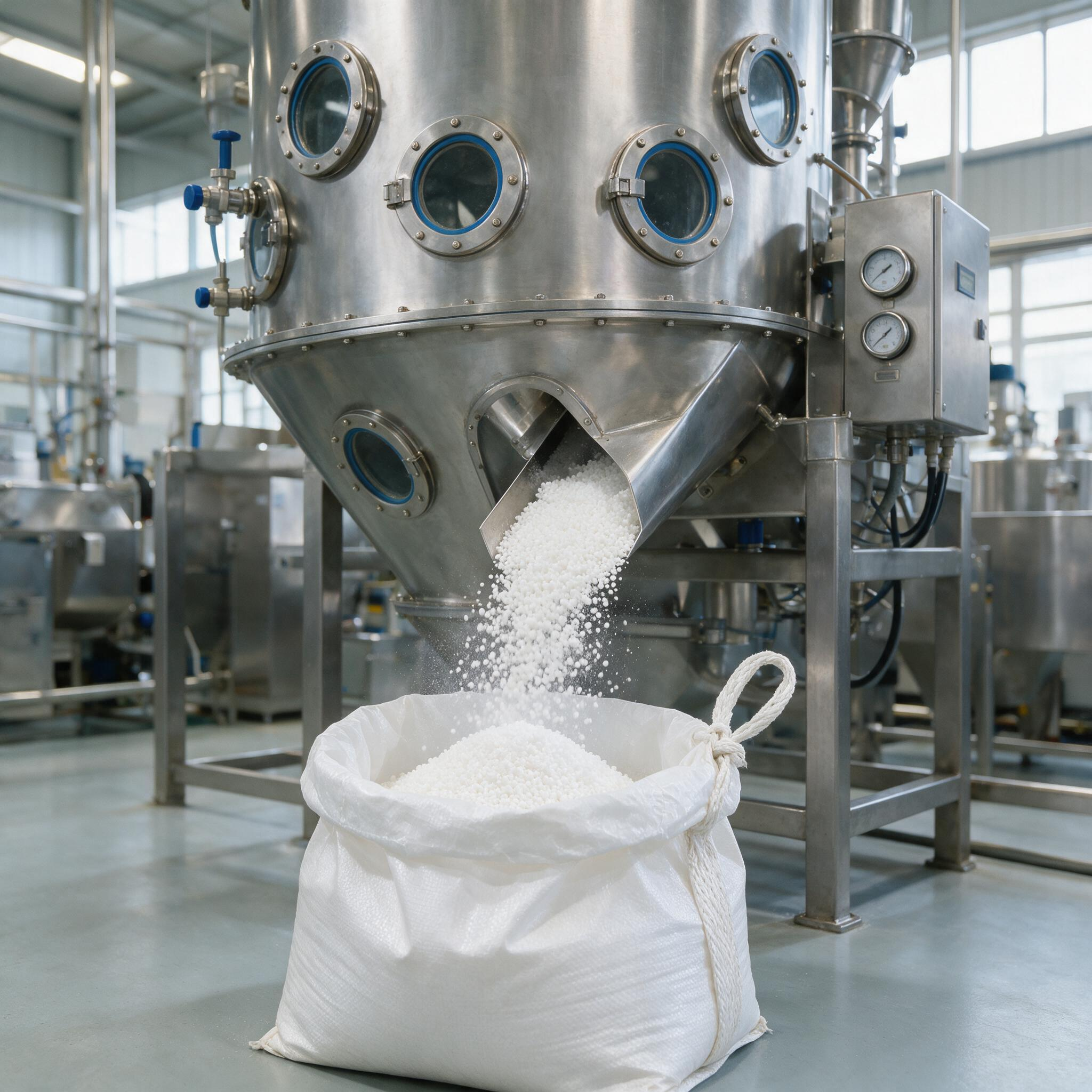
Industrial water systems operating across power generation, chemical manufacturing, and oil refining demand continuous chemical maintenance to prevent scale accumulation, biological fouling, and equipment corrosion. Standard operations often treat these issues as isolated failures, applying localized dosages that inadvertently trigger chemical antagonistic reactions. For example, dosing incompatible corrosion inhibitors alongside generic cationic polymers often precipitates active solids, degrading treatment efficacy and accelerating equipment wear. Resolving these complex thermodynamic imbalances requires deploying a comprehensive suite of water treatment chemicals designed to operate synergistically within highly dynamic process streams. Integrating high-performance polymers, specialized biocides, and organic phosphonate antiscalants establishes a protective chemical barrier throughout high-shear pipelines. A balanced, multi-component chemical formulation maintains dissolved minerals in a stable suspended state while preventing microbial adhesion to metal surfaces. Without utilizing advanced water treatment chemicals, heavy manufacturing operations suffer from unexpected thermal resistance, unplanned shutdowns, and premature tube failure in heat exchangers. Elevating process stability hinges on implementing an integrated chemical program that optimizes thermodynamic efficiency and extends equipment life.
The mechanical performance of primary clarification and dissolved air flotation circuits depends heavily on the initial destabilization of colloidal impurities. Suspended organic matter, emulsified hydrocarbons, and sub-micron silicas resist settling due to negative surface charges. While traditional iron and aluminum salts reduce this electrostatic barrier, they generate massive volumes of water-swollen chemical sludge that inflates disposal budgets. Modern water treatment chemicals address this limitation by replacing bulk inorganic salts with high-charge organic coagulants, such as polydiallyldimethylammonium chloride and polyamines. When these highly cationic liquid polymers disperse into raw water streams, they neutralize negative surface charges via electrostatic attraction, initiating immediate micro-flocculation. This primary charge neutralization establishes a stable, low-volume solid phase ready for downstream polymer bridging. Precise dosing of organic coagulants minimizes sulfate and chloride accumulation in reclaimed water, protecting sensitive boiler systems from stress corrosion cracking. By incorporating these advanced water treatment chemicals, plant operators dramatically improve clarifier throughput while lowering the chemical sludge volume sent to mechanical dewatering presses.
High-skin-temperature heat exchangers and cooling tower tubes are highly vulnerable to scale precipitation as mineral solubility limits are exceeded. Calcium carbonate, calcium sulfate, and barium sulfate form dense, crystalline structures on hot surfaces, acting as thermal insulators that degrade heat transfer efficiency. Preventing this scaling requires deploying specialized water treatment chemicals formulated with organophosphonates and low-molecular-weight carboxylate copolymers. These specialized chemicals inhibit mineral growth through threshold inhibition, where sub-stoichiometric concentrations prevent precipitation, and lattice distortion, which deforms growing crystal structures into fragile, non-adherent shapes. Deformed mineral crystals remain suspended in the flowing water column, swept away by bulk fluids rather than adhering to heat-transfer surfaces. Incorporating tailored dispersion polymers, such as polyacrylic acid and polymaleic anhydride, prevents suspended particles from agglomerating into heavy sediment layers. Utilizing these high-performance water treatment chemicals allows industrial cooling systems to operate at elevated cycles of concentration, cutting freshwater abstraction while maximizing thermal output.
Cooling tower basins and process clarifiers provide warm, nutrient-rich environments that accelerate the growth of algae, fungi, and heterotrophic bacteria. Uncontrolled biological growth leads to the formation of dense, sticky biofilms known as biological sludges, which restrict water flow and cause localized under-deposit corrosion. Controlling this microfouling requires dosing specialized water treatment chemicals, including non-oxidizing biocides like isothiazolinone and quaternary ammonium formulations. These biocides disrupt microbial cell membranes and metabolic pathways, preventing colonization on condenser tubes. Concurrently, highly turbulent wastewater streams often suffer from severe foaming caused by dissolved surfactants and proteins, which spills over basin walls and disrupts water level sensors. Plant operators resolve this issue by dosing polymeric defoamers formulated with organosilicone and polyether compounds, which lower surface tension and rupture foam bubbles. Integrating these targeted biocides and defoamers into water treatment chemicals preserves process safety and prevents environmental contamination.
The practical financial and operational benefits of optimized chemical programs are demonstrated by a comprehensive upgrade at a major petrochemical refining complex. Operating a large cooling tower system with a circulation rate of fifteen thousand cubic meters per hour, the facility struggled with severe calcium phosphate scaling and biological fouling, which reduced heat transfer efficiency and forced quarterly shutdowns for manual cleaning. Independent specialists conducted a complete water system audit, replacing the legacy chemical program with an integrated suite of advanced water treatment chemicals featuring high-performance phosphonate stabilizers and specialized polymeric dispersants. Within forty-eight hours of steady operation, the system increased its cycles of concentration from three point zero to six point five, reducing blowdown volume by forty-five percent. Heat transfer coefficients stabilized at designed peak capacities, eliminating the need for unscheduled cleaning outages. The optimized application of these water treatment chemicals lowered annual chemical consumption and generated verified savings exceeding two hundred and twenty thousand dollars in fresh water procurement, sewer discharge fees, and maintenance labor.
Consistently achieving optimal solid-liquid separation and corrosion control requires high-purity chemicals supported by rigorous quality control. Variations in raw material purity and active ingredient concentrations can destabilize chemical programs, leading to scale deposition or biological fouling. Feymer synthesizes a comprehensive spectrum of water treatment chemicals, including high-charge cationic coagulants, functional polymers, and specialized paper and industrial additives. Operating three state-of-the-art chemical manufacturing bases and holding more than nine thousand metric tons of standing inventory, Feymer guarantees seamless chemical logistics and supply chain stability to partners across forty countries worldwide. Governed by EcoVadis Gold corporate ratings, rigorous ISO certifications, and SSE STAR Market listing standards, every batch undergoes strict active content and molecular weight verification. Feymer technical service teams assist global clients with advanced water analysis, custom formulation development, and automated dosing optimization. Partnering with Feymer provides industrial facilities with dependable chemical technology that maximizes process uptime, reduces freshwater consumption, and ensures regulatory compliance.
2026/11/18
Discover diverse polyacrylamide applications in industry to optimize paper machines, accelerate sugar clarification, and improve concrete rheology.
2026/11/16
Explore how advanced oilfield chemicals maximize enhanced recovery via high-stability polymer flooding, viscoelastic sweep, and efficient friction reducers.
2026/11/12
Learn how coagulant remove impurities in water by neutralizing colloid charges, de-emulsifying oily waste, and minimizing chemical sludge.
2026/11/04
Learn how anionic polymer accelerates the sedimentation process, boosts particle settling velocity, and removes suspended solids in industrial clarifiers.
2026/10/19
Discover the benefits of using flocculant in sewage plants to stabilize the secondary clarifier, prevent sludge bulking, and boost phosphorus removal.