EN
Effective Oilfield Chemicals for Enhanced Recovery
2026/11/16
Explore how advanced oilfield chemicals maximize enhanced recovery via high-stability polymer flooding, viscoelastic sweep, and efficient friction reducers.

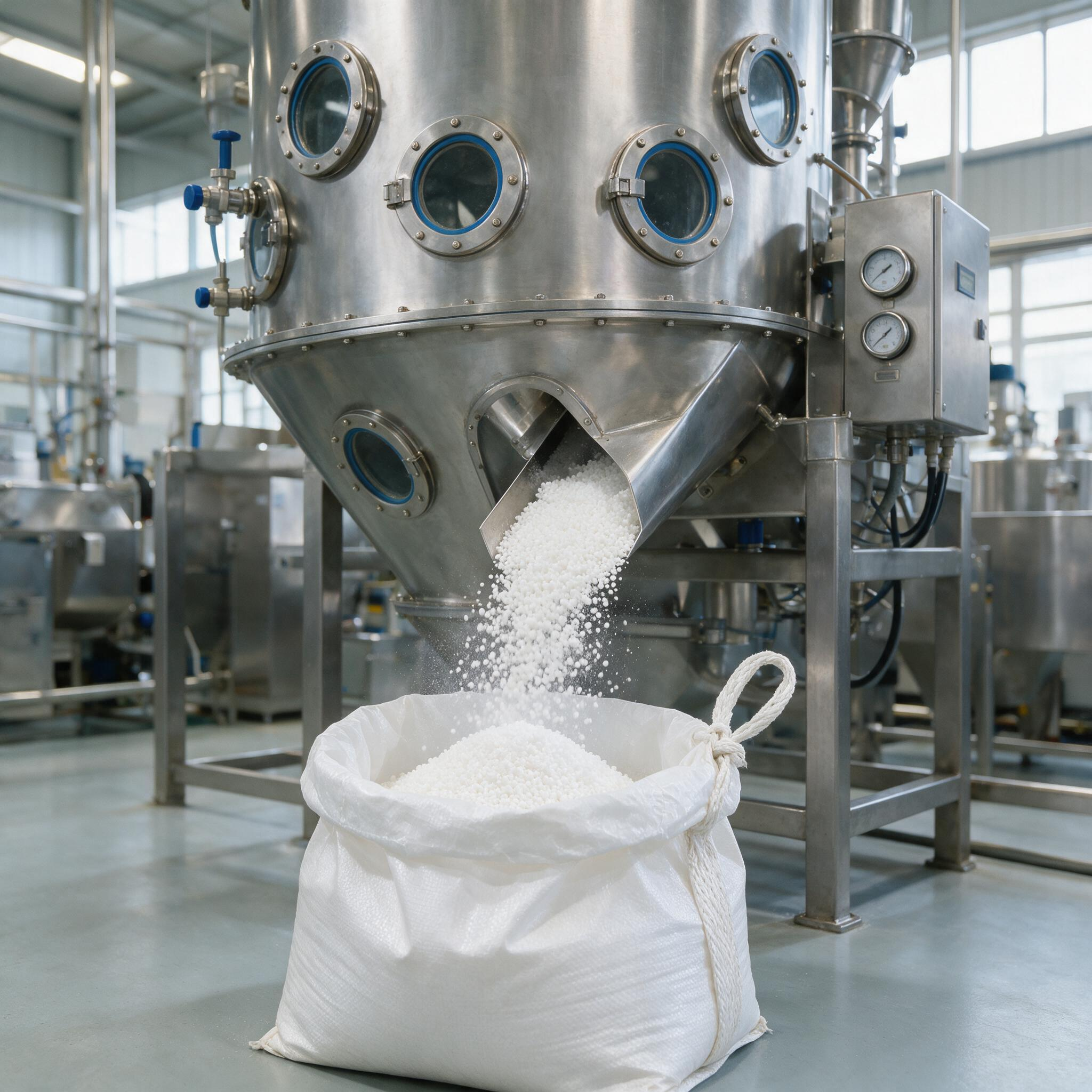
The modern pulp and paper industry operates high-speed paper machines that require precise control over wet-end chemical dynamics to sustain product quality. During sheet formation, dilute fiber slurries containing wood pulp, mineral fillers, and functional starches are sprayed onto rapidly moving wire screens to drain excess water. Because individual wood fibers and filler clays carry negative charges, they experience electrostatic repulsion that causes high volumes of fine particles to pass through the wire meshes. This loss of raw materials degrades paper formation and concentrates suspended solids in the white water recycling loop. Resolving this operational bottleneck is a primary driver behind the wide selection of polyacrylamide applications in industry. Dosing tailored cationic and anionic polymers establishes an advanced micro-particle retention system. The polymer chains bridge cellulose fibers and calcium carbonate fillers into cohesive micro-flocs, raising first-pass retention rates above eighty-five to ninety percent. Incorporating these functional polymers improves drainage rates on the wire section, permitting paper mills to boost machine speeds and lower energy usage in downstream steam drying sections.
Sugarcane and sugar beet refineries handle vast volumes of raw juice containing organic acids, coloring matter, and mineral silicas that must be removed prior to crystallization. Clarifying raw sugar juice requires heating the liquid and adding lime to precipitate suspended impurities, resulting in a dark, slow-settling slurry. Left unconditioned, raw sugar juice requires long retention times in clarifying tanks, leading to thermal sugar degradation and scale buildup in downstream multi-effect evaporators. Mitigating these thermal losses represents another vital avenue among polyacrylamide applications in industry. Injecting specialized high-molecular-weight food-grade anionic polymers aggregates calcium phosphate precipitates into heavy, rapid-settling flocs. The engineered polymer ensures clear juice overflows with minimal turbidity, preventing mineral scale from coating evaporator tubes. Clear juice clarity directly translates to higher sucrose yields and lower energy costs during boiling stages. Utilizing these clean polymer formulations helps sugar mills maximize extraction efficiency and maintain high product purity under strict food safety standards worldwide.
Modern construction projects rely on advanced self-consolidating concrete and specialized dry-mix mortars that demand precise flow control and moisture retention. In self-consolidating concrete applications, the concrete mixture must flow freely into dense steel reinforcement cages under its own weight without separating into individual sand and aggregate phases. Achieving this fluid stability requires introducing rheology-modifying admixtures. Polyacrylamide applications in industry have expanded into building materials, where non-ionic and anionic polymers act as highly efficient viscosity-modifying agents. Dosing small amounts of these specialized polymers increases the viscosity of the interstitial water phase, preventing sand settling and concrete bleeding under heavy vibration. In dry-mix mortars, these polymers act as powerful water-retention agents, keeping cement mixtures hydrated on porous brick walls and preventing premature drying and cracking. This rheological control extends mortar workability time, allowing masonry crews to achieve high structural bond strength on demanding high-rise construction sites.
Weaving mills running high-speed shuttleless looms expose warp yarns to intense frictional abrasion and mechanical tension that can cause thread breakage and loom shutdowns. To prevent thread damage, warp yarns undergo a protective chemical coating process known as warp sizing. Incorporating specialized polyacrylamide applications in industry as a sizing agent builds a smooth, flexible film over yarn fibers, increasing tensile strength and reducing loom breakages by up to thirty to fifty percent. Once weaving is complete, the sizing film must be washed off during the desizing phase, generating highly concentrated, surfactant-rich desizing wastewater. Textile mills treat this high-COD effluent by using specialized cationic and anionic polymers to flocculate suspended sizing residues, achieving clear wastewater discharges. Utilizing these advanced polymers across both the sizing and wastewater treatment stages helps textile manufacturers maintain high loom efficiency while complying with demanding environmental effluent discharge standards.
The practical financial and operational benefits of optimized wet-end polymer programs are demonstrated by a comprehensive upgrade at a major fine paper manufacturing mill. Operating a modern fourdrinier paper machine running at a design speed of twelve hundred meters per minute, the mill struggled with low first-pass filler retention, high white water turbidity, and frequent sheet breaks that limited actual running speed to nine hundred and fifty meters per minute. Process engineers audited the paper machine's wet-end chemistry and replaced the existing single-polymer program with a specialized micro-particle retention and drainage system featuring high-charge cationic polyacrylamide and bentonite micro-clays. Within twenty-four hours of optimization, first-pass retention rates climbed from seventy-four percent to eighty-eight percent, and white water solids fell by forty-five percent. The improved drainage on the wire section allowed operators to increase paper machine running speeds from nine hundred and fifty meters per minute to eleven hundred and ten meters per minute. This fifteen percent increase in productivity, combined with lower steam consumption in the dryer section, generated verified annual savings exceeding three hundred and ten thousand dollars.
consistently achieving optimal performance across diverse industrial processes requires high-quality polymers backed by reliable manufacturing. Variations in active content, hydrolysis levels, and dissolution kinetics can lead to process failures, paper sheet breaks, or concrete workability losses. Feymer synthesizes a comprehensive spectrum of specialized polyacrylamide polymers tailored for demanding industrial applications, including paper machine retention aids, sugar clarification agents, and construction rheology modifiers. Operating three state-of-the-art chemical manufacturing bases and holding more than nine thousand metric tons of ready stock, Feymer guarantees seamless chemical logistics and supply chain stability to partners across forty countries worldwide. Governed by EcoVadis Gold corporate ratings, rigorous ISO certifications, and SSE STAR Market listing standards, every chemical batch undergoes strict viscosity and active content testing prior to shipping. Feymer technical application teams assist global clients with laboratory evaluations, raw material testing, and customized formulation development. Partnering with Feymer provides industrial manufacturers with advanced polymer chemistry that maximizes process efficiency, improves product quality, and ensures regulatory compliance.
2026/11/16
Explore how advanced oilfield chemicals maximize enhanced recovery via high-stability polymer flooding, viscoelastic sweep, and efficient friction reducers.
2026/11/12
Learn how coagulant remove impurities in water by neutralizing colloid charges, de-emulsifying oily waste, and minimizing chemical sludge.
2026/11/10
Discover how advanced water treatment chemicals optimize primary clarification, prevent cooling tower scaling, and minimize industrial chemical sludge.
2026/11/04
Learn how anionic polymer accelerates the sedimentation process, boosts particle settling velocity, and removes suspended solids in industrial clarifiers.
2026/10/19
Discover the benefits of using flocculant in sewage plants to stabilize the secondary clarifier, prevent sludge bulking, and boost phosphorus removal.