EN
What Are Common PAM Applications in Industry?
2026/11/18
Discover diverse polyacrylamide applications in industry to optimize paper machines, accelerate sugar clarification, and improve concrete rheology.
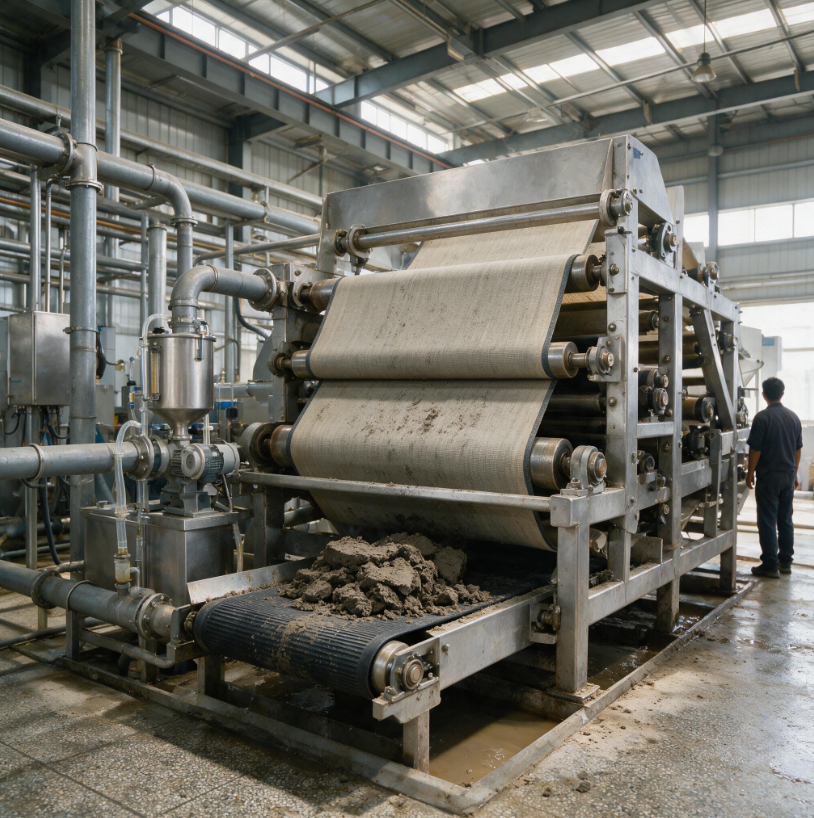
The vast majority of aqueous impurities found in raw river water and manufacturing process streams are sub-micron colloidal particles, humic substances, and emulsified lipids. These impurities possess negative surface electrical charges that generate strong electrostatic repulsive forces, preventing spontaneous aggregation. Under the classic Derjaguin-Landau-Verwey-Overbeek (DLVO) framework, colloidal stability remains unbroken until the repulsive energy barrier is compressed. This critical phase of solid liquid separation explains how coagulant remove impurities in water. Introducing a high-charge cationic coagulant provides positively charged polymer sites that instantly attract negatively charged impurities. This chemical attraction neutralizes surface charges, pulling the zeta potential of suspended particles close to zero millivolts. Once the electrostatic repulsion barrier is neutralized, natural van der Waals attractive forces dominate, allowing micro-particles to collide and coalesce into stable micro-flocs. Without implementing this vital charge neutralization step, colloidal impurities remain permanently suspended, passing straight through downstream sand filters and fouling sensitive process equipment.
For decades, water treatment plants relied on inorganic metal salts, including polyaluminum chloride and alum, to drive colloid coagulation. However, these inorganic coagulants generate extensive chemical mud volumes because hydrated metal ions precipitate as heavy, water-swollen aluminum or iron hydroxide sludges. Modern clarification facilities bypass this operational bottleneck by substituting inorganic salts with highly cationic organic polymers, such as polydiallyldimethylammonium chloride and polyamines. Investigating how coagulant remove impurities in water reveals that these synthetic liquid polymers deliver a high charge-to-mass ratio, requiring much lower dosages than bulk metal salts. Organic cationic coagulants do not alter treated water pH, eliminating the need for post-treatment caustic soda adjustments. Furthermore, replacing inorganic salts with cationic polymers cuts chemical sludge volumes by fifty to seventy percent, significantly reducing hazardous waste handling expenses. Dosing organic coagulants also prevents soluble aluminum carryover in finished drinking water, which is a major compliance concern for municipal water utilities worldwide.
Surface waters and agricultural runoff often carry high concentrations of dissolved natural organic matter, including humic and fulvic acids, which tint water yellow or brown. These complex organic molecules carry negatively charged carboxylate and phenolate functional groups that resist gravity settling. Removing natural organic matter is essential because dissolved organics react with chlorine disinfectants to form carcinogenic disinfection byproducts, such as trihalomethanes. Analyzing how coagulant remove impurities in water demonstrates that high-charge cationic polymers bind directly with dissolved organic anions, precipitating them out of solution as insoluble complexes. Cationic coagulants also decolorize highly tinted textile dyeing effluents by neutralizing negatively charged anionic dye molecules, achieving color removal rates exceeding ninety-five percent. Removing these dissolved organic anions prior to downstream filtration prevents the premature fouling of granulated activated carbon beds and low-pressure ultrafiltration membrane modules.
Industrial effluents generated during metal machining, oil refining, and equipment washdown contain stable oil-in-water emulsions that are highly resistant to gravity separation. These micro-droplets of oil are stabilized by surface-active agents that establish a negative charge barrier at the oil-water interface, keeping droplets below ten microns. Under the emulsion-breaking process, cationic polymers act as powerful organic demulsifiers. Exploring how coagulant remove impurities in water reveals that positively charged polymer chains neutralize surfactant charges, displacing emulsifying agents from the droplet interfaces. Once the protective charge barrier is broken, the fine oil droplets coalesce into larger globules that rapidly float to the surface for skimming. Applying cationic coagulants in dissolved air flotation units yields clear effluent with oil-and-grease concentrations consistently under ten milligrams per liter. Recovering these hydrocarbons prevents oil from coating biological treatment basins, protecting active microbial colonies from suffocation.
The practical operational benefits of advanced organic coagulants are illustrated by an effluent plant upgrade at a major automotive assembly facility. Processing three thousand cubic meters of high-COD paint wastewater daily, the plant struggled to clarify emulsified overspray resins and surfactant-heavy rinse streams. The existing treatment setup used massive polyaluminum chloride dosages, generating sixty metric tons of wet chemical sludge daily while achieving a chemical oxygen demand reduction of only forty percent. Plant engineers overhauled the primary treatment circuit by replacing the inorganic coagulants with an advanced polydiallyldimethylammonium chloride formulation. Dosing the organic coagulant immediately broke the emulsified paint resins, accelerating micro-floc aggregation ahead of the flotation zone. Chemical oxygen demand removal rates surged from forty percent to eighty-two percent, while the daily volume of wet chemical sludge dropped by sixty-five percent. This optimization minimized downstream centrifuge operating times and generated over one hundred and seventy-five thousand dollars in annual chemical procurement and sludge landfill savings.
consistently achieving precise charge neutralization across fluctuating wastewater streams demands high-purity coagulants with tight molecular weight specifications and consistent cationic charge densities. Feymer specializes in the synthesis of high-performance polydiallyldimethylammonium chloride and polyamine liquid coagulants designed for demanding municipal and industrial solid liquid separation processes. Operating three state-of-the-art chemical manufacturing bases and holding over nine thousand metric tons of ready stock, Feymer guarantees seamless chemical supply chains and prompt product delivery to industrial operations across forty countries worldwide. Governed by EcoVadis Gold corporate ratings, rigorous ISO quality management systems, and SSE STAR Market public oversight, every coagulant batch undergoes strict active content and viscosity verification. Feymer application specialists assist clients with custom jar-testing, analytical water chemistry profiling, and automated dosing system optimization. Partnering with Feymer provides industrial operators with dependable coagulant technology that maximizes clarifier throughput, reduces chemical sludge volumes, and ensures regulatory compliance.
2026/11/18
Discover diverse polyacrylamide applications in industry to optimize paper machines, accelerate sugar clarification, and improve concrete rheology.
2026/11/16
Explore how advanced oilfield chemicals maximize enhanced recovery via high-stability polymer flooding, viscoelastic sweep, and efficient friction reducers.
2026/11/10
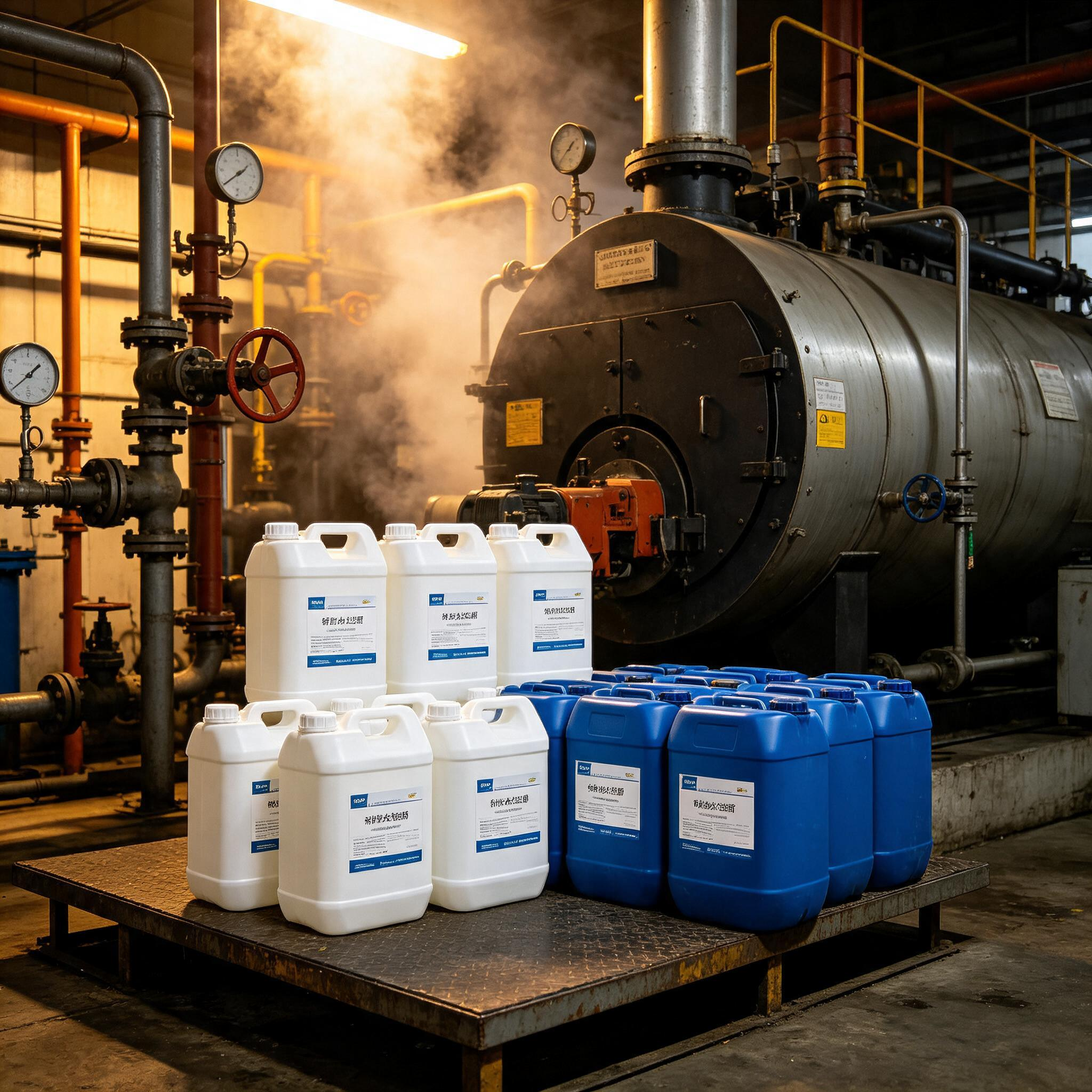
Discover how advanced water treatment chemicals optimize primary clarification, prevent cooling tower scaling, and minimize industrial chemical sludge.
2026/11/04
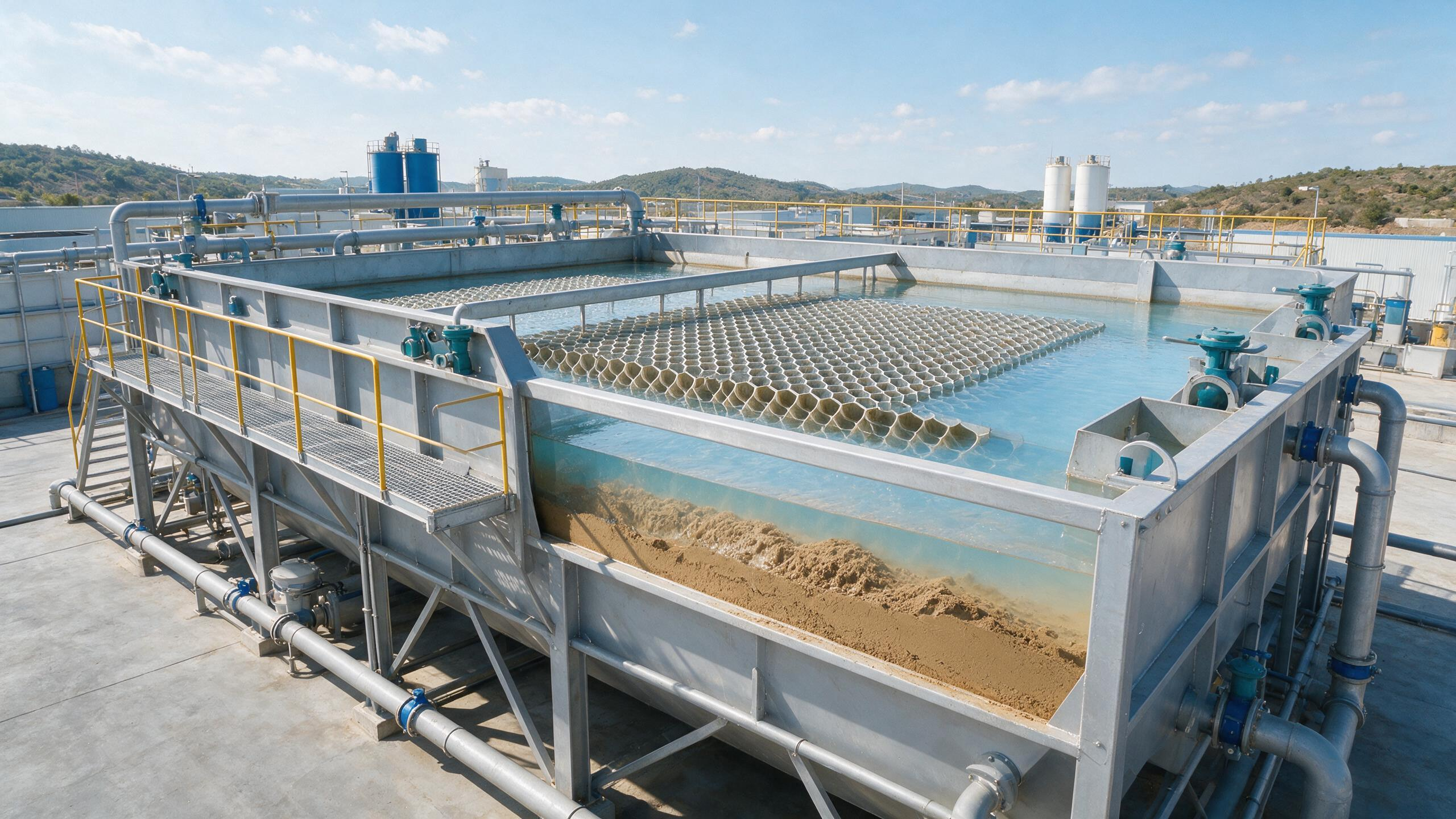
Learn how anionic polymer accelerates the sedimentation process, boosts particle settling velocity, and removes suspended solids in industrial clarifiers.
2026/10/19
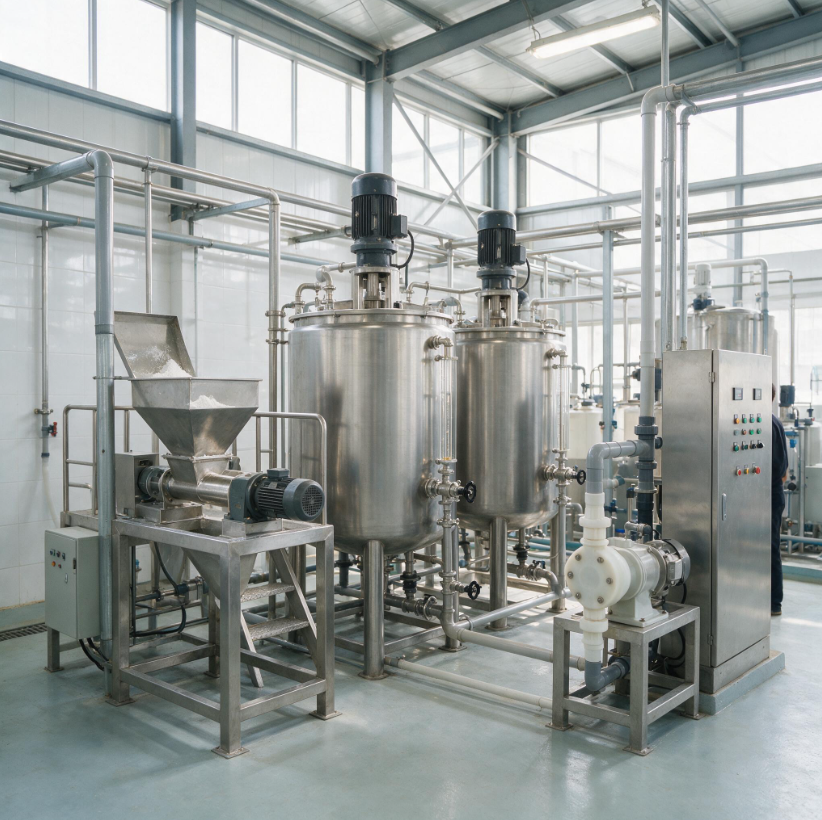
Discover the benefits of using flocculant in sewage plants to stabilize the secondary clarifier, prevent sludge bulking, and boost phosphorus removal.