EN
What Are Common PAM Applications in Industry?
2026/11/18
Discover diverse polyacrylamide applications in industry to optimize paper machines, accelerate sugar clarification, and improve concrete rheology.

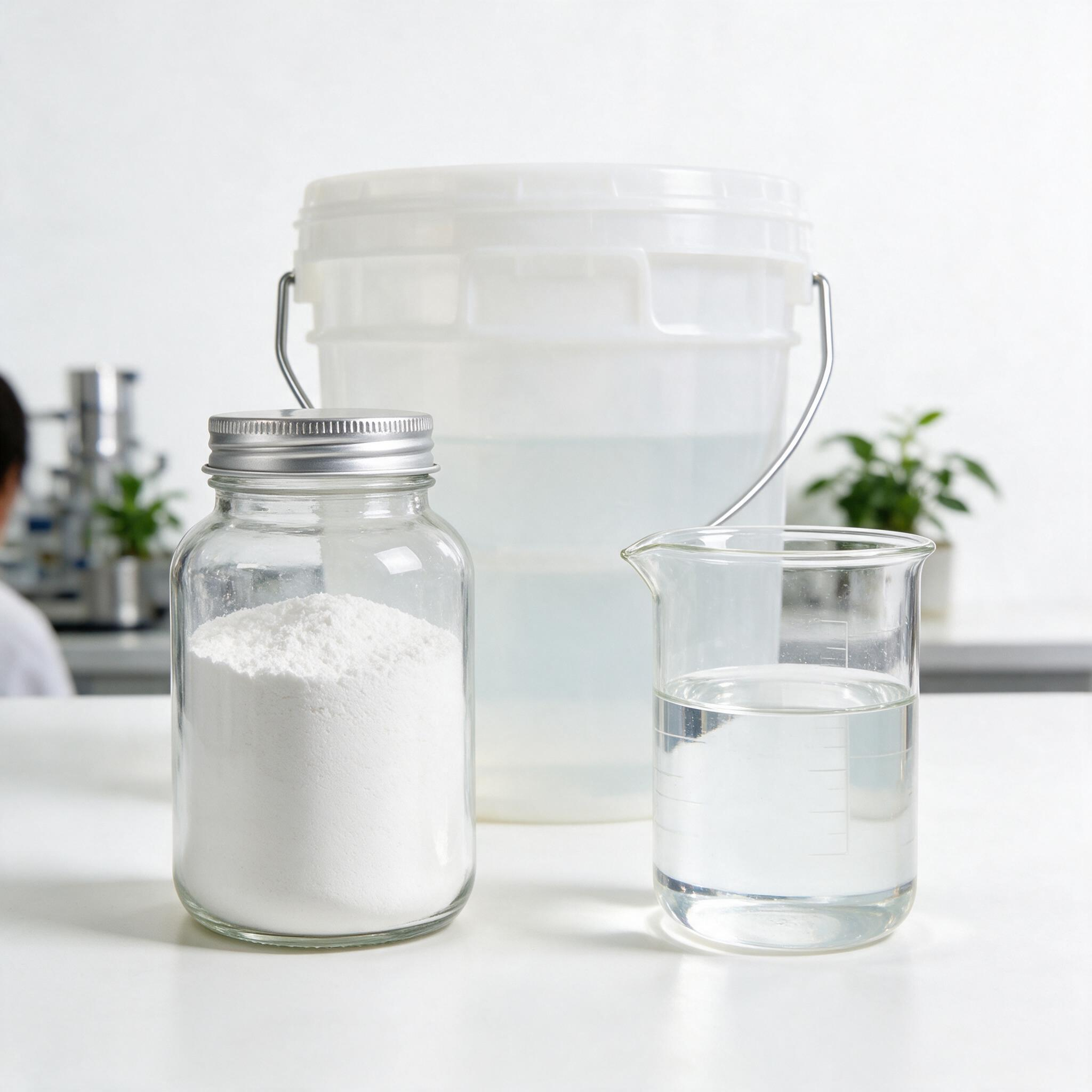
Mature petroleum reservoirs worldwide undergo secondary and tertiary recovery phases to sustain production as natural pressure declines. Standard waterflooding methodologies struggle to sweep trapped hydrocarbons because water possesses a much lower viscosity than crude oil. Under the laws of porous media flow, this viscosity contrast creates an unfavorable mobility ratio, forcing injected water to channel rapidly through high-permeability pathways while leaving vast oil reserves unswept. Mitigating this fingering phenomenon requires dosing highly effective oilfield chemicals designed to alter fluid rheology within deep geologic formations. Injecting specialized water-soluble polymers increases the viscosity of the driving phase, smoothing the displacement front and magnifying the overall volumetric sweep efficiency. In high-temperature, high-salinity (HTHS) reservoirs, selecting the appropriate chemical formulation is critical. Standard polyacrylamide chains undergo rapid thermal hydrolysis under these harsh reservoir conditions, precipitating out of solution in the presence of divalent calcium and magnesium ions. Utilizing stabilized oilfield chemicals prevents this thermodynamic breakdown, maintaining the necessary viscosity to drive residual oil toward production wells.
Sustaining polymer viscosity in aggressive subsurface environments requires advanced molecular engineering of the synthetic polymer backbone. Standard partially hydrolyzed polyacrylamide molecules rely on carboxylic acid groups that are highly sensitive to mineralized reservoir waters. When exposed to elevated temperatures exceeding eighty degrees Celsius and high salinity levels, divalent cations bind to these carboxylate groups, causing the polymer chains to coil tightly into inactive, low-viscosity spheres. To overcome this limitation, advanced oilfield chemicals are synthesized using specialized copolymers that incorporate rigid, bulky monomers, such as 2-acrylamido-2-methylpropane sulfonic acid (AMPS). The large sulfonic acid groups in these copolymers provide strong resistance to divalent ionic shielding, while the steric hindrance from the bulky molecular side-chains prevents polymer backbone collapse under extreme temperatures. Incorporating these thermally stable polymers into oilfield chemicals ensures that the polymer solution maintains its structural viscosity across high-salinity formations. This macromolecular durability allows oilfield operators to execute polymer flooding programs in deep reservoirs that were previously considered untreatable with conventional polyacrylamide formulations.
During injection, chemical polymer solutions face extreme mechanical shear stress as they pass through surface choke valves, mixing pumps, and microscopic perforations in the well casing. Shear rates in these zones often exceed ten thousand reciprocal seconds, exposing extended polymer backbones to mechanical fragmentation and viscosity loss. Highly resilient oilfield chemicals mitigate this shear degradation by using associative polymer structures that exhibit shear-thinning behavior under tension, followed by rapid viscoelastic recovery inside porous rock matrices. Once inside the reservoir rock, these viscoelastic polymers uncoil, generating normal stress forces that displace trapped crude oil droplets from microscopic rock pores. This shear-resistant rheology is essential for sustaining long-term mobility control across radial zones stretching hundreds of meters from the injection wellbore. Matching polymer viscoelasticity to the permeability profile of the formation prevents chemical shearing, ensuring that injected fluids propagate uniformly through low-permeability oil-bearing zones rather than taking paths of least resistance.
The horizontal drilling and multi-stage hydraulic fracturing of unconventional shale formations have unlocked massive oil and gas reserves. Hydraulic fracturing requires injecting millions of gallons of water containing proppant sand at extremely high pressures to shatter dense shale rock. However, pumping fluids at high velocities through long horizontal casings creates immense turbulent drag, resulting in excessive surface pumping pressure and equipment wear. To reduce this drag, slickwater fracturing programs rely on specialized oilfield chemicals formulated as liquid friction reducers. Dosing ultra-high-molecular-weight friction-reducing polymers at low concentrations suppresses turbulent eddies within the flowing water column, cutting pipe friction drag by up to seventy to eighty percent. High-performance friction reducers allow fracturing crews to achieve high injection rates while using lower surface horsepower, reducing equipment footprint and fuel costs. Furthermore, specialized slickwater polymers are engineered to carry proppant sand deep into horizontal fracture networks without forming heavy gels that block gas recovery pathways, maximizing long-term well productivity.
The measurable production gains unlocked by specialized EOR polymers are demonstrated by a large-scale flooding project at an offshore oilfield. The reservoir was characterized by high temperatures of ninety-five degrees Celsius, high formation water salinity exceeding thirty-five thousand milligrams per liter, and an unfavorable mobility ratio that caused injected water to bypass heavy crude reserves. To address these challenges, reservoir engineers replaced the existing waterflood program with an advanced polymer flooding program using a specialized AMPS-modified copolymer designed for harsh reservoir conditions. dWithin six months of steady chemical injection, the sweep efficiency across the reservoir increased dramatically, lowering the water cut from ninety-two percent to seventy-four percent. The mobility control provided by the modified polymer raised the recovery factor by nine point two percentage points, generating an additional one hundred and eighty thousand barrels of crude oil over a two-year production cycle. This substantial increase in production offset the polymer chemical cost and extended the economic life of the offshore asset.
consistently achieving high oil recovery rates across globally dispersed reservoirs requires high-quality polymer chemicals backed by reliable industrial manufacturing. Variations in polymer active content, filtration ratios, and dissolution kinetics can lead to wellbore plugging and injectivity loss, threatening million-dollar drilling investments. Feymer synthesizes a comprehensive spectrum of oilfield chemicals, including high-performance polymer flooding powders, shear-resistant friction reducers, and custom-formulated drilling fluid additives. Operating three state-of-the-art chemical manufacturing bases and holding more than nine thousand metric tons of standing inventory, Feymer guarantees seamless chemical logistics and supply chain security to oilfield operators across forty countries worldwide. Governed by EcoVadis Gold corporate ratings, rigorous ISO quality certifications, and SSE STAR Market listing standards, every chemical batch undergoes strict shear-resistance, viscosity, and filterability testing prior to shipping. Feymer petroleum engineering teams assist global clients with reservoir water chemistry audits, matching polymer viscoelasticity to formation core samples. Partnering with Feymer provides oilfield operators with advanced polymer chemistry that maximizes recovery factors, reduces mechanical friction, and optimizes total lifting costs.
2026/11/18
Discover diverse polyacrylamide applications in industry to optimize paper machines, accelerate sugar clarification, and improve concrete rheology.
2026/11/12
Learn how coagulant remove impurities in water by neutralizing colloid charges, de-emulsifying oily waste, and minimizing chemical sludge.
2026/11/10
Discover how advanced water treatment chemicals optimize primary clarification, prevent cooling tower scaling, and minimize industrial chemical sludge.
2026/11/04
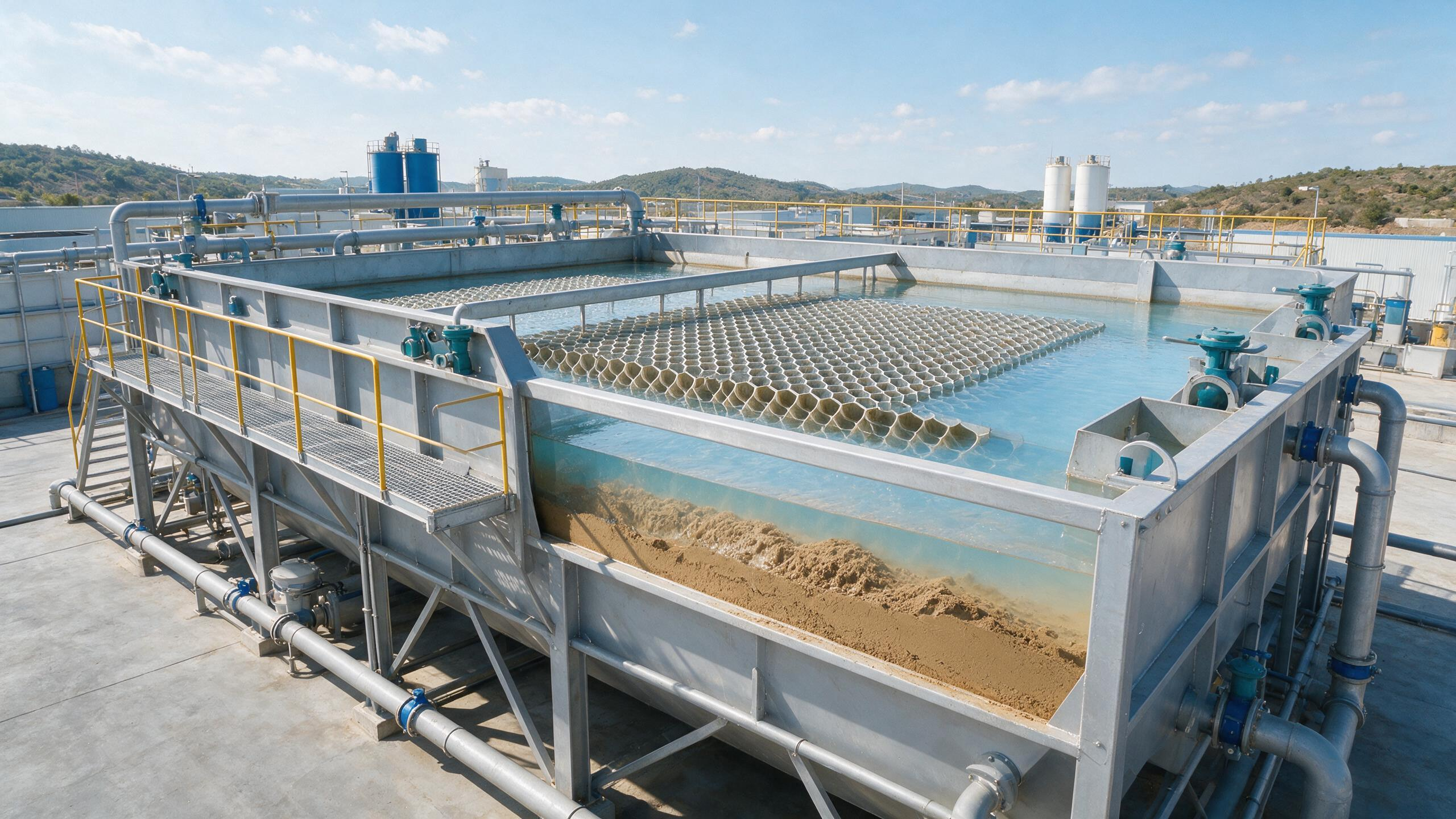
Learn how anionic polymer accelerates the sedimentation process, boosts particle settling velocity, and removes suspended solids in industrial clarifiers.
2026/10/19
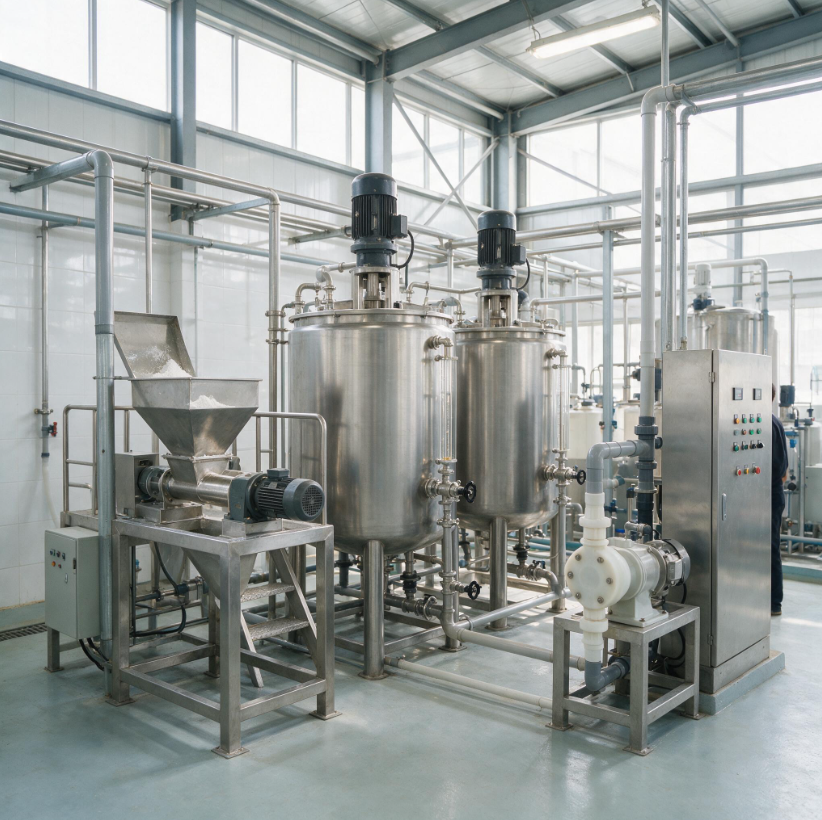
Discover the benefits of using flocculant in sewage plants to stabilize the secondary clarifier, prevent sludge bulking, and boost phosphorus removal.