Anionic Flocculant for Water Treatment | Feymer

showlist/anionic-flocculant, showlist/anionic-flocculant, 
Inquiry
Inquiry
High-Performance Anionic Flocculant for Water Treatment

High-Performance Anionic Flocculant for Water Treatment

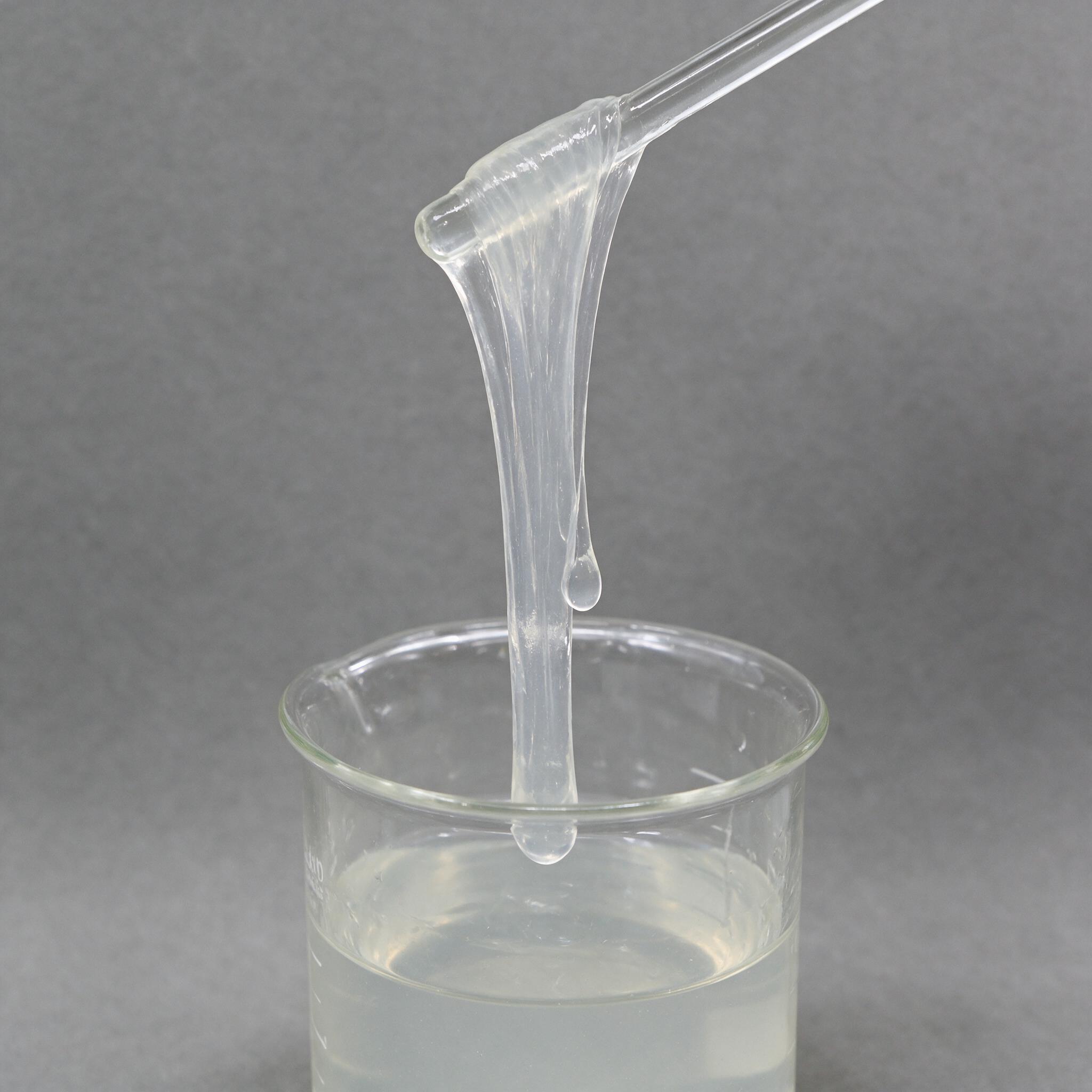
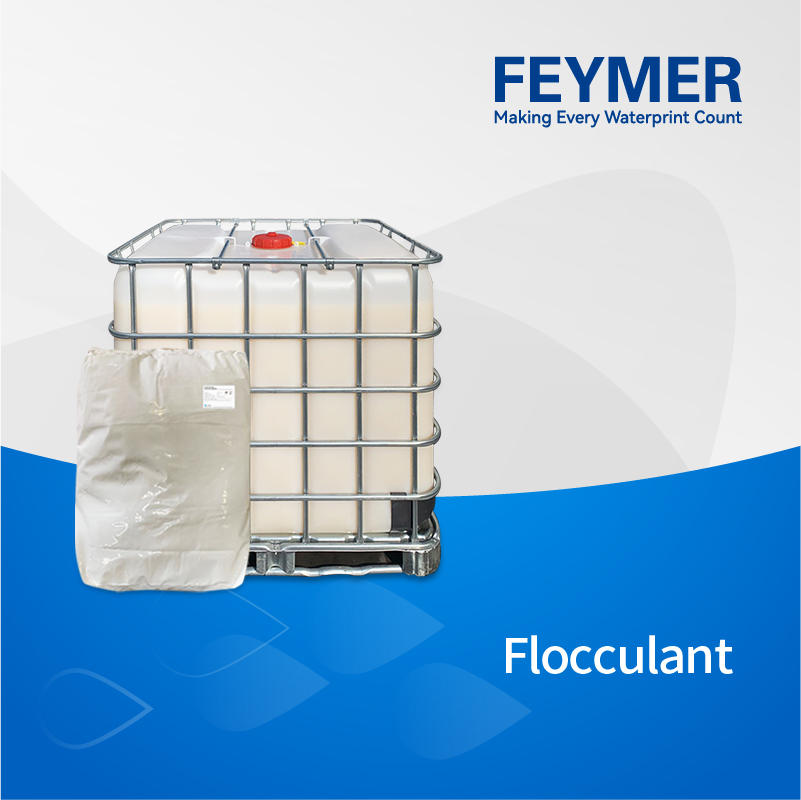
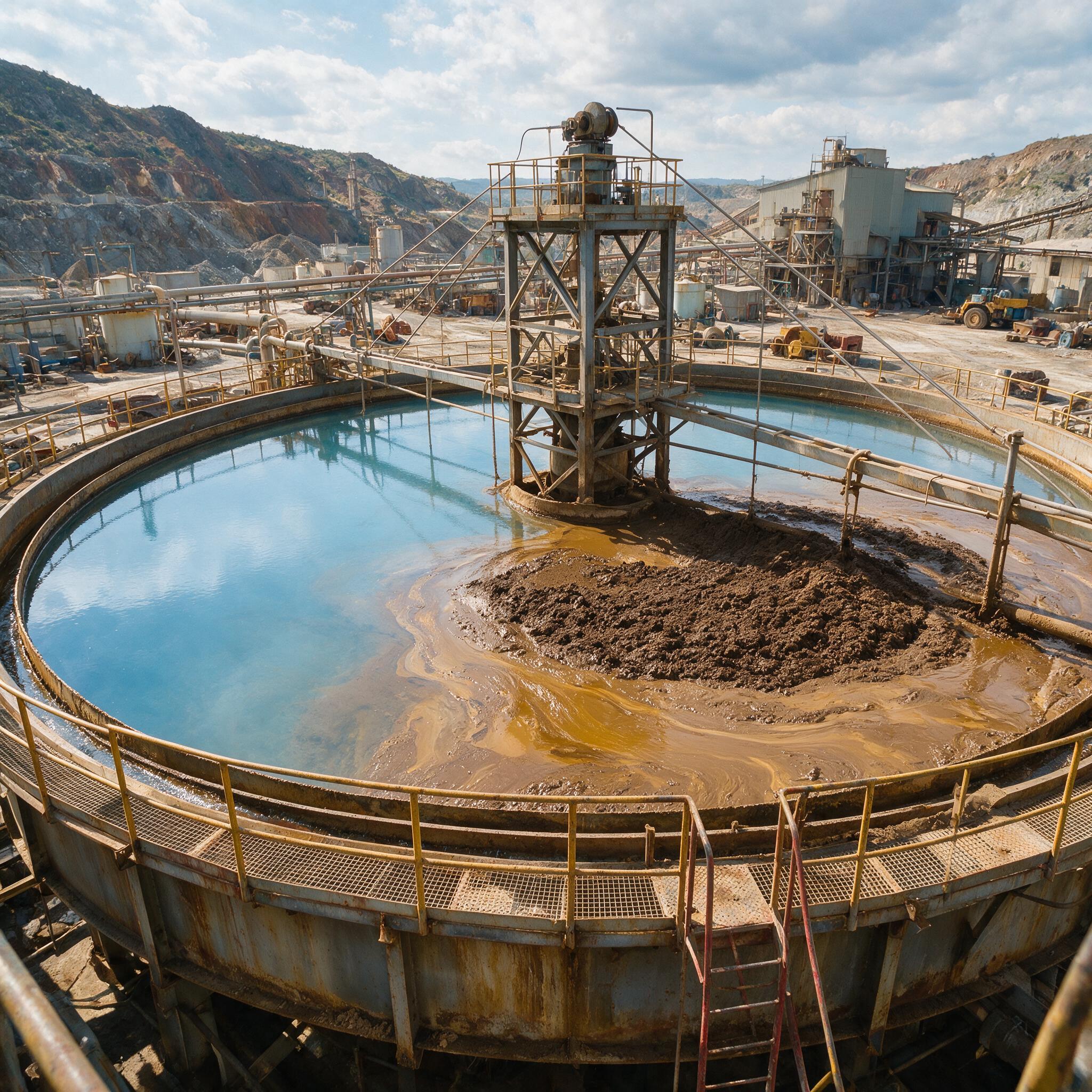
Anionic flocculant is a specialized water-soluble polymer with a strong negative charge, widely used in solid-liquid separation processes across industries like pulp and paper, oil and gas, fine chemicals, textile dyeing, and municipal wastewater treatment. At Jiangsu Feymer Technology Co., Ltd., we engineer premium anionic flocculants that accelerate particle aggregation, enhance settling rates, and improve filtration efficiency, even in challenging water conditions. As a technology leader listed on China’s STAR Market (688350), we combine advanced manufacturing with AI-driven process optimization to deliver products that reduce operating costs, minimize sludge volume, and meet the strictest environmental standards. Our anionic flocculant solutions are designed to handle high turbidity, varying pH levels, and high solids content, making them indispensable for achieving clarified effluents and sustainable operations.
Get A Quote

Advantages of the product

Superior Charged Performance

Our anionic flocculant features a carefully calibrated negative charge density that neutralizes positively charged colloidal particles, initiating rapid floc formation even in high-turbidity waters. This high charge intensity reduces the required dosage by up to 20% compared to standard products, significantly lowering chemical costs. The polymer architecture ensures minimal bridging with water molecules, speeding up the agglomeration process and leaving clearer supernatant fluid.

Broad Applicability Across pH and Salinity

One of the standout features of our anionic flocculant is its exceptional tolerance to a wide pH range (4–12) and moderate to high salinity environments. Unlike cationic alternatives that lose efficacy in alkaline or high-ionic-strength waters, our anionic polymer maintains its coil structure and charge stability under harsh conditions. This makes it ideal for treating industrial effluents from textile dyeing (high pH), oil and gas produced water (high salinity), and mining operations with varying water sources.

Sustainable and Eco-Friendly Design

Our anionic flocculant is synthesized using green chemistry principles, significantly reducing the environmental footprint compared to traditional products. It is designed to be biodegradable under aerobic conditions, breaking down into harmless substances after completing its flocculation duty. The product contains no toxic heavy metals or harmful acrylamide monomers, ensuring safety for both operators and aquatic ecosystems.

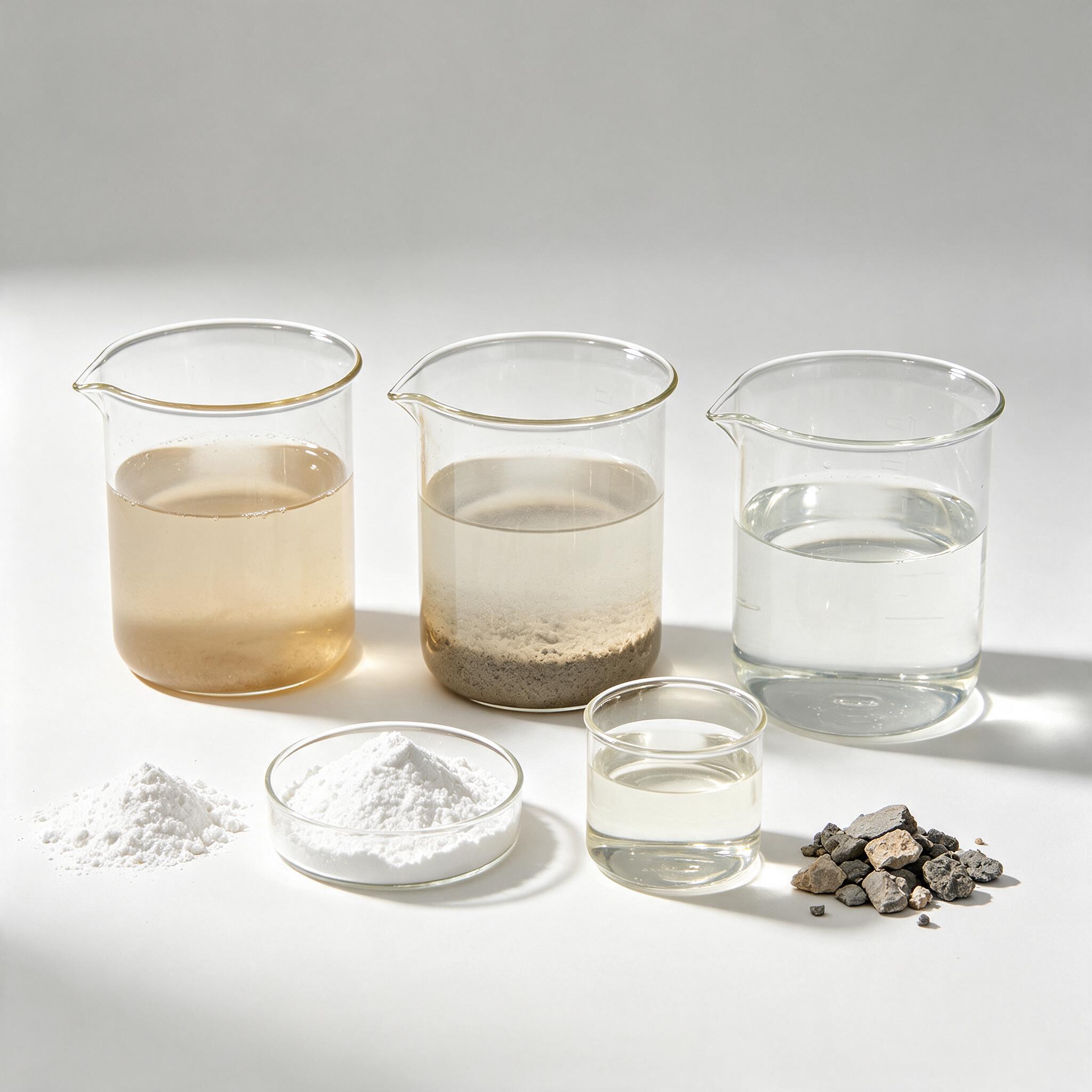
Anionic flocculant is an essential agent in modern water treatment processes, primarily used to accelerate the aggregation of fine suspended particles into larger, settleable flocs. As an anionic polyacrylamide, it carries a high molecular weight and long polymer chains that adsorb onto particle surfaces, bridging them together via electrostatic attraction and van der Waals forces. This mechanism is particularly effective in treating inorganic suspensions and sludges from industries like metal finishing, paper mills, and coal washing. The performance of anionic flocculant depends on its ionic charge density and molecular weight, which must be matched to the zeta potential and size distribution of the particles. Excessive charge can cause restabilization, while insufficient charge leads to poor bridging. Therefore, Feymer offers a range of anionic flocculants with precisely controlled specifications, each engineered to address specific water chemistries and process requirements.

Frequently Questions

What is an anionic flocculant and how does it differ from cationic or non-ionic?

An anionic flocculant is a polyelectrolyte with a negative charge that works by neutralizing positive charges on suspended particles, promoting particle collision and aggregation. In contrast, cationic flocculants carry a positive charge, attracting negatively charged particles commonly found in organic or biological wastewater. Non-ionic flocculants have no charge and rely solely on polymer bridging. The main difference lies in the targeted particle charge. Anionic flocculants are particularly effective for treating inorganic, alkaline, or high-salt-content waters, like those from mining, steel, and paper industries. They are also more cost-effective when treating colloidal particles with zeta potentials near neutral. However, they are not suitable for highly acidic effluents where cationic counterparts are preferred. The choice depends on your water chemistry, and Feymer provides complete testing to determine the right type.
The dosage of anionic flocculant varies widely depending on several factors: the concentration of suspended solids, particle size and charge, pH, and the degree of agitation. Generally, dosages range from 1 to 10 parts per million (ppm) for mildly turbid waters, up to 50 ppm for highly concentrated sludges. For example, in a typical municipal secondary clarifier, a dose of 2-5 ppm might be sufficient, while in a belt filter press dewatering of mixed sludge, 5-20 ppm is common. It is crucial to conduct jar tests to determine the exact dose for your system, as overdosing can cause restabilization and waste chemical, while underdosing results in poor flocculation. Our technical team assists clients by conducting jar tests on-site or analyzing samples in our lab. We provide a flocculant selection guide and dosing schedule

Related Articles

Anionic PAM Flocculant for Mineral Tailings Sedimentation

20

Jul

Anionic PAM Flocculant for Mineral Tailings Sedimentation

Improve mineral tailings sedimentation with high-performance anionic PAM. Feymer offers optimized flocculant solutions for efficient mining water recovery.
View More
How to Use Anionic Polyacrylamide Correctly?

30

Jul

How to Use Anionic Polyacrylamide Correctly?

Learn how to use anionic polyacrylamide correctly for water treatment. Feymer provides expert guidance and high-performance polymer solutions.
View More
What Is Polyacrylamide Application in Mining?

05

Aug

What Is Polyacrylamide Application in Mining?

Discover polyacrylamide application in mining for advanced slurry transport and thickening. Feymer delivers premium polymer solutions worldwide.
View More

Customer Testimonials

John Martinez
A Game-Changer for Our Mine Tailings Treatment

We operate a large copper mine in Chile, and our tailings pond has always been a challenge due to high clay content. After switching to Feymer’s anionic flocculant, we saw immediate improvements in settling rates, with our underflow density increasing by 15%. The product’s consistent quality allowed us to reduce dosage by 20%, saving an estimated $200,000 annually. The technical support from Feymer was exceptional; they conducted on-site trials and optimized our dosing system remotely via their AI platform. Most importantly, the treated water now meets stringent discharge norms, allowing us to reuse 80% of the process water. I highly recommend Feymer for any mining operation.

Markus Schmidt
Reliable Performance in Municipal Wastewater

As the head of operations for a large municipal wastewater treatment plant in Germany, I require products that consistently produce high-quality effluent. Feymer’s anionic flocculant exceeded our expectations, improving our suspended solids removal by 30% and reducing sludge volume by 25%. Their polymer dissolved quickly, and the automated dosing controller integrated seamlessly with our existing SCADA system. Since implementing their solution, we have met all EU discharge standards with a comfortable margin. The team’s proactive technical advice helped us optimize our polymer consumption, leading to a year-on-year cost reduction of 18%. The product also allowed us to handle peak loads during heavy rainfall without any issues.

Get a Free Quote

Our representative will contact you soon.
0/1000
AI-Powered Dosing Optimization

AI-Powered Dosing Optimization

Feymer is pioneering the integration of artificial intelligence with water treatment process control. Our anionic flocculant is often paired with our AI-driven monitoring platform, which uses real-time data from sensors (turbidity, pH, flow rate) to automatically adjust flocculant dosage. This ensures peak performance while minimizing chemical usage, typically reducing consumption by 20-30% compared to conventional manual dosing. The system learns from historical process data, adapting to changes in influent quality, thereby preventing under- or overdosing incidents. This drone-level precision leads to consistent effluent quality, even during shock loads. Our clients receive actionable insights via a user-friendly dashboard, allowing them to monitor performance from anywhere. The system also alerts operators to potential issues before they escalate, reducing downtime and maintenance costs.
Customized Polymer Synthesis

Customized Polymer Synthesis

Our anionic flocculant is not an off-the-shelf product; we specialize in tailoring the polymer architecture to your specific application. Through our advanced manufacturing technology, we can precisely control the molecular weight (from 5 to 25 million Daltons) and charge density (from 5% to 60%) to achieve optimal performance under your unique process conditions. This customization is based on a thorough analysis of your water chemistry, including particle size, charge, pH, and ionic strength. Our labs can create a mini-emulsion or powder form that dissolves instantly in your specific makeup water. We also offer to blend with other polymers to create synergistic formulations. By fine-tuning these parameters, we enable you to achieve maximum settling rates, clearer effluent, and higher dewatering efficiency. For a chemical manufacturer in Texas, we developed a specific anionic flocculant that improved filtration throughput by 35% while reducing filter cake moisture.