The Fundamental Importance of Proper Anionic Polyacrylamide Application
Water treatment, mineral processing, and solid-liquid separation operations across various heavy industrial sectors rely heavily on the precise deployment of high-performance chemical auxiliaries. Among these specialized reagents, anionic polyacrylamide has established itself as an indispensable tool for clarifying industrial wastewater effluent, dewatering complex mineral sludges, and enhancing overall papermaking efficiency. However, the ultimate performance, operational stability, and economic cost-effectiveness of this high-molecular-weight polymer depend entirely on how correctly anionic polyacrylamide is handled, dissolved, aged, and applied on-site. Improper preparation methods—such as excessive mechanical agitation speeds, incorrect dilution water ratios, or inadequate hydration periods—frequently lead to severe polymer chain degradation, drastically reducing its flocculation efficiency and increasing chemical expenditures. Industrial plant operators must master the correct application parameters of anionic polyacrylamide to unlock its full technical potential, ensuring stable operational workflows, minimized chemical waste, and strict adherence to stringent environmental discharge regulations.
Mastering the Dissolution and Concentration Guidelines
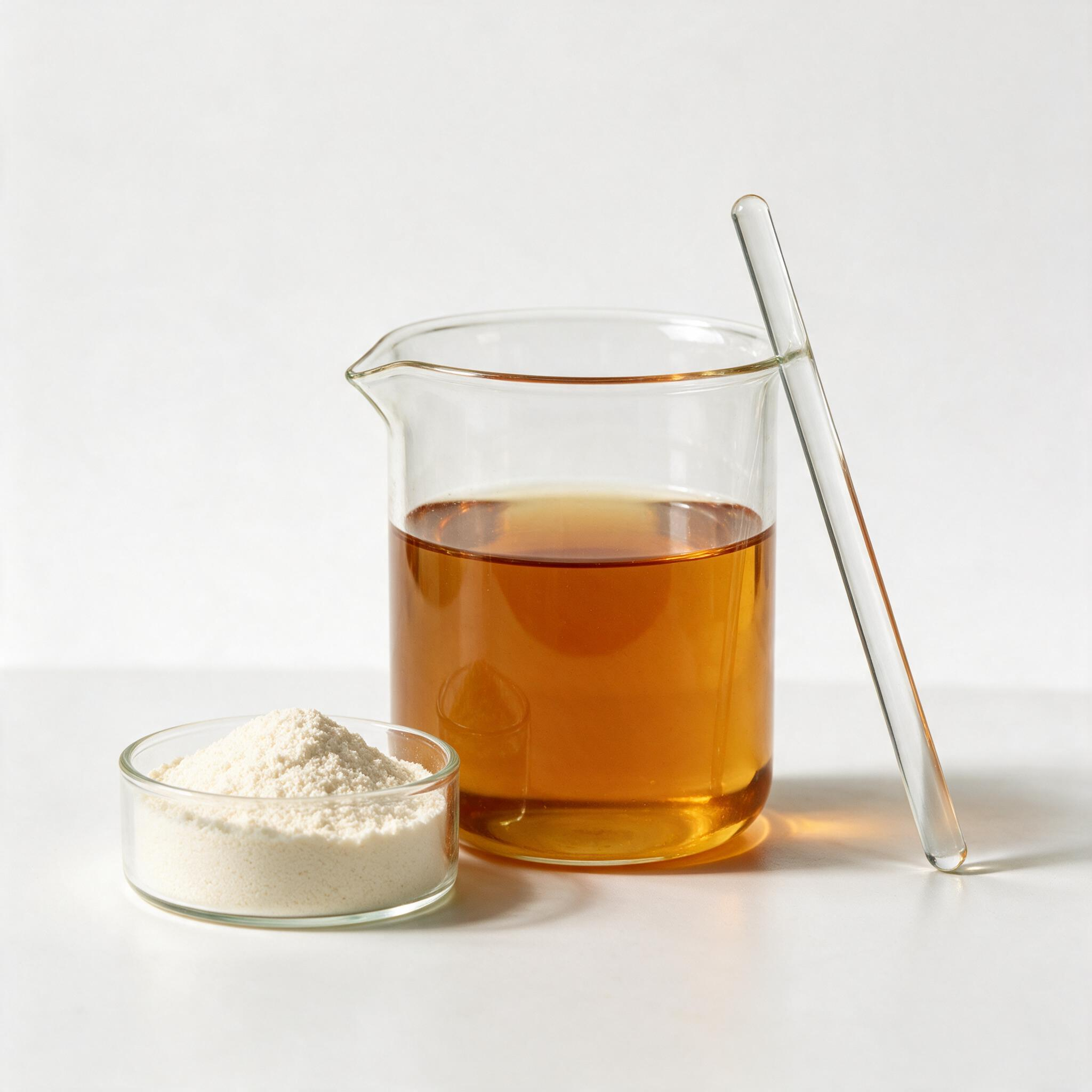
The first critical step in utilizing anionic polyacrylamide correctly involves the precise preparation of the stock solution. Solid polymer granules require careful, professional handling to avoid clumping, which forms partially dissolved gel-like masses commonly known as "fish eyes" that clog dosing pumps, foul pipeline valves, and waste active material. Standard operating procedures dictate that anionic polyacrylamide should be slowly and evenly dispersed into the vigorous vortex of clean, agitated water rather than dumped rapidly into stagnant or slow-moving liquid. The recommended concentration for the primary stock solution typically ranges from 0.1% to 0.3% by weight, allowing the extremely long polymer chains of anionic polyacrylamide sufficient physical room to uncoil, stretch, and fully hydrate. Field data and industrial trial reports indicate that an aging period of 45 to 60 minutes of gentle, continuous agitation is essential to achieve complete polymer activation before secondary dilution and injection into the active wastewater stream or process slurry.
Controlling Shear Forces and Agitation Intensity
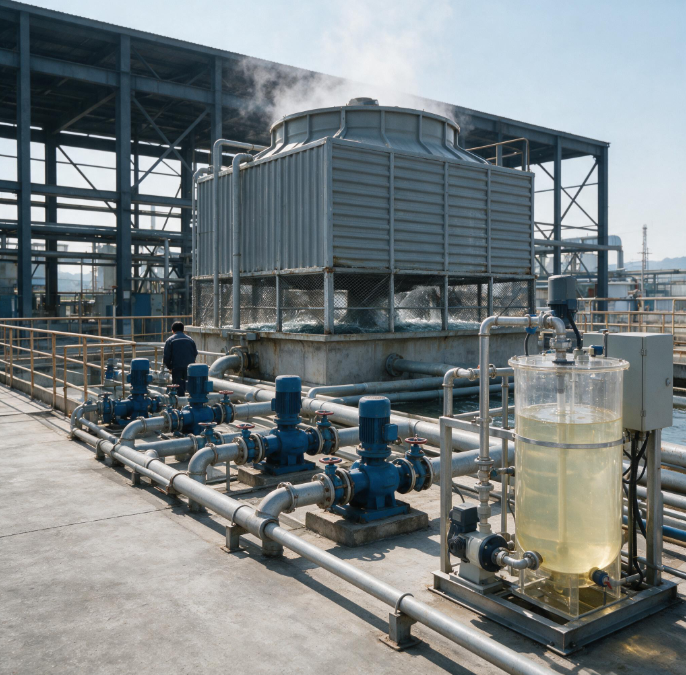
Once the anionic polyacrylamide is fully dissolved and ready for dosing into the treatment system, maintaining optimal fluid dynamics is crucial to prevent catastrophic molecular destruction. The massive, high-molecular-weight chains that give anionic polyacrylamide its exceptional bridging capability are physically delicate and highly vulnerable to extreme mechanical shear forces. Excessive agitation speeds in transfer pumps, high-shear static mixers, or sharp pipeline bends can tear these long polymer chains apart, permanently destroying the effectiveness of anionic polyacrylamide as a flocculant. Expert technical recommendations emphasize that centrifugal pumps should be operated at moderate speeds, and positive displacement pumps or gravity-fed dosing points are strongly preferred. By minimizing mechanical stress after dissolution, industrial facilities can preserve the structural integrity of anionic polyacrylamide, ensuring that flocs remain large, dense, and capable of rapid settling in clarifiers and thickeners.
Optimizing Dosage Rates and Jar Testing Protocols
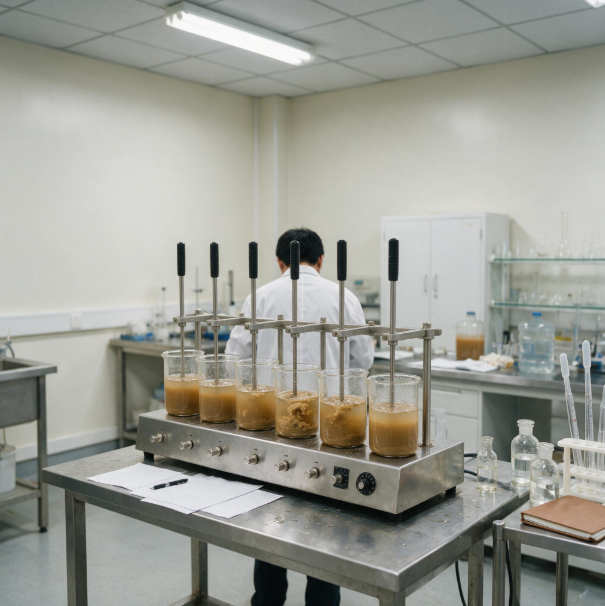
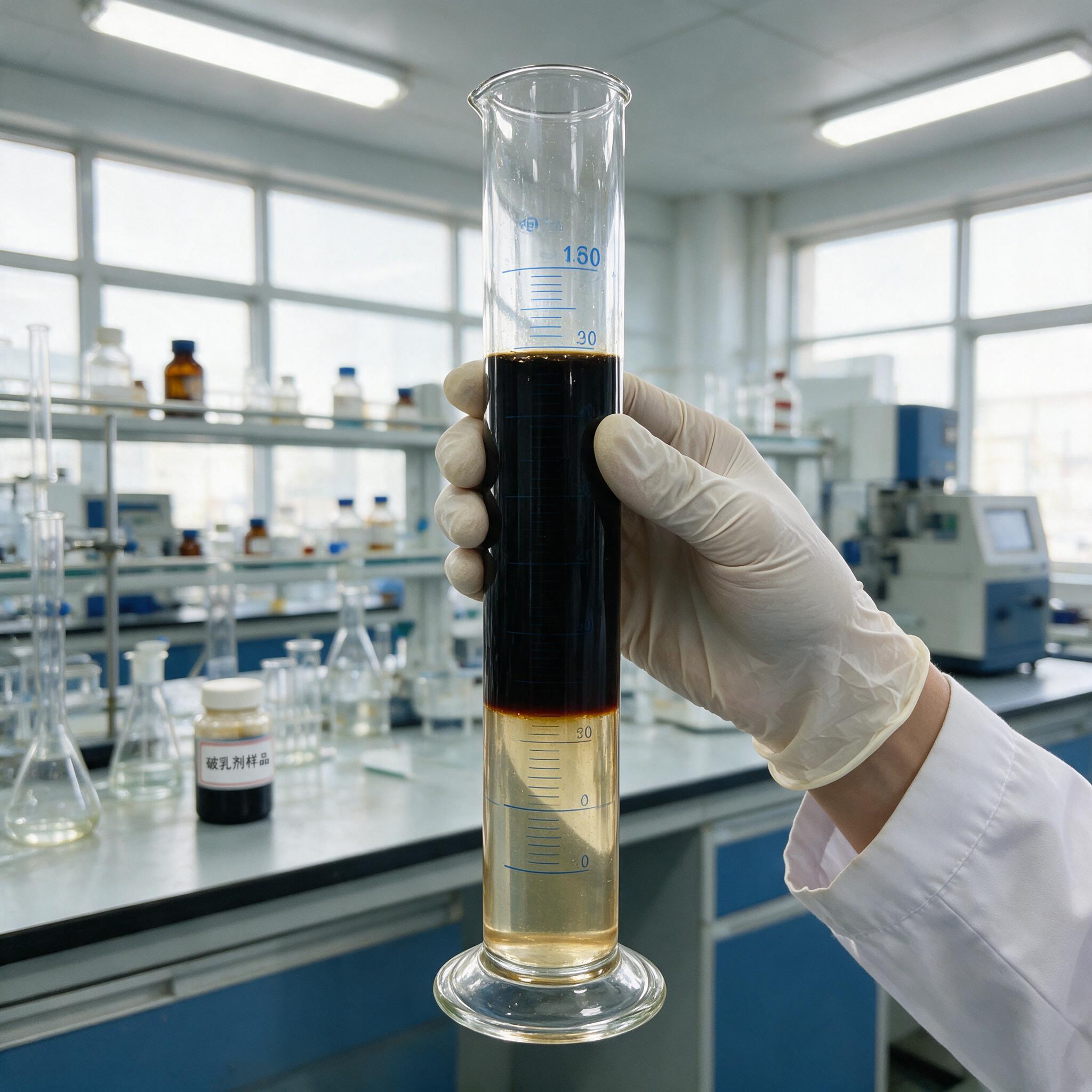
Determining the precise dosage rate of anionic polyacrylamide is a delicate operational balancing act that directly influences both technical performance and overall economic efficiency. Under-dosing results in incomplete solid-liquid separation, leaving high levels of suspended solids in the supernatant and overloading downstream filtration or centrifugation units. Conversely, over-dosing of anionic polyacrylamide can cause polymer overdosing, which increases fluid viscosity, blinds filter cloths, and unnecessarily inflates annual chemical budgets. To achieve the ideal dosage, plant operators should routinely conduct standardized jar tests to evaluate settling velocity, floc size, and water clarity under simulated plant conditions. Comprehensive operational case studies from various mineral processing and municipal wastewater treatment plants demonstrate that fine-tuning anionic polyacrylamide dosage regimens can reduce overall chemical consumption by up to 20% while simultaneously improving solid capture efficiency.
Feymer: Your Trusted Partner in Polymer Application Excellence
Achieving flawless execution in chemical water treatment requires not only advanced technical know-how but also a reliable supply chain partner dedicated to product excellence. Feymer has built a stellar international reputation as a leading manufacturer and technical provider of specialized anionic polyacrylamide and related industrial polymers. By combining decades of intensive chemical research with state-of-the-art production capabilities, the organization ensures that every batch of anionic polyacrylamide delivers exceptional purity, structural stability, and consistent operational performance. Feymer provides comprehensive, data-driven technical support, assisting industrial operators in analyzing their unique water chemistry profiles to establish custom-tailored handling and dosing protocols. Through a robust global distribution network and an unwavering commitment to continuous innovation, the organization empowers industrial partners worldwide to maximize efficiency, reduce operating expenses, and achieve long-term sustainability goals.
Future Horizons in Smart Polymer Dosing and Management
Looking toward the future, the industrial sector is experiencing a rapid digital transformation aimed at optimizing chemical usage through automation and real-time monitoring. The next generation of anionic polyacrylamide applications is increasingly integrating smart sensor networks and automated dosing systems that adjust chemical feed rates dynamically based on live turbidity and flow metrics. These advanced technologies eliminate human error, prevent chemical waste, and ensure peak performance even under fluctuating influent conditions. By embracing these cutting-edge innovations and partnering with established industry leaders, modern manufacturing and treatment plants utilizing advanced anionic polyacrylamide will continue to successfully balance high-speed operational productivity with the vital economic and environmental necessity of precise chemical management.

 EN
EN