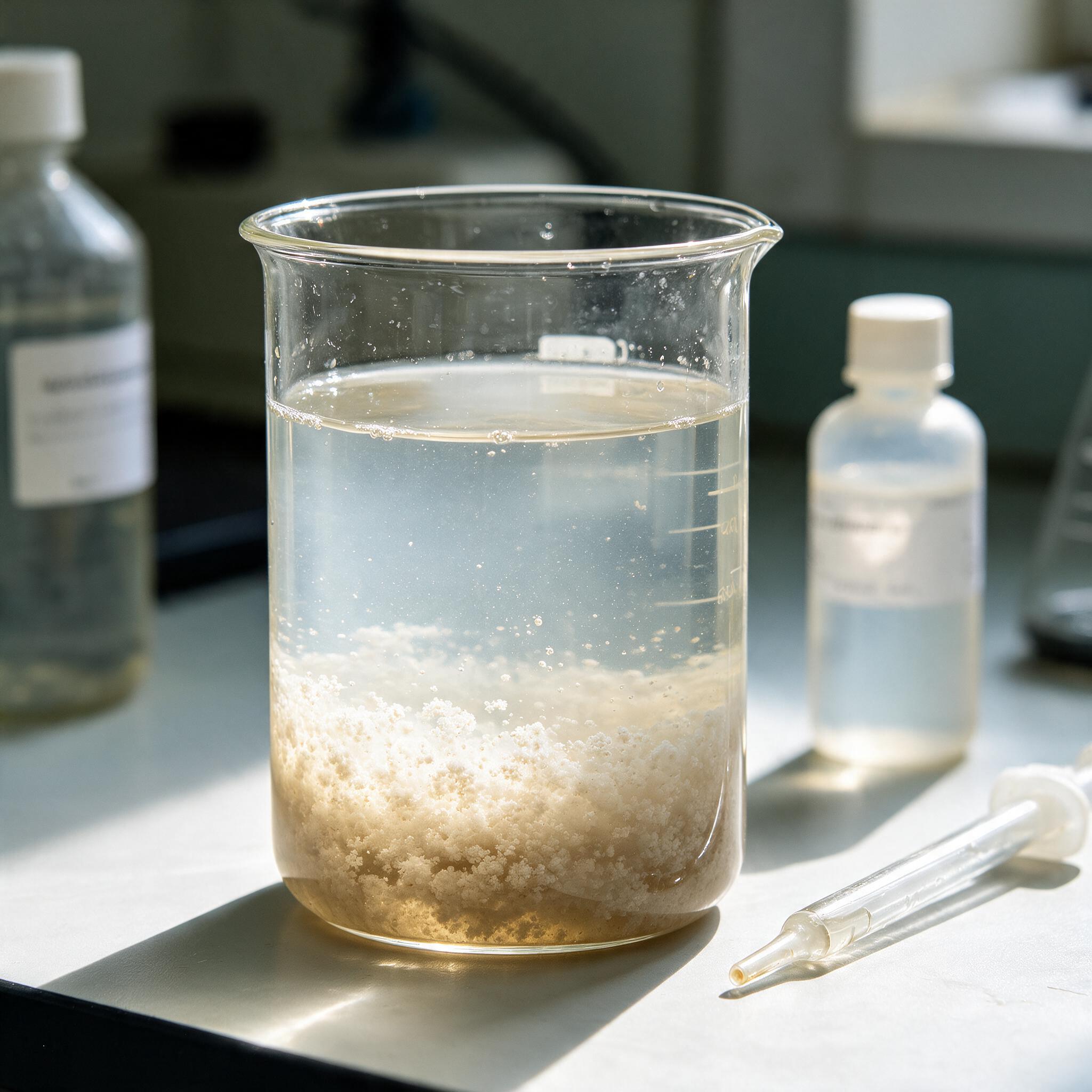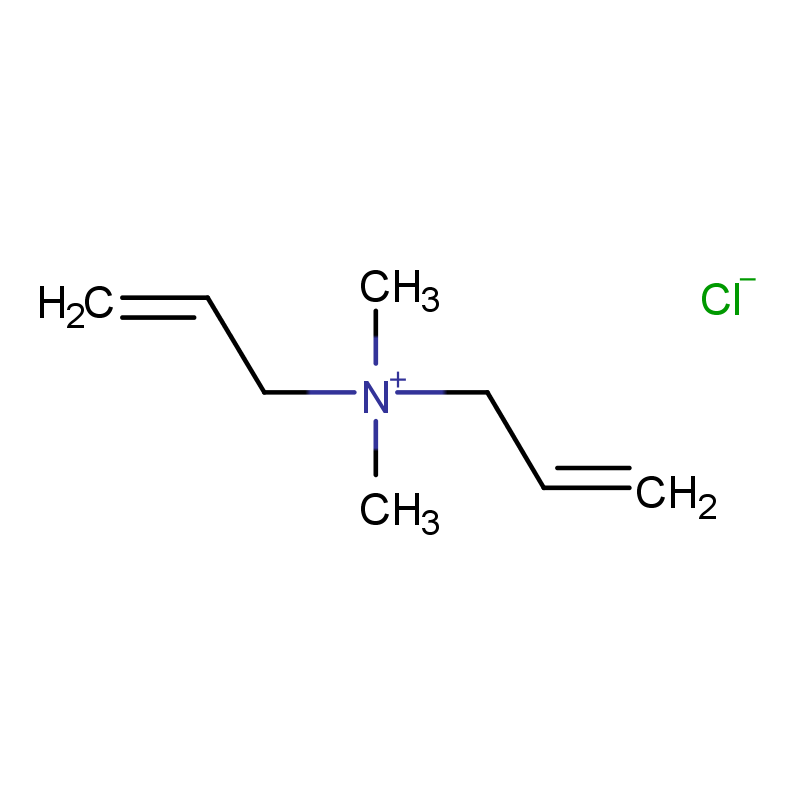
The increasing stringency of water discharge regulations, combined with growing environmental consciousness, has intensified the need for effective treatment solutions. Among various chemical agents, polymer flocculants have emerged as indispensable tools in both municipal and industrial water treatment. These high-molecular-weight compounds function by bridging suspended particles, causing them to aggregate into larger flocs that can be easily removed through sedimentation or filtration. Depending on the ionic nature, polymer flocculants are categorized as anionic, cationic, or nonionic, each serving distinct applications. Anionic flocculants excel in treating inorganic suspensions, such as those found in mining and steel industries, while cationic varieties are preferred for organic sludge and wastewater with high biological content. Nonionic polymers offer versatility for neutral or slightly charged systems.