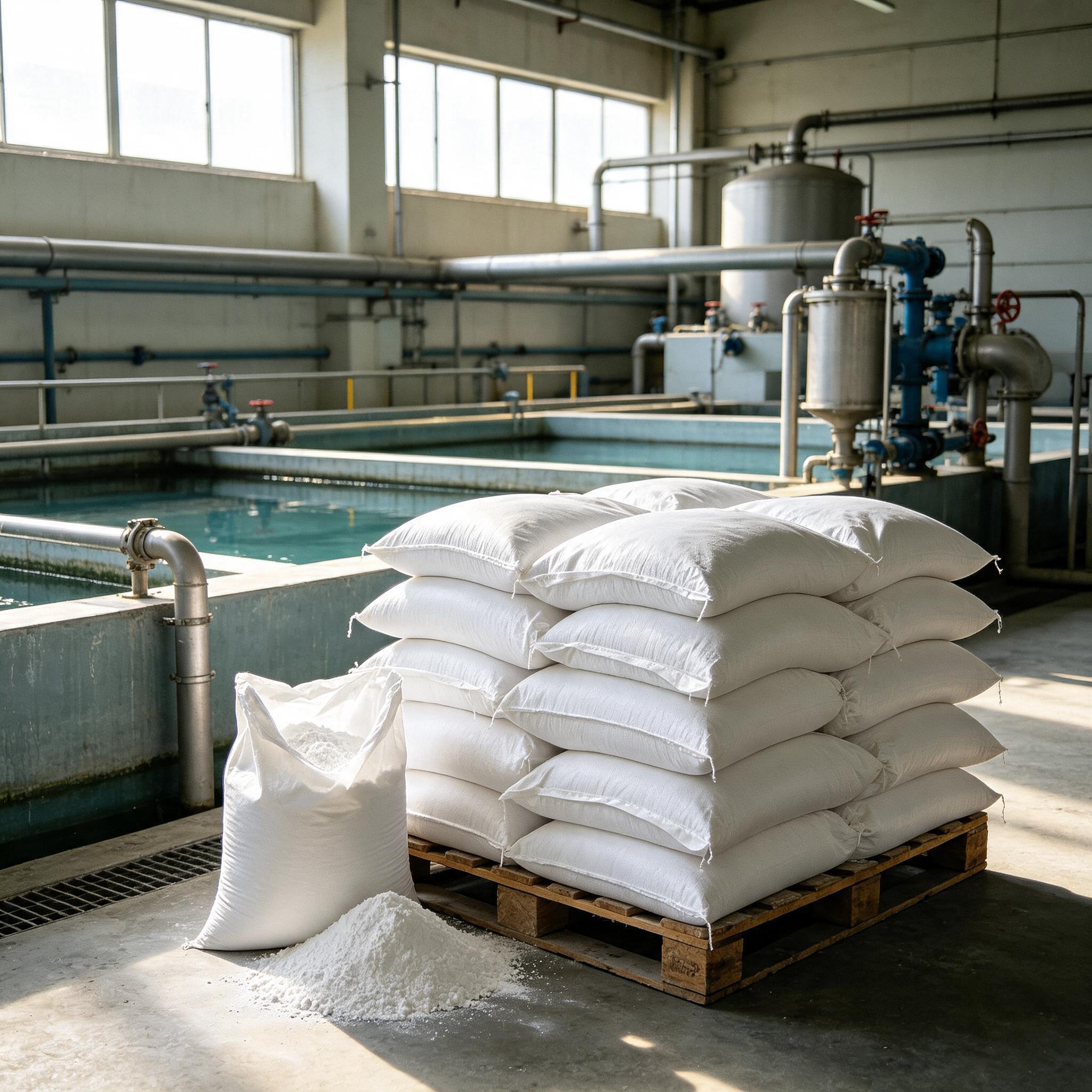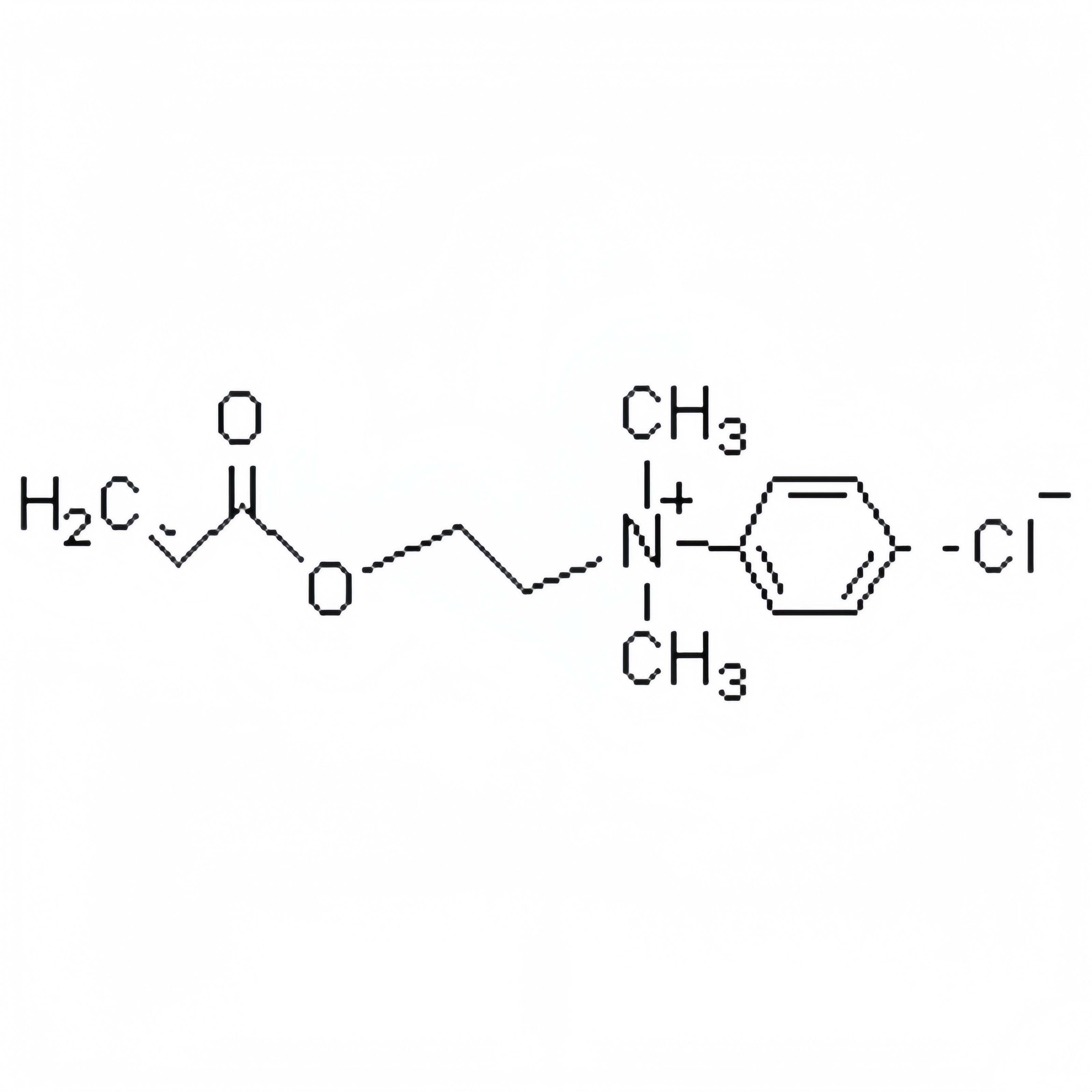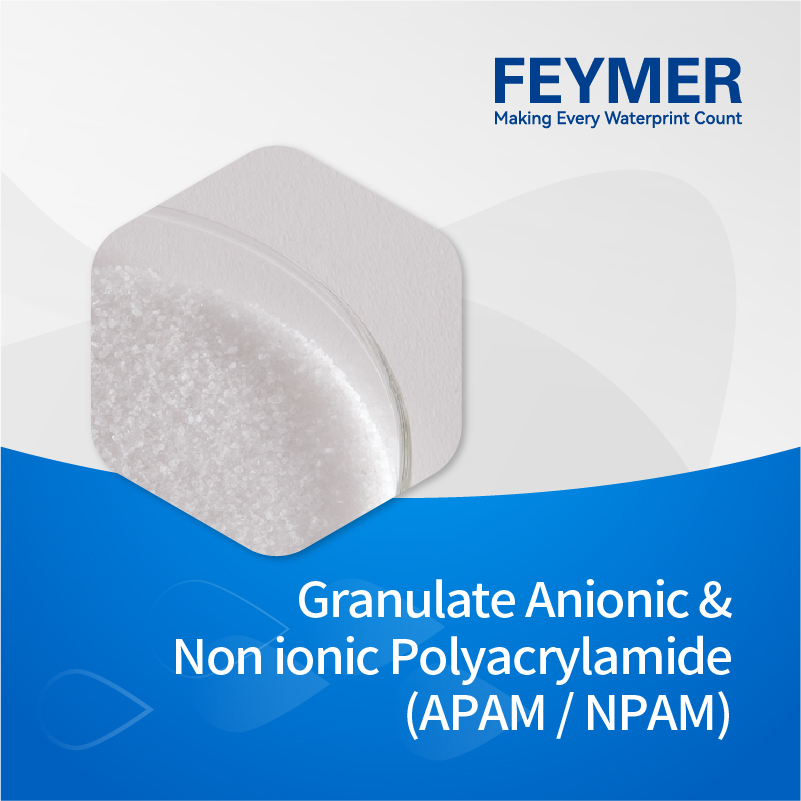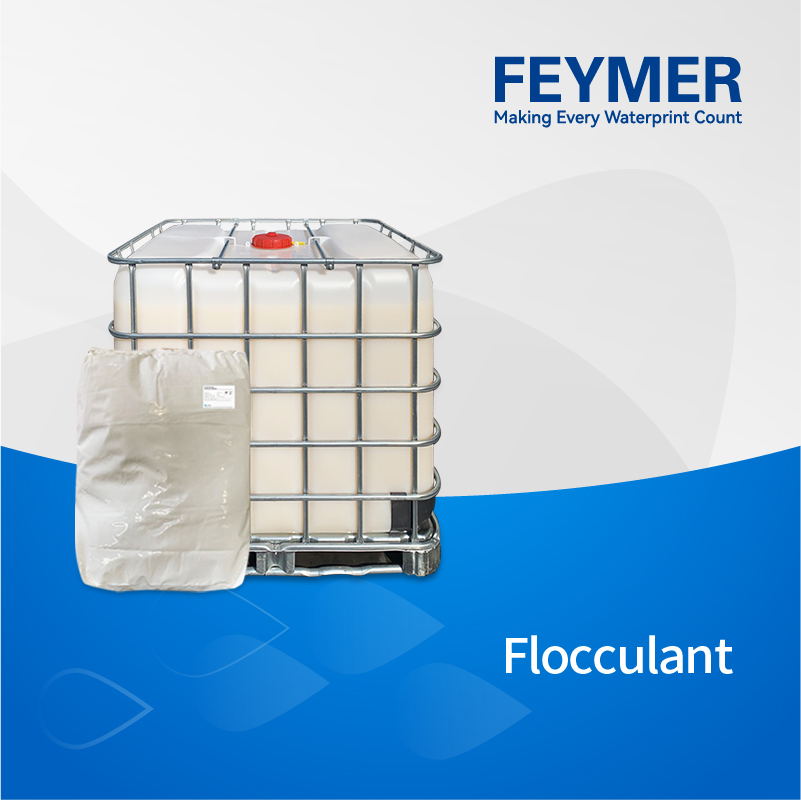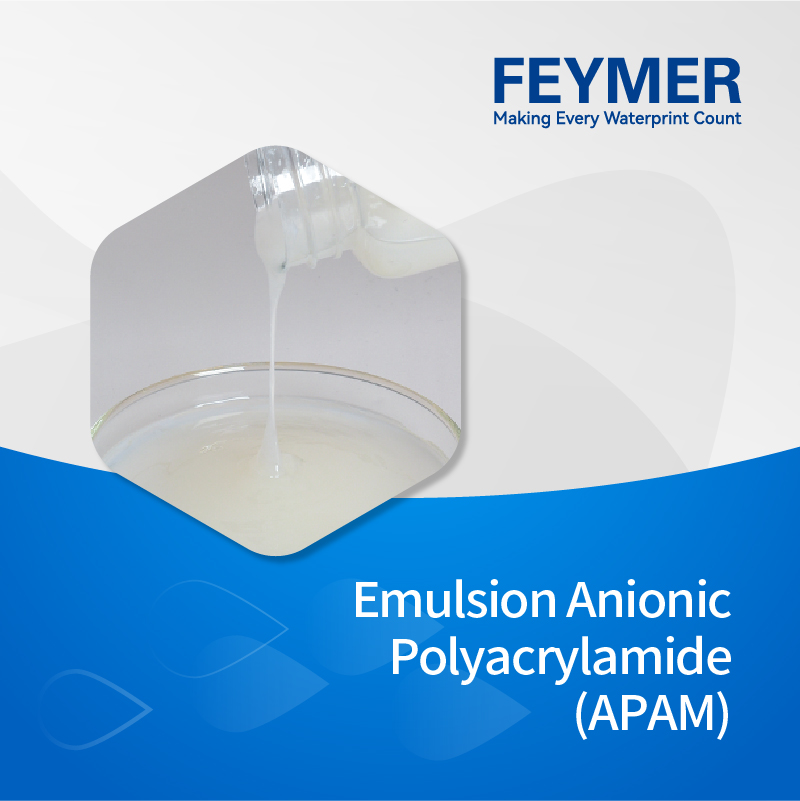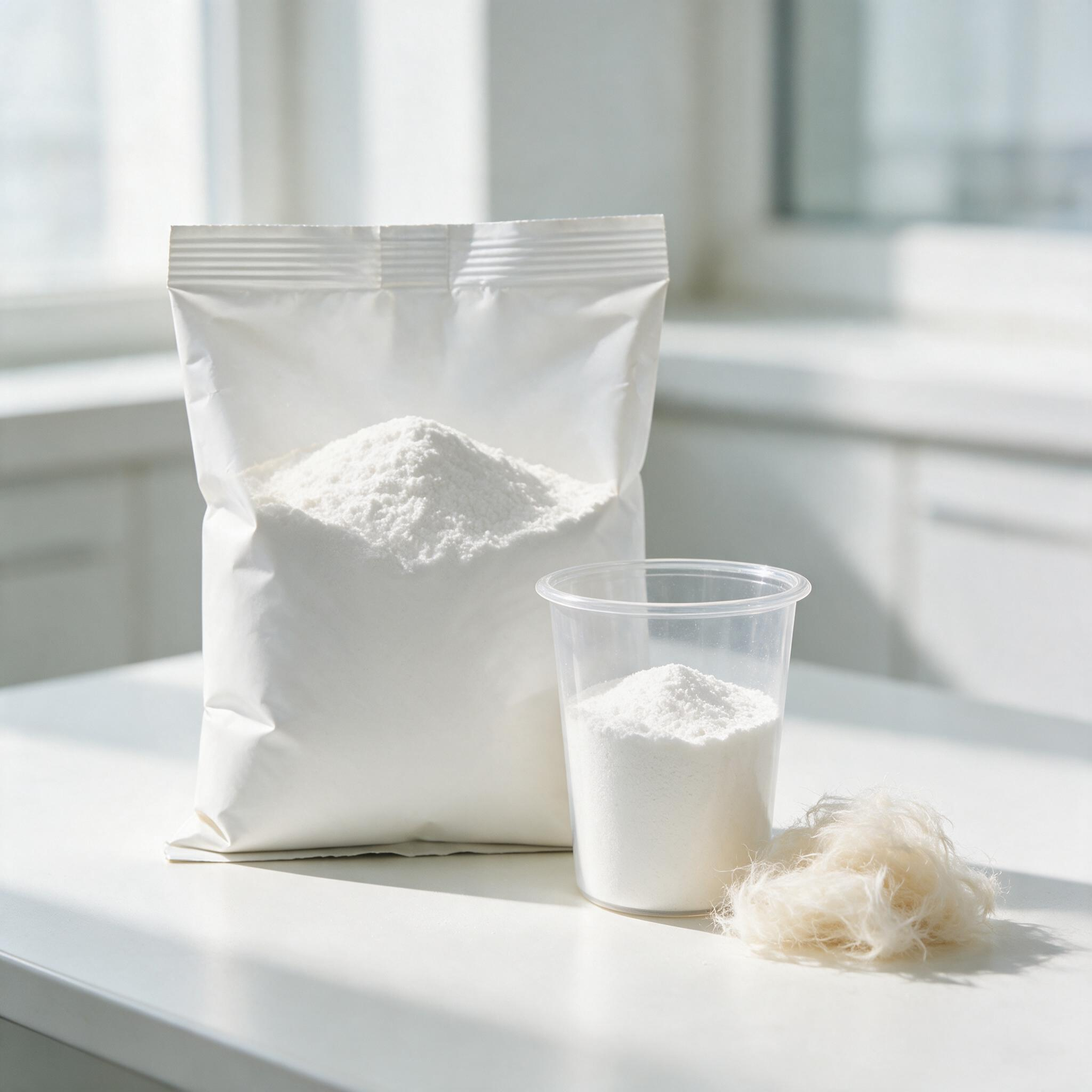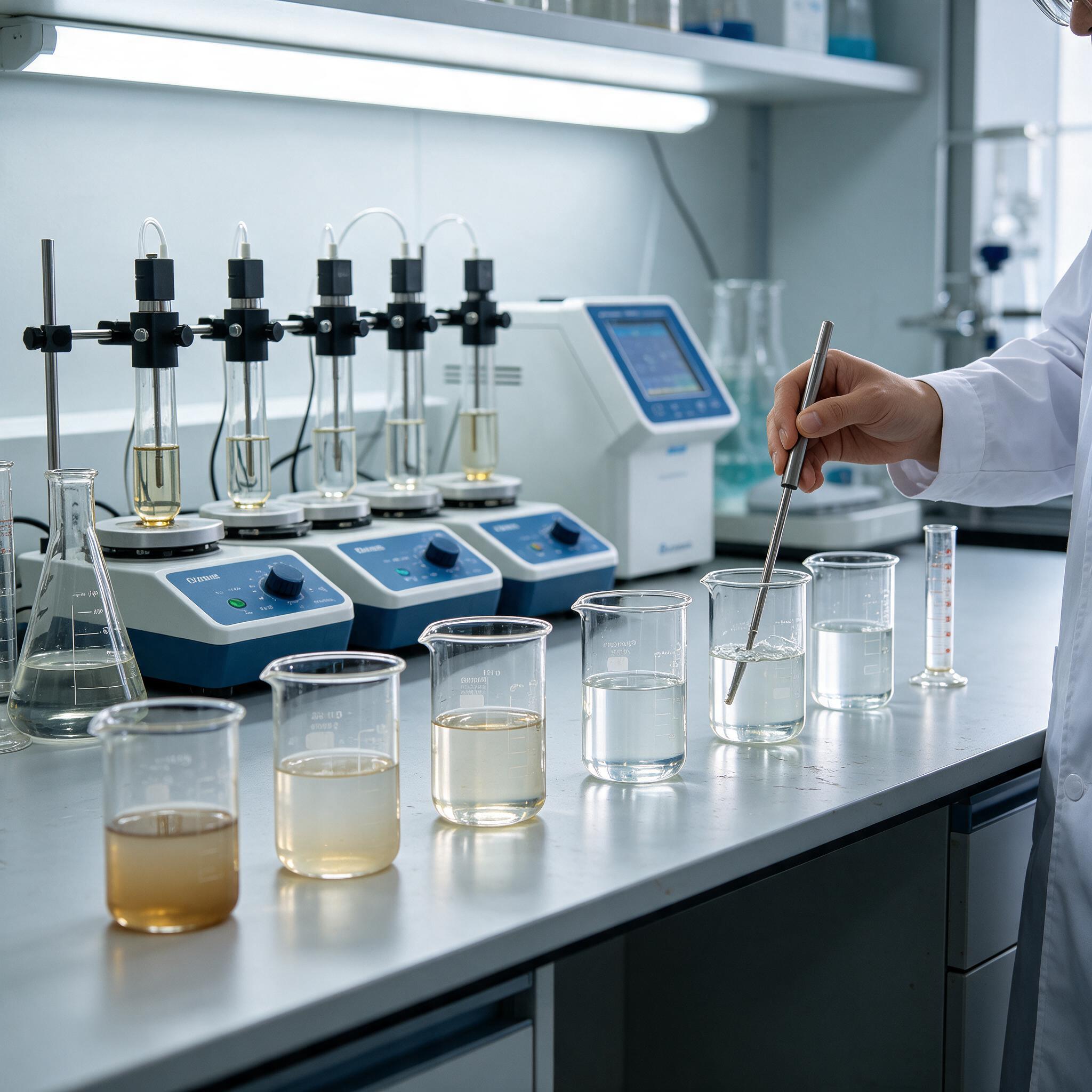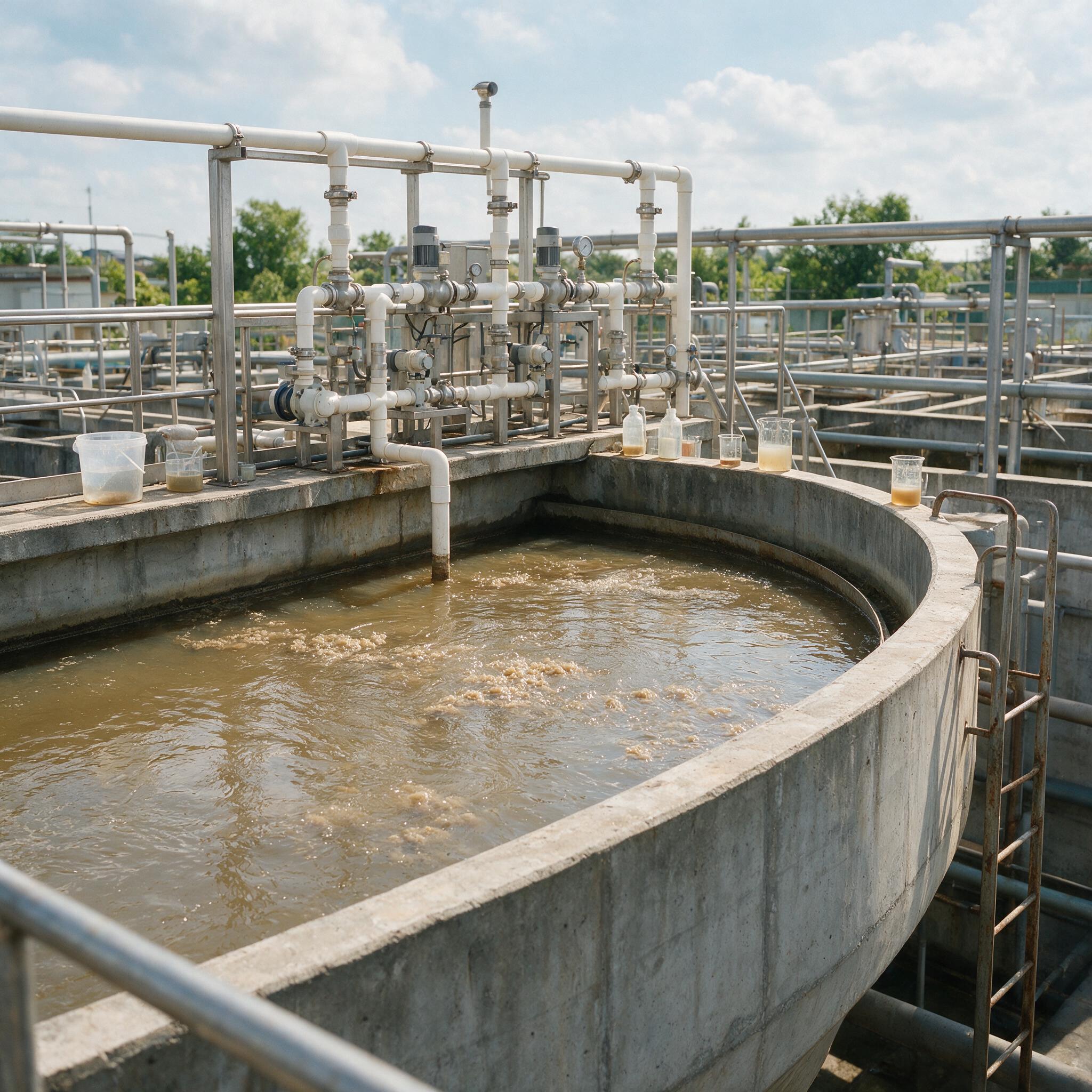
The utilization of flocculants used in water treatment is a cornerstone in achieving clean water, meeting environmental regulations, and ensuring operational efficiency across multiple industries. Flocculation is a process that facilitates the aggregation of destabilized particles into larger flocs, which can then be easily separated from the water through sedimentation or filtration. The selection of the appropriate flocculant is critical, as it affects treatment performance, water quality, and overall cost. Polyacrylamides (PAM) are among the most widely used synthetic flocculants due to their high molecular weight and ability to bridge particles effectively. They can be tailored with different ionic charges—anionic, cationic, or nonionic—to suit various particle charges in water. Anionic flocculants are effective with positively charged particles, such as metal hydroxides, while cationic flocculants target negatively charged organic matter and bacteria.