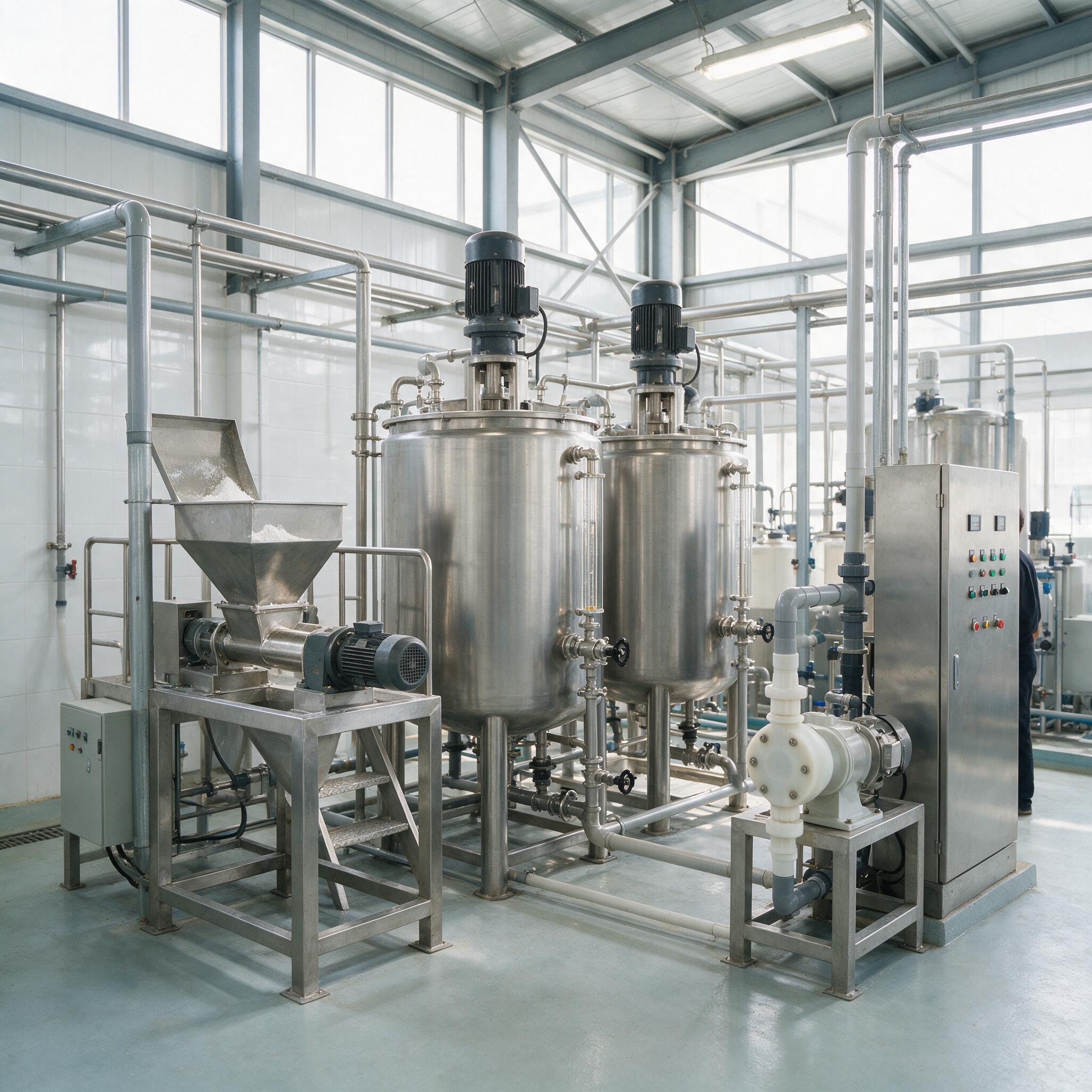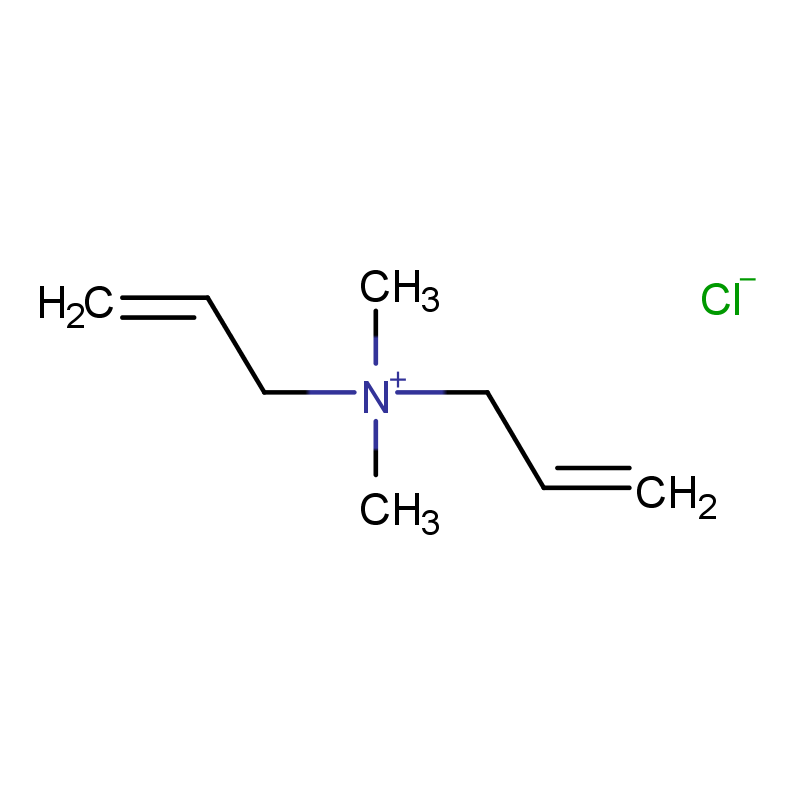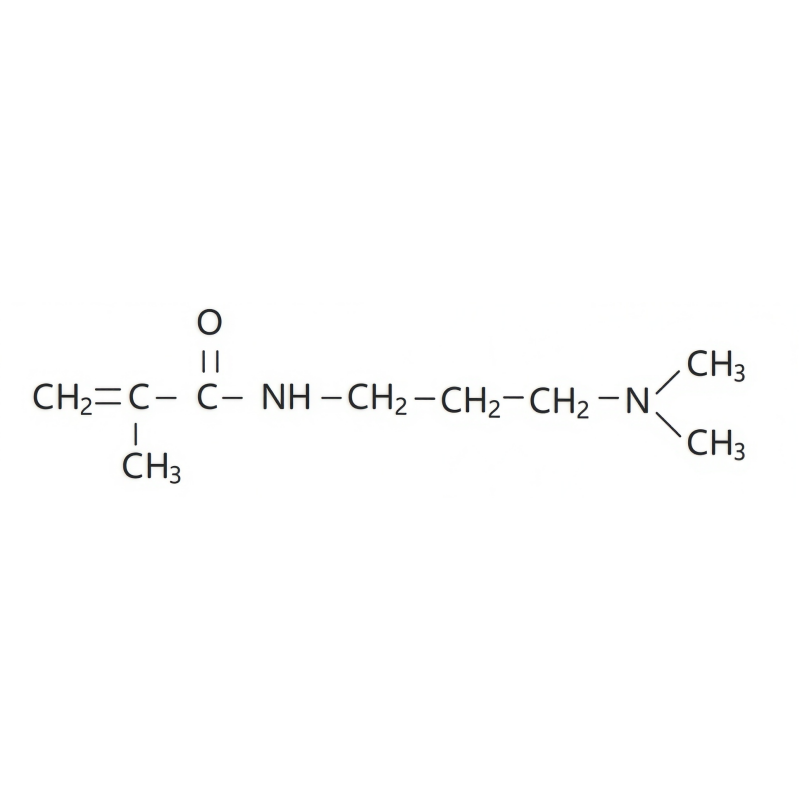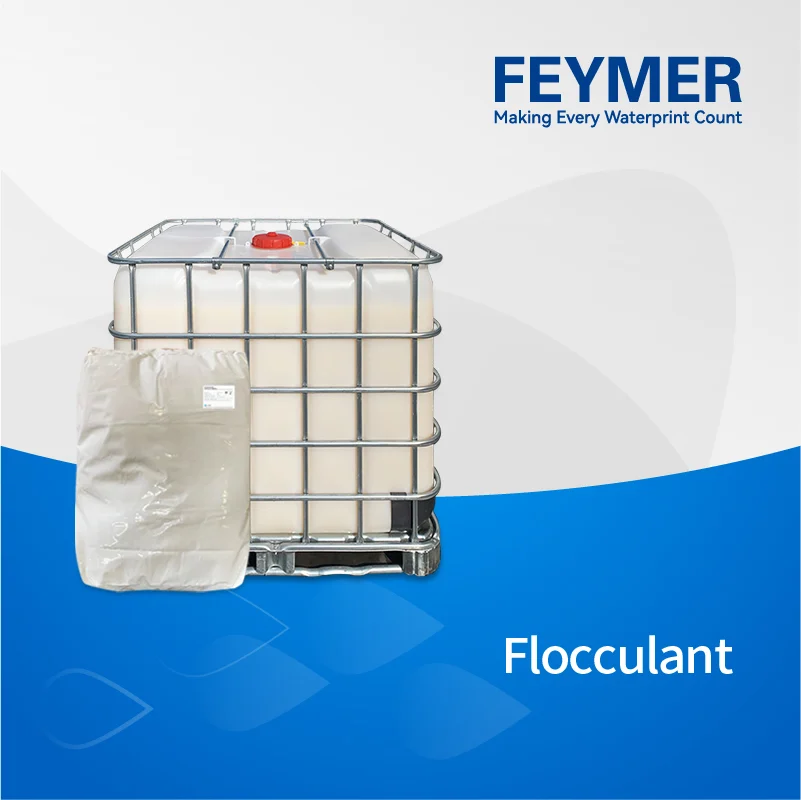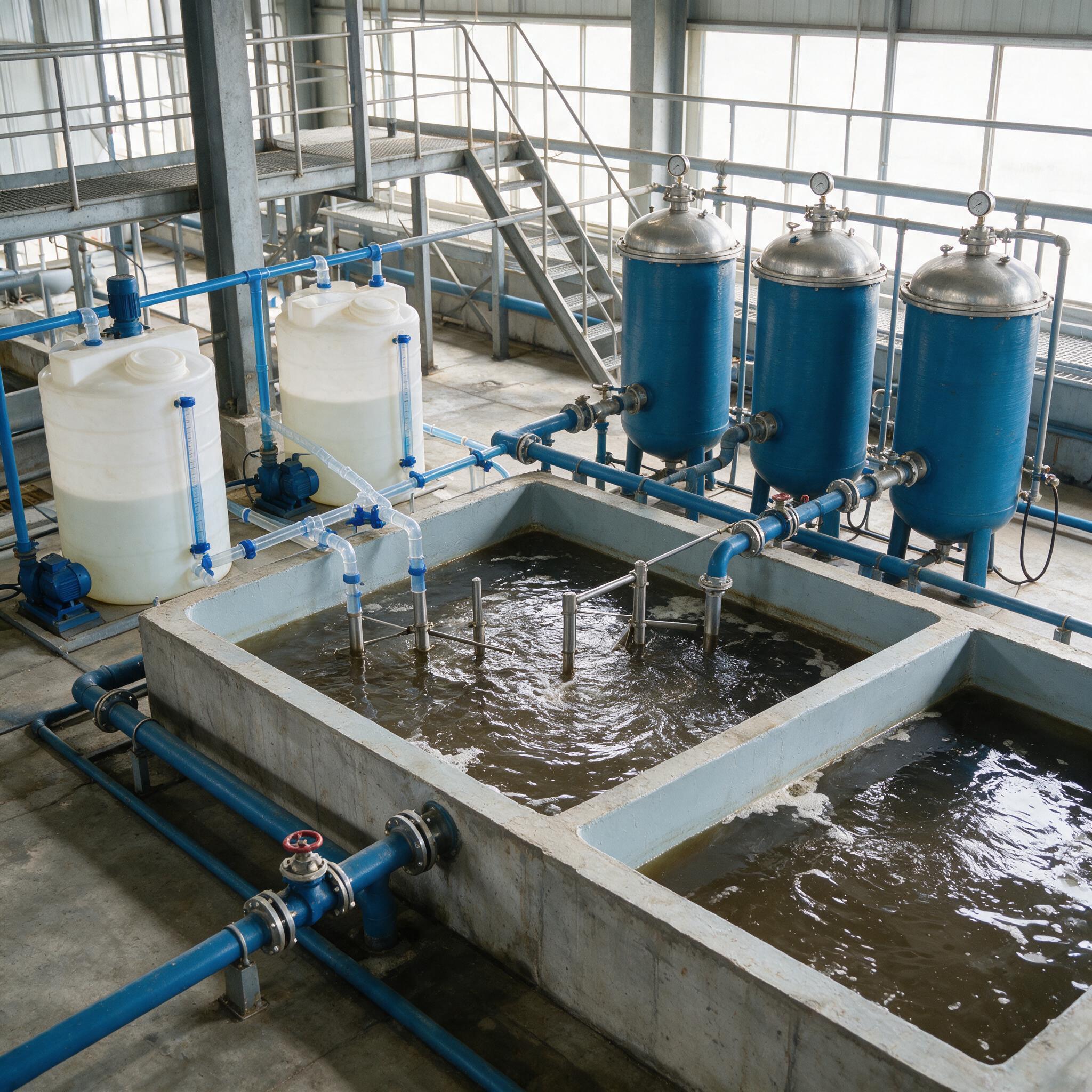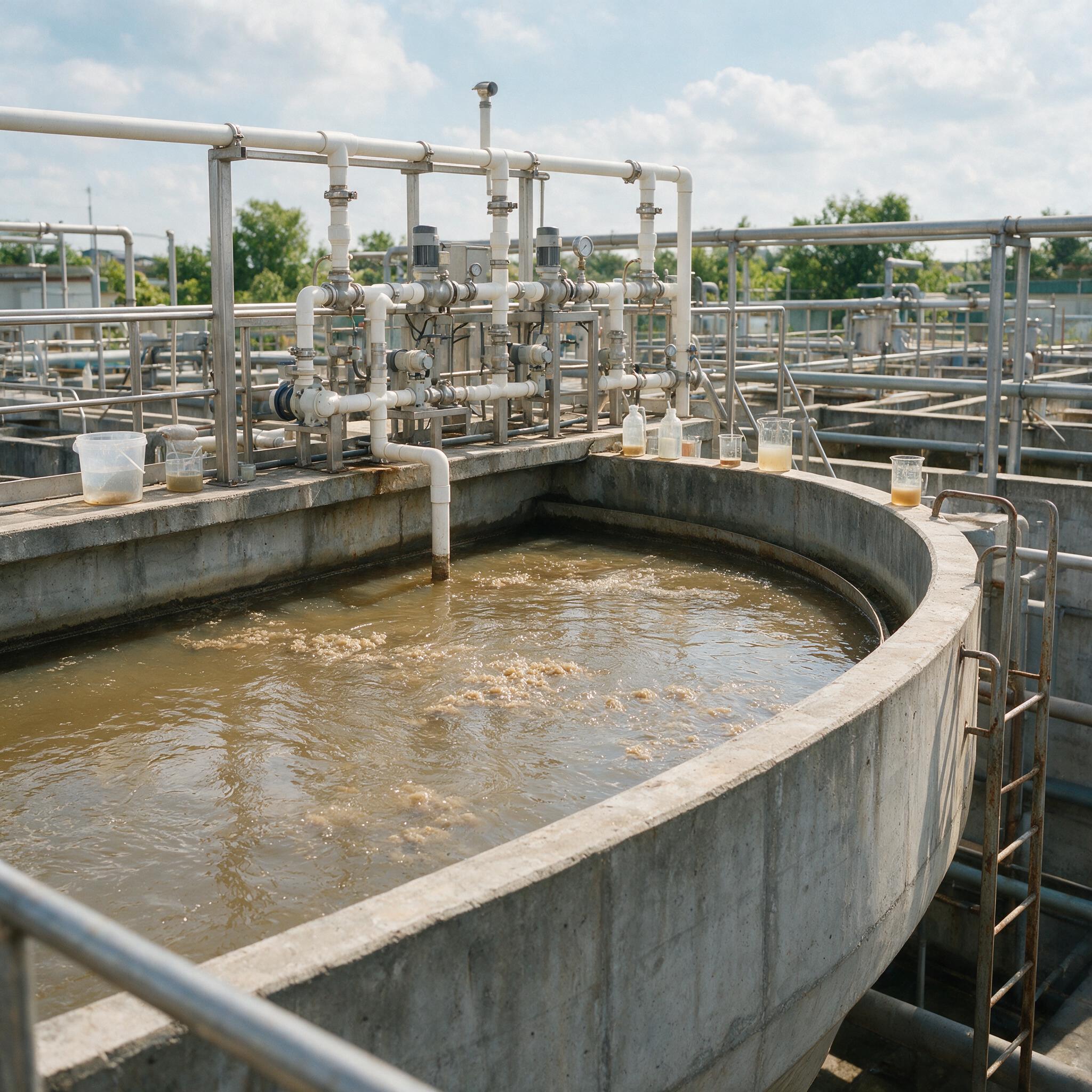
Flocculant chemicals for water treatment are indispensable in modern environmental management. They are used to aggregate fine particles suspended in water into larger flocs that can be removed by sedimentation, filtration, or flotation. The primary flocculants are synthetic organic polymers, such as polyacrylamide (PAM) and its derivatives, which function by bridging particles through charge neutralization and interparticle bridging. The choice of flocculant depends on the nature of the suspended solids, pH, and ionic strength. For instance, cationic flocculants are effective in treating negatively charged colloidal particles often found in municipal sewage and paper mill effluent. Anionic flocculants excel in mineral processing and for clarifying high-solids wastewaters. The efficiency of flocculation is critical for meeting discharge limits and enabling water reuse.