Anionic Polymer Flocculant | High-Performance APAM

showlist/anionic-polymer-flocculant, showlist/anionic-polymer-flocculant, 
Inquiry
showlist/anionic-polymer-flocculant, showlist/anionic-polymer-flocculant, 
Inquiry
High-Performance Anionic Polymer Flocculant for Industrial and Municipal Water Treatment

High-Performance Anionic Polymer Flocculant for Industrial and Municipal Water Treatment

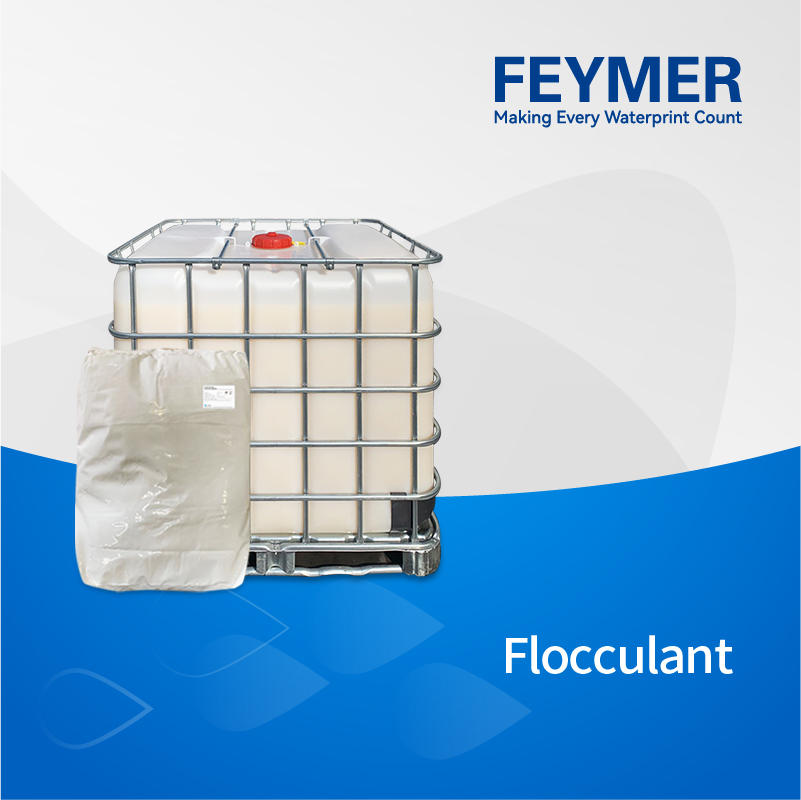
Anionic polymer flocculants are essential in modern water treatment, offering superior solid-liquid separation in challenging applications. Jiangsu Feymer Technology Co., Ltd. provides a comprehensive range of high-molecular-weight anionic polyacrylamide (APAM) products, engineered for enhanced performance in wastewater clarification, sludge dewatering, and process water recovery. Our anionic polymer flocculants feature precise charge density and controlled molecular weight, ensuring rapid floc formation, excellent settling rates, and optimal turbidity removal. These products excel in mineral processing, coal washing, municipal wastewater treatment, and papermaking, delivering cost-effective solutions while meeting stringent environmental standards. With our STAR Market listing and commitment to innovation, Feymer’s anionic polymer flocculants are trusted by global clients for their consistency, efficiency, and sustainability.
Get A Quote

Advantages of the product

Superior Flocculation Efficiency and Rapid Settling

Our anionic polymer flocculants are designed with optimized molecular weights (up to 20 million) and tailored charge densities to maximize bridging and charge neutralization. This results in faster floc formation with larger, denser flocs that settle rapidly, significantly improving throughput in clarifiers and thickeners. In side-by-side trials, our products achieve 30% faster settling rates compared to conventional polymers, leading to reduced retention times and increased plant capacity. For industries like mining and coal washing, this translates to higher solids recovery and clearer overflow water, meeting stringent discharge limits.

Exceptional Sludge Dewatering Performance

Feymer’s anionic polymer flocculants excel in sludge conditioning, producing drier filter cakes with lower moisture content. By forming highly stable and porous flocs, our products enhance water release during mechanical dewatering processes such as belt presses and centrifuges. This results in a 10-15% reduction in cake moisture, reducing disposal costs and improving handling. In municipal wastewater plants, the use of our anionic polymer flocculants increases solids capture, achieving over 95% dryness in some applications. The polymer’s resistance to shear ensures consistent performance even with fluctuating sludge types, offering operators reliable and reproducible results.

Versatile Application and Customized Solutions

We understand that every water system is unique. Therefore, we offer a wide range of anionic polymer flocculants with varying ionic charges (from low to very high) and physical forms (powder, emulsion, and granular). This versatility allows us to tailor products to specific water chemistries, suspended solids, and process conditions. Whether it’s acidic mine drainage, high-alkalinity bauxite residue, or low-turbidity surface water, we have a solution. Our laboratory and technical team provide comprehensive support, including jar testing and on-site trials, to identify the optimal polymer for each application.

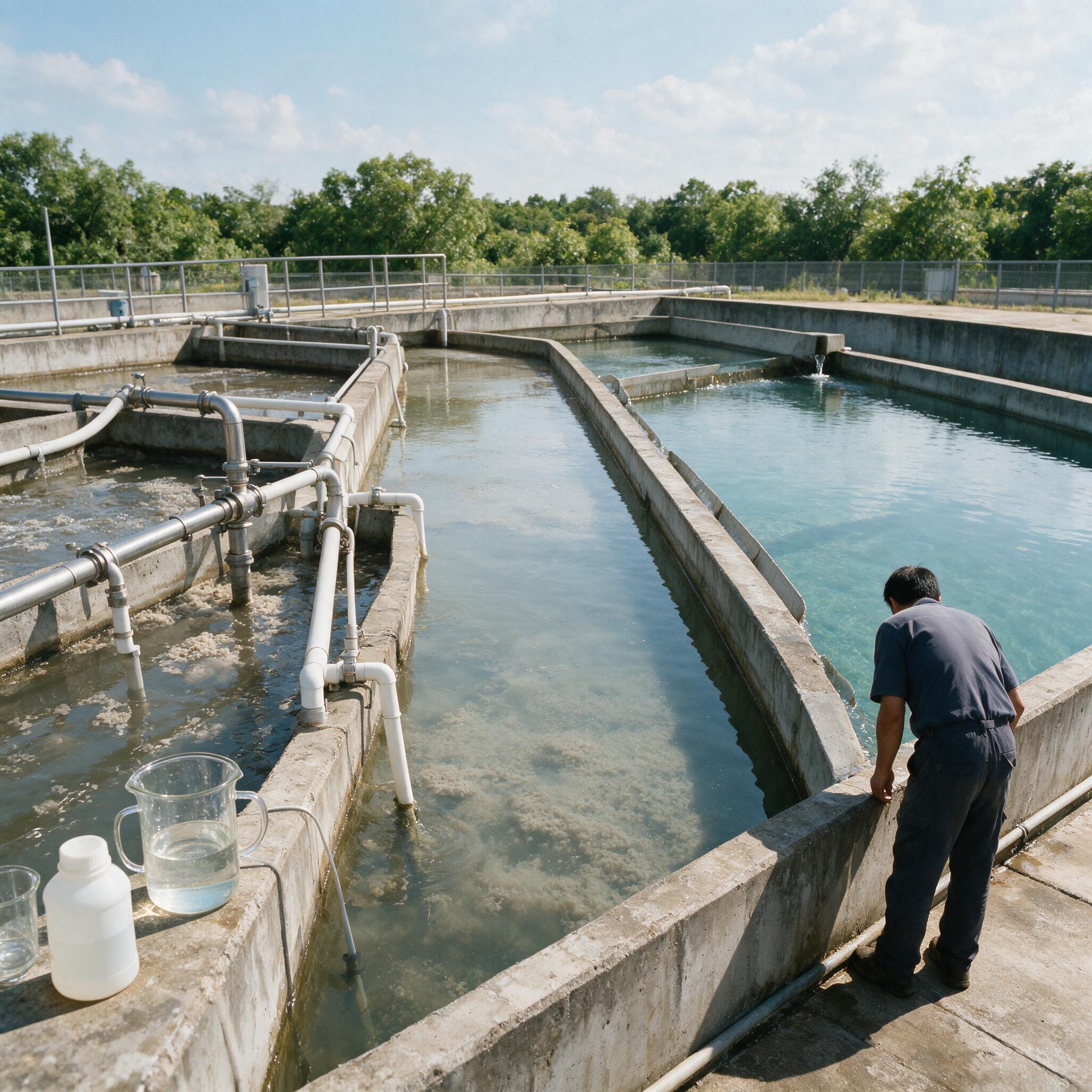
Anionic polymer flocculants play a pivotal role in the modern water treatment landscape, where stringent effluent standards and water scarcity demand efficient and cost-effective solutions. These high-molecular-weight synthetic polymers carry a negative charge, which enables them to effectively bridge positively charged particles suspended in water, forming large and stable flocs that can be easily separated by sedimentation or flotation. The efficiency of an anionic polymer flocculant is influenced by its molecular weight, charge density, and molecular structure. At Jiangsu Feymer Technology Co., Ltd., we engineer our anionic polyacrylamide products to achieve exceptional performance in a variety of industrial contexts. For instance, in the mining industry, our flocculants facilitate the rapid settling of tailings, increasing water recovery for reuse and reducing environmental footprints.

Frequently Questions

What makes an anionic polymer flocculant different from cationic or nonionic types?

Anionic polymer flocculants carry a negative charge and are most effective in treating wastewater with neutral to high pH levels or high concentrations of positively charged particles. They work by bridging suspended solids to form larger flocs that settle quickly. In contrast, cationic polymers have a positive charge and are used for negatively charged particles found in many organic and biological sludges. Nonionic polymers have no charge and rely purely on physical bridging. Choosing the correct polymer type is crucial for optimizing performance. Feymer offers all three types, but our anionic polymer flocculants are particularly suited for mineral processing, coal washing, and many industrial effluents where inorganic solids are prevalent. We recommend conducting a jar test to determine the most effective polymer for your specific wastewater.
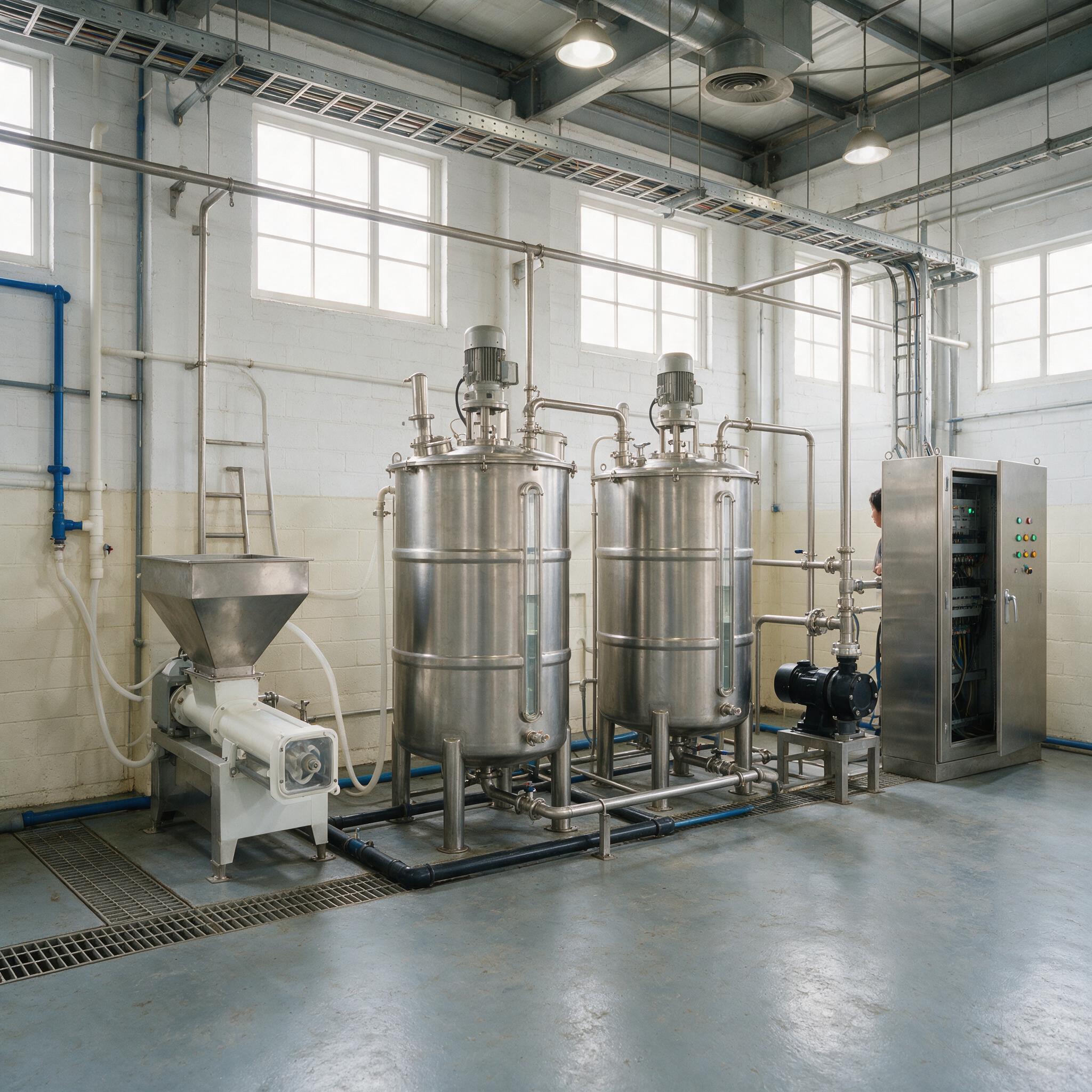
Proper dissolution and dosing are vital to harness the full potential of anionic polymer flocculants. Typically, the polymer should be dissolved in clean water at a concentration of 0.1% to 0.5% using a mixer that provides gentle agitation to prevent shear degradation. The dissolution time varies with product form; powder forms may require 30 to 60 minutes, while emulsions can be diluted directly. After preparing the stock solution, it should be aged for at least 30 minutes to ensure complete hydration and to achieve maximum viscosity. Dosing should be introduced at a point with good mixing, such as a flash mixer or pipe turbulent zone, to ensure thorough dispersion. The optimal dosage is determined by jar testing and is typically in the range of 0.1 to 10 mg/L, depending on the solids content. Overdosing can cause restabilization and poor settling, while underdosing results in incomplete flocculation.

Related Articles

Paper Processing Aids for Increased Sheet Strength

16

Jul

Paper Processing Aids for Increased Sheet Strength

Enhance your papermaking process with high-performance paper processing aids. Feymer provides professional chemical solutions to boost sheet strength and efficiency.
View More
Oilfield Chemicals for Drilling Wastewater Flocculation

20

Jul

Oilfield Chemicals for Drilling Wastewater Flocculation

Optimize drilling wastewater treatment with advanced oilfield chemicals. Feymer offers high-performance flocculation solutions for efficient mining water recovery.
View More
When to Apply Oilfield Chemicals Efficiently?

31

Jul

When to Apply Oilfield Chemicals Efficiently?

Discover when to apply oilfield chemicals efficiently to maximize extraction. Feymer provides advanced polymer solutions for oil and gas operations.
View More

Customer Testimonials

James T.
Exceptional Performance in Tailings Dewatering

We operate a large gold mine in Western Australia, and we have struggled with slow settling rates in our tailings thickener, which limited our process throughput. After switching to Feymer’s anionic polymer flocculant Feyfloc A series, we observed a remarkable 25% increase in settling rates, which allowed us to increase feed rates and recover more water for reuse. The polymer dissolved easily, and we were able to reduce our polymer consumption by 15% because of its high efficiency.

Susan K.
Reliable Performance in Municipal Wastewater Treatment

Our municipal wastewater treatment plant serves a population of 500,000, and we faced challenges with sludge dewatering due to the variable nature of primary and secondary sludge. We trialed multiple polymers, but none delivered consistent results until we tested Feymer’s anionic flocculant. The polymer’s performance was outstanding; it conditioned the sludge so effectively that the cake solids increased from 18% to 24%, significantly reducing our disposal costs.

Get a Free Quote

Our representative will contact you soon.
0/1000
Advanced Manufacturing and Quality Control

Advanced Manufacturing and Quality Control

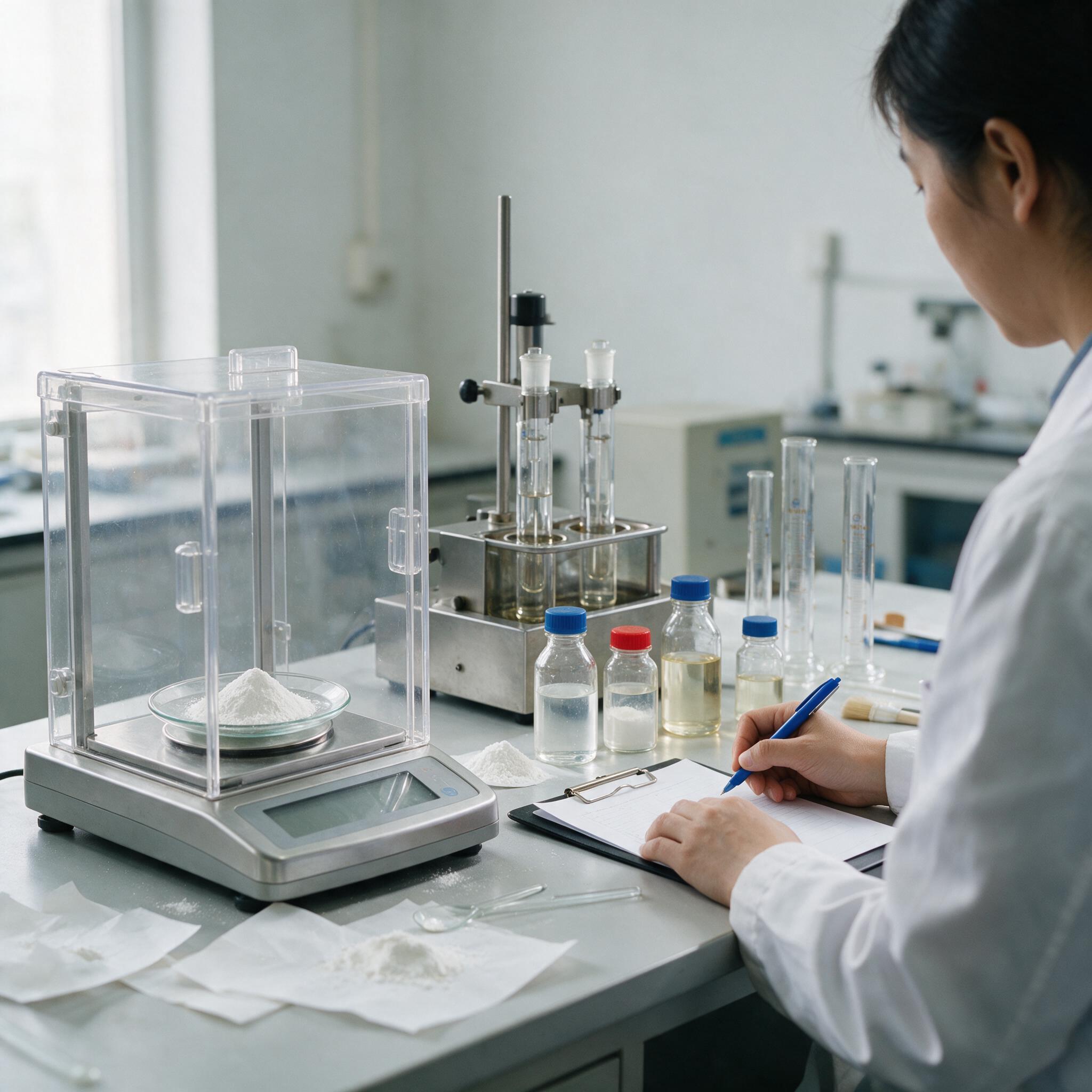
Feymer’s manufacturing facilities employ state-of-the-art production technologies and automation to produce anionic polymer flocculants with high consistency and purity. Our plants are strategically located in Jiangsu and Anhui provinces, giving us economies of scale and access to top-grade raw materials. We manage the entire value chain, from monomer synthesis to polymer production, allowing us to tailor product characteristics precisely. Each production step adheres to rigorous QC standards, conducting over 20 quality checks, including molecular weight analysis and rheological testing. This meticulous approach ensures that every batch meets or exceeds international specifications and performs reliably in the field. Our customers benefit from reduced polymer wastage and stable treatment performance, directly impacting their operational efficiency.
Comprehensive Technical Support and Application Expertise

Comprehensive Technical Support and Application Expertise

What sets Feymer apart is our deep application expertise and dedication to customer service. Our technical team comprises specialists in water chemistry and process engineering who bring years of practical experience across industries like mining, oil & gas, and municipal water. We collaborate closely with clients to evaluate their specific challenges and devise tailor-made solutions. From initial feasibility studies to on-site optimization, we offer jar testing, pilot trials, and full-scale implementation support. We also provide training for operators to ensure they are proficient in polymer handling and dosing adjustments. In addition, our customer support desk is available around the clock to respond to queries and provide troubleshooting guidance. This hands-on approach ensures that our clients maximize the benefits of our products and achieve the lowest total cost of ownership.