PAM Flocculant for Textile Wastewater

showlist/pam-flocculant-for-textile-wastewater, showlist/pam-flocculant-for-textile-wastewater, 
Inquiry
showlist/pam-flocculant-for-textile-wastewater, showlist/pam-flocculant-for-textile-wastewater, 
Inquiry
PAM Flocculant for Textile Wastewater Treatment | Feymer Technology

PAM Flocculant for Textile Wastewater Treatment | Feymer Technology

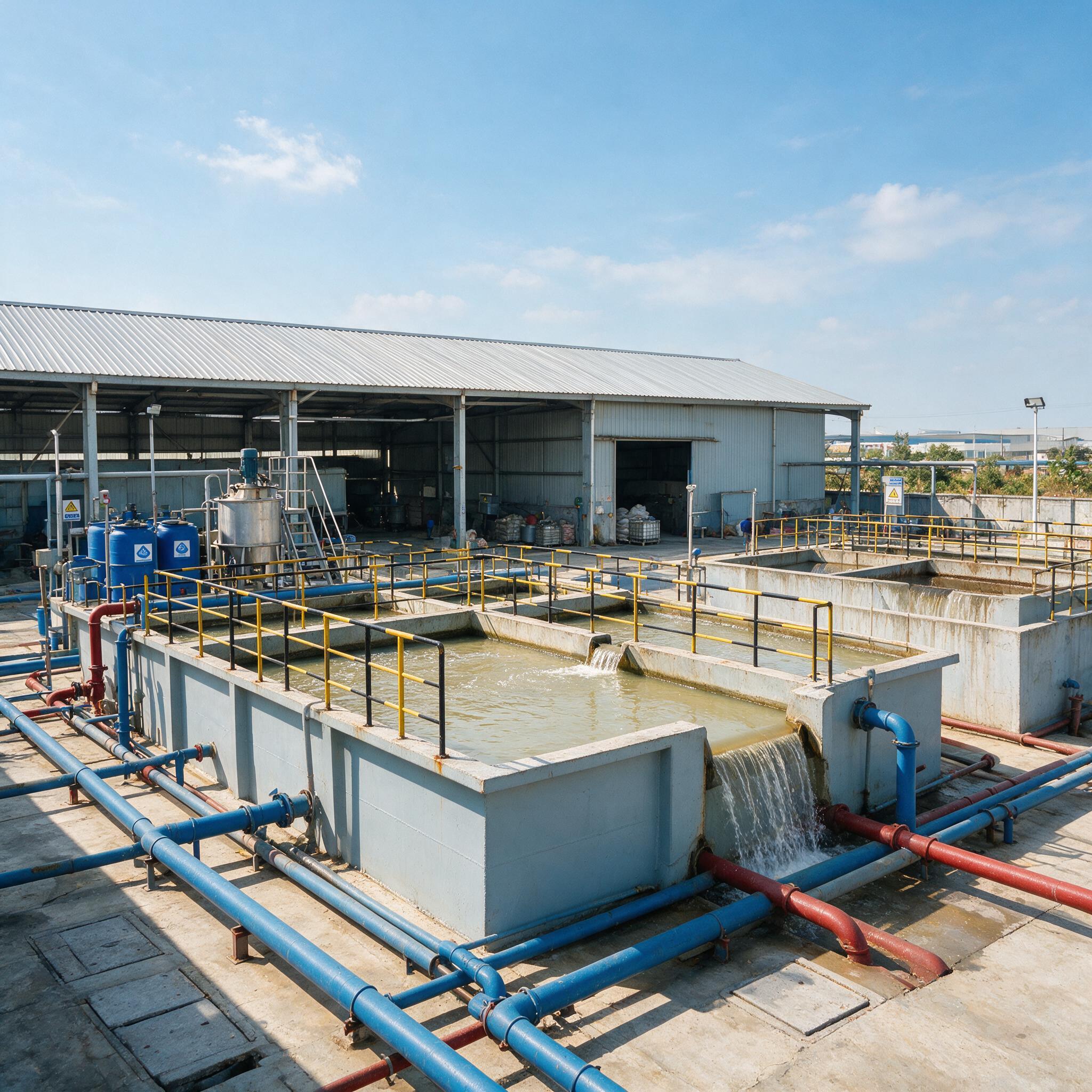
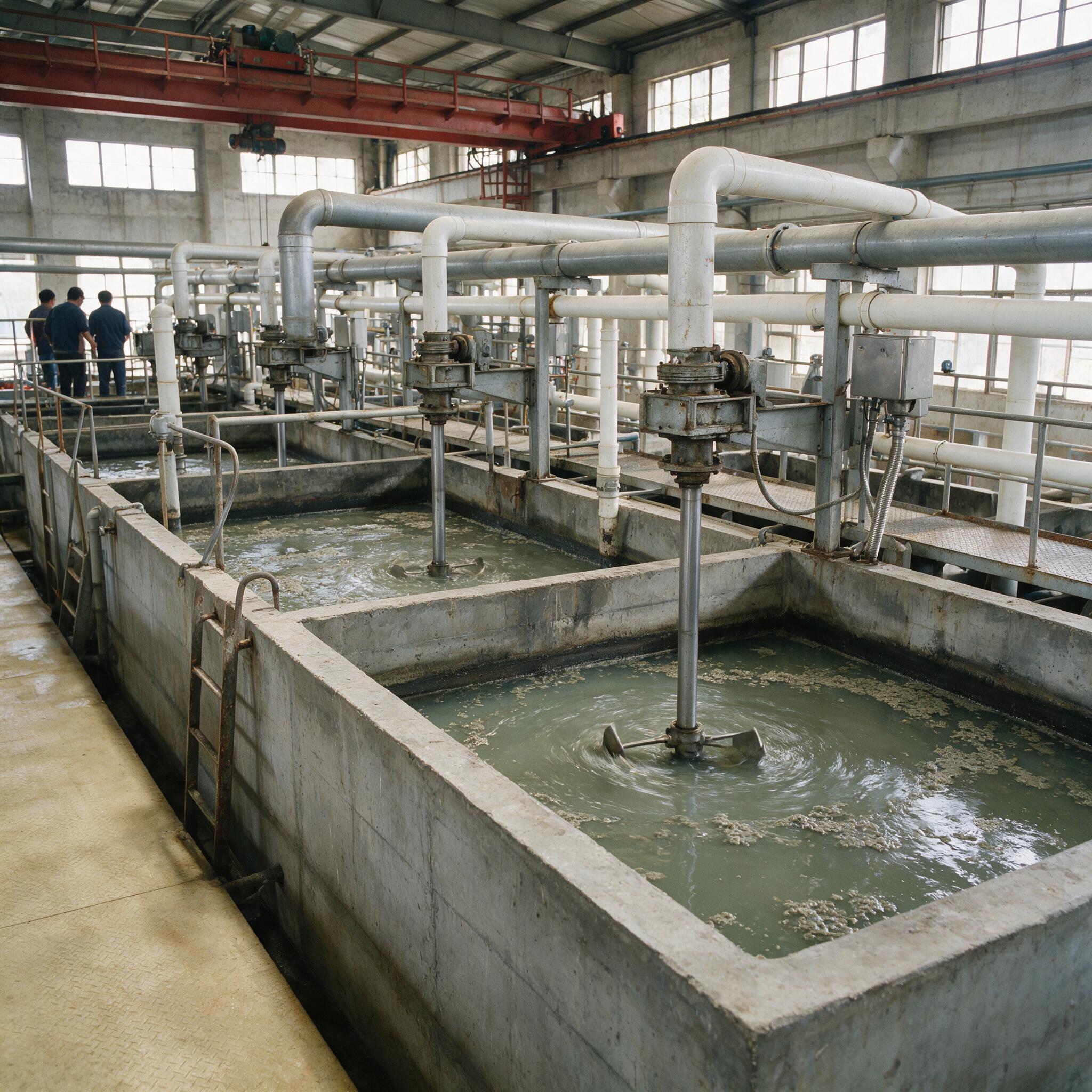
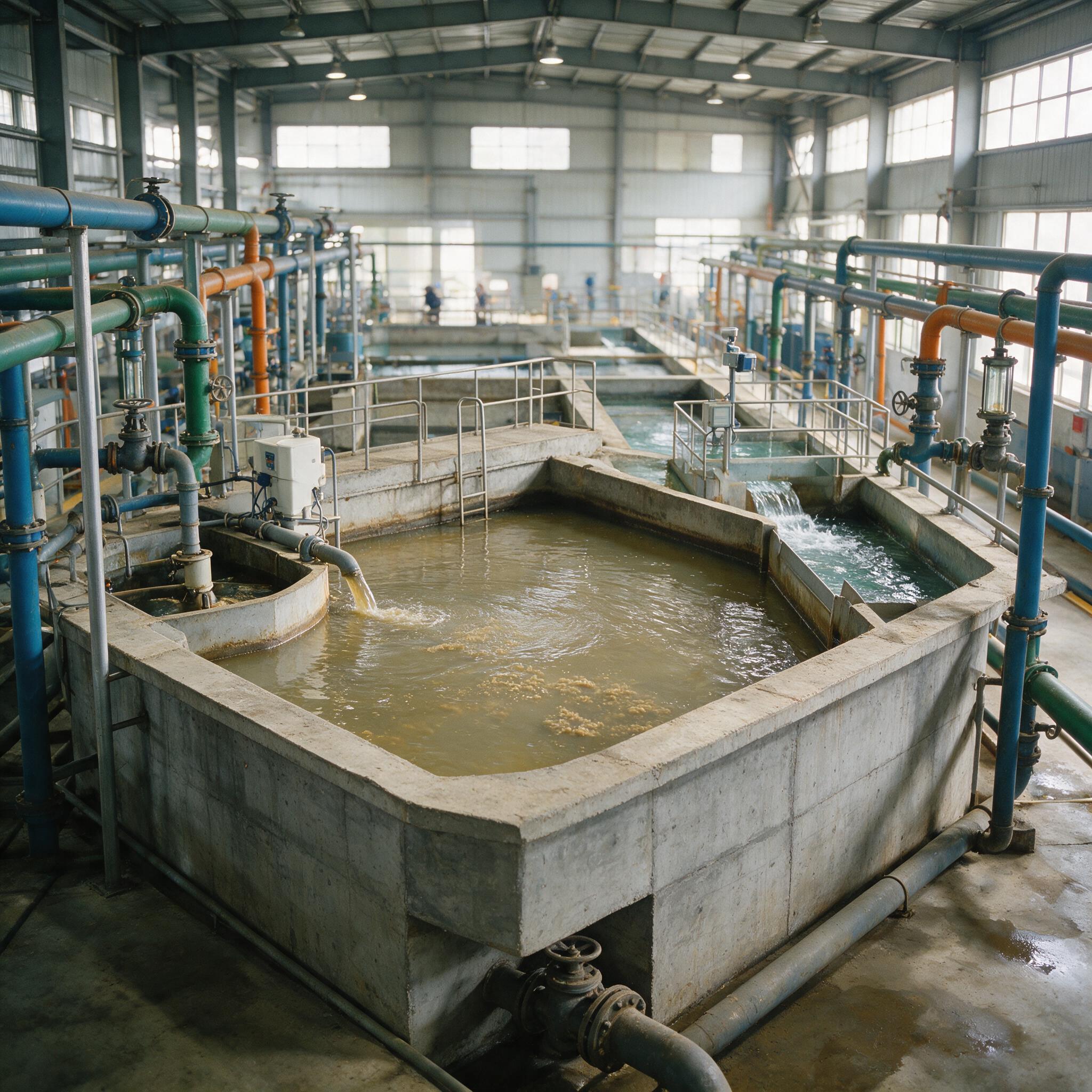
The textile industry faces stringent environmental regulations and increasing pressure to treat complex wastewater containing dyes, pigments, fibers, and organic pollutants. Polyacrylamide (PAM) flocculants have become essential in textile wastewater treatment due to their high efficiency in flocculation, coagulation, and sludge dewatering. At Jiangsu Feymer Technology Co., Ltd., we provide advanced PAM flocculants specifically designed to meet the challenges of textile wastewater, ensuring compliance with discharge standards and promoting sustainable water reuse. Our PAM flocculants are available in various ionic types (cationic, anionic, non-ionic, and amphoteric) and molecular weights, allowing tailored solutions for different dyeing and finishing processes. With a strong foundation in water-soluble polymers and membrane technologies, Feymer delivers products that not only enhance treatment efficiency but also reduce overall operational costs.
Get A Quote

Advantages of the product

High Molecular Weight and Tailored Ionic Charge

Our PAM flocculants are engineered with ultra-high molecular weights and precisely controlled charge densities, enabling superior bridging and charge neutralization. This results in faster floc formation, larger and stronger flocs, and more efficient solid-liquid separation. For textile wastewater, which often contains colloidal dyes and finely dispersed particles, these features vastly improve clarification and sludge settling.

Enhanced Dye and COD Removal Efficiency

Textile wastewater is notorious for its high color and chemical oxygen demand (COD). Our PAM flocculants are specially formulated to synergize with coagulants like PAC or ferric salts, effectively aggregating dye molecules and organic matter. This leads to removal efficiencies exceeding 90% for certain reactive and disperse dyes, and COD reduction of up to 80%, depending on the pre-treatment and process conditions.

Excellent Sludge Dewatering and Environmental Compatibility

One of the biggest challenges in textile wastewater treatment is the disposal of large volumes of sludge. Our high-performance PAM flocculants significantly enhance sludge dewatering, producing drier filter cakes (up to 30% dry solids) and reducing disposal costs. Moreover, Feymer’s PAM products are manufactured under strict environmental and safety standards, ensuring low residual monomer (acrylamide) content, thereby reducing toxicity and environmental impact.

Frequently Questions

What is the recommended dosage of PAM flocculant for textile wastewater?

The optimal dosage of PAM flocculant depends on the specific characteristics of the wastewater, including suspended solids concentration, color intensity, pH, and existing coagulants used. Generally, dosages range from 0.5 to 10 ppm (mg/L) of PAM, but this varies widely. For textile effluents, we recommend conducting jar tests to determine the exact dosage. In a typical setup, you might start with a coagulant like PAC at 50-200 ppm, followed by PAM at 1-5 ppm. Factors such as the type of dye (reactive vs. disperse) and the presence of surfactants can influence the required amount. Overdosing can lead to re-stabilization and poor flocculation, while underdosing results in low removal efficiency.
Yes, PAM flocculants can significantly aid in color removal, especially when used in conjunction with inorganic coagulants. The flocculation process aggregates dye molecules and dye-colloids into larger flocs, which are then removed by sedimentation or filtration. Cationic PAM is particularly effective for anionic dyes (like reactive and acid dyes), as it neutralizes the negative charge on dye molecules, promoting aggregation. For disperse dyes, which are hydrophobic, non-ionic or high molecular weight anionic PAM may be used to encourage floc formation. However, some soluble dyes may require additional treatment steps such as adsorption on activated carbon or advanced oxidation.

Related Articles

Paper Processing Aids for Increased Sheet Strength

16

Jul

Paper Processing Aids for Increased Sheet Strength

Enhance your papermaking process with high-performance paper processing aids. Feymer provides professional chemical solutions to boost sheet strength and efficiency.
View More
Why Use Anionic Polyacrylamide in Mining?

14

Aug

Why Use Anionic Polyacrylamide in Mining?

Discover how anionic polyacrylamide enhances mineral processing efficiency, improves water recovery, and optimizes solid-liquid separation in mining operations.
View More
Anionic Polyacrylamide for Mineral Tailings

19

Aug

Anionic Polyacrylamide for Mineral Tailings

Discover how high-performance anionic polyacrylamide optimizes tailings dewatering for mines. Improve efficiency and sustainability with Feymer solutions.
View More

Customer Testimonials

Maria Chen
Effective Solution for Dye Wastewater

Feymer’s PAM flocculant exceeded our expectations. We were struggling with high color and COD in our effluent, and this product, used with PAC, reduced color by over 90% and COD by 70%. The flocs settle quickly, and our sludge dewatering improved dramatically. The technical support was superb; they helped us find the perfect dosage and even optimized our mixing conditions. This has significantly lowered our treatment costs and helped us meet discharge regulations.

Rahim Uddin
Excellent Polymer with Reliable Performance

As a manufacturer of textiles in Bangladesh, we needed a flocculant that could handle highly variable wastewater. Feymer’s cationic PAM performed consistently even when our effluent composition fluctuated. The product dissolves easily and works efficiently across a wide pH range. Their team provided excellent after-sales support and fast delivery. We’ve seen remarkable improvements in water clarity and sludge handling. Highly recommended for textile wastewater treatment.

Get a Free Quote

Our representative will contact you soon.
0/1000
Tailored Polymer Chemistry

Tailored Polymer Chemistry

Feymer’s core strength lies in our ability to customize PAM flocculants to match the unique characteristics of textile wastewater. Our R&D team, which accounts for over 30% of our workforce, focuses on polymer synthesis and modification. We can adjust molecular weight (ranging from 8 million to 25 million) and charge density to optimize the bridging and charge neutralization effects for various dye classes, pH, and salinity. This customization has led to successful treatments of reactive, acid, and disperse dye wastewaters from numerous client installations. For instance, we developed a high-charge cationic PAM for a leading denim manufacturer that significantly improved color removal in their indigo dye wastewater. By leveraging our expertise in functional monomers and water-soluble polymers, we push the boundaries of flocculant performance, ensuring our customers achieve the highest possible removal efficiency with minimal reagent usage.
Sustainable Production and Green Chemistry

Sustainable Production and Green Chemistry

At Feymer, sustainability is at the heart of our operations. We produce PAM flocculants using advanced manufacturing processes that minimize energy consumption and waste. Our factories in Jiangsu and Anhui comply with ISO 14001 and ISO 9001 standards, and we are dedicated to reducing the environmental impact of our products throughout their lifecycle. One key innovation is our use of water-based polymerization methods that reduce solvent use and emissions. Additionally, we have invested in solvent recovery and wastewater treatment at our own facilities, ensuring that our production leaves a minimal footprint. Our PAM flocculants themselves contribute to sustainability by enabling water reuse in textile processes, thus conserving freshwater resources. With over 190 patents, we continuously seek eco-friendly modifications, such as developing biodegradable polymer backbones for niche applications.