Polyacrylamide for Sludge Dewatering

showlist/polyacrylamide-for-sludge-dewatering, showlist/polyacrylamide-for-sludge-dewatering, 
Inquiry
showlist/polyacrylamide-for-sludge-dewatering, showlist/polyacrylamide-for-sludge-dewatering, 
Inquiry
High-Performance Polyacrylamide for Sludge Dewatering | Feymer Technology

High-Performance Polyacrylamide for Sludge Dewatering | Feymer Technology

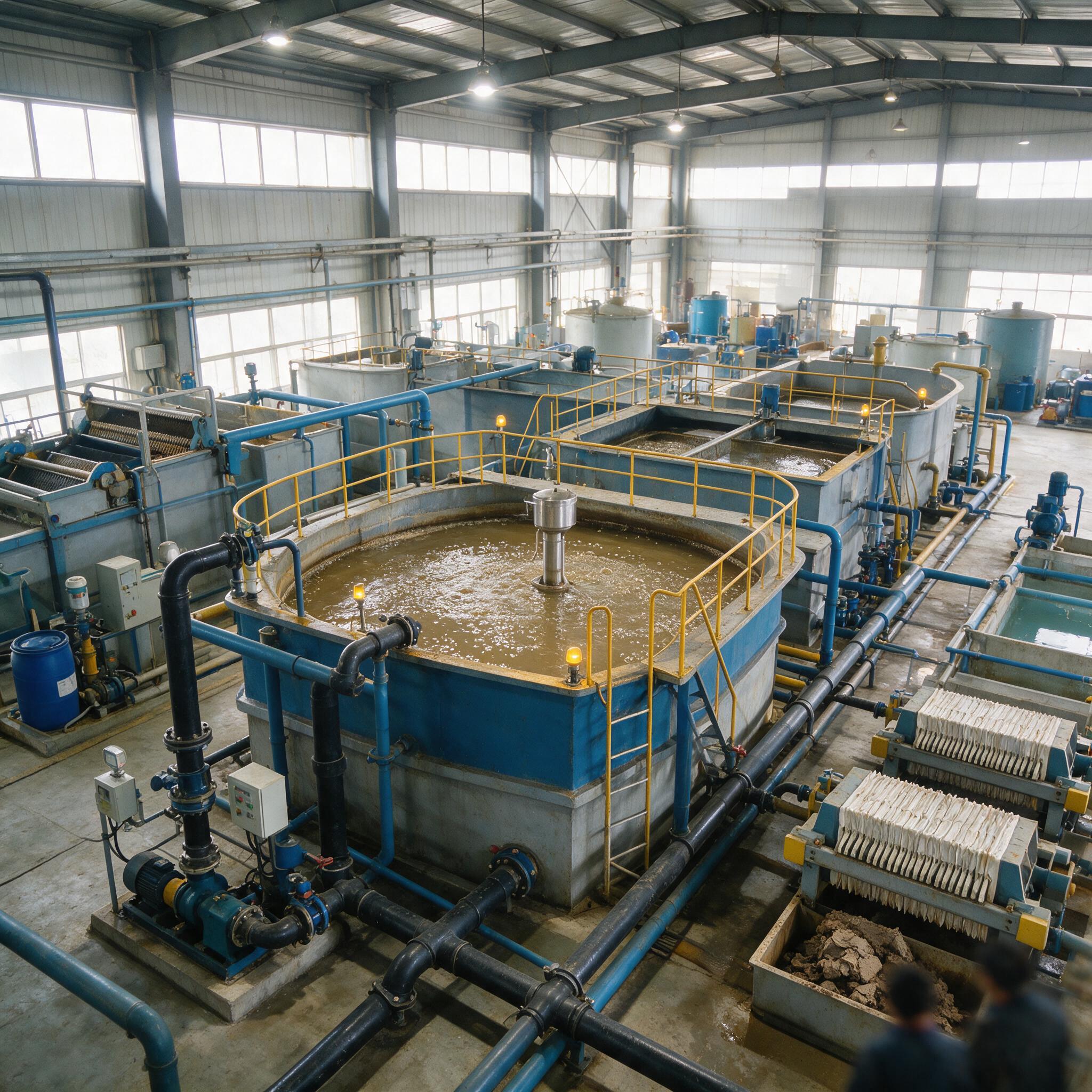
Polyacrylamide for sludge dewatering is a critical solution in modern water treatment, enabling efficient solid-liquid separation and volume reduction across municipal and industrial applications. As a leading high-tech water treatment company, Jiangsu Feymer Technology Co., Ltd. (688350) specializes in producing advanced polyacrylamide formulations designed to optimize sludge dewatering processes. Our products are engineered to enhance flocculation, improve cake solids, reduce polymer consumption, and increase throughput, making them a top choice for wastewater treatment plants, pulp and paper mills, oil & gas operations, textile dyeing facilities, and chemical manufacturers. With a strong commitment to sustainability and innovation, Feymer offers high-molecular-weight anionic, cationic, and nonionic polyacrylamide tailored to specific sludge types and dewatering equipment, including belt presses, centrifuges, and filter presses.
Get A Quote

Advantages of the product

Superior Flocculation Performance

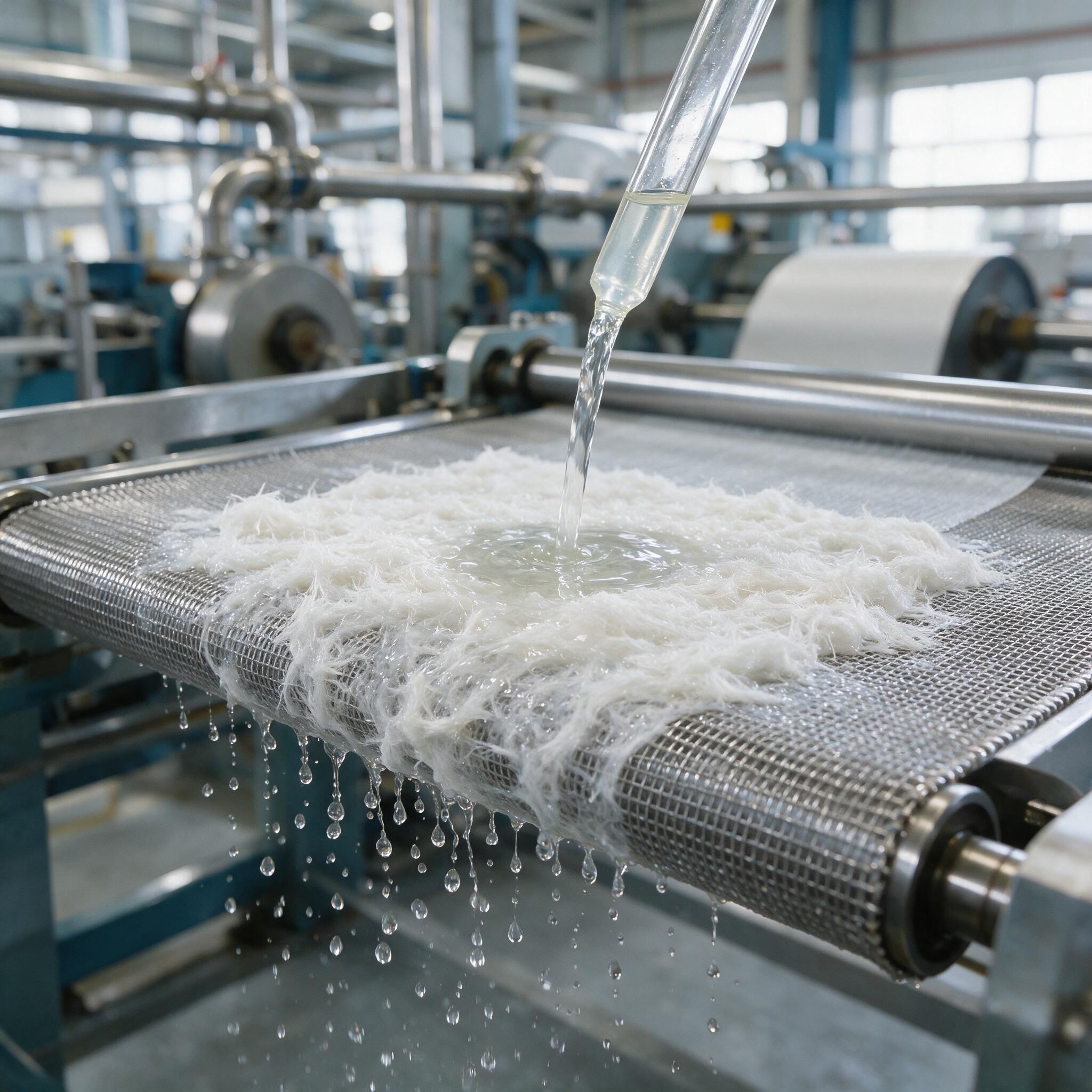
Our polyacrylamide for sludge dewatering features high molecular weight and optimal charge density, enabling rapid bridging and flocculation of fine particles even in challenging sludges. This results in faster settling, clearer supernatant, and higher cake solids, which significantly reduce sludge volume and disposal costs. The unique polymer architecture ensures stable flocs that withstand shear forces in high-speed centrifuges and high-pressure filters, maximizing efficiency and minimizing polymer usage. With advanced manufacturing techniques, we achieve consistent polymer quality that translates to predictable performance in your system.

Versatile Application Across Industries

Polyacrylamide for sludge dewatering from Feymer is designed to perform in diverse industrial settings. Whether you process municipal sewage sludge, paper mill sludge, mining tailings, or petrochemical sludge, our polymers offer excellent adaptability and efficiency. We provide a full spectrum of ionic types—cationic, anionic, and nonionic—to tackle different sludge charges and moisture contents. Our products are effective in both high-solids and low-solids applications, and they work seamlessly with belt filter presses, plate and frame filter presses, decanter centrifuges, and geotextile dewatering systems.

Sustainable and Cost-Effective Solutions

Sustainability is at the core of our product development. Our polyacrylamide for sludge dewatering is designed to reduce the overall environmental impact of waste management by increasing cake solids, thereby lowering fuel consumption during incineration and reducing landfill space. Higher dewatering efficiency also cuts down on the volume of sludge requiring transport and disposal, yielding significant cost savings. We achieve this through precise molecular weight and charge control, which ensures maximum bridging with minimal dosage—often reducing polymer consumption by up to 30% compared to conventional products.

Frequently Questions

What is polyacrylamide and how does it work for sludge dewatering?

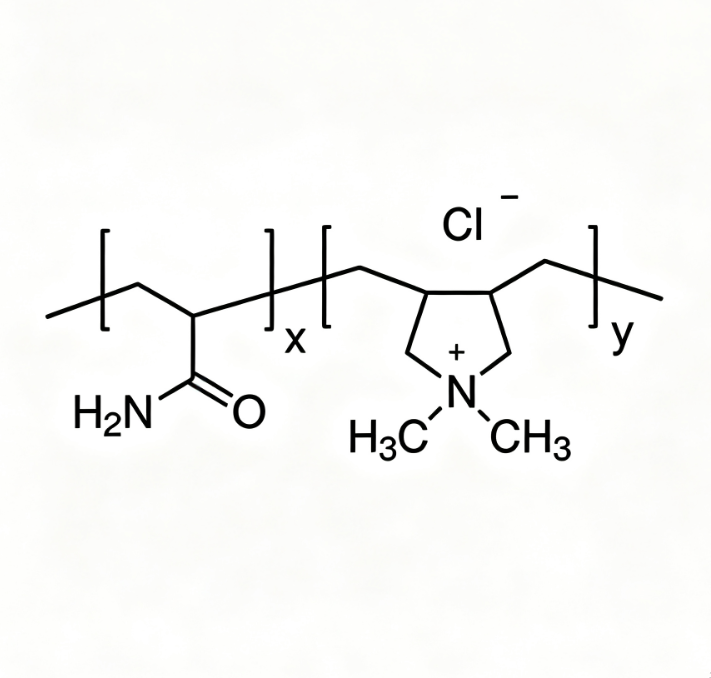
Polyacrylamide (PAM) is a water-soluble polymer that acts as a flocculant, promoting the aggregation of fine suspended particles in sludge. When added to sludge, the long polymer chains adsorb onto particles, bridging them together to form larger, heavier flocs. These flocs settle rapidly and release water more easily during mechanical dewatering, resulting in higher cake solids and clearer effluent. PAM is particularly effective because of its high molecular weight and adjustable charge. For sludge dewatering, the polymer’s ionic charge (cationic, anionic, or nonionic) must match the sludge’s charge to achieve optimal flocculation. Cationic PAM is commonly used for organic-rich sludge from municipal wastewater, while anionic PAM suits inorganic and mineral sludges. The neutralization and bridging mechanism reduces the water content, making subsequent handling and disposal more cost-effective.
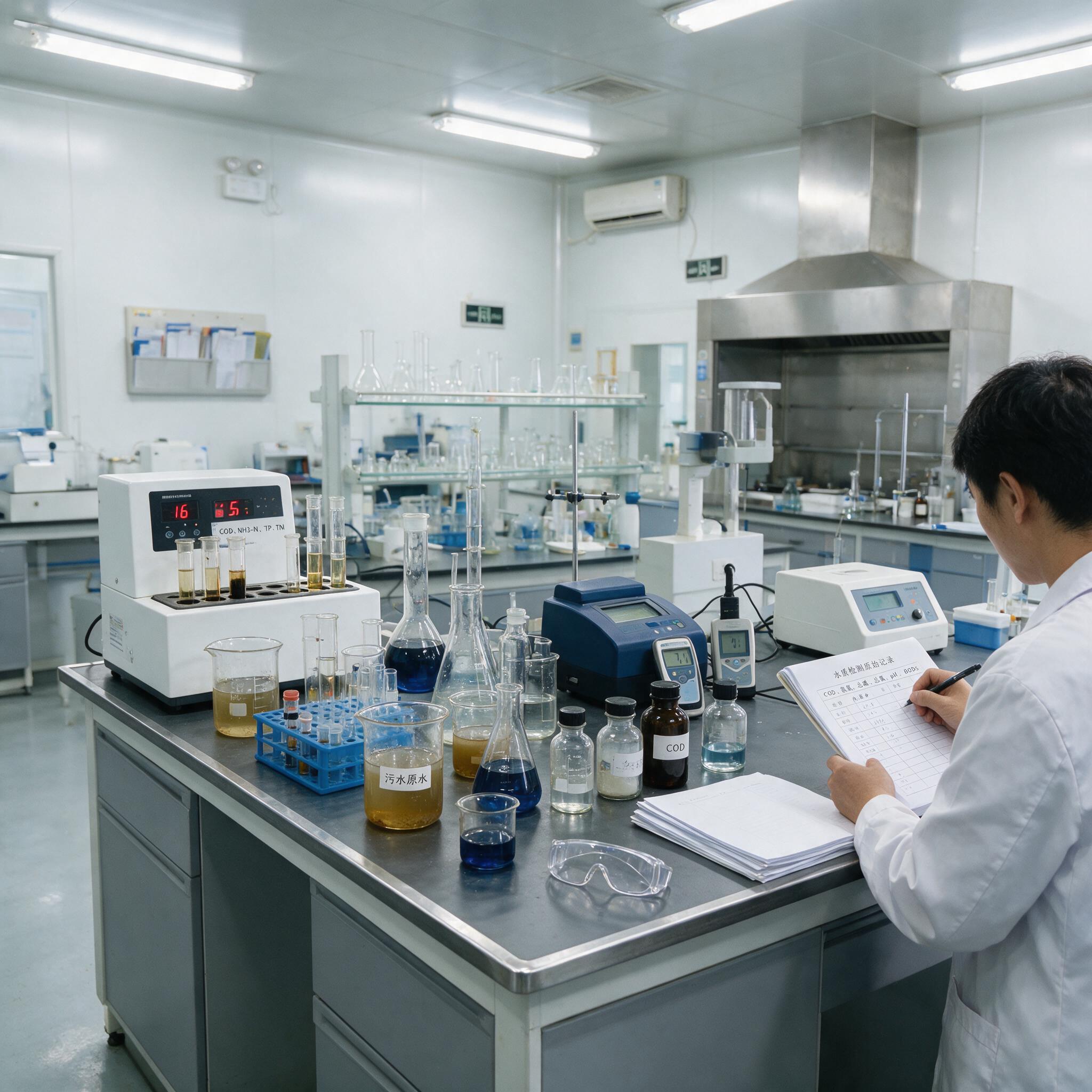
Determining the optimal polyacrylamide dosage requires jar testing and trial runs. Factors such as sludge concentration, pH, ionic strength, and solids content influence dosage. The goal is to achieve rapid flocculation and good water release without over-dosing, which can lead to slimy flocs and reduced dewatering efficiency. Start with a dosage range based on the polymer’s activity and sludge volume. Typically, dosage ranges from 2 to 10 kg per ton of dry solids, but this can vary widely. Conduct jar tests to evaluate floc size, settling rate, turbidity, and cake solids. Then, adjust dosage in the actual dewatering system to optimize performance. Our technical team can assist you in determining the right polymer type and dose through laboratory testing and on-site trials. Additionally, consider the mixing intensity and retention time, as overly vigorous mixing can break flocs, while insufficient mixing may lead to poor dispersion.

Related Articles

How Does Polyacrylamide Work in Papermaking Wastewater Treatment

20

Jul

How Does Polyacrylamide Work in Papermaking Wastewater Treatment

Optimize papermaking wastewater treatment with high-performance PAM. Feymer provides specialized flocculant solutions to enhance water recovery and reduce costs.
View More
How Paper Processing Aids Reduce Paper Production Cost

29

Jul

How Paper Processing Aids Reduce Paper Production Cost

Discover how paper processing aids reduce paper production costs. Feymer offers advanced polymer solutions to improve efficiency and lower mill expenses.
View More
How Does PDAC Function in Water Treatment?

03

Aug

How Does PDAC Function in Water Treatment?

Discover how PDAC functions in water treatment for superior coagulation and clarification. Feymer delivers advanced polymer solutions worldwide.
View More

Customer Testimonials

John Smith
Excellent Performance and Cost Savings

We switched to Feymer’s polyacrylamide for our municipal wastewater treatment plant, and the results were outstanding. The flocculation is rapid, and we achieved higher cake solids with lower polymer consumption than our previous supplier. The technical team helped us optimize dosage, resulting in 20% cost savings. The product’s consistency and reliability have improved our dewatering efficiency significantly. Highly recommended!

Emily Johnson
Reliable and Sustainable Solution

As a pulp and paper company, we needed a polyacrylamide that could handle high organic sludge efficiently. Feymer’s product exceeded our expectations. It provided excellent dewatering even with variable sludge quality, and the cake solids increased by 15%, reducing our disposal costs. Their team’s technical support was invaluable in customizing the polymer to our system. The product is also environmentally friendly, aligning with our sustainability goals. We are very satisfied with Feymer.

Get a Free Quote

Our representative will contact you soon.
0/1000
Advanced Flocculation Technology

Advanced Flocculation Technology

Feymer’s polyacrylamide for sludge dewatering leverages advanced flocculation technology that maximizes solid-liquid separation efficiency. Our polymers are engineered with ultra-high molecular weights and optimized charge density, allowing them to effectively bridge particles and form dense, rapidly settling flocs. This technological superiority is a direct result of our proprietary polymerization processes and strict quality control. The high molecular weight ensures long polymer chains that can capture more particles, while the right charge density neutralizes the negative charges on sludge surfaces, facilitating agglomeration. This leads to improved settling rates, clearer supernatant, and higher cake solids. In practical terms, this means your dewatering equipment can operate at higher throughput with less energy and maintenance. Our products are particularly effective in challenging sludges such as oily, fibrous, or fine-particle sludges, where conventional polymers fail.
Customized Solutions for Every Sludge Type

Customized Solutions for Every Sludge Type

One of Feymer’s key strengths is our ability to customize polyacrylamide products to meet the specific requirements of your sludge and dewatering process. We understand that no two sludges are alike: variations in organic content, pH, ionic charge, and solids concentration can significantly impact polymer performance. Our technical team conducts thorough analyses of your sludge characteristics and equipment to develop a customized polymer formulation that ensures optimal flocculation and dewatering. We offer a wide range of polymers with different molecular weights, charge densities, and physical forms (powder, granules, emulsion). For example, for high-organic municipal sludge, we may recommend a high-charge cationic polymer; for mineral-rich industrial sludge, an anionic polymer might be more appropriate. We also consider your specific operational constraints, such as mixing energy, retention time, and dewatering equipment type.