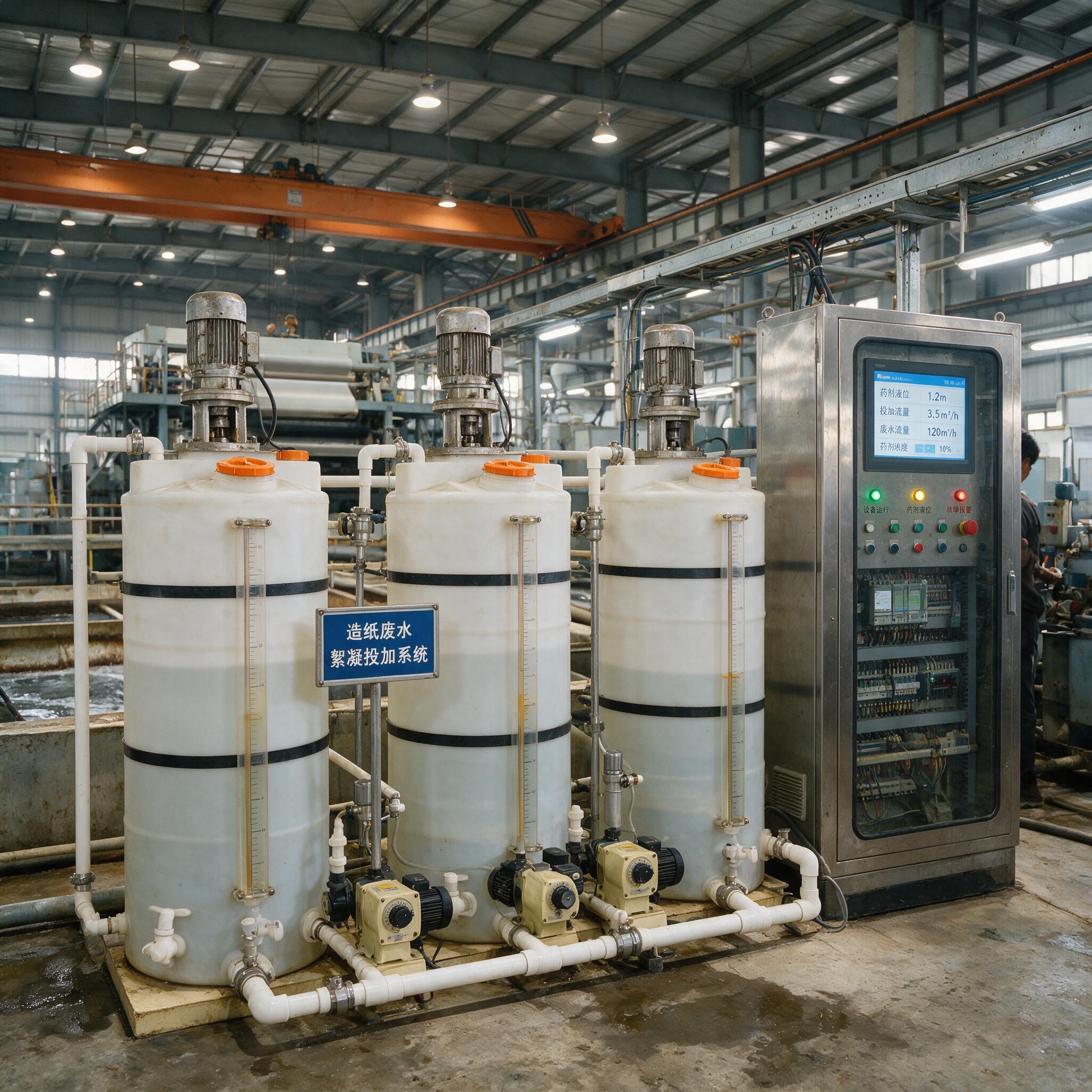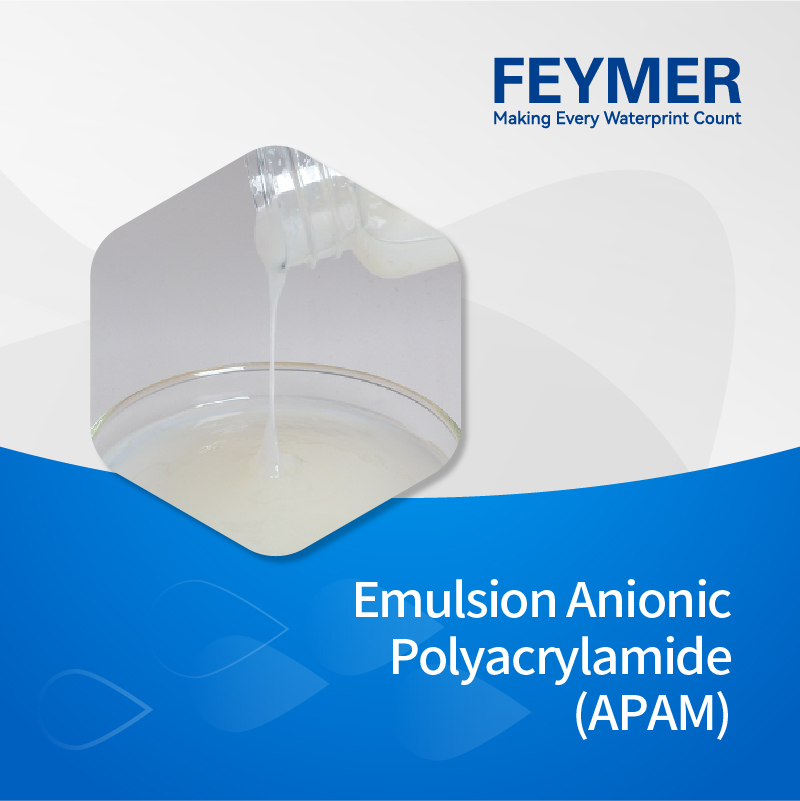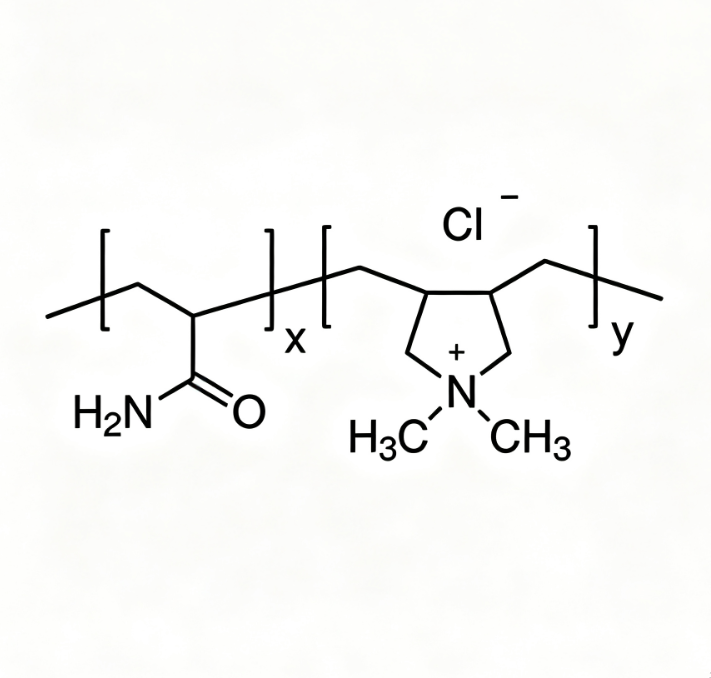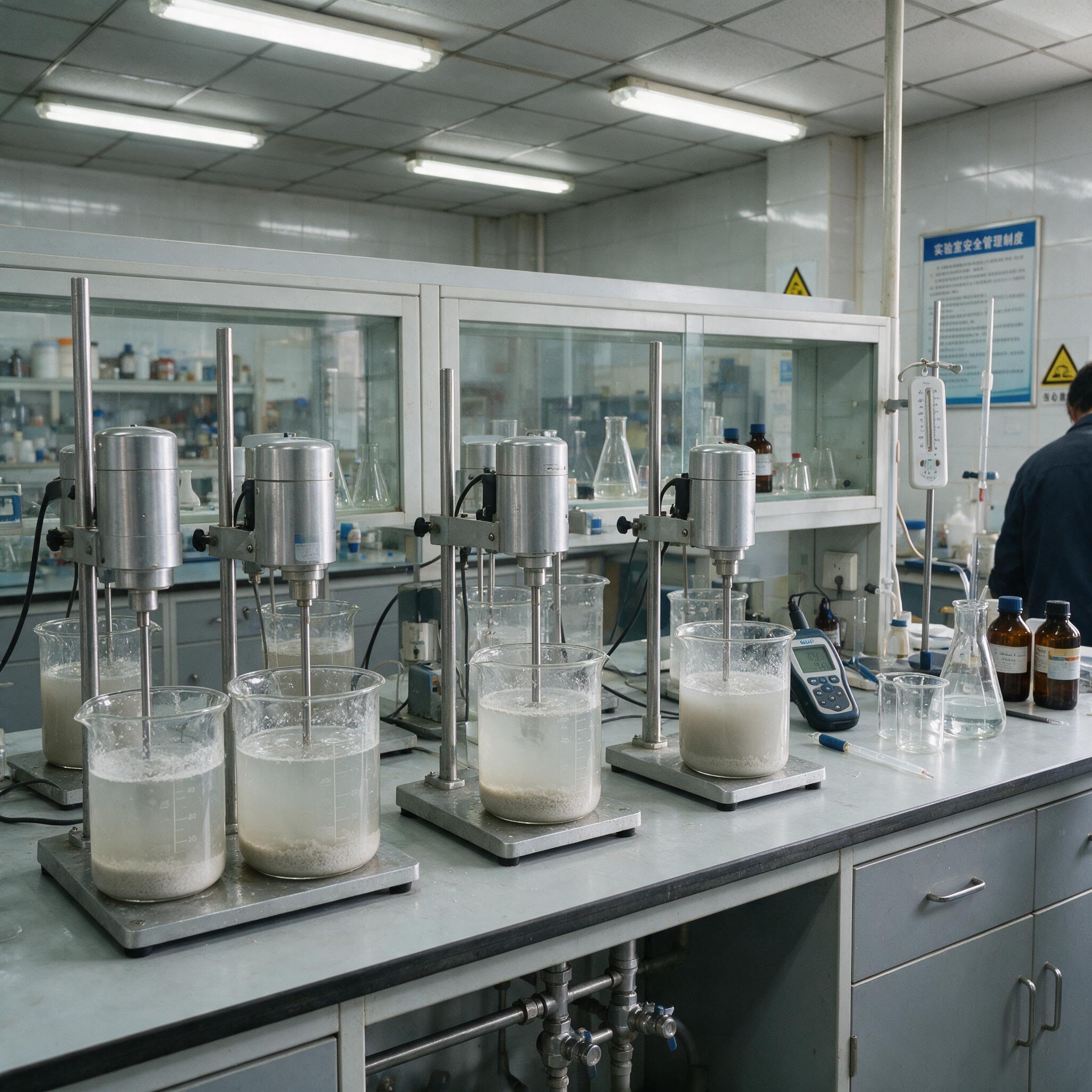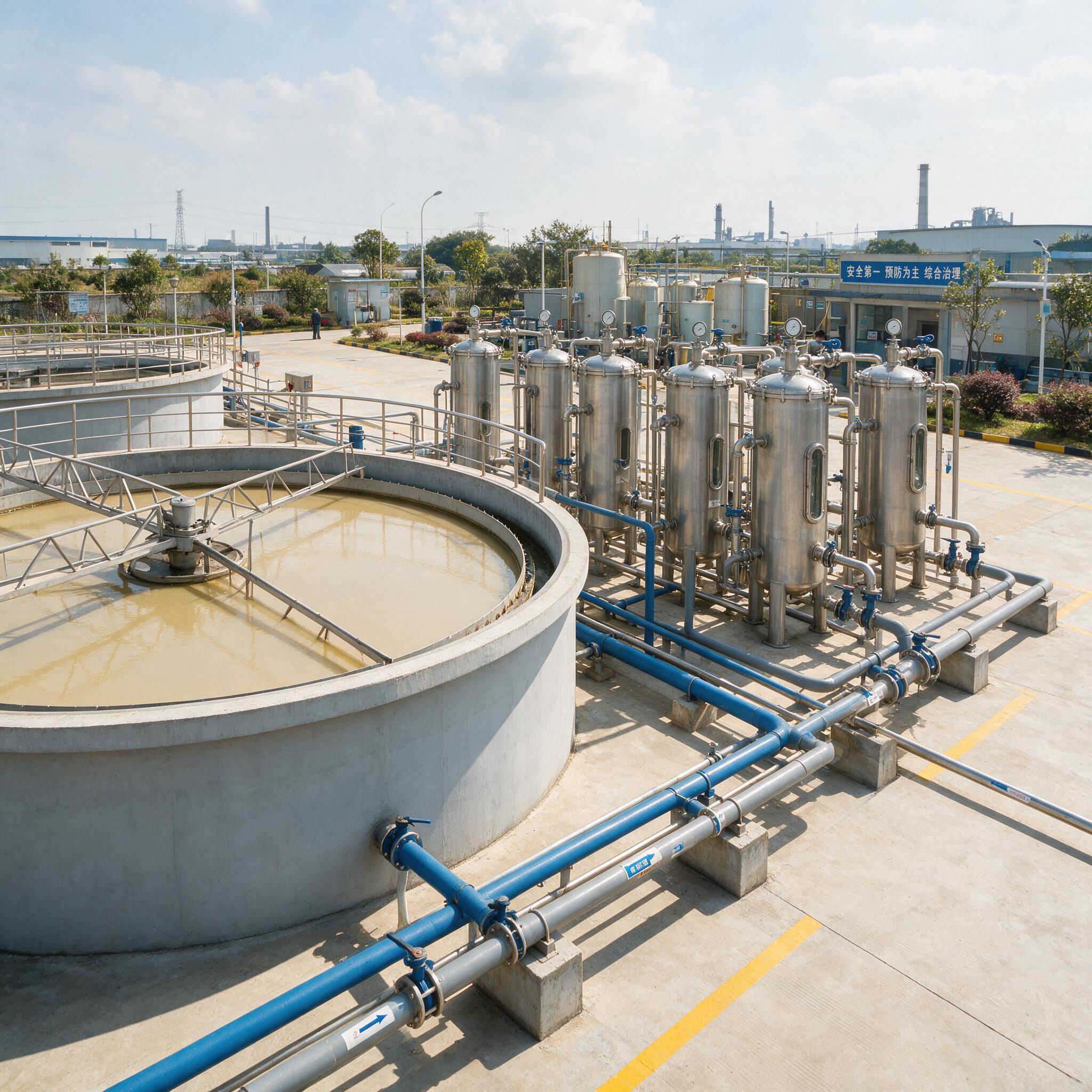
In the paper manufacturing industry, efficient water management is paramount to achieving sustainability and economic goals. PAM flocculant for paper mill applications plays a pivotal role in treating process water and wastewater streams. Polyacrylamide acts as a bridging agent, bringing together suspended particles—such as cellulose fines, fillers, and coagulants—into larger flocs that settle or filter more easily. This mechanism reduces turbidity, chemical oxygen demand, and total suspended solids, making water suitable for reuse or safe discharge. The choice of PAM type (anionic, cationic, or nonionic) depends on the charge characteristics of the suspended solids. For example, negatively charged fibers and fillers respond well to cationic PAM, while anionic PAM is effective in neutral to alkaline conditions common in kraft pulping.