Optimizing Hydraulic Slurry Transport and Pipeline Mechanics
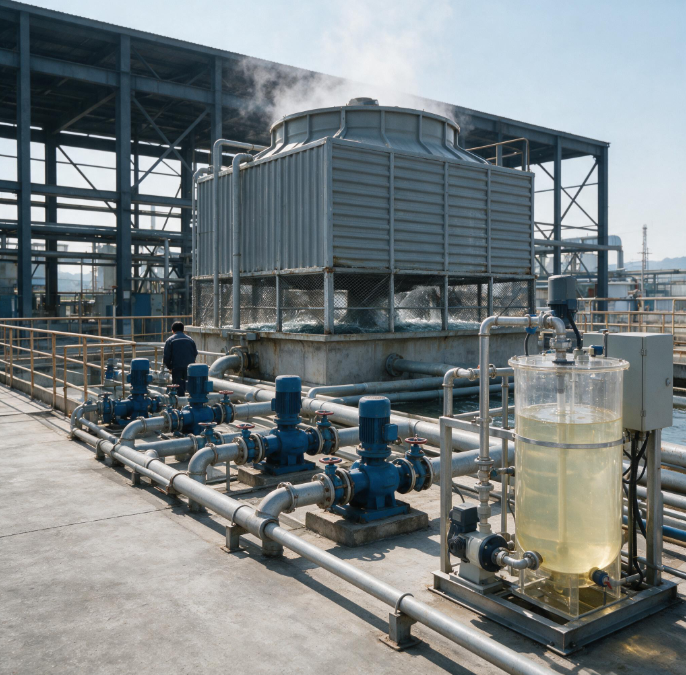
Handling complex metallic ores and low-grade mineral formations generates heavy, high-viscosity pulps that create massive frictional resistance inside industrial transport pipelines. Without advanced rheological modifiers, abrasive mineral slurries accelerate wear on centrifugal pumps, induce severe pressure drops, and interrupt continuous volume delivery across long-distance distribution networks. Injecting specialized polyacrylamide formulas directly into these aggressive mineral suspensions alters fluid dynamics instantly, suppressing turbulence and lowering apparent viscosity without reducing the solid-carrying capacity of the fluid. Industrial plant engineers rely on this sophisticated polymer network to stabilize slurry velocity, protect expensive steel piping infrastructure from premature abrasive damage, and significantly reduce total electrical power consumption across large pumping stations. Comprehensive operational audits demonstrate that targeted polyacrylamide rheology control reduces annual pipeline maintenance expenditures by up to 28 percent, turning difficult transport logistics into an efficient, highly predictable workflow across international extraction sites. Furthermore, ongoing metallurgical research indicates that maintaining precise molecular weight consistency prevents unexpected hydraulic shocks during high-pressure shifts, ensuring uninterrupted throughput even when processing highly variable mineral feeds.
Revolutionizing Thickener Efficiency and Phase Separation
Achieving rapid solid-liquid phase separation inside high-capacity industrial thickeners is vital for maintaining continuous mineral processing and avoiding costly operational bottlenecks. Traditional gravity sedimentation often fails when processing ultra-fine mineral slimes because electrostatic repulsion forces maintain permanent suspension of microscopic particles in aqueous solutions. Introducing high-performance polyacrylamide into the central feedwells of industrial thickeners neutralizes surface charges immediately, creating sprawling macromolecular bridges that capture suspended solids. These heavy, structured flocs settle rapidly through the liquid column, delivering a crystal-clear overflow ready for immediate mill reuse and a dense underflow prepared for filtration. Extensive metallurgical evaluations confirm that deploying customized polyacrylamide grades increases thickener solids-loading capacity by nearly 42 percent, enabling processing facilities to handle higher tonnage rates without investing in costly expansions of existing physical infrastructure. In addition, automated monitoring systems dynamically adjust polyacrylamide feed rates to respond instantly to fluctuations in slurry density, guaranteeing exceptional operational stability around the clock.
Advancing Vacuum Filtration and Dewatering Performance
The final dewatering phase in mineral beneficiation dictates whether a processing facility can achieve strict moisture shipping limits and cost-effective solid waste handling. When mineral pulps display poor filtration properties, vacuum disc filters and horizontal belt presses struggle to release capillary-bound moisture, producing heavy, sticky cakes that require intensive thermal drying. Incorporating high-molecular-weight polyacrylamide variants directly into the pre-filtration conditioning stage fundamentally restructures the internal pore architecture of the filter cake. This targeted chemical intervention establishes micro-channels that allow trapped water to escape swiftly under vacuum suction, yielding drier, structurally stable cakes that separate cleanly from filter fabrics. Plant case studies show that proper polyacrylamide conditioning decreases final filter cake moisture content by 7 to 11 percentage points, drastically reducing fuel expenses for downstream thermal dryers and streamlining solid waste transport for commercial mining operations. Furthermore, achieving lower cake moisture levels significantly minimizes environmental leachate risks associated with tailing disposal, supporting broader corporate sustainability initiatives.
Feymer: Your Trusted Partner in Advanced Mining Polymers
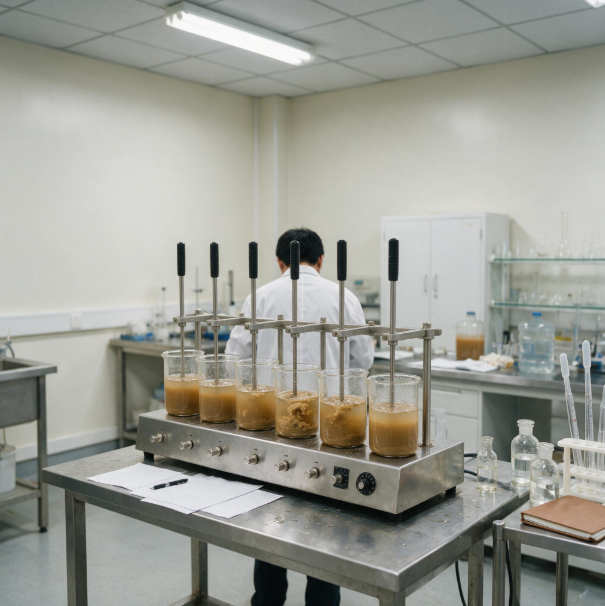
Achieving flawless execution in large-scale mineral processing requires not only precise chemical formulations and deep technical expertise, but also a dependable manufacturing partner dedicated to uncompromising product consistency and supply chain reliability. Feymer has earned a stellar international reputation as a leading global manufacturer and technical innovator of specialized water-soluble polymers, including high-purity polyacrylamide engineered specifically for demanding industrial environments. By blending decades of rigorous chemical synthesis research with advanced, automated manufacturing capabilities, the organization guarantees that every production batch of polyacrylamide delivers optimal molecular weight distribution and predictable reactivity across diverse operational settings. Feymer provides comprehensive, data-driven technical support, assisting metallurgical engineers in conducting on-site jar testing and designing customized dosing protocols tailored to unique ore mineralogy profiles. Through an extensive global distribution network and an unwavering commitment to customer success, the organization empowers mining enterprises worldwide to maximize mineral recovery, minimize operational expenditures, and achieve ambitious corporate sustainability targets while maintaining absolute safety standards.
Embracing Autonomous Dosing and Smart Mineral Processing
Looking toward the future, the global mining sector is undergoing a profound digital evolution driven by real-time sensor technologies, automated control loops, and artificial intelligence-driven analytics designed to optimize chemical usage. The next generation of polyacrylamide applications is increasingly moving toward automated dosing systems that continuously monitor slurry density, turbidity, pH fluctuations, and flow rates in real time. These smart technological frameworks dynamically adjust polyacrylamide injection rates down to the milliliter, completely eliminating human error, preventing chemical overfeeding, and maintaining peak separation efficiency under highly variable feed grades and unpredictable ore conditions. By adopting these cutting-edge digital innovations and partnering with established industry leaders, modern mining operations utilizing advanced polyacrylamide technology will successfully reconcile high-speed industrial productivity with the critical economic and environmental imperatives of absolute water stewardship. As smart mining initiatives expand globally, the seamless integration of intelligent chemical delivery mechanisms will undoubtedly redefine industry standards, securing a highly efficient, sustainable, and profitable future for mining operations worldwide.

 EN
EN