Technical Fundamentals of Anionic Polymer in Modern Solid-Liquid Separation
Achieving efficient solid-liquid separation remains one of the most persistent operational challenges across heavy industries such as mining, wastewater treatment, and mineral processing. Plant managers constantly face complex suspensions containing fine particulate matter that refuses to settle naturally, slowing down entire production lines. This is where advanced chemistry steps in to alter fluid dynamics fundamentally. Among the various available additives, anionic polymer has proven to be an exceptionally powerful tool for accelerating clarification and dewatering processes. By interacting directly with suspended solids, these high-molecular-weight compounds change the physical behavior of slurries, transforming sluggish, turbid mixtures into clear supernatant and easily filterable sludge. Understanding the underlying mechanisms of anionic polymer allows facility engineers to optimize throughput, reduce chemical consumption, and maintain reliable performance even under fluctuating feed conditions.
Mechanism of Action and Flocculation Dynamics
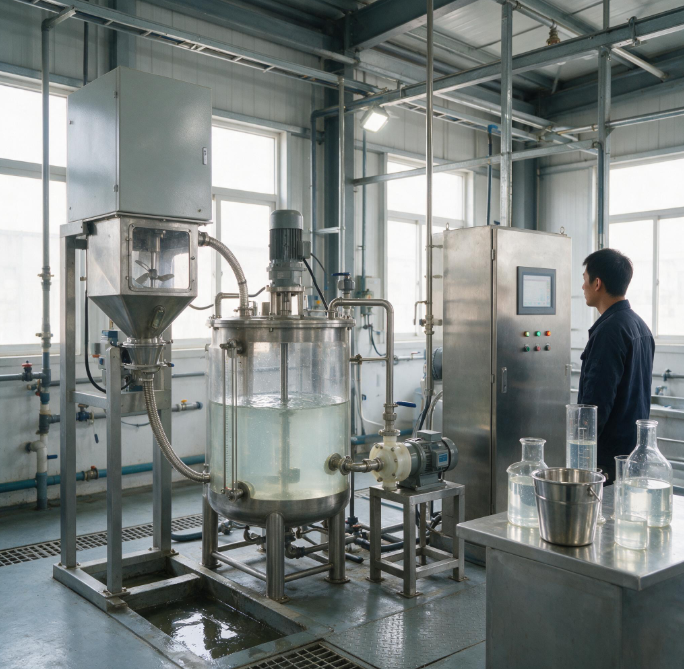
The high performance of anionic polymer in industrial applications stems from its unique molecular structure and charge distribution. When dissolved in water, the long-chain molecules uncoil, exposing active sites that interact with positively charged particles or metal ions present in the suspension. Through a dual mechanism involving charge neutralization and polymer bridging, anionic polymer binds multiple fine particles together into larger, denser agglomerates known as flocs. These robust flocs possess significantly higher settling velocities compared to individual suspended particles, allowing them to drop rapidly to the bottom of thickeners and clarifiers. Chemical engineers emphasize that tailoring the molecular weight and degree of hydrolysis of anionic polymer is essential for matching specific slurry characteristics. When properly engineered, this molecular bridging prevents shear breakage during pumping, ensuring that the flocs remain intact and deliver superior underflow density and filter cake dryness. Furthermore, precise control over preparation and dosing parameters ensures that the overall efficiency of anionic polymer remains consistent across variable operational shifts.
Real-World Application Scenarios Across Industrial Sectors
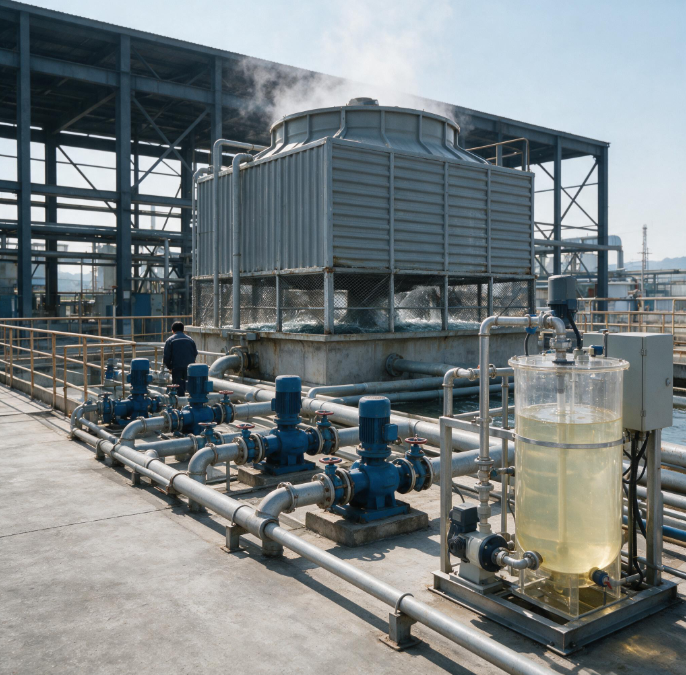
The versatility of anionic polymer is best demonstrated through its diverse applications in demanding operational environments. In large-scale mineral processing plants, processing metallic ores generates massive volumes of fine tailing slurries that require rapid water recovery and safe waste stacking. The introduction of anionic polymer into thickener feed lines drastically improves overflow clarity, enabling the immediate recycling of process water back to the milling circuit. Similarly, in municipal and industrial wastewater treatment facilities, biological sludge dewatering relies heavily on anionic polymer to condition sludge prior to belt filter presses or centrifuges. Field observations from multiple operating sites indicate that selecting the correct grade of anionic polymer minimizes blinding of filter cloths, reduces polymer dosage, and stabilizes overall mechanical dewatering performance across seasonal temperature and pH shifts. By tailoring the specific product grade to match local water chemistry, operators consistently achieve optimal solid-liquid separation results.
Economic Value and Quantitative Data Insights
Adopting advanced chemical programs requires a clear financial justification, and the return on investment delivered by anionic polymer is exceptionally robust. Operational data gathered from various heavy-duty processing plants show that optimizing the dosing regimen of anionic polymer can reduce total flocculant consumption by up to twelve percent while simultaneously boosting solid-liquid separation rates. In practical terms, faster settling velocities reduce the energy required for mechanical pumping and vacuum filtration, leading to significant power savings across the facility. Furthermore, improved underflow density minimizes the volume of wet solids sent to final disposal or tailing dams, lowering waste management expenses. These empirical findings demonstrate that anionic polymer functions as a core economic driver rather than an auxiliary expense, directly enhancing both profitability and plant throughput. Documenting these performance metrics over time allows facility management teams to refine operational budgets and achieve sustainable cost reductions.
Authoritative Standards and Scientific Best Practices
Successful deployment of chemical aids in industrial processes depends heavily on adherence to established engineering standards and polymer science principles. Leading technical guidelines in chemical processing stress the importance of proper polymer dissolution, aging times, and shear management to prevent polymer chain degradation. Improper makeup procedures or incorrect shear rates can shear the long chains of anionic polymer, severely diminishing its bridging capability and leading to increased chemical usage. By maintaining strict quality control and following transparent operational protocols, facilities ensure their use of anionic polymer remains safe, predictable, and compliant with environmental regulations. This dedication to scientific rigor builds high institutional credibility, aligning perfectly with modern industrial expectations for reliable, transparent, and high-performance chemical management. Consulting authoritative engineering literature further supports plant engineers in establishing robust operational protocols that guarantee long-term system stability.
Feymer Manufacturing Excellence and Supply Chain Reliability
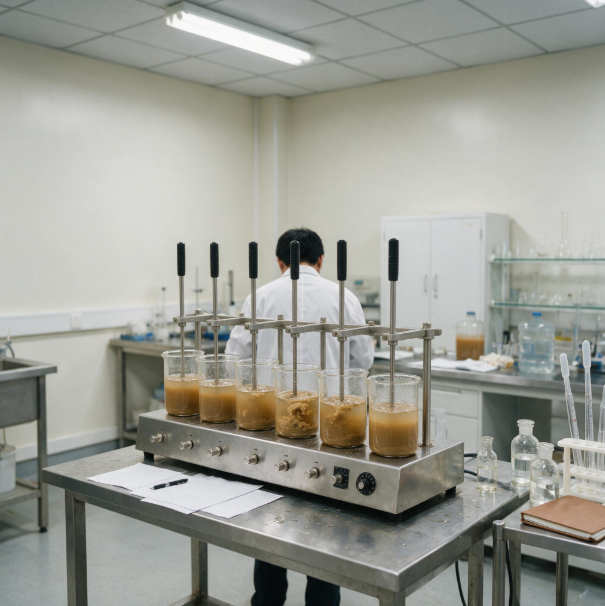
Achieving sustained success in industrial production requires more than superior chemical formulations; it demands a resilient supply chain and dedicated technical partnership. Feymer stands as a trusted global manufacturer, delivering premium anionic polymer solutions tailored to the exacting demands of international clients across diverse processing industries. With state-of-the-art production infrastructure, rigorous quality control laboratories, and agile logistics networks, Feymer ensures a consistent, high-purity supply of anionic polymer to facilities worldwide. The expert technical support team at Feymer collaborates closely with plant engineers to optimize dosing systems, troubleshoot complex separation challenges, and drive continuous performance improvements. By choosing Feymer, global enterprises secure a dependable partner dedicated to enhancing operational efficiency, minimizing environmental impact, and delivering long-term value through advanced anionic polymer technologies.

 EN
EN