Understanding the Fundamental Role of DADMAC in Modern Chemistry
Diallyl Dimethyl Ammonium Chloride, universally known as DADMAC, stands as a foundational pillar in the expansive realm of functional monomers. As a highly purified, quaternary ammonium cationic monomer, DADMAC is engineered to serve a wide array of industrial sectors. In the current chemical manufacturing landscape, DADMAC acts as an essential building block for creating sophisticated, high-performance, water-soluble cationic polymers. Its significance is derived from its unique chemical structure, which allows it to undergo efficient radical polymerization under diverse conditions, providing the structural integrity and high charge density required for modern industrial applications. By serving as the chemical foundation for PolyDADMAC, DADMAC enables the synthesis of materials that are critical for large-scale processes, particularly in scenarios where precise charge neutralization, flocculation, and coagulation are essential for operational success and environmental compliance.
The Chemistry Behind Superior Polymer Synthesis Efficiency
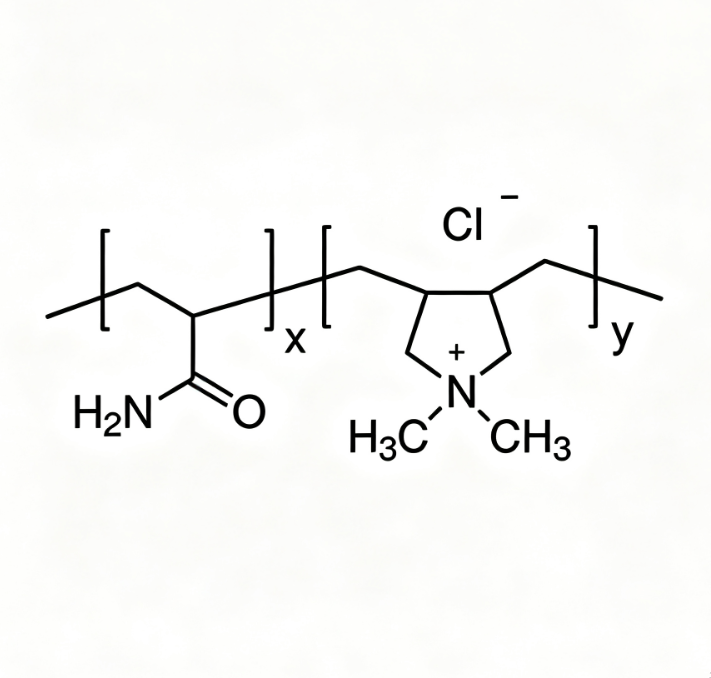
The technical prowess of DADMAC in the context of polymer synthesis is rooted in its highly reactive alkenyl double bond architecture. During the radical polymerization process, DADMAC participates in a controlled, highly predictable reaction that yields polymers with quaternary ammonium groups embedded directly within the molecular backbone. This specific molecular arrangement ensures that the resulting PolyDADMAC exhibits exceptional rigidity, chemical stability, and consistently high charge density compared to other common polyelectrolytes. Feymer utilizes state-of-the-art polymerization technology to ensure that each batch of DADMAC is converted with maximum efficiency, strictly minimizing the presence of residual monomers or trace impurities that could otherwise hamper the viscosity or the performance stability of the final polymer product. This level of precision in chemical synthesis is what elevates DADMAC from a basic raw material to a high-value performance enhancer for industrial manufacturers globally.
Diverse Industrial Applications and Performance Impact
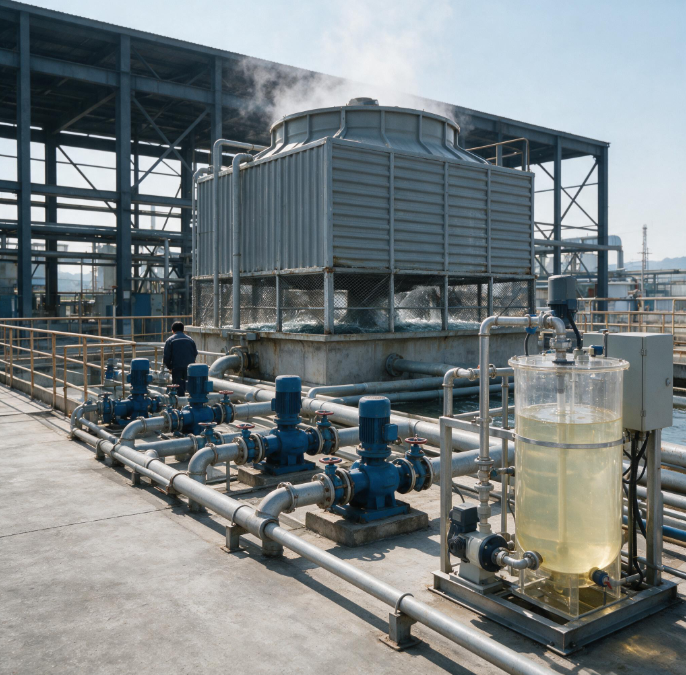
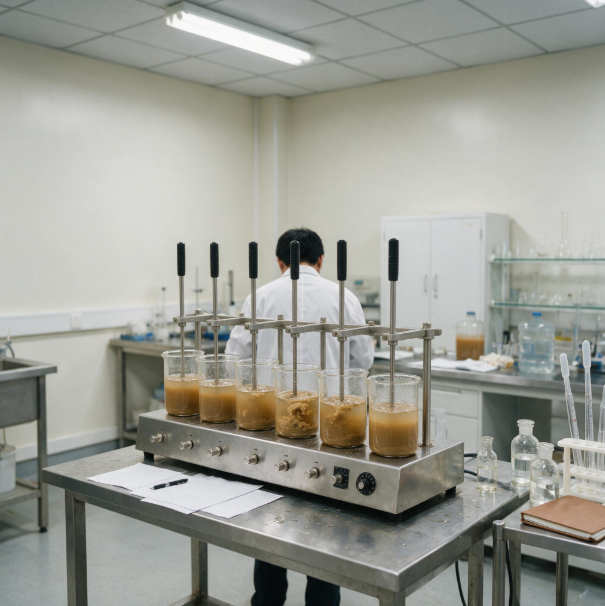
The real-world impact and utility of DADMAC are most clearly visible in industries requiring complex liquid management and separation technology. In the municipal and industrial water treatment sectors, polymers synthesized from DADMAC are virtually unmatched in their ability to destabilize colloidal particles through advanced charge neutralization mechanisms. These high-performance coagulants significantly improve turbidity removal rates, accelerate sedimentation processes, and substantially lower operational costs for large-scale treatment facilities. Furthermore, in the global pulp and paper industry, DADMAC-based retention and drainage aids are considered indispensable. They effectively bind fine fibers and inorganic fillers to the paper web, which directly enhances the tensile strength, structural uniformity, and overall surface finish of the finished paper products. Textile manufacturers also rely heavily on these specialized polymers, utilizing DADMAC derivatives as high-efficiency, formaldehyde-free fixing agents, which dramatically improve color fastness and reduce hazardous dye discharge into local water systems.
Engineering Sustainable Solutions for Modern Challenges
Beyond its immediate performance benefits, DADMAC plays a pivotal role in the ongoing green transformation of industrial water management strategies. As global environmental regulations continue to tighten, the industrial demand for more effective, low-dosage, and environmentally compatible chemicals has spiked. DADMAC-derived polymers are increasingly preferred by plant engineers because they operate efficiently across a remarkably broad pH range and maintain high flocculation efficacy even at very low concentrations. This means that diverse industries can achieve their sustainability goals—such as optimizing water recycling loops and minimizing pollutant discharge—while simultaneously improving operational output. The inherent chemical stability of DADMAC ensures that these performance characteristics remain consistent over time, providing a reliable and stable buffer against frequent process fluctuations in complex, high-pressure industrial environments.
Choosing a Trusted Partner for High-Quality Monomer Supply
For manufacturers across the globe, the consistency of the monomer supply chain is every bit as critical as the underlying chemical formulation itself. Feymer has successfully established itself as a leading global authority in the production of functional monomers and advanced water-soluble polymers, leveraging decades of extensive technical expertise to guarantee purity, reactive consistency, and batch-to-batch stability. By controlling the entire value chain—from initial raw material sourcing and monomer production to specialized application technology—Feymer provides customers with the critical technical support needed to optimize their specific polymer formulations for unique process requirements. With robust, scalable supply chain capabilities and an unwavering commitment to continuous R&D, the organization empowers industrial partners to overcome their most complex chemical challenges, ensuring that every batch of DADMAC delivers the intended, high-level performance in every critical industrial application.
Future Prospects in Functional Polymer Development
As industrial manufacturing processes continue to evolve toward greater automation and sustainability, the demand for specialized, high-purity cationic monomers will only continue to grow. The ongoing integration of DADMAC into emerging, high-tech fields, such as advanced membrane manufacturing, oilfield chemical production, and sophisticated electronic chemical synthesis, signals a bright and expansive future for this versatile molecule. By focusing on relentless innovation and maintaining the highest international quality standards, the industry is well-positioned to unlock new levels of chemical efficiency. DADMAC remains at the very heart of this technological progress, consistently driving the development of smarter, more sustainable, and highly functional materials that directly support the needs of a modern, efficient, and ecologically responsible global economy.

 EN
EN