The Vital Significance of Industrial Water Treatment in Modern Manufacturing
Modern industrial manufacturing relies heavily on vast volumes of water for cooling, processing, cleaning, and steam generation. However, raw water sourced from municipal systems or natural bodies typically contains a complex mixture of suspended solids, dissolved minerals, organic compounds, and biological microorganisms. Without proper intervention, these contaminants can lead to severe operational issues, including scale accumulation, aggressive corrosion, and biological fouling within industrial equipment. Consequently, deploying specialized water treatment chemicals is not merely an optional maintenance step, but an absolute foundational requirement for ensuring continuous plant productivity, preventing catastrophic equipment failures, and protecting massive capital investments. By understanding the proper classification and function of these diverse chemical solutions, industrial operators can design robust treatment protocols that optimize system performance, minimize downtime, and maintain strict environmental compliance across diverse production facilities.
Coagulants and Flocculants for Solid-Liquid Separation
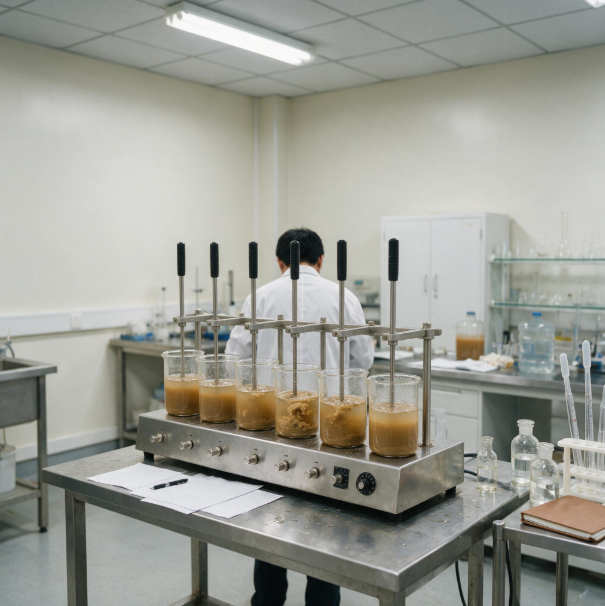
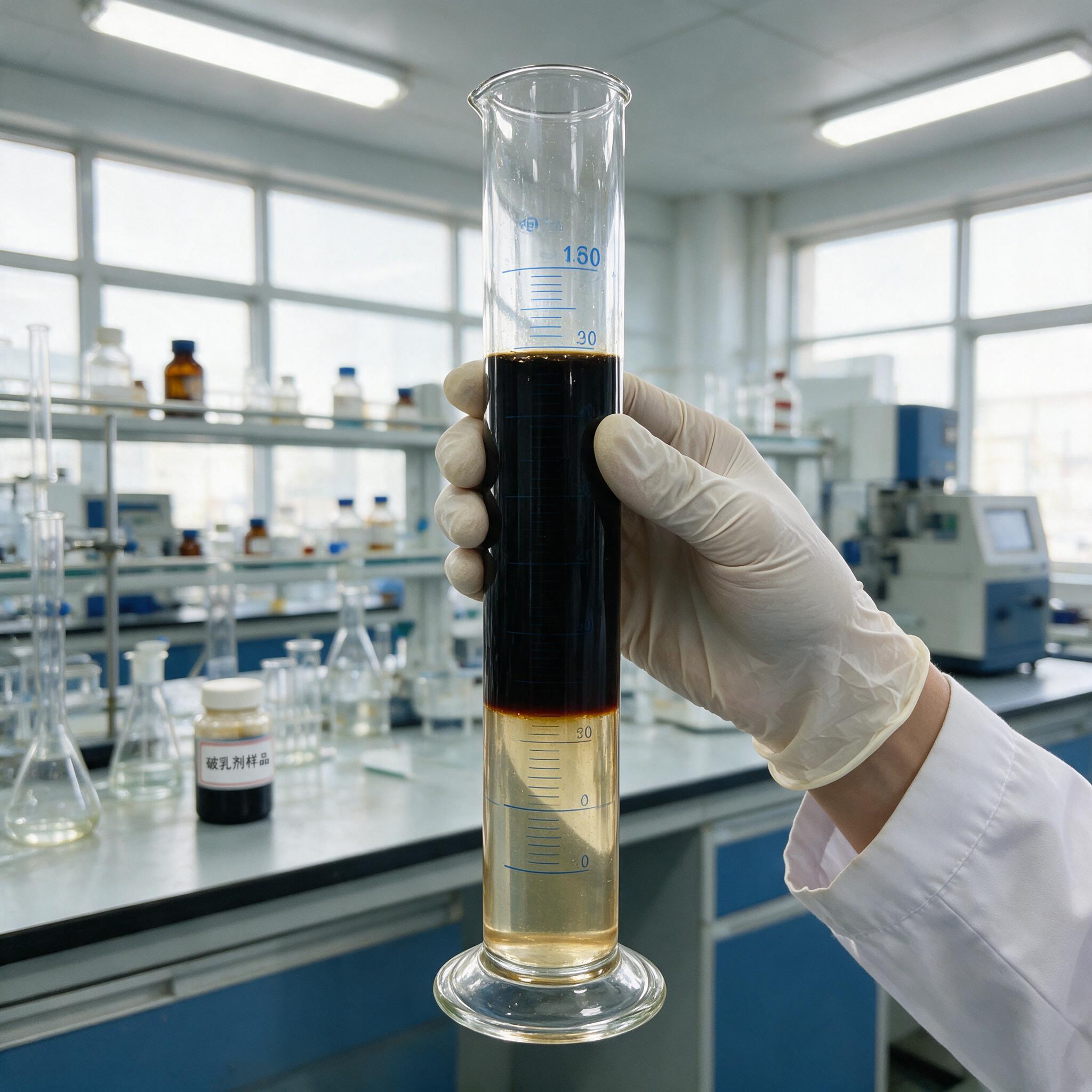
Achieving efficient solid-liquid separation represents the primary operational hurdle in both raw water intake purification and industrial wastewater clarification. Suspended particles and colloidal impurities in raw water streams generally carry a stable negative surface charge, causing them to repel one another and remain suspended indefinitely. To overcome this natural barrier, industrial water treatment chemicals such as coagulants and flocculants are systematically introduced into the system. Inorganic coagulants like aluminum sulfate and polyaluminum chloride neutralize surface charges, while advanced synthetic polymers act as bridging agents to gather fine particles into dense, rapidly settling flocs. Field data from various heavy industrial plants indicates that utilizing optimized flocculants can improve solid-liquid separation rates by over 30%, which significantly accelerates sedimentation velocity in large-scale clarifiers. This accelerated separation allows processing plants to handle higher hydraulic loads without requiring costly expansions to their existing physical infrastructure.
Scale Inhibitors and Antiscalants for Thermal and Membrane Systems
As water undergoes evaporation, heating, or high-pressure reverse osmosis filtration, dissolved mineral ions such as calcium, magnesium, and silica frequently exceed their solubility limits and precipitate onto critical metal surfaces. This destructive scaling phenomenon severely impairs heat transfer efficiency, increases energy consumption, and can cause localized overheating or tube rupture in industrial boilers and heat exchangers. To combat this widespread challenge, specialized water treatment chemicals known as scale inhibitors and antiscalants are continuously injected into the feed water. These sophisticated chemical formulations function through crystal modification and threshold inhibition, preventing mineral crystals from growing and adhering to equipment walls. Operational case studies from large thermal power stations demonstrate that maintaining precise antiscalant dosing regimes reduces maintenance frequency by up to 40%, extending the operational lifecycle of delicate membrane elements and high-pressure tubing while ensuring uninterrupted, energy-efficient plant performance.
Corrosion Inhibitors and Biocides for Infrastructure Protection
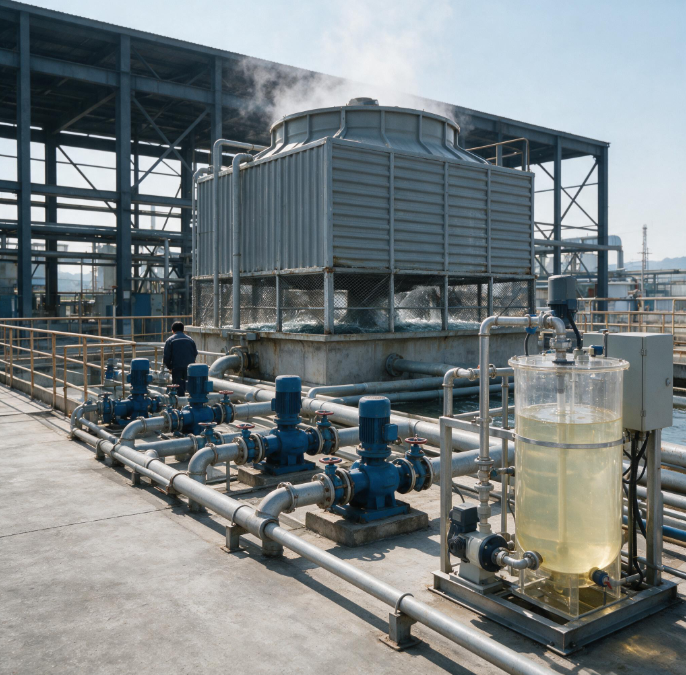
Protecting industrial metallic infrastructure from the corrosive effects of dissolved oxygen, aggressive ions, and biological activity forms another critical pillar of comprehensive water management. Dissolved gases and microbial populations can cause rapid pitting corrosion and microbial-induced degradation in cooling towers and piping networks. To safeguard these expensive assets, operators rely on corrosion inhibitors that form a microscopic, protective film on metal surfaces, alongside oxidizing and non-oxidizing biocides designed to eradicate harmful bacterial colonies and algae blooms. Industry standards and expert guidelines emphasize that controlling biological growth is essential not only for structural integrity but also for preventing the proliferation of dangerous pathogens like Legionella in open recirculating systems. By combining targeted corrosion inhibitors with routine biocide dosing, facilities achieve a balanced, highly resilient chemical defense strategy that preserves structural assets and ensures safe working environments.
Feymer: Your Comprehensive Partner in Advanced Water Treatment Solutions
Navigating the complex landscape of industrial chemistry requires a reliable, highly capable supply chain partner that understands the rigorous demands of modern manufacturing. Feymer has established a distinguished global reputation as a premier manufacturer and technical provider of specialized water treatment chemicals, offering an extensive portfolio that includes high-performance flocculants, coagulants, and functional polymers. By combining decades of rigorous chemical research with state-of-the-art manufacturing capabilities, the organization guarantees that every batch of material delivers exceptional purity, structural stability, and consistent operational performance. Feymer provides comprehensive, data-driven technical support, assisting industrial operators in analyzing their unique water chemistry profiles to develop custom-tailored chemical treatment regimens. Through a robust global distribution network and an unwavering commitment to continuous innovation, the organization empowers industrial partners worldwide to optimize their water management practices, reduce operational costs, and achieve long-term sustainability goals.
Future Trends and Innovation in Water Chemistry Technologies
Looking toward the future, the industrial sector is experiencing a rapid evolution toward tighter closed-loop recycling systems and strict zero-liquid-discharge mandates. This paradigm shift demands increasingly sophisticated water treatment chemicals capable of maintaining peak efficacy under extreme thermal, saline, and chemical stress conditions. Emerging technological advancements in polymer science and green chemistry are paving the way for the next generation of biodegradable, highly efficient chemical formulations that minimize environmental impact without compromising performance. Furthermore, the integration of smart, sensor-driven dosing systems is transforming how chemicals are managed on-site, allowing for real-time adjustments based on live water quality metrics. By embracing these cutting-edge innovations and partnering with established industry leaders, modern manufacturing plants will continue to successfully balance high-speed operational productivity with responsible, transparent, and sustainable global water stewardship.

 EN
EN