The Complex Nature of Municipal Wastewater Treatment
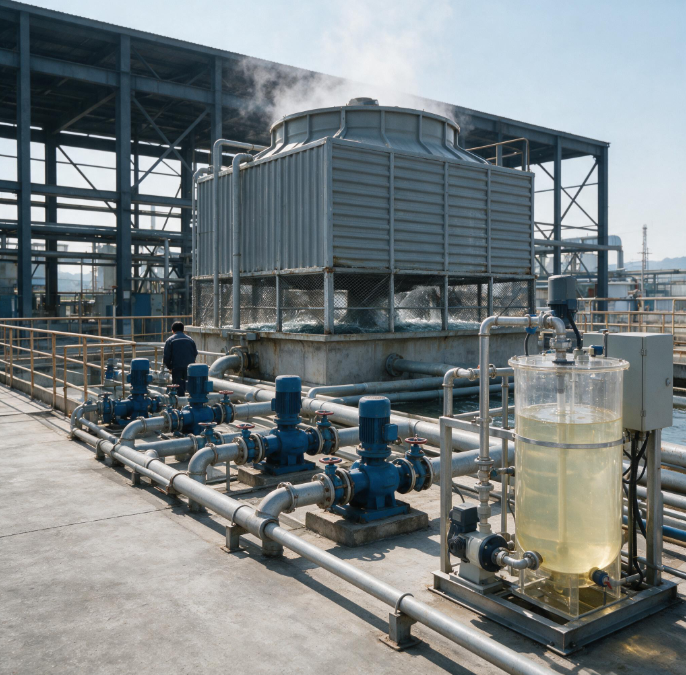
Municipal sewage treatment plants operate at the frontline of urban environmental protection, processing massive volumes of domestic wastewater, commercial runoff, and light industrial discharges daily. The primary objective of these facilities is to remove suspended solids, organic matter, and harmful nutrients before the treated water is safely released back into natural water bodies or repurposed for secondary applications. However, influent characteristics fluctuate constantly due to weather conditions, urban growth, and industrial activities, creating ongoing operational challenges for plant engineers. Achieving consistent solid-liquid separation within primary clarifiers and secondary dewatering units depends heavily on the deployment of appropriate chemical reagents. Selecting the correct flocculant is not merely a routine procurement task; it is a critical engineering decision that dictates the overall efficiency, energy consumption, and compliance status of the entire municipal wastewater treatment facility.
Understanding Municipal Wastewater and Particle Dynamics
Before establishing a reliable selection protocol, plant operators must thoroughly understand the complex particle dynamics inherent in municipal sewage. The suspended solids present in raw and secondary municipal wastewater typically carry a stable negative surface charge, preventing them from naturally aggregating and settling out of the aqueous phase. Organic compounds, cellular debris, and colloidal particles remain suspended due to electrostatic repulsion and hydration layers. When a high-performance flocculant is introduced into the wastewater stream, its active polymer chains interact directly with these charged particles through a sophisticated bridging mechanism. This interaction neutralizes surface charges and physically binds multiple small particles together into large, stable aggregates known as flocs. Field data from municipal wastewater plants indicates that optimizing this chemical bridging process can improve overall suspended solids removal rates by over 35%, ensuring that subsequent filtration and dewatering stages operate at peak hydraulic efficiency.
Core Criteria for Selecting the Ideal Flocculant
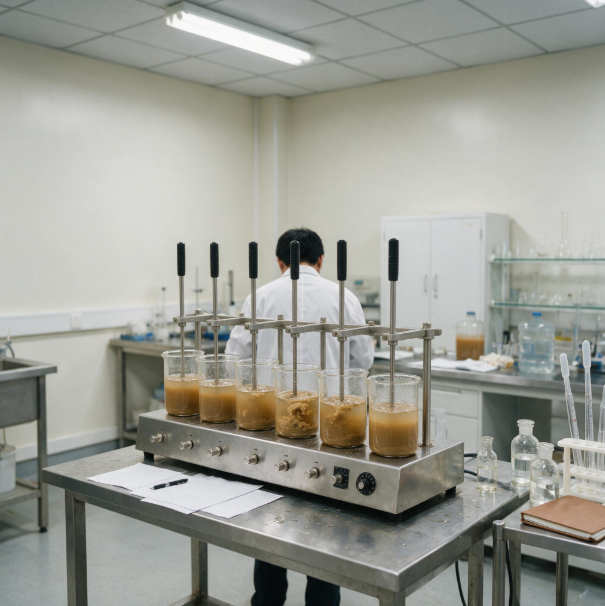
Choosing the right chemical product for a municipal sewage facility requires a rigorous evaluation of multiple technical parameters rather than relying on generalized assumptions. First, the molecular weight and charge density of the flocculant must be meticulously matched to the specific characteristics of the sludge, whether it originates from primary sedimentation tanks or biological anaerobic digesters. Cationic variants are typically required for dewatering organic secondary sludge due to its negative charge profile, whereas anionic or non-ionic variants may be evaluated for specific industrial-heavy municipal streams. Second, plant operators must conduct thorough jar tests to evaluate settling velocity, floc strength, and supernatant clarity under simulated operational conditions. Furthermore, shear resistance is a vital consideration; flocs must be durable enough to withstand the mechanical turbulence encountered in pumps, valves, and high-speed industrial centrifuges or belt filter presses without breaking apart prematurely.
Economic and Operational Impact on Plant Performance
The financial implications of proper chemical selection extend far beyond the direct unit cost of the chemical itself. In large municipal sewage plants, sludge management and dewatering account for a substantial portion of total operational expenditures, encompassing polymer consumption, energy usage for transport, and final cake disposal fees. By implementing a scientifically backed flocculant selection standard, operators can achieve significantly higher sludge cake dryness, frequently reducing water content by several percentage points. This reduction in wet weight translates directly into lower transportation costs and reduced tipping fees at landfills or incineration facilities. Additionally, optimized chemical performance minimizes polymer over-dosing, which prevents filter cloth blinding and lowers overall chemical expenditure. Comprehensive operational case studies reveal that fine-tuning chemical selection regimens can decrease annual sludge disposal and chemical costs by up to 25%, delivering a rapid and substantial return on investment for municipal utilities.
Feymer: Your Advanced Partner in Municipal Water Solutions
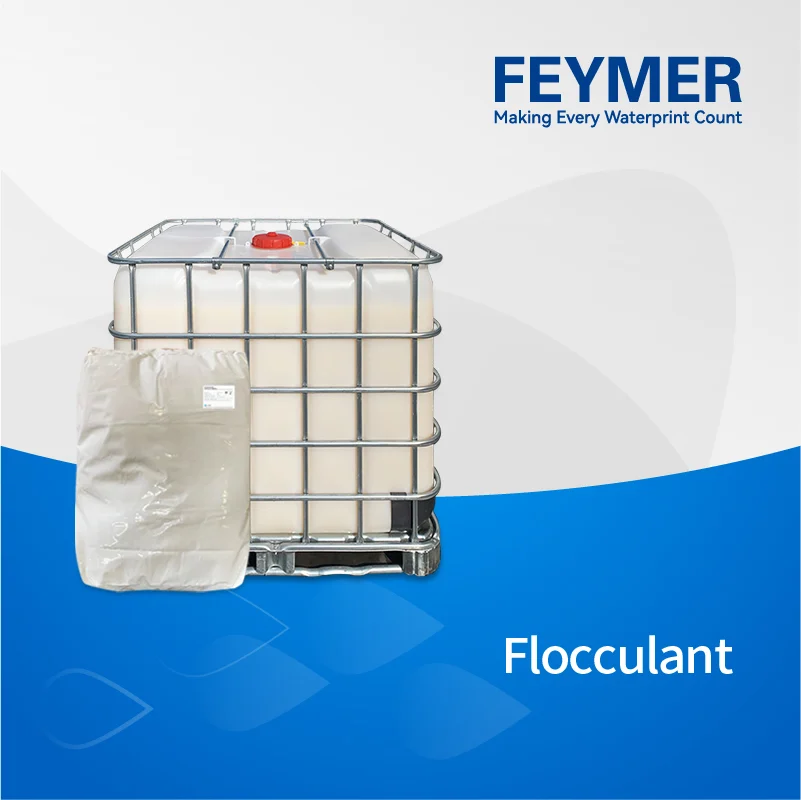
Navigating the complexities of municipal wastewater chemistry demands a dependable supply chain partner with proven manufacturing excellence and comprehensive technical expertise. Feymer has earned a stellar international reputation as a leading manufacturer of specialized polymers, offering a comprehensive suite of high-performance flocculant formulations engineered explicitly for municipal sewage and sludge dewatering applications. By combining decades of intensive chemical research with state-of-the-art production capabilities, the organization guarantees that every batch of material maintains exceptional purity, structural consistency, and reliable reactivity. Feymer provides dedicated technical support, assisting municipal engineers in performing detailed site evaluations and jar tests to customize polymer solutions that address unique local water profiles. Through a resilient global supply chain network and a steadfast commitment to innovation, the organization empowers municipal wastewater plants worldwide to optimize their operational workflows and meet rigorous environmental standards sustainably.
Future Horizons in Wastewater Treatment Technology
As global urbanization accelerates and environmental regulations continue to tighten, municipal wastewater treatment plants face mounting pressure to modernize their operations and reduce their ecological footprint. Future developments in water treatment chemistry are rapidly moving toward smart, responsive flocculant technologies designed to adapt automatically to fluctuating influent loads and varying seasonal temperatures. The integration of advanced sensor networks and artificial intelligence into chemical dosing systems will allow operators to optimize consumption in real time, eliminating waste and maximizing treatment efficiency. By embracing these cutting-edge innovations and partnering with established industry leaders, municipal facilities will continue to successfully balance high-capacity urban sanitation demands with the urgent global imperative for sustainable, transparent, and responsible environmental management.

 EN
EN