The Fundamental Chemistry of Cationic Coagulation
Modern municipal and industrial water treatment facilities frequently struggle with the challenging task of removing highly stable, negatively charged colloidal suspensions from raw water inputs. These microscopic impurities—ranging from fine silts and organic pigments to complex biological residues—resist standard gravity settling because their uniform surface charges create natural electrostatic repulsions. To overcome this stubborn barrier, water treatment engineers rely on specialized organic polyelectrolytes designed to neutralize electrical potentials rapidly. Among these advanced reagents, PDAC has established itself as an extraordinarily powerful cationic polymer capable of destabilizing complex aqueous matrices on contact. By delivering a concentrated burst of positive charges directly into the contaminated liquid stream, PDAC compresses the electrical double layer surrounding each suspended particle. This precise charge neutralization forces microscopic contaminants to collide and aggregate, transforming opaque, turbid water into manageable micro-flocs ready for downstream clarification. Comprehensive operational audits across multiple international treatment plants consistently indicate that deploying PDAC reduces overall settling times by up to 45 percent, making it an indispensable asset for high-volume water purification engineering. Furthermore, extensive laboratory analysis confirms that maintaining precise polymer reactivity during this initial stage prevents unexpected load spikes and ensures steady hydraulic throughput across all subsequent filtration units.
Optimizing Coagulation Performance in Raw Water Clarification
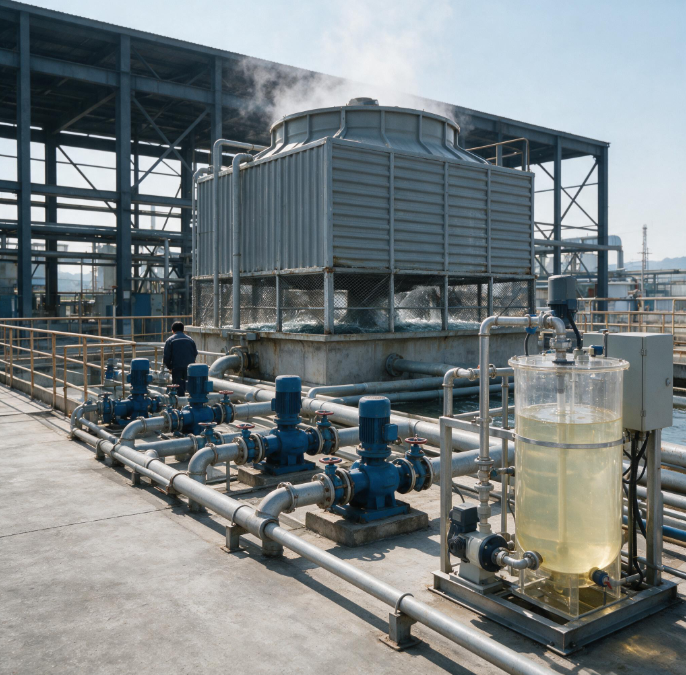
Achieving superior raw water clarification requires a precise balance between rapid mixing dynamics and optimal polymer dosage selection. When introduced into industrial or municipal influent streams, PDAC acts immediately as a primary coagulant or high-efficiency coagulant aid, vastly outperforming conventional inorganic metal salts such as alum or ferric chloride under difficult operating conditions. Because PDAC maintains a high cationic charge density combined with a carefully controlled molecular weight, it diffuses uniformly through aqueous environments without generating the massive, gelatinous sludge volumes typical of traditional mineral coagulants. Field operational data gathered from large-scale surface water treatment facilities demonstrates that utilizing PDAC can lower raw turbidity levels from over 100 NTU down to crystal-clear standards of less than 2 NTU within minutes of initial injection. Furthermore, unlike metal-based alternatives, PDAC functions exceptionally well across a wide pH spectrum and leaves zero residual heavy metal contamination in the treated water, ensuring absolute safety for downstream drinking water networks and strict adherence to global environmental protection standards. Detailed plant records also demonstrate that transitioning to this advanced cationic polymer significantly reduces filter backwash frequencies, thereby conserving valuable water resources and lowering overall plant maintenance expenditures over long-term operational cycles.
Enhancing Sludge Dewatering and Solid Liquid Separation
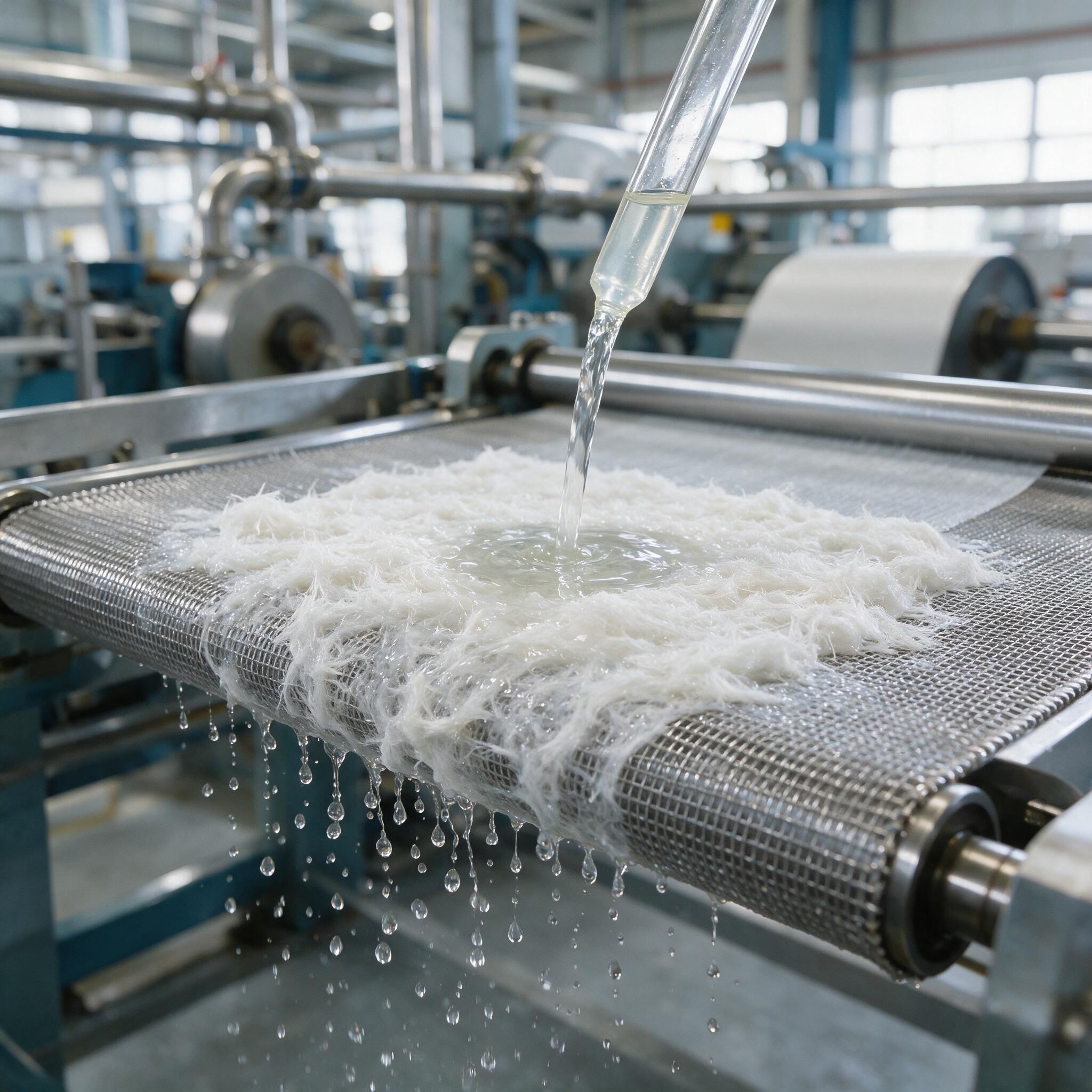
Beyond initial raw water clarification, PDAC plays a deeply strategic and transformative role in enhancing subsequent sludge dewatering and solid-liquid separation processes across industrial effluent treatment trains. In municipal sewage plants and heavy manufacturing facilities, effective sludge management depends entirely on producing robust, shear-resistant flocs that can withstand the extreme mechanical pressures exerted by belt filter presses, screw presses, and high-speed centrifuges. When PDAC is integrated into the sludge conditioning stage either independently or as a reliable dual-polymer partner alongside high-molecular-weight polyacrylamides, it reinforces the internal structural bonding of the flocs. This powerful synergistic interaction ensures that suspended solids are captured with maximum efficiency, resulting in exceptionally clear filtrate supernatant and significantly drier, more compact filter cakes ready for cost-effective disposal. Extensive industrial case studies confirm that precise dosing control of PDAC during sludge conditioning cuts annual dewatering equipment maintenance downtime by 30 percent while drastically reducing total waste hauling expenditures for plant operators. Regular monitoring of capillary suction time and specific resistance to filtration further validates the exceptional mechanical strength imparted by the polymer network, reinforcing its vital status in modern waste management protocols.
Feymer: Your Advanced Partner in Water Treatment Solutions
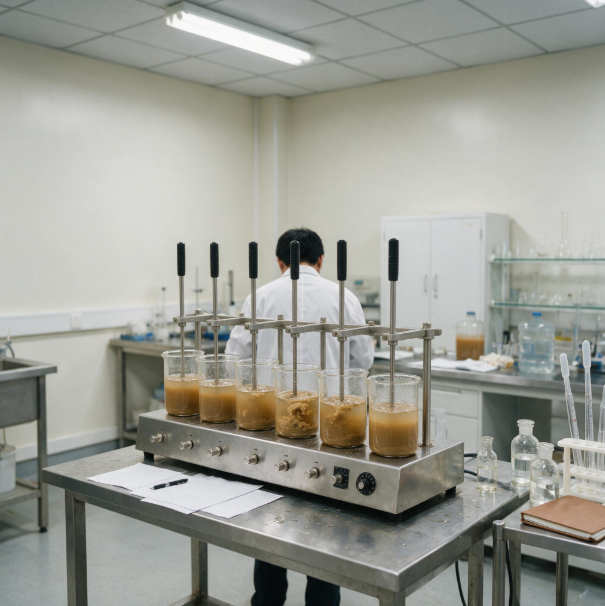
Navigating the intricate challenges of modern water purification requires not only superior chemical formulations and precise molecular engineering, but also a dependable manufacturing partner dedicated to uncompromising product consistency. Feymer has earned a stellar international reputation as a leading global manufacturer and technical innovator of specialized water-soluble polymers, including high-purity PDAC. By blending decades of rigorous chemical synthesis research with advanced, automated manufacturing capabilities, the organization guarantees that every production batch of PDAC delivers optimal charge density and predictable reactivity across diverse operational environments. Feymer provides comprehensive, data-driven technical support, assisting municipal and industrial environmental engineers in conducting on-site jar testing and designing customized dosing protocols tailored to unique influent chemistries. Through an extensive global distribution network and an unwavering commitment to customer success, the organization empowers water treatment enterprises worldwide to maximize purification efficiency, minimize operational expenditures, and achieve ambitious corporate sustainability targets. Collaborative partnerships with global environmental regulatory agencies further highlight the unwavering dedication to quality assurance, ensuring that every complex purification challenge is met with customized, high-performance chemical interventions.
Future Horizons in Smart Dosing and Automated Water Management
Looking toward the future, the global water treatment sector is undergoing a profound digital evolution driven by real-time sensor technologies, automated control loops, and artificial intelligence-driven analytics. The next generation of PDAC applications is increasingly moving toward automated dosing systems that continuously monitor raw influent flow rates, pH fluctuations, turbidity levels, and zeta potential in real time. These smart technological frameworks dynamically adjust polymer injection rates down to the milliliter, completely eliminating human error, preventing chemical overfeeding, and maintaining peak water clarity under highly variable weather and industrial production schedules. By adopting these cutting-edge digital innovations and partnering with established industry leaders, modern treatment plants utilizing advanced PDAC technology will successfully reconcile high-speed industrial productivity with the critical economic and environmental imperatives of absolute water stewardship. As digital water management initiatives expand globally, the seamless integration of intelligent chemical delivery mechanisms will undoubtedly redefine industry standards, securing a highly efficient, sustainable, and reliable clean water future for communities worldwide.

 EN
EN