The Economic Realities of Modern Paper Manufacturing
Operating a high-speed, modern paper mill is an intensive undertaking where raw material costs, energy consumption, and environmental compliance directly influence profitability. In the highly competitive global paper industry, manufacturing facilities face continuous pressure to optimize their operational efficiency without compromising the structural integrity, brightness, or printability of the final product. Every metric—from wet-end retention to wastewater treatment—plays a critical role in determining overall production expenses. To address these economic challenges successfully, modern mills increasingly rely on specialized paper processing aids to streamline operations. By introducing precise chemical enhancements into the pulp suspension, operators using advanced paper processing aids can significantly minimize fiber loss, accelerate water drainage, and reduce energy expenditures across every phase of the manufacturing lifecycle.
Optimizing Wet-End Retention and Raw Material Recovery
At the very heart of cost reduction in papermaking lies wet-end chemistry, where the retention of fine fibers, fillers, and functional additives dictates material efficiency. Without proper intervention, a substantial portion of expensive chemical additives and high-grade wood fibers escapes through the wire mesh, ending up in the white water system and creating heavy burdens for recovery units. Deploying specialized paper processing aids alters this dynamic by establishing strong inter-particle bridges that lock fine particles securely into the forming sheet. Through superior wet-end retention, mills capture valuable fines that would otherwise be lost. Field data gathered from various industrial trial runs indicates that utilizing optimized paper processing aids can improve first-pass retention rates by 15% to 25%. This dramatic improvement ensures that expensive raw materials remain where they belong—in the final paper product—thereby directly lowering the specific fiber and filler consumption required per ton of finished paper.
Accelerating Drainage Rates to Lower Energy Consumption
Water removal is universally recognized as the most energy-intensive phase of the entire papermaking process, particularly during the pressing and thermal drying stages. When wet webs retain excess moisture after leaving the forming section, drying cylinders must work harder, consuming massive amounts of steam and electrical energy. Modern paper processing aids actively promote superior water drainage by aggregating fines into porous structures that allow water molecules to release more freely under mechanical pressure. By optimizing drainage rates through the application of effective paper processing aids, mills can extract significantly more water mechanically before thermal drying begins. Operational case studies from large-scale packaging paper manufacturers demonstrate that incorporating these paper processing aids can increase sheet dryness out of the press section by 2% to 4%. This seemingly modest percentage translates into massive steam savings, significantly cutting energy consumption and accelerating machine speeds to boost overall daily output.
Minimizing Downtime Through Enhanced Machine Runability
Unplanned machine downtime represents a devastating financial loss for any industrial papermaking facility, often triggered by web breaks, sticky deposits, or uneven formation profiles on the wire. Maintaining consistent runability requires robust control over wet-end chemistry to prevent pitch accumulation and sheet defects. High-performance paper processing aids contribute directly to cleaner machine circuits by stabilizing colloidal suspensions and preventing unwanted deposition on felts, rolls, and dryer cans. When web stability and smooth runability are maintained at high operating speeds, the frequency of costly sheet breaks drops sharply, minimizing wasted raw materials and reducing labor-intensive maintenance cleanups. Industry benchmarks and expert technical analyses consistently show that mills optimizing their paper processing aids experience up to a 30% reduction in downtime related to web breaks, protecting tight production schedules and profit margins.
Feymer: Your Strategic Partner in Cost-Effective Papermaking Solutions
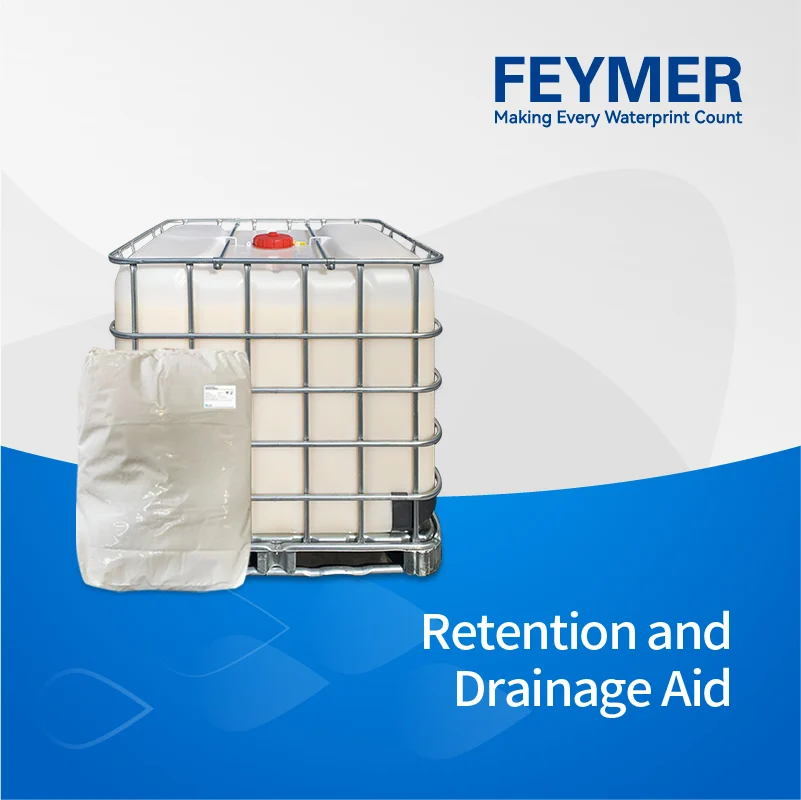
Achieving long-term economic sustainability in paper manufacturing requires more than just standard chemicals; it demands a trusted supply chain partner with proven manufacturing excellence and deep technical insight. Feymer has earned a stellar international reputation as a premier producer and global supplier of specialized paper processing aids, offering tailored formulations designed specifically to optimize wet-end performance, drainage, and retention. By combining decades of rigorous chemical research with state-of-the-art production capabilities, the organization ensures that every batch of polymer delivers exceptional purity, structural stability, and consistent operational efficiency. Feymer provides comprehensive, data-driven technical support, assisting mill engineers in analyzing their unique pulp profiles to fine-tune chemical dosing strategies. Through a robust global distribution network, the organization empowers papermaking facilities worldwide to reduce production costs, enhance product quality, and achieve sustainable manufacturing success.
Future Horizons in Sustainable and Cost-Efficient Paper Production
Looking forward, the global paper industry is advancing rapidly toward smarter, more sustainable manufacturing frameworks characterized by closed-loop water systems and stringent raw material conservation. Future innovations involving paper processing aids are focusing on the development of highly specialized, eco-friendly formulations that maintain peak efficiency under increasingly demanding closed-circuit conditions. The integration of real-time digital monitoring systems and automated dosing technology will further refine how mills manage their chemical inventories, eliminating waste and maximizing cost-efficiency down to the individual batch level. By embracing these cutting-edge technological advancements and partnering with established industry leaders, modern paper manufacturers utilizing advanced paper processing aids will continue to successfully balance high-speed operational productivity with the vital economic necessity of minimizing production costs.

 EN
EN