The Growing Challenge of Drilling Wastewater Management
The exploration and extraction of oil and gas assets represent one of the most resource-intensive operations in the energy sector. During the drilling phase, the circulation of drilling fluids—often referred to as drilling mud—is essential for maintaining borehole stability, cooling the drill bit, and transporting rock cuttings to the surface. However, this process inevitably generates massive volumes of drilling wastewater, which contains a complex mixture of suspended solids, colloidal clay, hydrocarbons, and various additives. As environmental regulations globally become increasingly stringent, the demand for advanced oilfield chemicals capable of managing this waste has spiked. Effective treatment is no longer just a regulatory necessity; it is a vital operational component that dictates the efficiency of water recycling and the overall sustainability of drilling projects. By employing specialized flocculants, energy companies can transform waste streams into recoverable process water, thereby significantly reducing the environmental footprint of their operations.
Understanding the Chemical Mechanism of High-Performance Flocculation
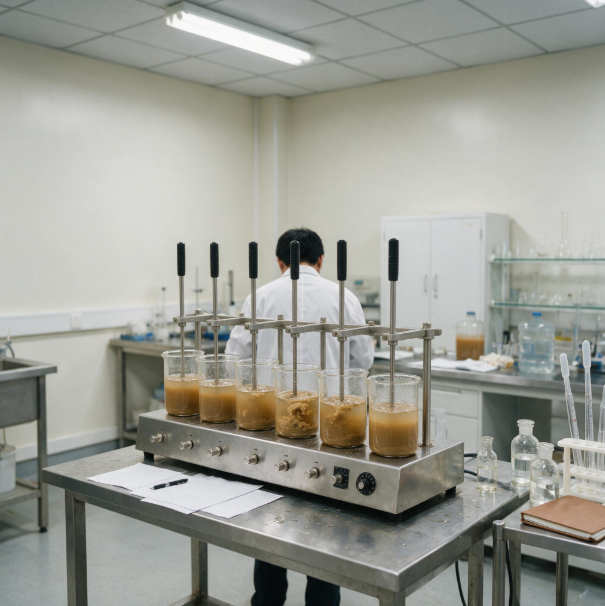
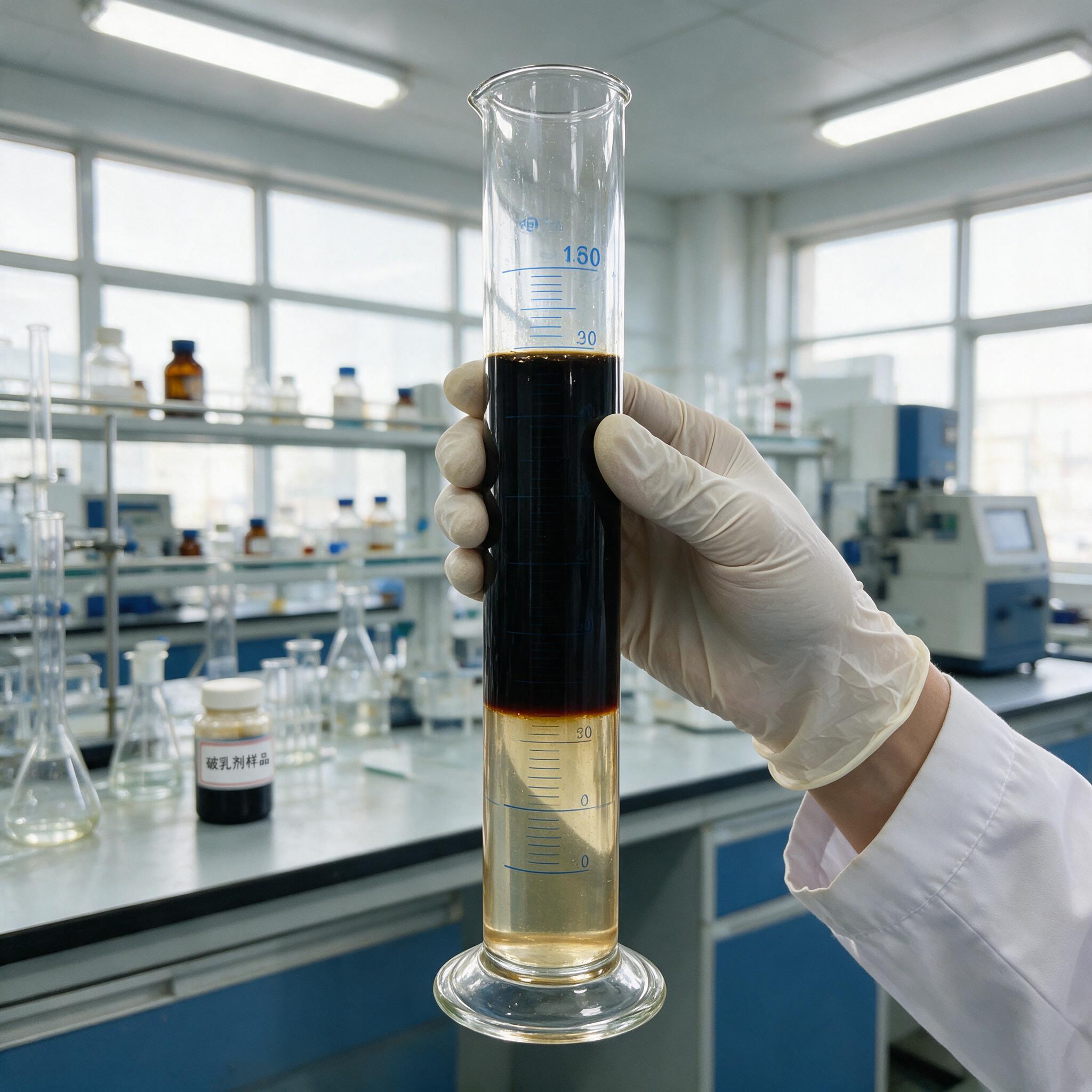
The technical efficacy of oilfield chemicals in treating drilling effluent relies on the precise manipulation of particle dynamics. Drilling wastewater is typically characterized by highly stable, negatively charged colloidal particles that resist natural settling due to their extremely small size and surface repulsion. When specific high-molecular-weight polymers are introduced, they function through a sophisticated mechanism known as inter-particle bridging. These polymers stretch out within the aqueous medium, capturing suspended particles and pulling them together into larger, more robust aggregates called flocs. This chemical transformation is far more efficient than mechanical separation alone. The choice of oilfield chemicals must be carefully calibrated to account for the unique mineralogy of the geological formations being drilled, as well as the varying salinity and temperature profiles of the wastewater. Achieving the perfect balance in charge density ensures that the settling velocity of these flocs is maximized, allowing for rapid clarification even in high-volume throughput scenarios.
Operational Advantages and the Economic Impact of Effective Treatment
Implementing advanced chemical treatment strategies offers significant operational and economic advantages for drilling contractors. In field applications, the use of tailored oilfield chemicals allows for the rapid clarification of drilling fluid, which facilitates the reuse of water directly at the drilling site. This dramatically reduces the logistics costs associated with transporting fresh water to remote locations and hauling waste away for disposal. Furthermore, improved solids removal prevents the buildup of fine material in the drilling mud system, which enhances the longevity of expensive downhole equipment and improves the rate of penetration during the drilling process. Data from field trials indicates that facilities optimizing their chemical dosage regimes can improve solids removal efficiency by over 35%, which directly correlates to a reduction in mud-related waste disposal costs. By optimizing these cycles, operators can achieve a more stable drilling environment, minimizing downtime and ensuring a more consistent operational performance.
Meeting Environmental Compliance and Sustainability Targets
As global energy markets shift toward greater transparency, the ability to demonstrate responsible water management has become a critical social license for oilfield operators. Drilling wastewater often contains trace hydrocarbons and heavy metals that must be removed before discharge or reinjection into the formation. High-performance oilfield chemicals are essential for meeting these strict effluent quality standards. By utilizing flocculants that are designed to function under varying pH conditions, operators can ensure consistent water quality, even when dealing with unpredictable subsurface inputs. Moreover, reducing the volume of waste through efficient separation allows companies to minimize the footprint of their drilling pads. This proactive approach to environmental stewardship not only mitigates the risks of legal penalties and operational shutdowns but also enhances the corporate brand equity of energy producers, positioning them as leaders in sustainable resource extraction.
Feymer: Your Technical Partner in Oilfield Chemical Innovation
For global energy operators, the reliability and consistency of the chemical supply chain are just as vital as the chemistry itself. Feymer has established an international reputation for excellence in the production of specialized oilfield chemicals, including high-performance polymers and flocculants engineered specifically for the harsh conditions of the energy industry. By leveraging decades of intensive research and a deep, fundamental understanding of subsurface and effluent chemistry, the organization ensures that every batch of material delivers the structural integrity and reactive consistency required for large-scale operations. Feymer provides comprehensive, data-driven technical support, assisting operators in analyzing the specific characteristics of their drilling fluids to develop custom-tailored formulations. With robust global supply chain capabilities and a commitment to continuous technological innovation, the organization empowers its partners to overcome the most demanding water treatment hurdles, ensuring long-term operational success and environmental compliance in even the most challenging climates.
Future Trends in Drilling Waste Management
Looking toward the future, the oil and gas sector is trending rapidly toward closed-loop systems and "zero liquid discharge" environments. This evolution requires increasingly specialized oilfield chemicals that can maintain performance despite the extreme buildup of salts, heat, and complex organic matter in the drilling fluids. Future developments in polymer science, such as stimuli-responsive chemicals and enhanced bio-based alternatives, are poised to set new, higher benchmarks for industrial efficiency. The ongoing transition to these smarter chemical solutions will be essential for energy companies aiming to lead in both productivity and environmental sustainability. By staying at the forefront of these technological advancements, and relying on high-performance products supported by industry leaders, drilling contractors will continue to balance the demanding requirements of modern high-speed extraction with the urgent global need for responsible, transparent, and sustainable industrial practices.

 EN
EN