Bridging Colloidal Challenges in Recycled Fiber Lines
As modern paper mills increasingly incorporate recovered paper and secondary fibers into their daily furnishes, operators face a surge in sticky contaminants, micro-stickies, and dissolved anionic trash. These microscopic impurities evade conventional mechanical cleaning equipment, gradually coating machine wires and press felts while severely depressing sheet formation quality. Introducing a specialized cationic polymer into the pulping and approach piping circuits neutralizes these troublesome negative charges instantly, transforming tacky colloidal suspensions into stable, manageable agglomerates. Plant engineers rely on this targeted chemical conditioning to prevent costly unscheduled downtime caused by press picking and felt plugging. Comprehensive mill production audits confirm that integrating high-performance cationic polymer treatments into recycled fiber lines cuts felt cleaning frequency by nearly 40 percent, ensuring smooth, continuous web transfer across high-speed multi-ply formers and protecting overall operating margins.
Optimizing Wet-End Drainage and Machine Productivity
The pursuit of higher machine speeds often collides with the physical limitations of water drainage on the Fourdrinier wire, where slow dewatering leads to wet webs and forces operators to dial back production targets. When fine fibers and mineral fillers clump randomly without proper chemical assistance, they form dense, impermeable layers that trap water within the sheet matrix. Applying a precisely formulated cationic polymer creates uniform, micro-flocculated structures that open up vast interstitial channels, allowing water to release rapidly under gravity and vacuum boxes. Mill supervisors utilize this advanced retention and drainage aid to accelerate water evacuation speed by up to 25 percent, enabling machines to run at maximum design velocities without risking wet-end breaks. Extensive industrial case studies demonstrate that optimized cationic polymer dosing directly translates into higher daily tonnage output and significantly reduced specific energy consumption per ton of finished paper.
Controlling Wet-End Chemistry and Sizing Efficiency
Maintaining stable wet-end chemistry remains one of the most persistent operational hurdles for papermakers striving to balance sizing agent retention, optical brightener performance, and dye uptake. Fluctuations in furnish pH, alkalinity, and conductivity frequently neutralize expensive chemical additives, leading to uneven paper properties and excessive chemical waste. Introducing a high-charge-density cationic polymer establishes a robust ionic buffer within the stock preparation system, locking sizing agents and functional chemicals securely onto the cellulose fiber surfaces. Plant operators rely on this targeted polymer stabilization to eliminate chemical overdosing and ensure uniform color distribution across specialized printing and writing grades. Comprehensive laboratory and mill-scale evaluations indicate that proper cationic polymer integration reduces sizing chemical consumption by 15 to 20 percent, delivering substantial cost savings while maintaining pristine surface specifications for demanding end-users.
Enhancing Effluent Clarification and Environmental Compliance
Environmental stewardship and strict discharge regulations compel paper mills to maintain exceptional standards in wastewater treatment, particularly when processing high-volume effluent containing residual fibers and coating pigments. Untreated mill discharge streams carry high chemical oxygen demand and heavy suspended solids loads that threaten local aquatic ecosystems and risk severe regulatory penalties. Integrating a high-molecular-weight cationic polymer into primary clarifiers and dissolved air flotation units dramatically accelerates particle aggregation, pulling fine suspended matter into dense, fast-settling flocs. Environmental engineers depend on this robust cationic polymer treatment to achieve crystal-clear clarified water that meets or exceeds regional environmental protection standards. Comprehensive plant compliance reports show that optimized polymer dosing reduces total suspended solids in final effluent by over 95 percent, transforming wastewater management from an operational liability into a reliable, environmentally sound process loop.
Feymer: Your Trusted Partner in Advanced Paper Chemicals
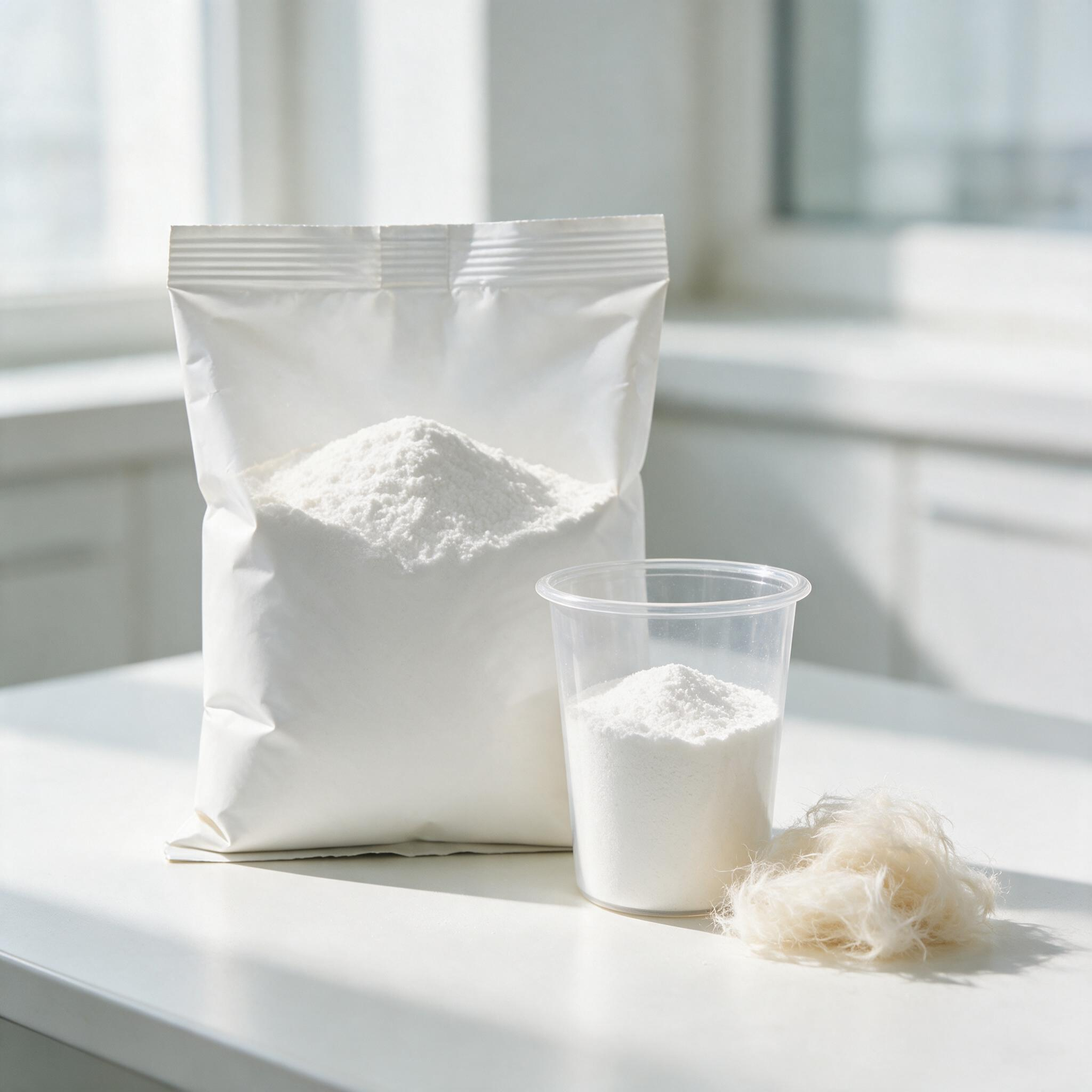
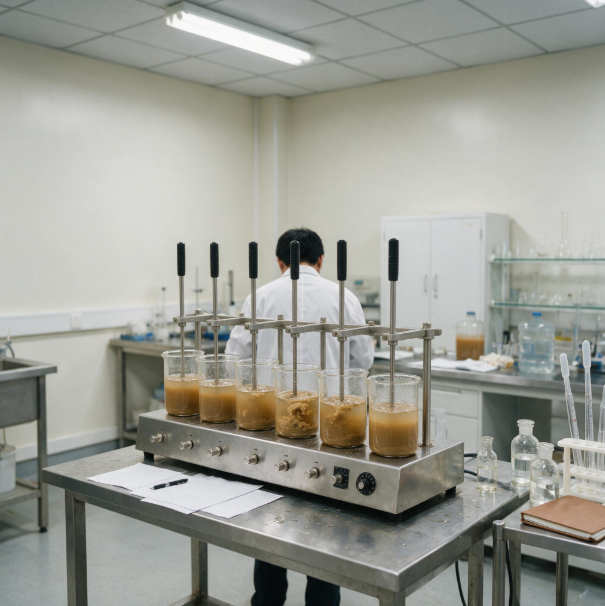
Achieving flawless execution in high-speed paper manufacturing and water management requires not only precise chemical formulations and deep technical expertise, but also a dependable manufacturing partner dedicated to uncompromising product consistency and supply chain reliability. Feymer has earned a stellar international reputation as a leading global manufacturer and technical innovator of specialized water-soluble polymers, including high-purity cationic polymer engineered specifically for demanding industrial paper mill environments. By blending decades of rigorous chemical synthesis research with advanced, automated manufacturing capabilities, the organization guarantees that every production batch of cationic polymer delivers optimal molecular weight distribution and predictable reactivity across diverse operational settings. Feymer provides comprehensive, data-driven technical support, assisting plant engineers in conducting on-site jar testing and designing customized cationic polymer dosing protocols tailored to unique mill furnish profiles. Through an extensive global distribution network and an unwavering commitment to customer success, the organization empowers paper enterprises worldwide to maximize treatment efficiency, minimize operational expenditures, and achieve ambitious corporate sustainability targets while maintaining absolute safety standards.
Embracing Autonomous Dosing and Smart Mill Management
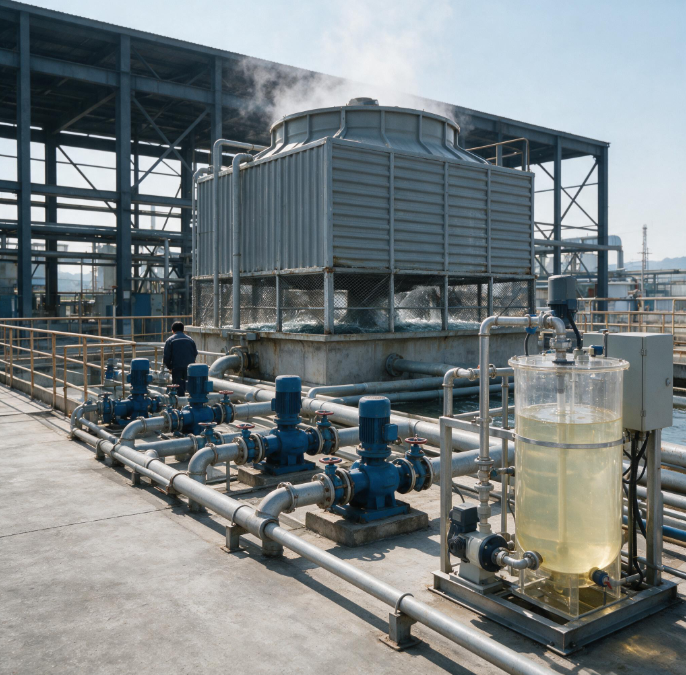
Looking toward the future, the global pulp and paper sector is undergoing a profound digital evolution driven by real-time sensor technologies, automated control loops, and artificial intelligence-driven analytics designed to optimize chemical usage. The next generation of cationic polymer applications is increasingly moving toward automated dosing systems that continuously monitor turbidity, charge demand, pH fluctuations, and flow rates in real time. These smart technological frameworks dynamically adjust cationic polymer injection rates down to the milliliter, completely eliminating human error, preventing chemical overfeeding, and maintaining peak drainage efficiency under highly variable furnish grades. By adopting these cutting-edge digital innovations and partnering with established industry leaders, modern paper mills utilizing advanced cationic polymer technology will successfully reconcile high-speed operational productivity with the critical economic and environmental imperatives of absolute water stewardship. As smart plant initiatives expand globally, the seamless integration of intelligent cationic polymer delivery mechanisms will undoubtedly redefine industry standards, securing a highly efficient, sustainable, and profitable future for paper manufacturing operations worldwide.

 EN
EN