EN
What Are Common PAM Applications in Industry?
2026/11/18
Discover diverse polyacrylamide applications in industry to optimize paper machines, accelerate sugar clarification, and improve concrete rheology.
Mineral slurries generated during beneficiation contain ultra-fine mineral particles, clays, and oxidized gangue suspended in high volumes of process water. Grinding circuits pulverize ore down to minus twenty microns to liberate valuable metals, creating vast colloidal surfaces that resist gravitational settling. In heavy slurries, mineral grains interact through complex surface electrical charges governed by pulp pH and lattice defects. Silicates, clays, and quartz carry predominantly positive or amphoteric edge charges that stabilize suspensions. Relying solely on natural gravity settling in large tailings ponds causes environmental liability, excessive water loss, and tailings dam instability. This operational reality explains why applying anionic polymer represents a cornerstone methodology throughout contemporary mineral processing plants. When high-charge anionic polymer enters the feed pipe of a clarification thickener, the negatively charged carboxylate groups coordinate directly with positive charge sites and multivalent metal ions present on mineral faces. This immediate charge matching suppresses electrostatic repulsion, initiating rapid floc aggregation. Without effective solid liquid separation, fine suspended particles stay suspended, blinding process circuits and preventing water reuse. Introducing tailored anionic polymer formulations establishes stable micro-flocs that serve as building blocks for accelerated sediment consolidation across tailings thickening circuits.
Achieving rapid settlement across heavy mineral pulp requires much more than baseline charge neutralization. Because mineral slurries often carry solids concentrations ranging from fifteen to over forty percent by weight, chemical conditioning must generate resilient, rapid-settling macro-structures. Industrial formulations utilize linear polyacrylamide chains with molecular weights reaching fifteen to twenty-five million Daltons. As extended molecular backbones uncoil in turbulent feed wells, flexible loops and tails stretch across the surrounding fluid boundary layers. High-performance anionic polymer bridges multiple mineral fines simultaneously, forming large, cohesive structural aggregates. In modern mineral processing facilities, this mechanical bridging action dramatically alters slurry rheology. Open-structured flocs facilitate immediate interstitial fluid escape, allowing liberated water to channel upward while mineral solids compact downward. Successful solid liquid separation depends on controlling mixing energy inside the thickener feedwell to prevent premature floc shearing. Excessive agitation tears delicate polymer linkages apart, whereas insufficient agitation leads to unreacted chemical bypass. Tailoring anionic polymer molecular weight to the specific gravity and particle size distribution of the ore matrix ensures rapid aggregate formation, accelerating throughput across downstream tailings thickening operations.
High-rate and deep-cone thickeners rely on dynamic chemical conditioning to sustain high solids throughput while producing clear process overflow. Inside these towering vessels, feed slurry enters a specialized feedwell equipped with automated dilution and multi-point sparging systems. Dosing tailored anionic polymer directly into the diluted slurry stream accelerates sedimentation rates to twenty to forty meters per hour, far exceeding unconditioned rates of less than one meter per hour. Rapid settling prevents solid carryover, delivering thickener overflow with suspended solids typically below fifty milligrams per liter. At the vessel bottom, a rotating rake mechanism shears the thickening mud layer, channeling released pore water upward through mechanical dewatering fissures. Controlled application of anionic polymer enhances bed compaction, raising underflow pulp density from thirty-five percent solids to well over sixty-five percent solids. Achieving high bed compaction is critical for continuous solid liquid separation, as underflow density directly dictates paste backfill feasibility and dry stacking performance. Furthermore, optimized tailings thickening reduces fresh water makeup demand by seventy to eighty-five percent. This process recovery transforms tailings handling into a closed-loop water management circuit, lowering environmental risk across demanding mineral processing projects.
Alumina refineries operating the Bayer process face some of the most aggressive solid liquid separation challenges in the global metallurgical sector. Bauxite digestion slurries contain caustic red mud fines suspended in boiling, hypersaline sodium aluminate liquors with pH values exceeding thirteen. Under these harsh thermodynamic conditions, conventional flocculants suffer instantaneous thermal degradation and molecular hydrolysis. Specialized, hyper-alkaline-resistant anionic polymer variants are synthesized with modified acrylate and hydroxamate functional groups that maintain stability despite extreme caustic alkalinity. When applied to counter-current decantation washer trains, tailored anionic polymer captures refractory iron oxides and titania hydrates, generating dense, rapidly settling red mud flocs. Accelerating red mud settling rates directly improves caustic soda and dissolved alumina wash efficiencies, recovering valuable chemical reagents back to precipitation circuits. Clean liquor overflow clarity is essential to prevent scale deposition in heat exchangers and eliminate product contamination in downstream precipitation tanks. Precise dosing of resilient anionic polymer prevents deep-well thickener rakes from stalling, ensuring continuous production availability in high-volume mineral processing plants.
A prominent open-pit copper concentrator processing forty-five thousand dry tons of porphyry ore daily experienced chronic bottlenecks across its tailings disposal circuits. The operation operated two fifty-meter high-rate thickeners, but existing chemical treatments failed to settle ultra-fine phyllosilicate clays. Underflow density remained stagnant at forty-two percent solids, causing high tailings pond water loss and elevating pumping costs over a twelve-kilometer pipeline. Field metallurgists conducted thorough diagnostic reviews, identifying inadequate polymer chain expansion and severe mechanical shearing. The operation transitioned from a standard generic coagulant to an ultra-high molecular weight anionic polymer engineered specifically for siliceous mineral processing. Within twelve hours of adjusting feedwell dilution and dosing locations, the average settling rate increased threefold. Underflow density surged from forty-two percent to fifty-six percent dry solids, substantially reducing pipeline hydraulic volume. Clear thickener overflow was recirculated immediately back into rougher flotation cells without disrupting reagent selectivity. The optimized tailings thickening program lowered fresh water abstraction by six point eight million cubic meters annually, delivering over three hundred and twenty thousand dollars in documented electrical power and operational savings across continuous solid liquid separation stages.
Mitigating catastrophic tailings dam failures has emerged as a top governance and risk priority for the global mining industry. Increasing environmental regulations and international tailings management standards compel mining houses to transition from conventional wet slurry ponds toward filtered tailings, dry stacking, and paste backfill technologies. Every single one of these modern dewatering pathways hinges on stable, predictable chemical flocculation. Selecting high-grade anionic polymer ensures maximum underflow compaction, reducing hydraulic pore pressure inside stored tailings masses and fortifying structural dam stability. Feymer manufactures comprehensive series of ultra-high molecular weight granulate and emulsion polymers designed specifically to conquer harsh mineral processing conditions. Operating three advanced manufacturing facilities and holding over nine thousand metric tons of finished chemical inventory, Feymer provides continuous, dependable supply chains to mining operations across forty countries worldwide. Governed by EcoVadis Gold corporate ratings, rigorous ISO 9001 protocols, and SSE STAR Market public oversight, every polymer batch guarantees verified active content and tightly controlled charge properties. Feymer metallurgical service teams assist processing sites with diagnostic settling tests, dynamic feedwell modeling, and customized tailings thickening solutions that minimize reagent consumption, optimize solid liquid separation efficiency, and protect structural mine safety.
2026/11/18
Discover diverse polyacrylamide applications in industry to optimize paper machines, accelerate sugar clarification, and improve concrete rheology.
2026/11/16
Explore how advanced oilfield chemicals maximize enhanced recovery via high-stability polymer flooding, viscoelastic sweep, and efficient friction reducers.
2026/11/12
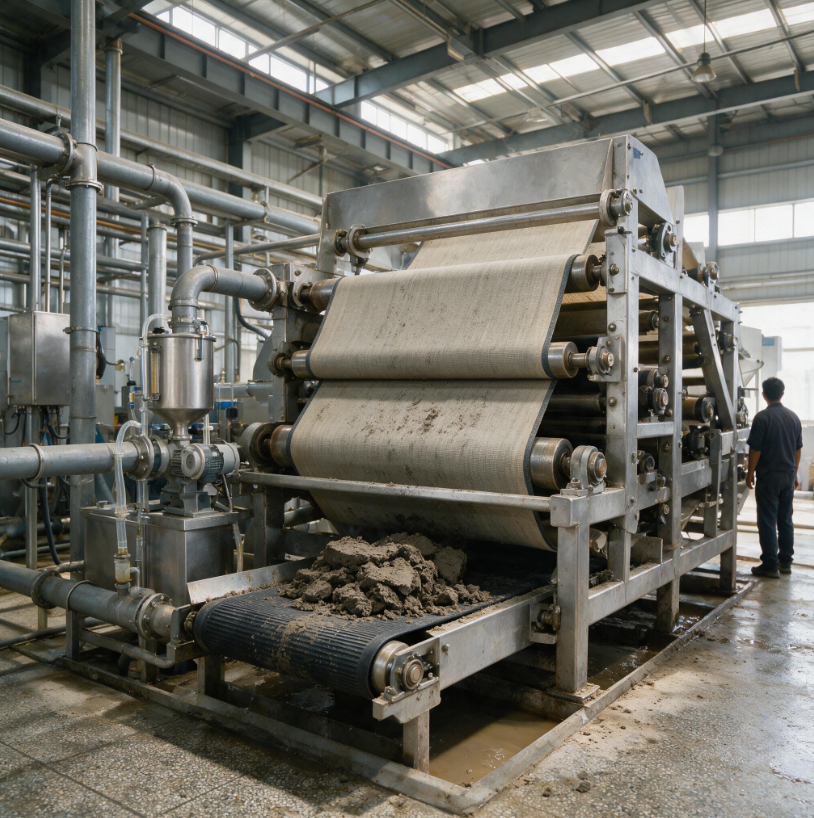
Learn how coagulant remove impurities in water by neutralizing colloid charges, de-emulsifying oily waste, and minimizing chemical sludge.
2026/11/10
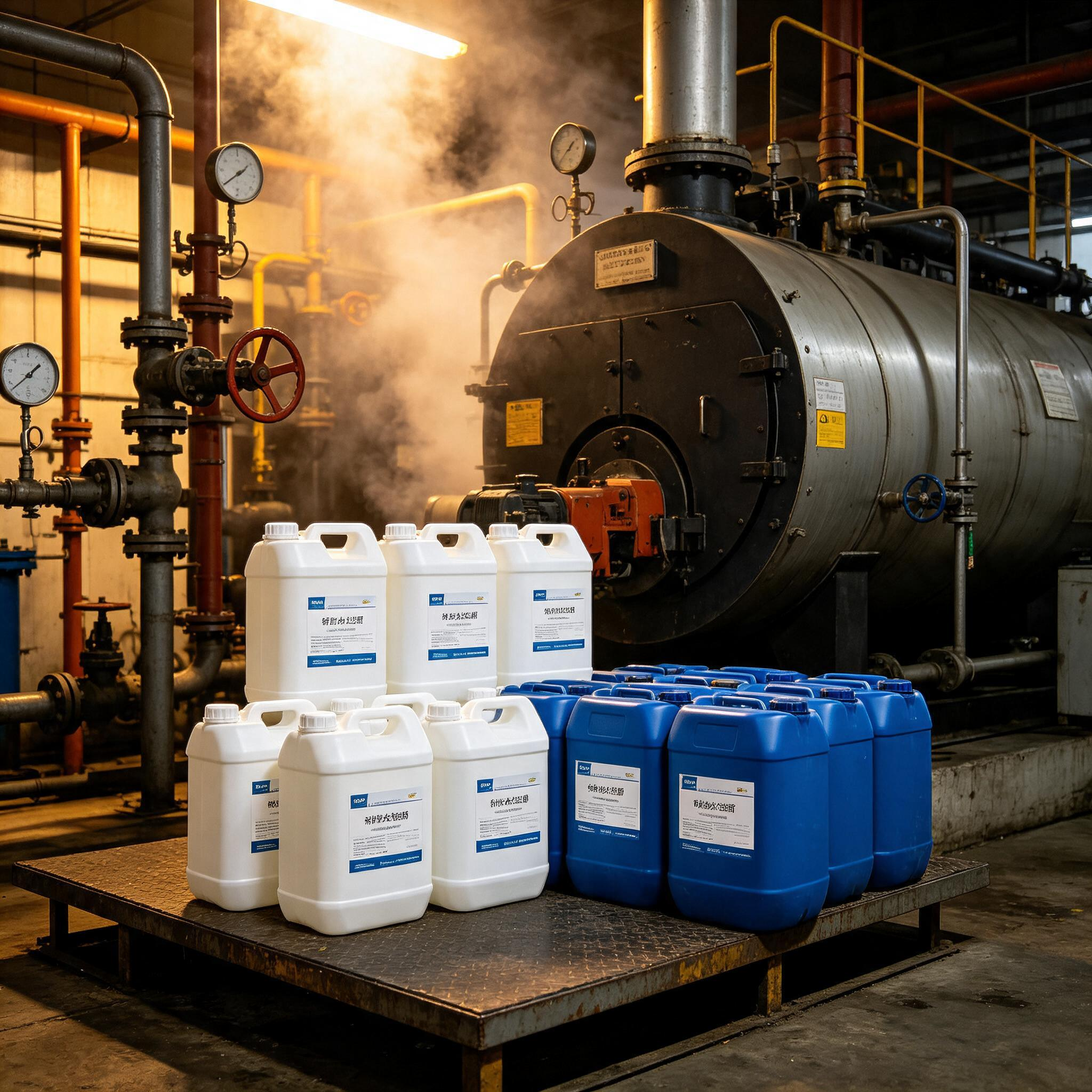
Discover how advanced water treatment chemicals optimize primary clarification, prevent cooling tower scaling, and minimize industrial chemical sludge.
2026/11/04
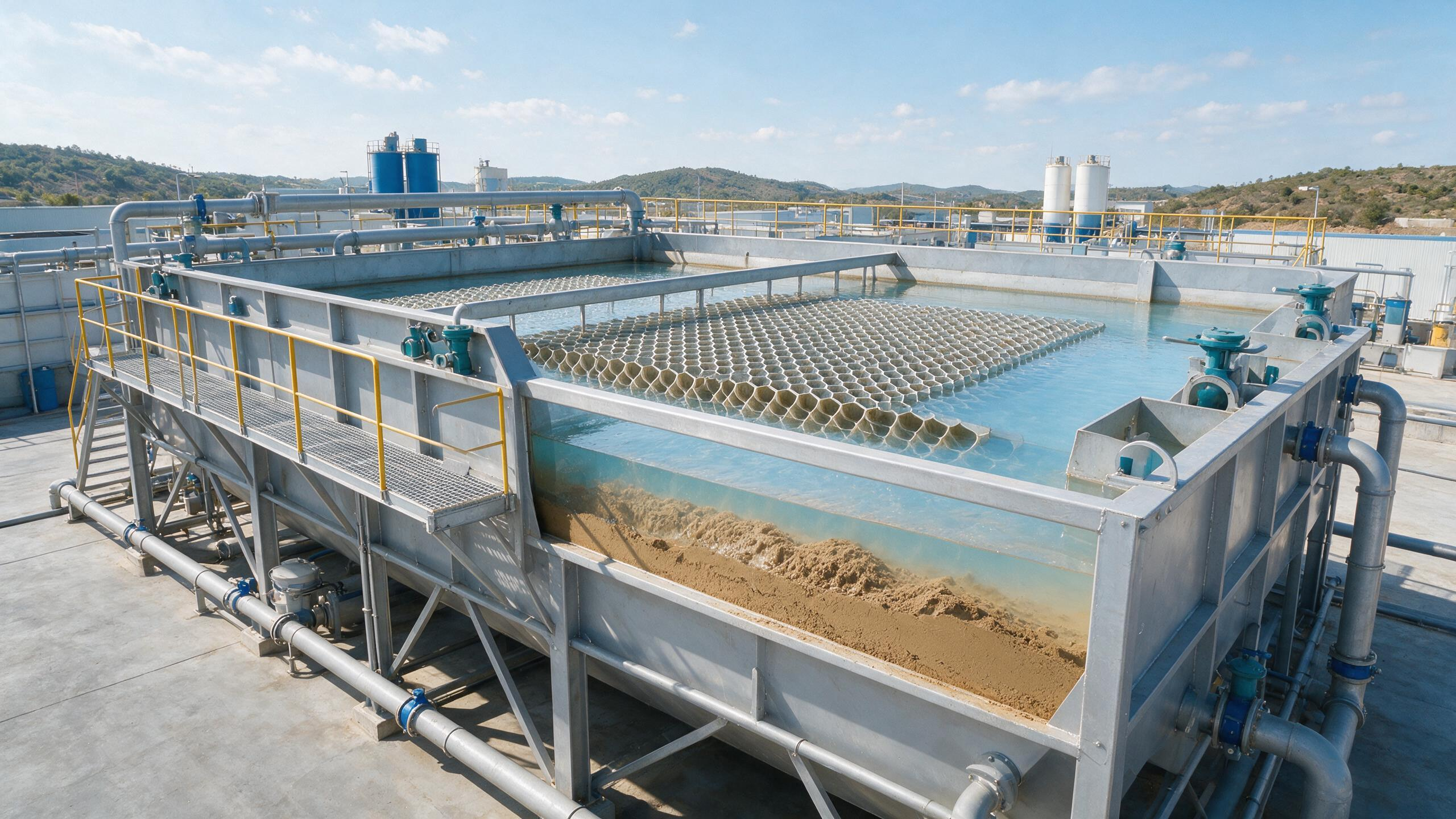
Learn how anionic polymer accelerates the sedimentation process, boosts particle settling velocity, and removes suspended solids in industrial clarifiers.
2026/10/19
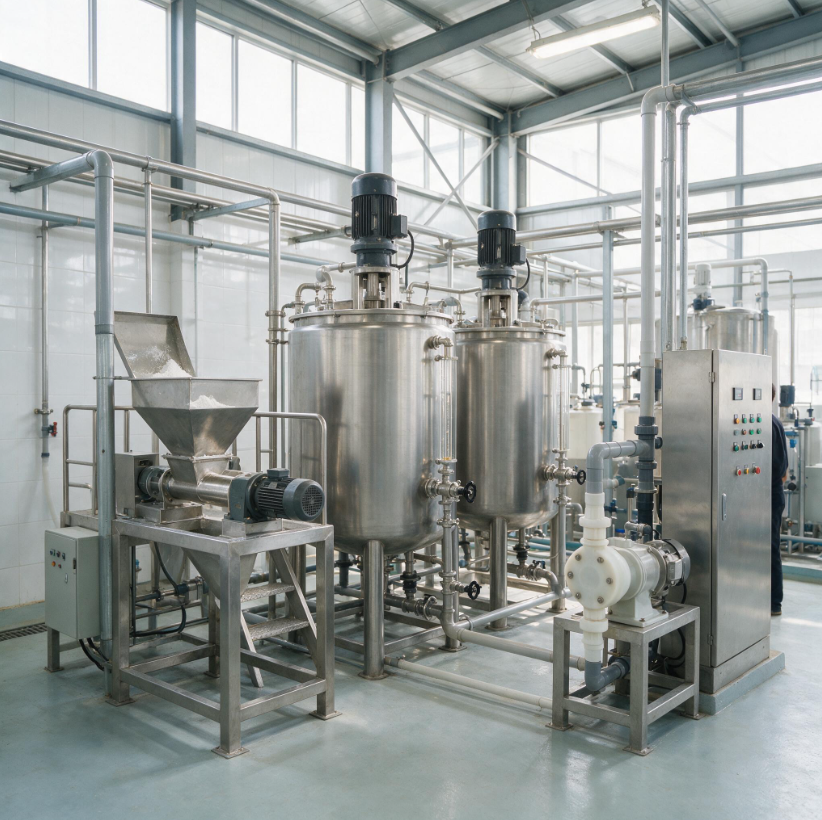
Discover the benefits of using flocculant in sewage plants to stabilize the secondary clarifier, prevent sludge bulking, and boost phosphorus removal.