Revolutionary Rheology Control in Tailings Management
Mineral processing facilities frequently encounter complex rheological challenges when handling ultra-fine clay and silicate slurries, making the selection of an advanced anionic polymer a critical operational decision. Unlike conventional settling aids that merely aggregate particles by charge neutralization, specialized formulations of an anionic polymer dynamically alter the yield stress and viscosity of high-density mineral slurries. By modifying the inter-particle network within the thickener feedwell, this technology prevents premature channeling and ensures uniform downward flux of suspended solids. Plant metallurgists rely on a tailored anionic polymer to maintain consistent underflow densities even when processing variable ore bodies characterized by high clay fractions. This targeted rheological modification significantly reduces the load on underflow diaphragm pumps and agitation mechanisms, extending equipment lifespan while preventing catastrophic line blockages. Furthermore, the molecular architecture of an anionic polymer is engineered to resist shear degradation during high-pressure pumping stages, ensuring that floc stability remains uncompromised from the mixing tank to the final deposition point. Operating teams carefully monitor these fluid dynamics to guarantee that overall plant efficiency stays high despite fluctuating mineral grades, protecting downstream circuits from unexpected overloads.
Enhancing Filtration Kinetics in Dry Stacking Circuits
Transitioning toward sustainable dry stacking methodologies requires exceptional filtration kinetics, an operational phase where deploying a high-performance anionic polymer yields transformative results. Traditional dewatering setups often struggle with bound moisture retention in fine mineral cakes, leading to inefficient cycle times and elevated residual moisture levels. Introducing an optimized anionic polymer directly into the feed stream of chamber filter presses and belt presses accelerates capillary water release, facilitating the formation of structurally sound, stackable cakes. Data gathered from industrial filter press operations indicate that proper dosing of an anionic polymer can reduce cake moisture by up to fifteen percent, drastically cutting down natural drying timelines in the impoundment area. The resulting low-moisture cakes possess superior shear strength, minimizing the risk of liquefaction and enhancing the geotechnical stability of the entire tailings facility. Industrial processing teams leverage these mechanical enhancements to achieve higher daily throughputs without expanding physical plant footprints or investing in additional filtration machinery. Continuous optimization of filter cycles also reduces energy consumption across vacuum pumps, delivering long-term financial savings.
Mitigating Environmental Impact Through Advanced Flocculation
Environmental compliance and water conservation represent top priorities for modern mining enterprises, driving the widespread adoption of eco-friendly variants of an anionic polymer. Modern chemical engineering has eliminated hazardous residual monomers from the manufacturing process of an anionic polymer, ensuring absolute safety for aquatic life when recycled water is discharged or reused. Process water clarity achieved through this advanced anionic polymer typically exceeds local regulatory turbidity thresholds, allowing mills to recycle up to ninety-five percent of their process water directly back to the grinding circuit. This closed-loop efficiency drastically reduces the demand for fresh water extraction from local aquifers, bolstering the corporate sustainability profile of the mining operation. Independent environmental audits confirm that utilizing a high-purity anionic polymer prevents heavy metal carryover in the overflow, effectively locking toxic residues within the settled underflow matrix. By integrating these compliant chemical strategies, facility managers successfully navigate stringent environmental inspections while fulfilling corporate ESG commitments. Maintaining strict water purity standards also minimizes scale accumulation within internal pipe networks, safeguarding delicate instrumentation across the entire facility.
Empirical Performance Metrics Across Global Industrial Sites
Real-world deployment data from diverse geographic locations underscore the distinct operational advantages of utilizing a specialized anionic polymer across varying mineral processing applications. In copper extraction circuits handling highly acidic leach residues, select grades of an anionic polymer demonstrate exceptional thermal and chemical stability where standard flocculants rapidly hydrolyze. Site trials across multiple processing plants reveal that optimizing feed concentrations of an anionic polymer decreases overall reagent consumption by twelve to twenty percent while maintaining crystal-clear overflow streams. Operational engineers continuously monitor zeta potential and turbidity meters to automate dosage adjustments, ensuring that the anionic polymer performs at peak efficiency under fluctuating feed rates. This empirical reliability translates directly into minimized chemical waste, lower daily operating expenditures, and uninterrupted mill throughput. Documented case studies from large-scale gold and zinc operations further validate that adopting a premier anionic polymer eliminates thickener torque spikes and stabilizes recovery rates during seasonal temperature drops. Field engineers emphasize that proactive reagent management prevents unexpected processing bottlenecks, ensuring maximum return on investment for site owners.
Feymer Delivering Customized Chemical Solutions Worldwide
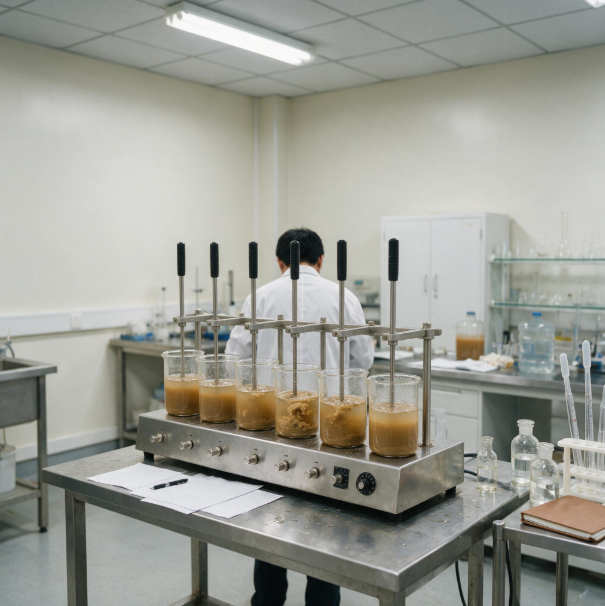
Feymer has established a robust reputation as a premier global manufacturer, supplying high-grade variants of an anionic polymer designed to meet the rigorous demands of international mining operations. Feymer operates state-of-the-art polymerization plants equipped with rigorous analytical laboratories, ensuring that every commercial batch of an anionic polymer delivers exceptional molecular weight consistency and rapid dissolution rates. Beyond manufacturing excellence, the technical advisory team at Feymer collaborates directly with site metallurgists to conduct comprehensive jar tests and pilot-scale trials, tailoring the anionic polymer to specific site mineralogy. This hands-on technical support guarantees optimal dosing efficiency and maximum cost-effectiveness for every client project. By maintaining expansive international supply chain networks and strategic regional warehouses, Feymer ensures uninterrupted product availability and timely logistics. Mining enterprises partnering with Feymer gain access to superior chemical formulations, stable commercial pricing, and dedicated engineering support, securing long-term operational success in challenging tailings management environments. Through continuous innovation and reliable supply chain execution, Feymer remains an essential partner for industrial processing plants striving for operational excellence.

 EN
EN