EN
What Are Common PAM Applications in Industry?
2026/11/18
Discover diverse polyacrylamide applications in industry to optimize paper machines, accelerate sugar clarification, and improve concrete rheology.
Modern water purification facilities frequently face persistent challenges when attempting to clarify raw industrial influent containing dense colloidal matter. Naturally occurring aquatic colloids remain stably suspended because surface electrostatic repulsion overrides gravitational settling forces. Under classic Derjaguin-Landau-Verwey-Overbeek theory, colloidal stability relies on a delicate balance between attractive London-van der Waals forces and repulsive electrical double layers. Conventional inorganic coagulants reduce this energy barrier by suppressing surface potentials, yet the resulting pin flocs settle at agonizingly slow rates. This limitation highlights why water treatment polyacrylamide serves as an essential technological advancement for high-rate clarification. While primary coagulants neutralize baseline charges, high-molecular-weight polymers induce rapid physical aggregation. Introducing water treatment polyacrylamide bridges microscopic particulates across liquid boundaries, accelerating solid liquid separation far beyond the physical thresholds achievable by inorganic coagulants alone. The overarching flocculation mechanism transforms microscopic, non-settling colloids into rapid-draining macroscopic matrices. Achieving consistent water clarification demands a two-step conditioning sequence where charge neutralization precedes macromolecular bridging. Facilities that rely exclusively on metal salts experience voluminous, water-swollen hydroxide sludges that clog clarifiers and inflate operational disposal budgets. Integrating modern synthetic polymers provides robust hydrodynamic transport properties that fundamentally accelerate clarifying throughput.
The mechanical effectiveness of synthetic water-soluble polymers depends fundamentally on molecular conformation in aqueous media. Once introduced into turbulent mixing zones, coiled polymer granules or concentrated emulsions dissolve and uncoil into elongated linear backbones spanning several hundred nanometers. When specialized water treatment polyacrylamide enters low-ionic-strength wastewater streams, active functional groups ionize, creating repulsive forces along the carbon backbone that force the polymer chain into an expansive, highly active conformation. This structural expansion facilitates both localized electrostatic interactions and steric capture. Under the charge patch flocculation mechanism, cationic or anionic functional groups bind to localized charge sites on colloidal surfaces, creating localized islands of reversed surface polarity. These alternating charged patches attract oppositely charged regions on adjacent colloidal particles, initiating rapid secondary agglomeration. Precise solid liquid separation depends on maintaining this delicate surface energy balance without overdosing the chemical conditioning system. Proper polymer chain propagation ensures that individual macromolecules encounter multiple suspended solids simultaneously rather than coiling back upon themselves. Without the extended chain architecture provided by water treatment polyacrylamide, suspended particulates remain chemically inert, resisting agglomeration and severely degrading final water clarification performance across gravity settling basins.
Once electrostatic destabilization takes place, physical polymer chain bridging emerges as the dominant physical force governing clarification. Ultra-high-molecular-weight polymer molecules possess chain lengths that extend well beyond the electrical double layer of individual wastewater particles. As these elastic filaments move through agitated liquid zones, dangling functional groups adsorb onto distinct particles simultaneously, weaving dispersed colloids into cohesive three-dimensional macro-flocs. This mechanical flocculation mechanism produces resilient, open-structured agglomerates that allow trapped water molecules to exit freely through continuous drainage channels. Accelerating solid liquid separation requires building robust floc structures that withstand moderate shear without fragmenting into non-settling colloidal debris. High-grade water treatment polyacrylamide optimizes this micro-structural architecture, dramatically lowering fluid drag around settling particulates. The resulting open structural geometry prevents hydraulic boundary layers from trapping liquid within settling aggregates. In demanding municipal and industrial clarifying clarifiers, this advanced flocculation mechanism accelerates solids compaction and prevents premature blinding in downstream polishing filters. Consequently, plant managers achieve rapid water clarification while preventing solids carryover into post-treatment filtration beds and sensitive reverse osmosis membrane modules.
Liquid-solid separation dynamics inside industrial sedimentation basins operate strictly in accordance with Stokes' Law principles. Particle settling velocity correlates directly with the square of the aggregate floc diameter while maintaining an inverse relationship with fluid shear drag. By binding thousands of microscopic pin flocs into heavy, multi-millimeter aggregates, water treatment polyacrylamide dramatically magnifies practical sedimentation rates. In typical primary clarifier configurations, unconditioned wastewater particles exhibit settling rates of less than zero point five meters per hour, requiring massive hydraulic retention basins to prevent solids carryover. Deploying an engineered solid liquid separation strategy accelerates downward settling velocities to five to twelve meters per hour. Clarifier surface loading capacities increase by two to four times without requiring capital-intensive civil expansions. Highly efficient water clarification reduces final effluent turbidity from several hundred nephelometric turbidity units down to less than three units in continuous discharge streams. Consistent chemical quality ensures predictable settling kinetics, mitigating the harmful impacts of sudden hydraulic surges and cold-weather thermal stratification. Adhering to balanced flocculation mechanism guidelines ensures continuous regulatory compliance while minimizing overall chemical inventories.
Optimizing industrial water treatment polyacrylamide programs delivers substantial commercial dividends that extend well beyond regulatory compliance. In high-volume clarification basins, voluminous, loosely packed sludge blankets occupy critical settling volume and mandate frequent blowdowns. Leveraging an advanced flocculation mechanism consolidates bottom-layer sludge blankets, increasing underflow solid concentrations from one point five percent to over four percent dry matter. Denser sludge underflow reduces hydraulic pump runtimes, cuts secondary dewatering energy usage, and relieves operational pressure on downstream mechanical filter presses. Achieving rapid solid liquid separation directly slashes inorganic coagulant consumption by thirty to fifty percent, substantially mitigating dangerous sulfate and chloride accumulation in reclaimed process streams. Less inorganic salt addition directly translates to lower chemical sludge generation, yielding massive reductions in hazardous transportation and landfill surcharges. Stable water clarification protects sensitive equipment components, including dissolved air flotation nozzles, transfer pumps, and cooling loop heat exchangers, against premature particulate erosion. Process water recycling rates climb significantly, transforming effluent compliance into measurable operational profitability for energy-intensive manufacturing operations.
Consistently achieving optimal water clarification across fluctuating wastewater conditions requires dependable polymer chemistry backed by rigorous quality assurance. Thermal fluctuations, seasonal temperature shifts, and volatile inlet loading require flocculants with exceptionally stable molecular weight profiles, tight hydrolysis tolerances, and predictable dissolution properties. Feymer synthesizes high-performance water treatment polyacrylamide variants designed specifically for complex environmental engineering challenges. Operating three specialized chemical production sites and maintaining an extensive reserve inventory exceeding nine thousand metric tons, Feymer guarantees seamless chemical supply chains across global industrial hubs. Operating under strict EcoVadis Gold corporate standards and international ISO certifications, every manufactured batch delivers certified purity, minimal unreacted monomer residues, and consistent solid liquid separation performance. Industrial facilities partnering with Feymer gain access to comprehensive technical evaluations, customized jar-testing diagnostics, and stable international delivery pipelines that enhance ongoing water clarification operations and maximize operational return on investment.
2026/11/18
Discover diverse polyacrylamide applications in industry to optimize paper machines, accelerate sugar clarification, and improve concrete rheology.
2026/11/16
Explore how advanced oilfield chemicals maximize enhanced recovery via high-stability polymer flooding, viscoelastic sweep, and efficient friction reducers.
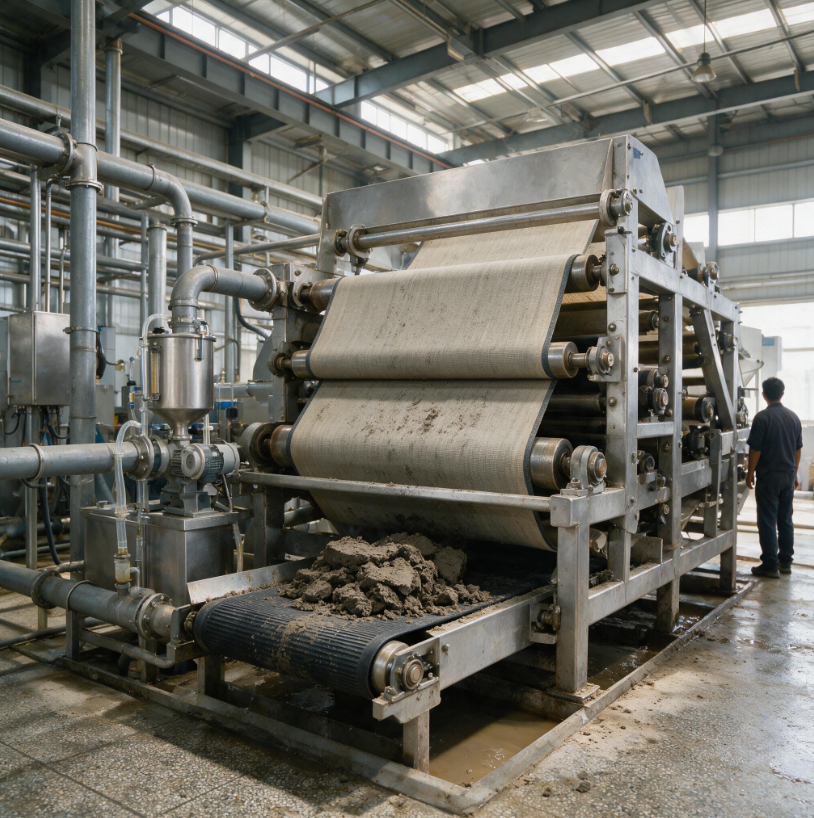
2026/11/12
Learn how coagulant remove impurities in water by neutralizing colloid charges, de-emulsifying oily waste, and minimizing chemical sludge.
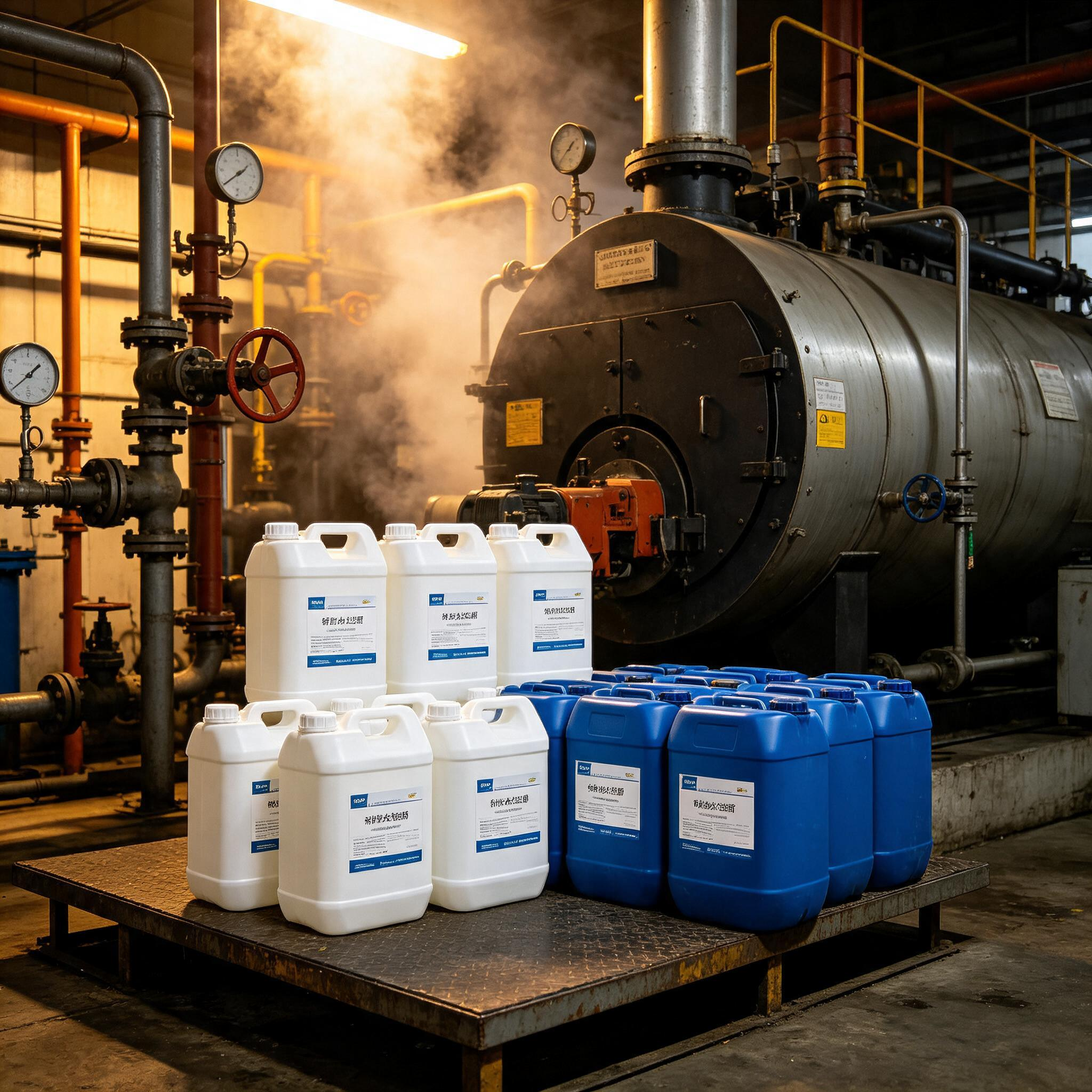
2026/11/10
Discover how advanced water treatment chemicals optimize primary clarification, prevent cooling tower scaling, and minimize industrial chemical sludge.
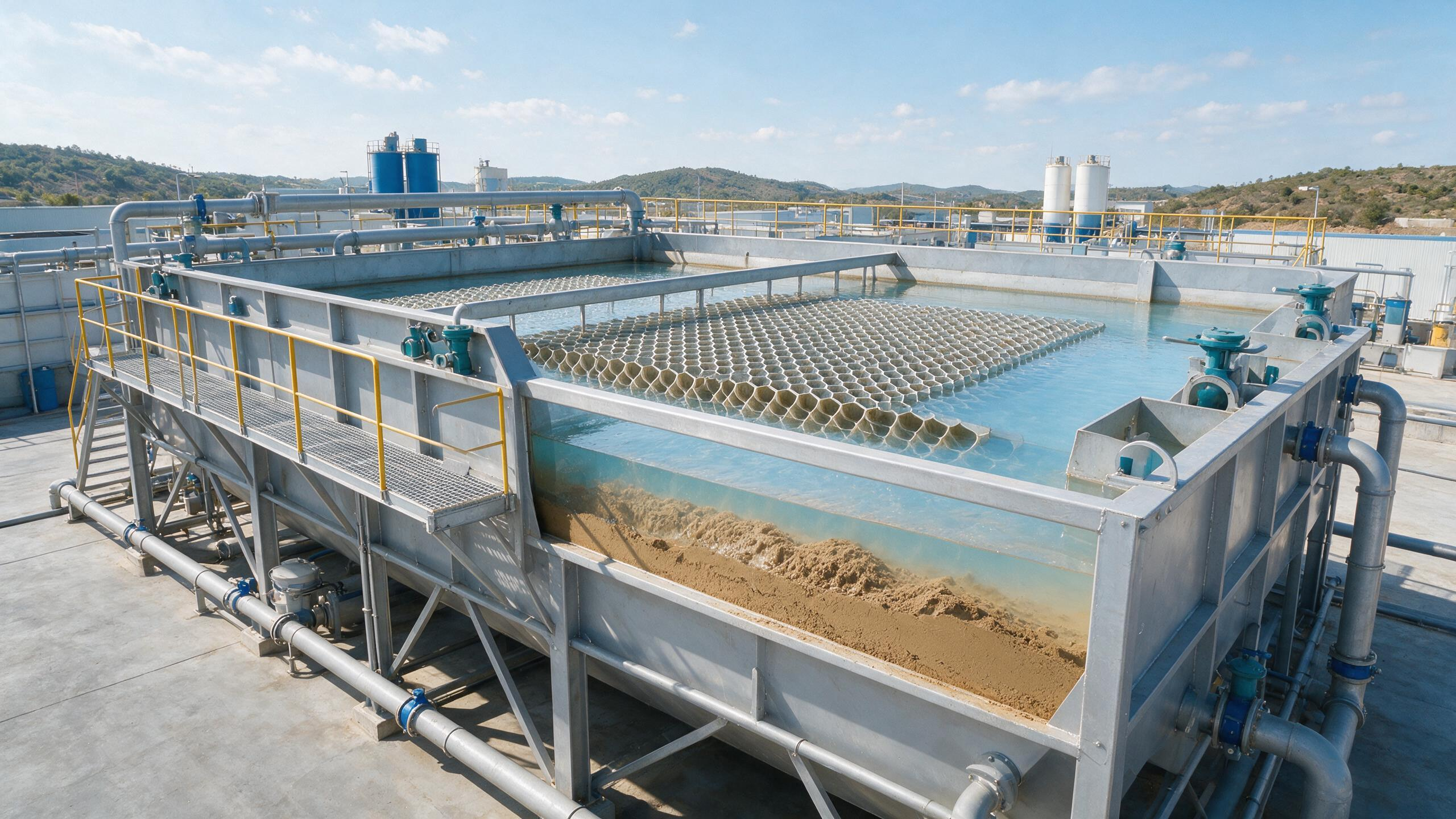
2026/11/04
Learn how anionic polymer accelerates the sedimentation process, boosts particle settling velocity, and removes suspended solids in industrial clarifiers.
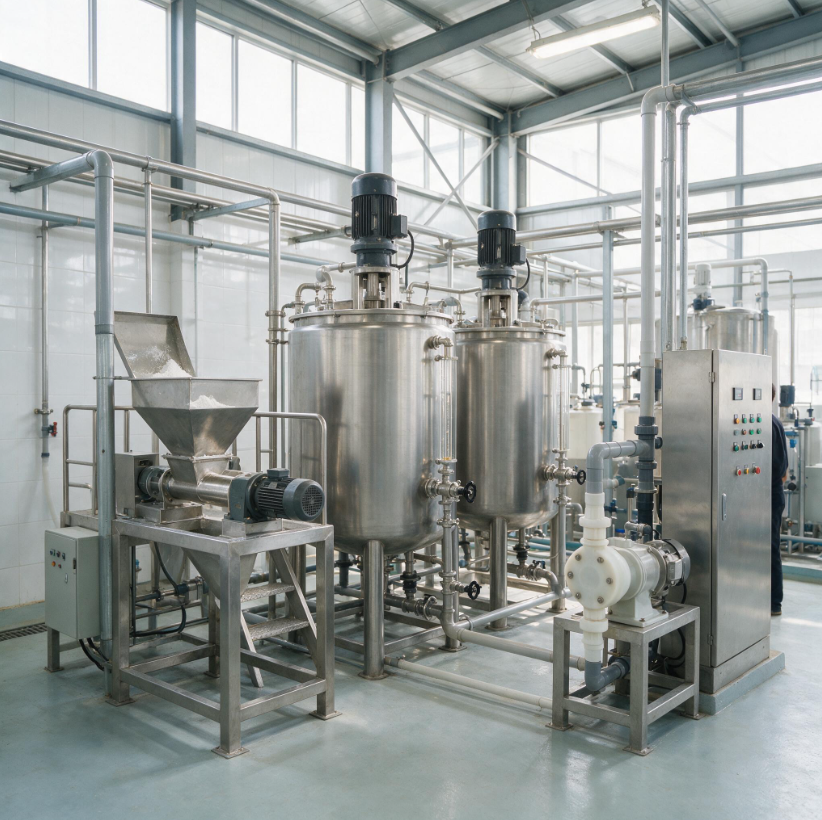
2026/10/19
Discover the benefits of using flocculant in sewage plants to stabilize the secondary clarifier, prevent sludge bulking, and boost phosphorus removal.