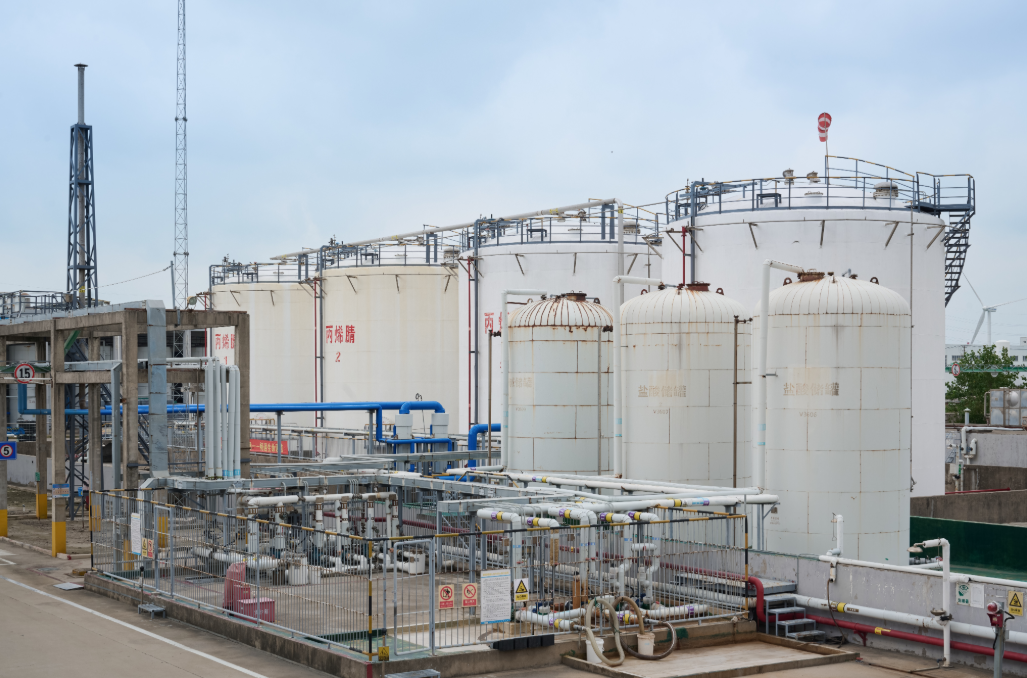
Understanding Downhole Challenges and the Significance of Chemical Selection
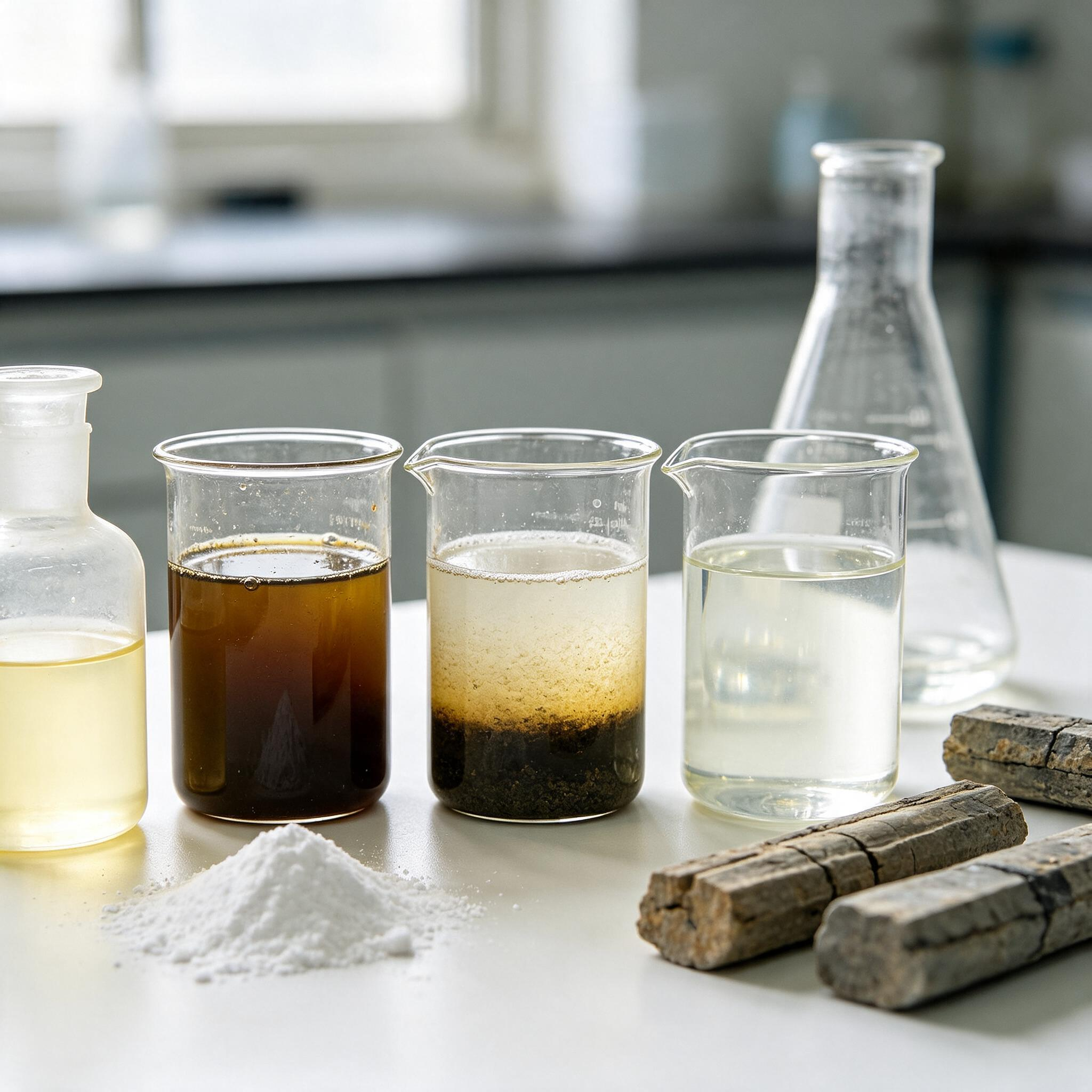
Selecting the right oilfield chemicals for oil and gas wells is one of the most critical operational decisions engineers face during drilling, completion, and production phases. Downhole environments are notoriously hostile, characterized by extreme temperatures, high pressures, corrosive gases like hydrogen sulfide, and complex formation mineralogy that can easily compromise equipment integrity. When engineers evaluate oilfield chemicals for deep wells, they must prioritize thermal stability and compatibility with native formation brine. Field experience demonstrates that choosing substandard additives often leads to catastrophic formation damage, severe scaling, pipe sticking, and premature well abandonment, making rigorous laboratory screening of oilfield chemicals an absolute operational necessity.
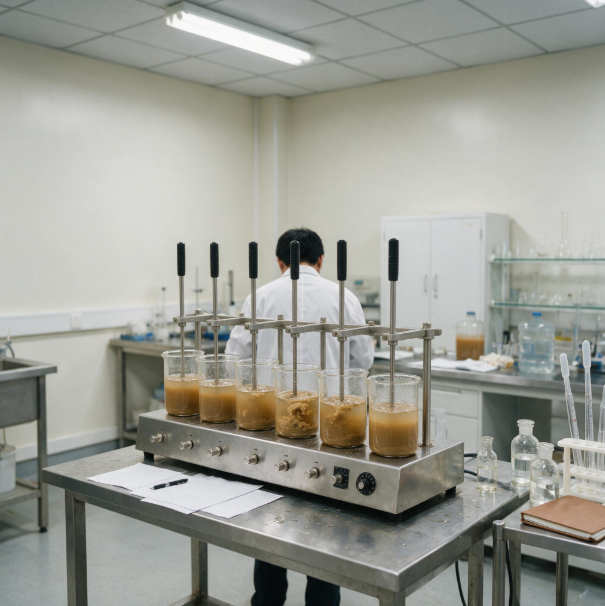
Petroleum engineering experts and industry consultants frequently emphasize that a successful selection protocol for oilfield chemicals begins with comprehensive laboratory testing and thorough formation fluid analysis. When drilling through reactive shales or deploying enhanced oil recovery techniques, standard off-the-shelf formulas rarely deliver optimal results. Field data indicates that tailoring oilfield chemicals to match specific reservoir temperature gradients and salinity profiles prevents detrimental fluid-rock interactions. By establishing robust screening procedures early in the planning stage, project managers using advanced oilfield chemicals can mitigate formation damage, enhance wellbore stability, and secure long-term operational profitability.
Evaluating Performance Criteria Across Drilling and Completion Operations
The operational success of drilling and completion activities relies heavily on the performance and stability of specialized drilling fluids formulated with high-grade oilfield chemicals. During the initial drilling phase, oilfield chemicals must provide adequate rheological control, effective cuttings suspension, and superior lubricity to reduce torque and drag in extended-reach wellbores. Furthermore, specialized oilfield chemicals functioning as fluid loss additives must form a thin, impermeable filter cake across permeable formations to prevent excessive filtrate invasion and subsequent clay swelling. Field supervisors note that failure to maintain proper mud properties with certified oilfield chemicals frequently results in differential sticking and costly non-productive time.
As operations transition into the completion and cementing stages, requirements shift toward zonal isolation and wellbore cleaning efficiency driven by effective oilfield chemicals. High-performance clay stabilizers and viscosifiers ensure that wellbore fluids remain stable under extreme thermal stress. Industry benchmarks and technical audits reveal that optimizing oilfield chemicals significantly decreases formation skin damage, leading to higher initial production rates. Engineers must balance ecological safety regulations with functional requirements, selecting eco-friendly oilfield chemicals that comply with regional discharge mandates without sacrificing downhole performance.
Optimizing Production Enhancement and Flow Assurance Strategies
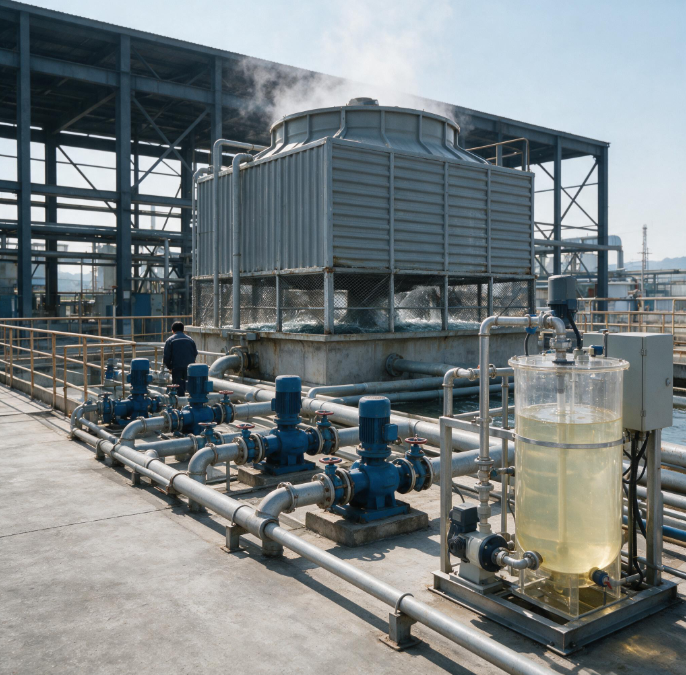
Once a well transitions from completion to active production, the focus shifts toward sustaining hydrocarbon flow and protecting infrastructure using dedicated oilfield chemicals. Production chemicals such as demulsifiers, paraffin inhibitors, scale dissolvers, and corrosion inhibitors play an indispensable role in flow assurance. Without targeted treatments utilizing specialized oilfield chemicals, mineral scales like calcium sulfate can rapidly precipitate inside production tubing, choking off oil and gas flow within weeks. Therefore, integrating reliable oilfield chemicals into continuous injection programs is vital for maintaining production efficiency.
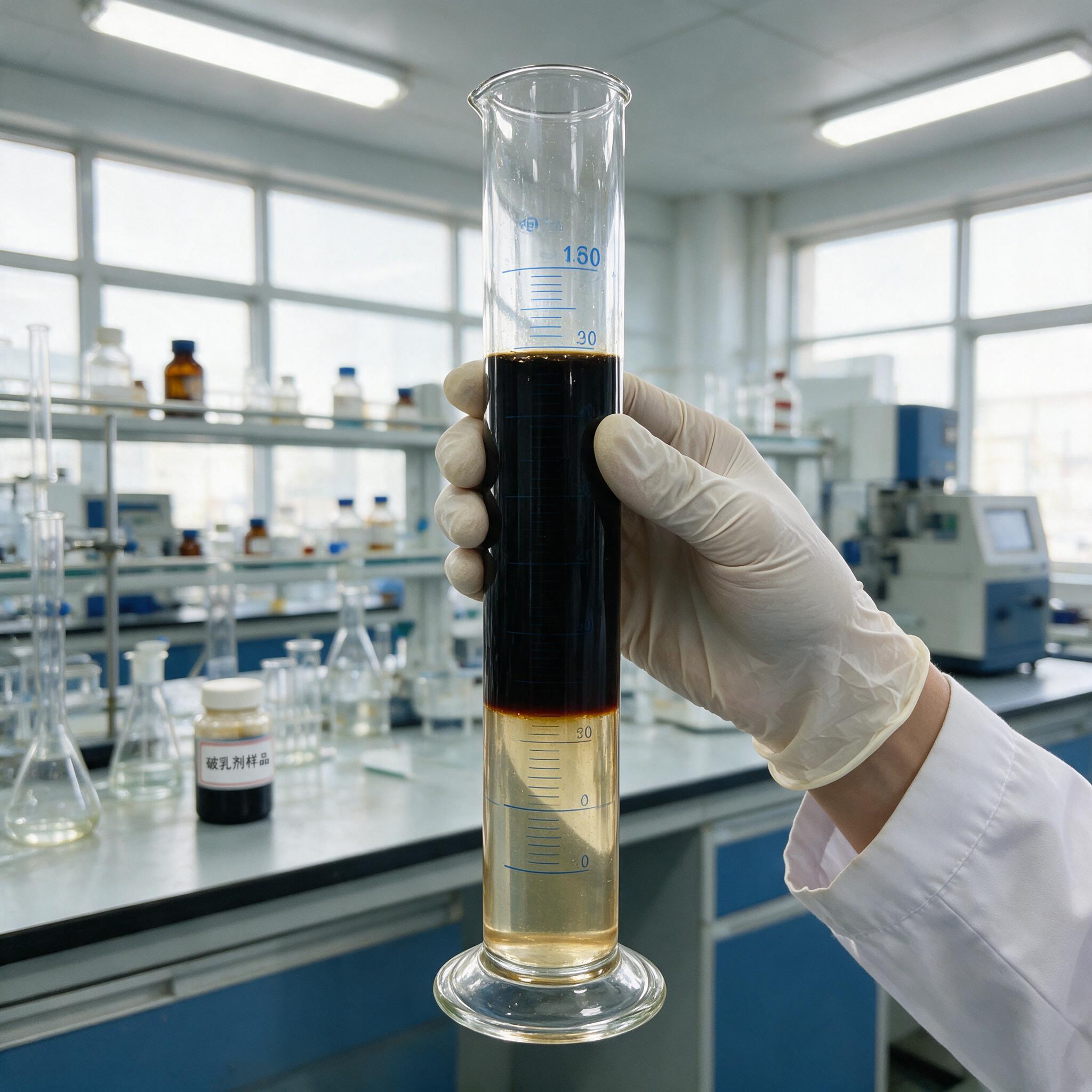
Case studies from mature offshore and onshore fields show that implementing proactive batch treatments of advanced oilfield chemicals extends equipment lifespan by up to 40% and prevents costly workover interventions. Laboratory evaluations and field trials confirm that matching inhibitor chemistry derived from standard oilfield chemicals to specific brine compositions prevents scale crystal growth and mitigates sweet and sour corrosion effectively. Production engineers rely on precise dosage optimization of oilfield chemicals to prevent emulsion stabilization and ensure clean oil-water separation at processing facilities.
Balancing Total Cost of Ownership and Economic Feasibility
While technical efficacy remains paramount, facility directors and procurement managers evaluate oilfield chemicals procurement programs through a strict economic lens. Sourcing cheap oilfield chemicals often creates a false economy, as inferior products require higher dosage rates, fail under high-temperature conditions, and trigger expensive equipment failures. A comprehensive total cost of ownership analysis consistently shows that high-quality, specialized oilfield chemicals deliver superior long-term financial returns by reducing failure rates, minimizing chemical consumption, and optimizing logistics overhead across large-scale energy projects.
Empirical data from major asset operators indicate that partnering with reliable, vertically integrated manufacturers of oilfield chemicals streamlines supply chain logistics and reduces unit procurement costs. Furthermore, technical support services provided by experienced suppliers help operational teams troubleshoot unexpected downhole upsets quickly when utilizing complex oilfield chemicals. Collaborating with trusted industry partners like Feymer ensures that operators receive tailored oilfield chemicals formulations, rigorous quality assurance, and dependable global delivery that protects capital investments across demanding energy markets.
Future Trends and Sustainable Chemical Innovations in Petroleum Engineering
The global energy landscape is undergoing a profound transformation, with environmental stewardship and stringent regulatory frameworks driving the development of green oilfield chemicals. Modern petroleum engineering practices increasingly demand biodegradable, non-toxic oilfield chemicals that minimize ecological footprints during offshore and sensitive onshore drilling campaigns. Research and development teams focus on creating advanced polymers and surfactants categorized as eco-friendly oilfield chemicals that perform exceptionally well under extreme conditions while meeting strict environmental compliance standards.
Industry leaders and environmental consultants agree that adopting sustainable oilfield chemicals technologies is essential for future-proofing oil and gas operations. Feymer leverages state-of-the-art research laboratories, advanced manufacturing capabilities, and robust global supply chains to deliver cutting-edge oilfield chemicals worldwide. By combining superior product performance with ecological responsibility, Feymer empowers global energy partners to utilize advanced oilfield chemicals for optimal well productivity, lower operating expenditures, and uncompromising environmental compliance.

 EN
EN