EN
What Are Common PAM Applications in Industry?
2026/11/18
Discover diverse polyacrylamide applications in industry to optimize paper machines, accelerate sugar clarification, and improve concrete rheology.
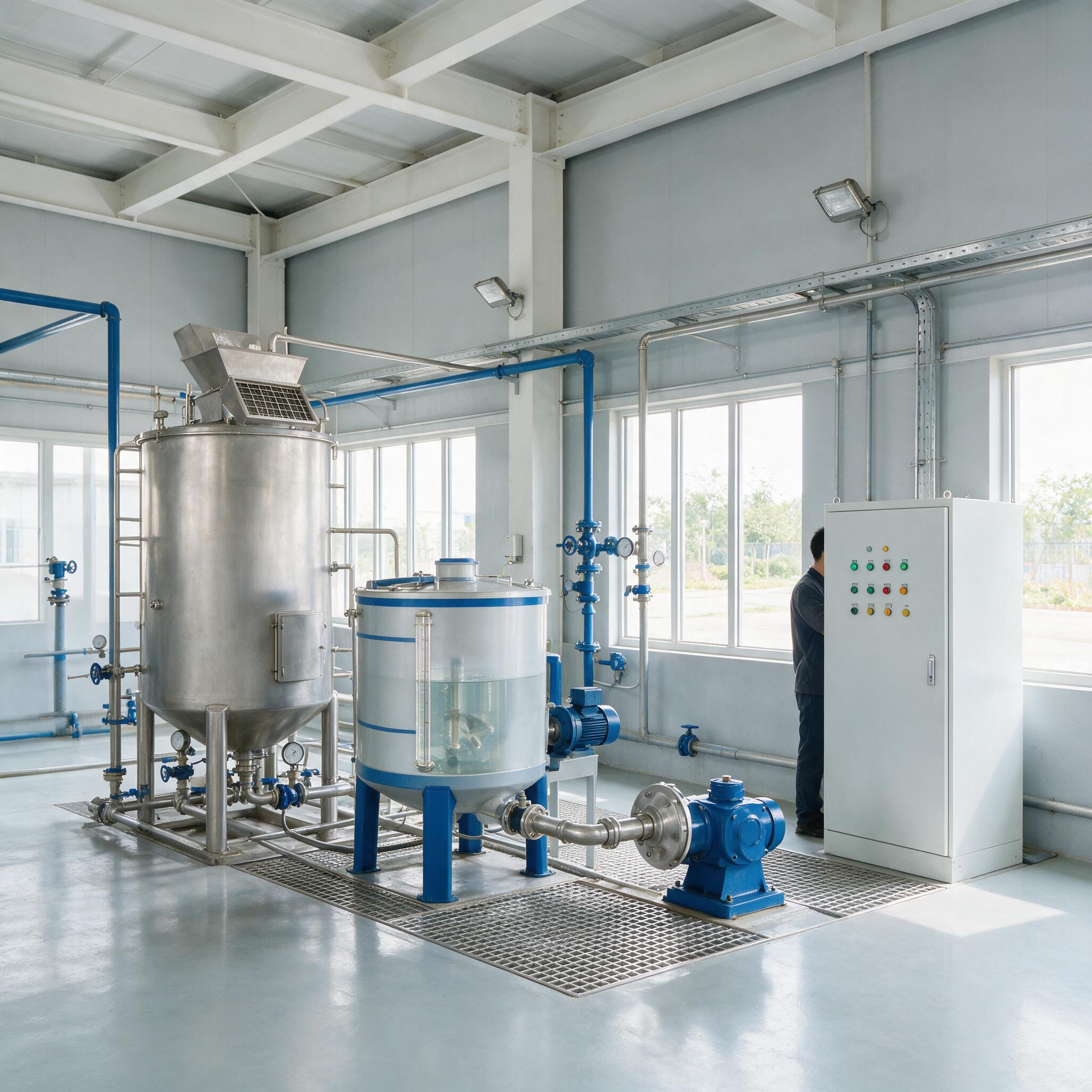
Successful chemical conditioning in manufacturing effluent plants begins with a thorough analytical breakdown of raw influent water matrices. Industrial effluents rarely present consistent physical conditions; instead, they fluctuate rapidly across chemical oxygen demand, dissolved solids, and surface electrical charge. Selecting the right polymer requires measuring the baseline zeta potential of suspended particulates across representative manufacturing cycles. Anionic polyacrylamide grades, typically featuring carboxylate functional groups with five to forty mole percent charge density, prove ideal for inorganic mineral suspensions, metallurgical rinse streams, and electroplating wash waters where suspended solids carry positive electrical charges. Conversely, organic-heavy streams derived from food processing, pharmaceutical fermentations, and paper mills demand cationic polymers featuring quaternary ammonium groups to counter dominant negative charges. In highly complex chemical streams, attempting industrial wastewater treatment without characterizing the wastewater matrix leads to severe chemical overdosing and process destabilization. Accurate polyacrylamide selection prevents plant operators from fighting constant settling failures. Furthermore, assessing pH extremes is vital, as non-ionic formulations often outperform ionic variants in strongly acidic pickling operations or high-alkaline textile mercerizing wash lines where extreme pH environments collapse conventional polymer charge structures.
Optimizing chemical performance requires establishing a balanced relationship between polymer chain length and active electrical charge. Molecular weight determines the physical reach of the polymer backbone, while flocculant charge density governs the speed and intensity of initial electrostatic attraction. In high-shear clarification setups such as horizontal decanter centrifuges, selecting an ultra-high molecular weight variant exceeding twenty million Daltons can cause chain snapping and excess filtrate viscosity. Conversely, low-shear gravity thickeners and dissolved air flotation tanks benefit immensely from long-chain architectures that aggregate light flocs rapidly without causing blinding. Proper polyacrylamide selection involves tuning the molecular weight to the hydrodynamic shear of specific process machinery. When processing dense inorganic fines, a high-molecular-weight anionic polymer with low to medium charge provides rapid bridging without creating gel blocking across filter media. For biological and tertiary effluents, adjusting the flocculant charge density between twenty and forty-five percent cationic strength achieves optimal charge neutralization. A miscalculated formulation degrades the sludge sedimentation rate and leaves residual uncoiled polymer in circulation. Balancing these molecular variables protects downstream membrane systems and maximizes throughput across complex industrial wastewater treatment facilities.
Translating theoretical polymer chemistry into reliable plant performance requires structured laboratory jar-testing protocols. Field engineers evaluate candidate formulations using standard six-paddle program testers that simulate dynamic hydraulic mixing zones. The standardized testing sequence begins with rapid mixing at two hundred revolutions per minute for thirty seconds to disperse the flocculant uniformly, followed by gentle flocculation at forty revolutions per minute for two to three minutes to promote macro-floc growth without inducing mechanical shear. During these evaluations, technicians document the sludge sedimentation rate inside graduated cylinders, recording settling interface positions every thirty seconds. Rigorous polyacrylamide selection relies on quantitative settling velocity, supernatant optical clarity, and thirty-minute settled sludge volume measurements. Evaluating the resulting floc size and shear resistance reveals whether a particular flocculant charge density matches the effluent stream. Injecting improperly prepared polymer solutions creates fish-eyes and undissolved gel particles, which blind feeding pumps and waste expensive chemical inventory. Systematically auditing laboratory settling curves allows process engineers to select formulations that lower overall chemical consumption while consistently delivering superior performance across municipal and industrial wastewater treatment infrastructure.
Harsh environmental conditions and challenging water chemistries test the practical limits of conventional water conditioning programs. In northern climates, winter wastewater temperatures frequently drop below five degrees Celsius, increasing liquid viscosity and retarding polymer dissolution kinetics. Standard polymers experience reduced chain mobility in cold water, requiring extended aging times and higher mechanical energy to achieve full macromolecular expansion. Proper polyacrylamide selection for cold-weather operations favors rapidly dissolving micro-emulsions or specialized granulates engineered with modified dissolution promoters. Similarly, hypersaline effluent streams exceeding twenty thousand milligrams per liter of total dissolved solids introduce high ionic strength that compresses the polymer double layer. Under heavy electrolyte loads, functional groups become shielded by monovalent and divalent salt ions, causing expanded polymer chains to coil tightly into inactive spheres. Countering ionic shielding requires selecting polymers with elevated flocculant charge density to maintain electrostatic activity amidst dissolved mineral ions. Adapting the chemical matrix restores the sludge sedimentation rate and prevents solids carryover in demanding industrial wastewater treatment environments.
Real-world field trials highlight the measurable commercial savings unlocked by structured polymer optimization programs. A major textile dyeing and finishing facility processing five thousand cubic meters of wastewater daily suffered from chronic clarification failures. The plant utilized an outdated, off-the-shelf anionic polymer that failed to destabilize complex azo dye compounds and surfactant residues, resulting in high chemical costs and elevated effluent color. Independent technical specialists conducted a comprehensive audit of the plant, establishing that the colloidal solids possessed variable amphoteric charges that required precise polyacrylamide selection. Engineers replaced the existing chemical setup with a specialized medium-charge, structured cationic copolymer matched to the plant's unique wastewater matrix. Within twenty-four hours of implementation, the sludge sedimentation rate accelerated by two point eight times, allowing clarifiers to process maximum dyeing hydraulic surges without solids overflow. Optimized chemical usage lowered active flocculant consumption from eight point five parts per million down to four point nine parts per million, delivering a forty-two percent reduction in direct chemical spend. The facility achieved verified annual chemical savings exceeding one hundred and eighty-five thousand dollars, while superior dewatering performance cut final sludge cake volume across its industrial wastewater treatment operations.
Navigating complex chemical selection demands close collaboration with an established polymer synthesis manufacturer that combines customized molecular engineering with reliable industrial-scale production. Manufacturing facilities face severe operational risks when relying on trading intermediaries that lack technical oversight or cannot guarantee raw material batch consistency. Feymer synthesizes a comprehensive spectrum of specialized polyacrylamide polymers tailored for rigorous industrial wastewater treatment requirements. Managing three state-of-the-art chemical manufacturing bases and housing more than nine thousand metric tons of accessible global warehouse inventory, Feymer guarantees dependable product delivery to partners across forty nations worldwide. Guided by EcoVadis Gold corporate ratings, rigorous ISO 9001 standards, and SSE STAR Market listing governance, Feymer delivers high-purity polymers featuring verified molecular weights and tightly controlled charge densities. In-house analytical laboratories assist global clients with advanced jar-testing, rheological evaluations, and on-site polyacrylamide selection support. Leveraging Feymer advanced polymer chemistry ensures that heavy industrial plants achieve regulatory discharge compliance, maximize process water recycling, and capture substantial operating efficiencies across their effluent clarification programs.
2026/11/18
Discover diverse polyacrylamide applications in industry to optimize paper machines, accelerate sugar clarification, and improve concrete rheology.
2026/11/16
Explore how advanced oilfield chemicals maximize enhanced recovery via high-stability polymer flooding, viscoelastic sweep, and efficient friction reducers.
2026/11/12
Learn how coagulant remove impurities in water by neutralizing colloid charges, de-emulsifying oily waste, and minimizing chemical sludge.
2026/11/10
Discover how advanced water treatment chemicals optimize primary clarification, prevent cooling tower scaling, and minimize industrial chemical sludge.
2026/11/04
Learn how anionic polymer accelerates the sedimentation process, boosts particle settling velocity, and removes suspended solids in industrial clarifiers.
2026/10/19
Discover the benefits of using flocculant in sewage plants to stabilize the secondary clarifier, prevent sludge bulking, and boost phosphorus removal.