Comprehensive Overview of Paper Processing Aids in Modern Industrial Mills
Paper production facilities worldwide face ongoing challenges to optimize output while minimizing operational expenses and chemical consumption. The pursuit of superior operational efficiency remains a top priority for plant managers who must balance resource conservation with high-volume output. In this demanding industrial environment, specialized paper processing aids have become indispensable chemical assets, transforming how mills manage wet end dynamics, improve sheet formation, and enhance final product quality. By optimizing fiber interactions and fluid dynamics, these paper processing aids ensure that paper machines run smoothly with minimal web breaks and reduced energy consumption. As modern mills transition toward smarter automation, incorporating advanced chemical inputs is essential for long-term commercial success and sustainable manufacturing practices. The systematic deployment of paper processing aids allows facility operators to fine-tune production variables in real-time, securing a competitive edge in today's demanding global markets while maintaining strict environmental standards, consistent quality control protocols, and high safety compliance across all facility sectors.
Optimizing Wet End Chemistry for Superior Sheet Formation and Retention
At the core of efficient paper manufacturing lies the complex science of wet end chemistry. Maintaining stability in wet end chemistry directly impacts everything from machine speed to final paper bulk and opacity. When mills utilize high-performance paper processing aids, they can effectively control charge balances, minimize dissolved and colloidal substances, and prevent deposition issues on machine clothing. This precise management of wet end chemistry ensures that fine fibers and mineral fillers are locked uniformly into the fiber network rather than lost to white water systems. Operators frequently notice that stable wet end parameters lead to fewer drainage issues, reduced chemical oxygen demand in wastewater, and an overall improvement in day-to-day machine runability. Advanced monitoring of wet end chemistry also allows technical teams to adjust chemical dosing dynamically, ensuring consistent paper properties despite variations in raw pulp quality, changing water temperatures, and seasonal furnish adjustments. Field studies indicate that precise wet-end control reduces fiber loss by up to twenty-two percent across standard packaging grades.
Maximizing Retention and Drainage Aids Performance in High Speed Machines
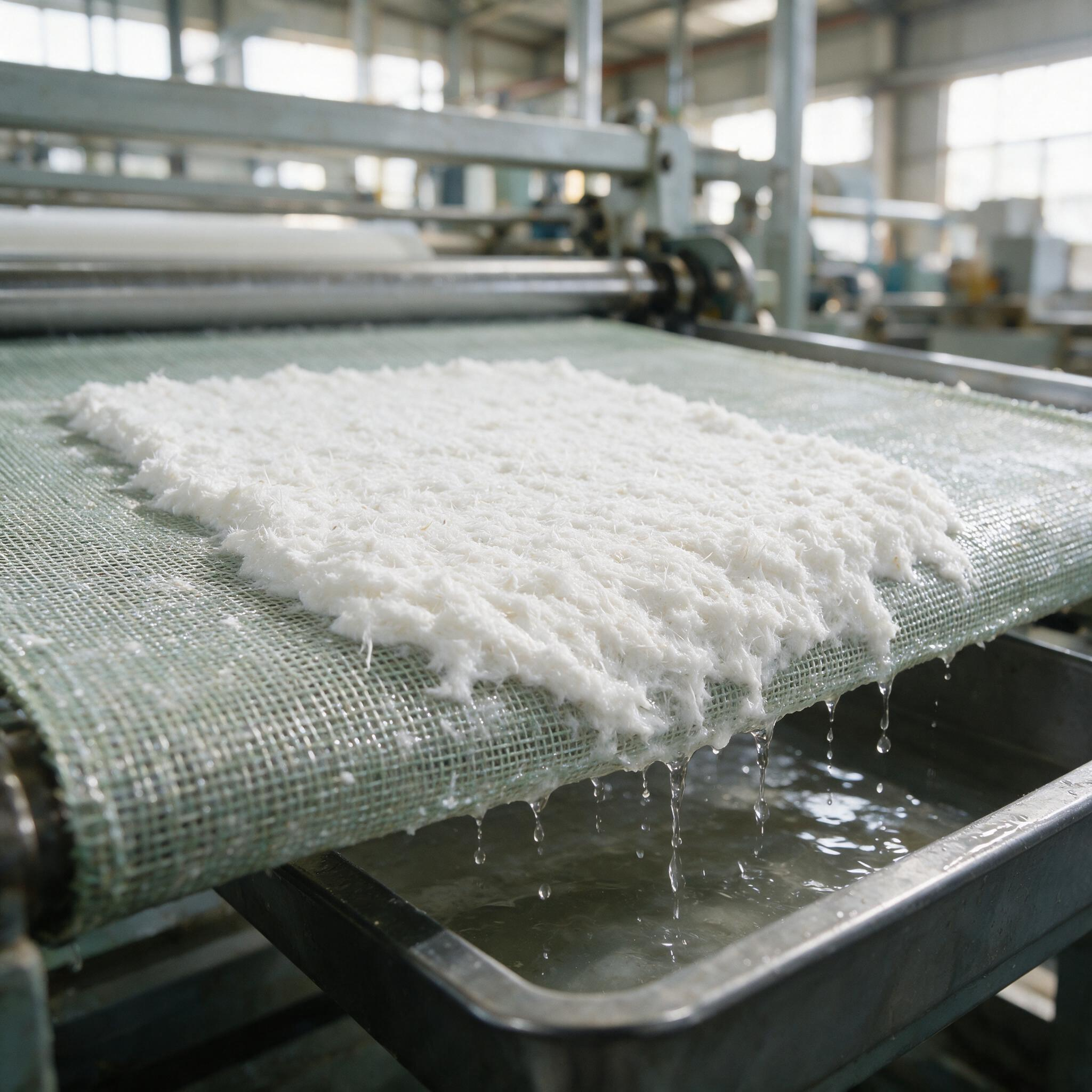
Water removal is one of the most energy-intensive phases in any paper mill. To accelerate this critical dewatering stage, advanced retention and drainage aids are deployed strategically along the wet end circuit. These specialized retention and drainage aids aggregate tiny fiber fragments and fillers, creating larger, more permeable floc structures that release water rapidly through the wire mesh. Field data from various high-speed paper machines indicate that optimizing retention and drainage aids can increase machine speeds by up to 10 percent while substantially lowering steam consumption in the dryer section. When drainage rates improve, wet web strength increases correspondingly, allowing operators to push production limits without risking costly web disruptions or unplanned shutdowns. The reliable action of retention and drainage aids directly contributes to cleaner white water circuits, reducing the load on internal recovery systems and enhancing overall facility profitability across all production lines and grade types. Technical engineers consistently verify that proper drainage management directly extends wire and felt lifespans.
Boosting Paper Strength Additives for End Use Durability and Quality
Producing paper that meets strict customer specifications requires careful selection of paper strength additives to reinforce the inter-fiber bonding matrix. Whether manufacturing packaging board, printing paper, or tissue grades, mechanical strength is a vital quality parameter. Incorporating effective paper strength additives increases both dry tensile strength and burst resistance without sacrificing bulk or formation quality. Mill engineers observing these wet end applications note that consistent paper strength additives performance bridges the gap between low-grade pulp utilization and high-performance final products. By utilizing reliable polymer formulations with paper strength additives, mills can incorporate higher percentages of recycled fibers into their furnish without compromising the structural integrity or printability of the finished paper rolls. Furthermore, advanced paper strength additives provide enhanced surface characteristics, ensuring superior performance during high-speed printing and converting operations while meeting rigorous international quality certifications and customer expectations across multiple export markets.
Improving Pulp Refining Efficiency and Mill Economy Through Advanced Polymers
Refining pulp is necessary to develop fiber bonding potential, but excessive mechanical refining consumes immense amounts of electrical energy and can damage delicate fiber lengths. By integrating specialized paper processing aids into the stock preparation stage, mills can significantly improve pulp refining efficiency, achieving required freeness levels with lower mechanical input. This reduction in refining energy translates directly into substantial cost savings on utility bills. Furthermore, optimized pulp refining efficiency protects fiber length distribution, resulting in a stronger, more uniform sheet structure. Mill managers who prioritize pulp refining efficiency strategies often report lower overall production costs and extended lifetimes for refiner tackle and downstream processing equipment. Through targeted pulp refining efficiency enhancements, mills can process alternative fiber sources smoothly, adapting to market shifts without sacrificing product standards or equipment reliability during extended production campaigns while maximizing overall pulp refining efficiency across diverse product lines and manufacturing facilities.
Sustainable Paper Production Backed by Feymer Manufacturing and Supply Reliability
The future of the pulp and paper industry depends on integrated solutions that combine superior chemical performance with environmental responsibility. As environmental regulations tighten, the role of paper processing aids will continue to expand, offering mills new ways to reduce water consumption and minimize chemical footprints. Achieving these long-term sustainability goals requires more than just effective formulas; it demands absolute consistency in manufacturing and supply chain execution. Feymer combines deep technical expertise with robust global supply capabilities, providing paper mills with the specialized paper processing aids needed to overcome complex manufacturing challenges. By partnering with Feymer, paper producers can secure a reliable pathway toward enhanced operational efficiency, superior product quality, and long-term economic profitability in a competitive global market. Their continuous commitment to innovation ensures that every batch of paper processing aids delivers maximum value on the machine floor while supporting corporate sustainability targets.

 EN
EN